
Editorial process: The AquaShelter editorial team prepares this guide with AI-assisted drafting and automated checks for sources, safety, structure, images, and duplication. It is educational content, not a veterinary diagnosis.
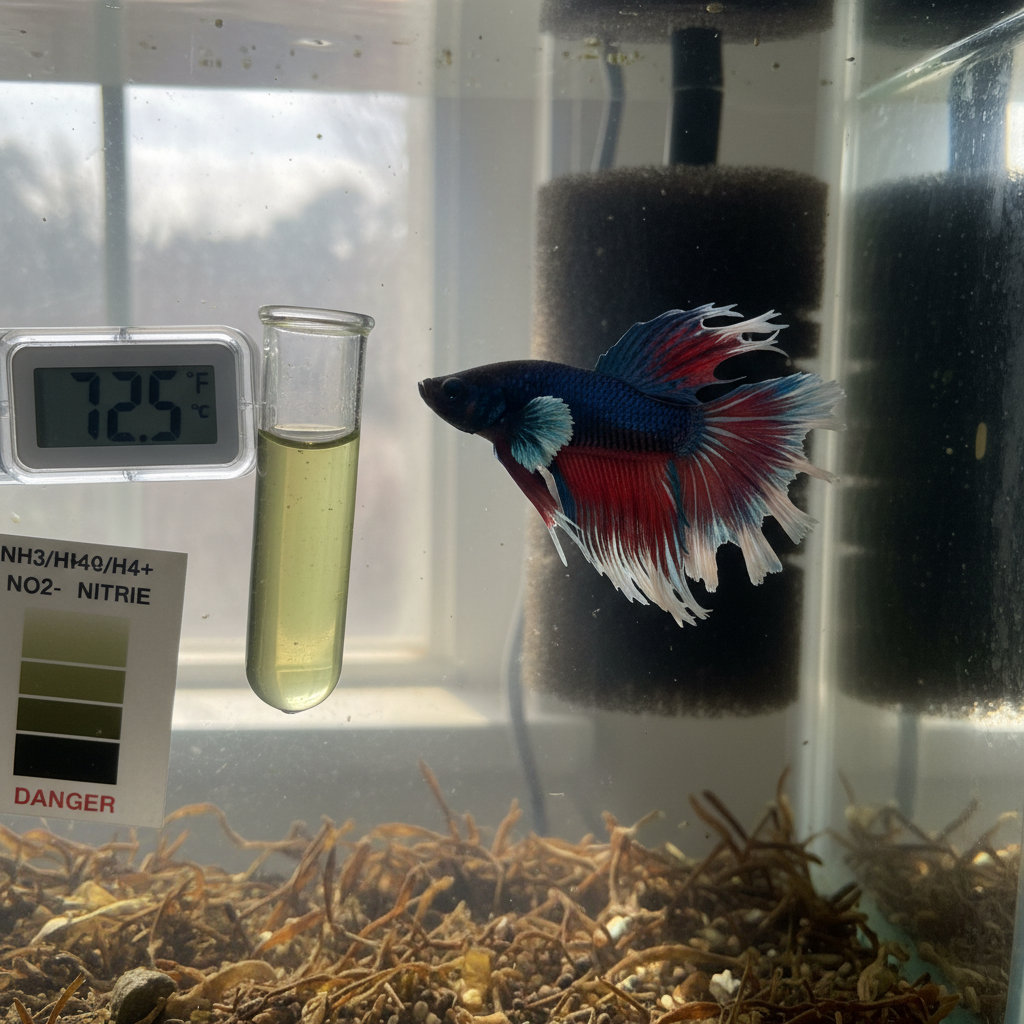
Fin rot is usually described as fins that look frayed, receding, cloudy, red-edged, or uneven. The mistake is assuming every damaged fin needs strong medication. If a fish is being nipped or the tank has ammonia, medicine alone will not solve the problem.
Confirm the pattern
Fin nipping often leaves uneven tears, especially in long-finned fish. Fin rot often progresses over time, with pale edges, redness, or tissue loss. Poor water can cause both damage and infection risk. If fish are dying or gasping too, use emergency tank triage before focusing only on the fins. If the damage appears with rapid breathing or surface gasping, follow the fish gasping at the surface checks first.
First steps
- Test ammonia and nitrite if possible.
- Improve aeration and remove waste.
- Check for bullying or fin nipping.
- Remove sharp decor if damage repeats.
- Keep water clean and stable.
When medication is more reasonable
Medication becomes more reasonable when fin loss continues despite stable water, the edges look inflamed, or the fish has ulcers, lethargy, or spreading infection signs. If the pattern is unclear, run the case through the AquaShelter fish diagnosis checker before treating the tank. Choose medication based on species safety and tank inhabitants, then confirm the plan with the aquarium treatment safety checker. Some planted tanks, shrimp tanks, and scaleless fish tanks need extra caution.
Recovery expectations
Healthy fins regrow slowly. Clear regrowth at the edges can be a good sign. Continued melting, redness, or body ulcers is not. Keep notes and compare photos every few days instead of judging minute by minute.
Goldfish Fin Rot: What to Check First
When you notice your goldfish's fins looking ragged, torn, or discolored, it's natural to worry about fin rot. However, many issues can cause fin damage in goldfish, from fin nipping by tank mates to poor water quality or even sharp decorations. Before reaching for medication, take a moment to observe your goldfish and its environment. Is the damage new or has it been progressing? Are there other signs of illness, like lethargy or difficulty swimming? Goldfish are particularly susceptible to water quality issues due to their high bioload, making clean, stable water a critical first step in addressing fin damage.
Is it Fin Rot or Fin Damage?
Distinguishing between simple fin damage and active fin rot is key. Fin damage from nipping or injury often appears as clean tears or missing pieces, and the fish may otherwise act normally. Fin rot, on the other hand, typically involves a progressive deterioration of the fin tissue, often with cloudy or white edges, redness, or even a fuzzy appearance. If the damage is accompanied by other symptoms like clamped fins, labored breathing, or a loss of appetite, it's more likely to be an infection. Always test your water parameters, especially ammonia and nitrite, as poor water quality is a primary trigger for fin rot in goldfish. If you're unsure about the pattern, a tool like the fish symptoms checker can help clarify the situation.
Consider the tank environment. Are there any aggressive tank mates that might be nipping fins? Are there any sharp decorations that could be causing physical injury? Goldfish, especially long-finned varieties, can easily snag their delicate fins on rough surfaces. Addressing these environmental factors is often more effective than immediate medication. The Merck Veterinary Manual fish disease overview highlights that many fish diseases, including fin rot, are secondary to environmental stressors.
Use AquaShelter before you guess
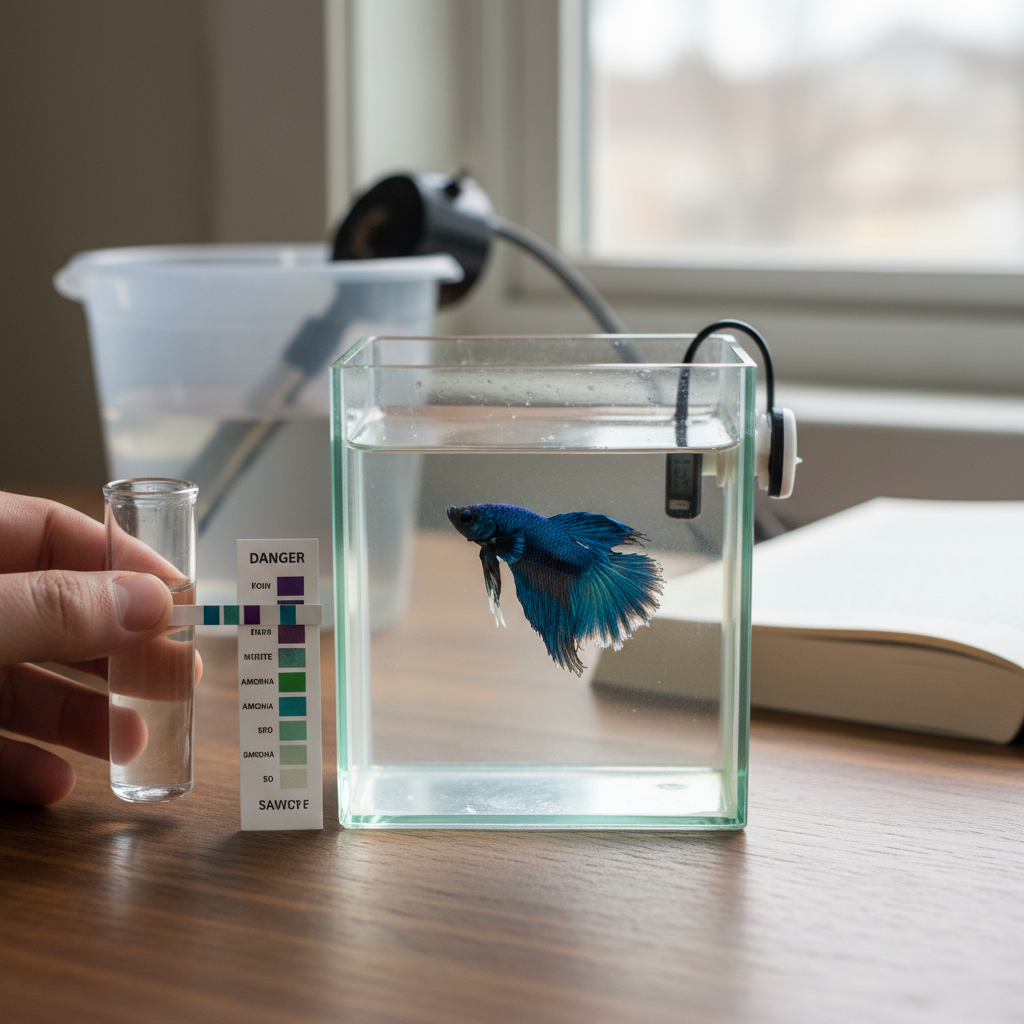
If you are not sure whether the symptoms are coming from disease or water quality, try the AquaShelter diagnosis check before choosing a treatment.
Open the diagnosis checkDisclaimer: AquaShelter helps with triage and safer decisions, but it does not replace a qualified aquatic veterinarian.
FAQ
Can fin rot heal without medication?
Mild fin damage can improve with clean stable water and stress removal. Progressive or infected cases may need medication.
Is fin rot contagious?
The bacteria involved can be present in many tanks, but stress and poor water often decide whether fish become sick.
How fast do fins grow back?
Regrowth depends on species, severity, nutrition, and water quality. It usually takes days to weeks, not hours.