
Editorial process: The AquaShelter editorial team prepares this guide with AI-assisted drafting and automated checks for sources, safety, structure, images, and duplication. It is educational content, not a veterinary diagnosis.
What Does Fish Mouth Rot Look Like?
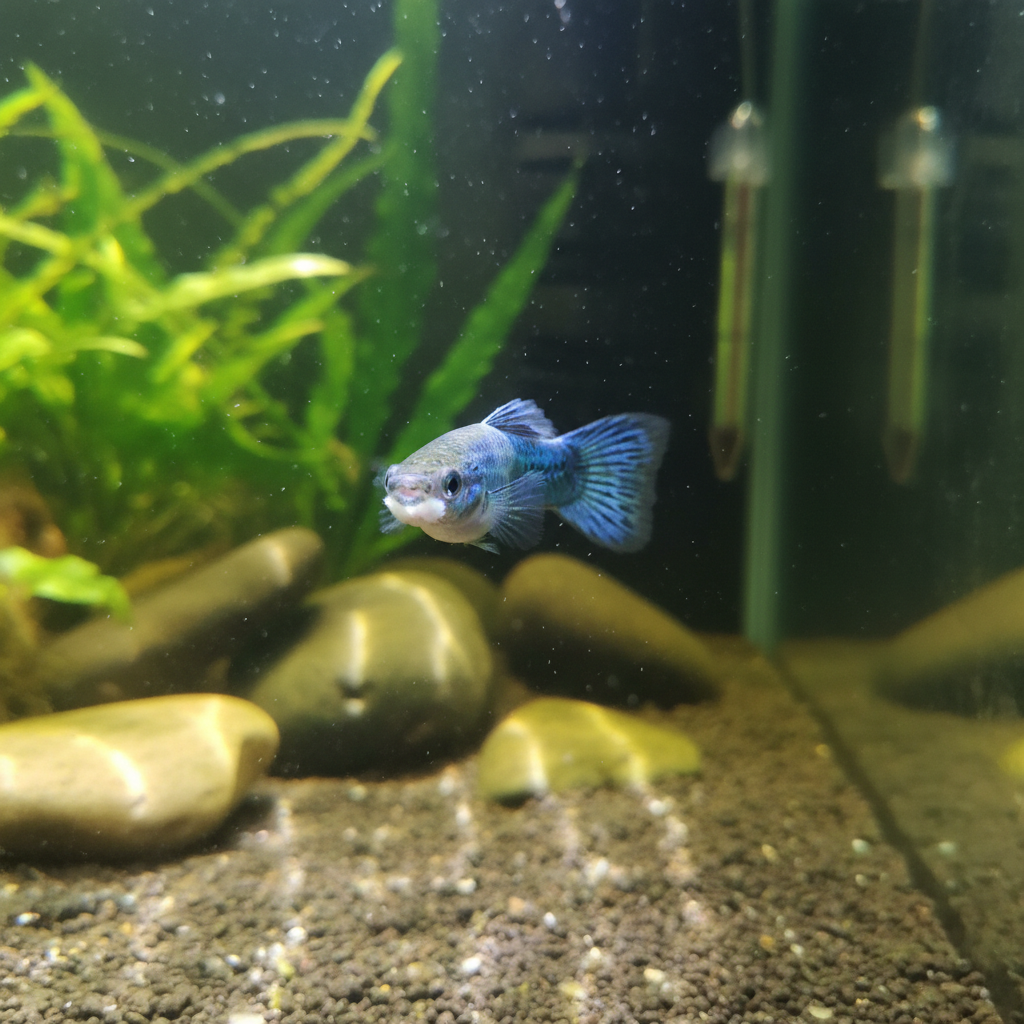
Fish mouth rot, also known as columnaris or cotton mouth, typically starts as white or grayish patches around the mouth. These patches can look fuzzy, like cotton, which is why it's often mistaken for a fungal infection. As the disease progresses, the mouth tissue might appear eroded, red, or inflamed. You might also notice your fish struggling to eat, spitting out food, or even having difficulty closing its mouth. In some cases, the infection can spread to the gills or body, causing lesions or fin rot. For example, if you notice a small, white tuft on your guppy's lip that wasn't there yesterday, and it grows over a day or two while the fish seems less interested in food, this is a classic sign of mouth rot starting. Early detection is key. When the signs overlap, Velvet Disease in Fish: Signs, Urgency, and Safer Treatment gives a more focused next step. For the related symptom path, use fungal infection in betta fish alongside the checks above.
What Causes Fish Mouth Rot?
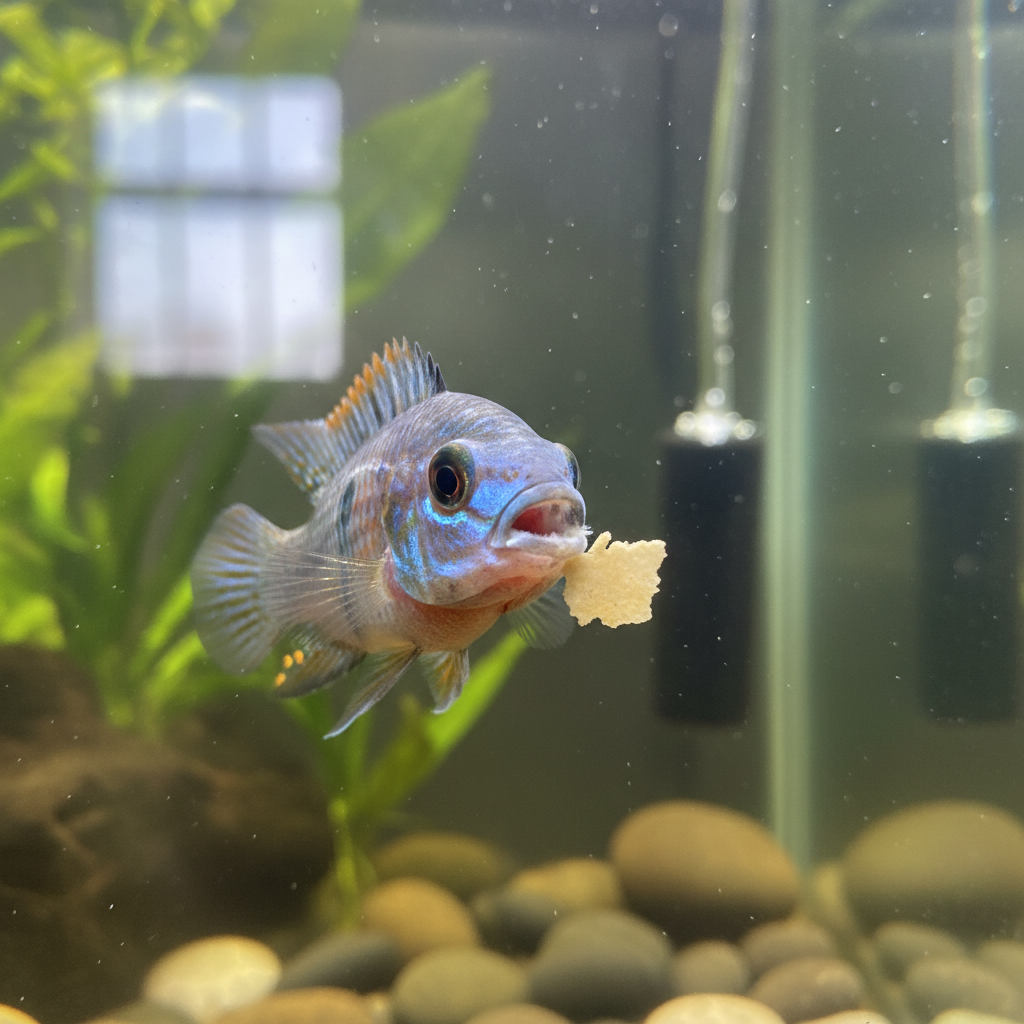
The primary culprit behind fish mouth rot is the bacterium *Flavobacterium columnare*, commonly referred to as Columnaris. This bacterium is often present in aquariums but usually only causes problems when fish are stressed or water quality is poor. Here are the main factors that can trigger an outbreak:
- Poor Water Quality: High ammonia, nitrite, or nitrate levels, or unstable pH, can weaken a fish's immune system, making it susceptible to infection. Regular water changes are essential.
- Stress: Overcrowding, incompatible tank mates, sudden temperature changes, or even rough handling during transport can stress fish.
- Injury: A scrape or cut around the mouth from decor or fighting can provide an entry point for bacteria.
- New Fish: Introducing new fish without proper quarantine can bring diseases into your established tank.
Before you reach for medication, always check your water parameters. For a deeper dive into water quality and its impact on fish health, you can consult resources like the University of Florida's guide on water quality. A common scenario: you just added a new batch of guppies, and a week later, your prize angelfish develops a fuzzy patch on its mouth. This points directly to the stress of new tank mates and potential pathogen introduction. Checking your water parameters immediately and isolating the affected fish are your first steps. For a more detailed look at symptoms and potential causes, you can use our Fish Symptoms Checker.
How to Treat Fish Mouth Rot
Treating fish mouth rot requires a multi-pronged approach, focusing on improving water quality and, if necessary, using medication. Always prioritize water quality first.
Step 1: Isolate and Improve Water Quality
If possible, move the affected fish to a quarantine tank. This prevents the spread of the disease and allows you to treat the fish more effectively without impacting your main tank's beneficial bacteria or other inhabitants. Perform a significant water change (25-50%) in both the main tank and the quarantine tank. Test your water parameters (ammonia, nitrite, nitrate, pH) immediately. If any are off, address them with more frequent water changes and consider adding a water conditioner that detoxifies ammonia. For more on understanding your water parameters, see our Aquarium Water Test Strip Guide.
Step 2: Consider Medication
For severe cases or if water changes alone don't show improvement within 24-48 hours, medication may be necessary. Since Columnaris is bacterial, antibiotics are the most effective treatment. Look for medications specifically designed to treat bacterial infections in fish. Always follow the manufacturer's instructions carefully regarding dosage and duration. Some medications can harm beneficial bacteria in your filter, so using a quarantine tank is highly recommended. Never combine different medications without expert advice, and be aware that some medications can stain silicone or decor. When using any medication, always read the label thoroughly. Some medications are not safe for invertebrates (snails, shrimp) or certain sensitive fish species. If you're unsure, consult with a knowledgeable aquatics professional or veterinarian. Never exceed recommended dosages. For more information on the disease itself, you can consult resources like the MSD Veterinary Manual on Columnaris Disease. You can also use our Aquarium Treatment Safety Checker to help guide your decisions.
Step 3: Support and Prevention
While treating, ensure your fish has a stable environment. Maintain consistent water temperature, provide gentle aeration, and offer easily digestible foods. After treatment, continue to monitor your fish and maintain excellent water quality. To prevent future outbreaks:
- Quarantine New Fish: Always quarantine new fish for at least two weeks before adding them to your main tank.
- Regular Maintenance: Stick to a consistent schedule of water changes and filter cleaning.
- Avoid Overfeeding: Excess food decays and pollutes the water.
- Monitor for Stress: Observe your fish daily for any signs of stress or unusual behavior.
Keeping a detailed tank history can help you spot patterns and prevent future issues. You can log water parameters, fish behavior, and treatment dates, giving you a clear picture of your tank's health over time. If you've tried the recommended treatments and your fish's condition isn't improving, or if the disease is spreading rapidly, it's time to consult with an aquatic veterinarian or a reputable fish store. They can offer more advanced diagnostics or stronger medications. Remember, early intervention is crucial for fish mouth rot.
Recognizing Fish Mouth Rot Early
Noticing changes in your fish's mouth area is the first step to addressing potential health issues. Fish mouth rot often begins subtly, appearing as small, off-white or grayish patches around the lips. These patches might have a slightly fuzzy texture, which can sometimes be confused with fungal growth. Pay close attention if your fish starts to look like it has a small cotton-like tuft on its mouth. This early visual cue is critical because the infection can quickly progress, making it harder for your fish to eat and breathe properly. For example, if you observe your usually active guppy suddenly struggling to pick up food or spitting it out, and you also see a faint white film on its mouth, it's time to investigate further.
What to Look For in Your Fish
Beyond the visual changes, your fish's behavior can also signal the onset of mouth rot. A fish with this condition might become lethargic, hide more often, or show a decreased interest in food. You might also notice them rubbing their mouth against tank decorations or the substrate, possibly trying to dislodge discomfort. As the disease advances, the mouth tissue can become visibly eroded, red, or inflamed, making it difficult for the fish to close its mouth completely. In severe cases, the infection can spread to the gills or fins, leading to more widespread lesions or fin rot. If you're unsure about the specific symptoms, a tool like the fish symptom checker can help you narrow down possibilities.
Maintaining good water quality is your best defense against fish mouth rot. Regular water changes, proper filtration, and avoiding overfeeding help keep the aquatic environment stable and reduce stress on your fish. Stress weakens a fish's immune system, making it more susceptible to bacterial infections like columnaris. For more detailed information on fish diseases and their management, the Merck Veterinary Manual offers valuable insights into general fish health and diagnostic limitations.
Use AquaShelter before you guess
If you are not sure whether the symptoms are coming from disease or water quality, try the AquaShelter diagnosis check before choosing a treatment.
Open the diagnosis checkDisclaimer: AquaShelter helps with triage and safer decisions, but it does not replace a qualified aquatic veterinarian.
FAQ
Is fish mouth rot contagious to other fish?
Yes, fish mouth rot, caused by the Columnaris bacterium, is highly contagious and can spread quickly to other fish in the tank, especially if they are stressed or have weakened immune systems. It's best to isolate affected fish in a quarantine tank if possible.
Can fish mouth rot be cured with salt?
While aquarium salt can help reduce stress and support gill function, it is generally not a cure for bacterial infections like Columnaris (mouth rot). It can be used as a supportive treatment alongside antibiotics, but it won't eliminate the bacteria on its own. Always use salt according to package directions and ensure it's safe for your specific fish species.
How long does it take to treat fish mouth rot?
The duration of treatment for fish mouth rot depends on the severity of the infection and the chosen medication. Typically, antibiotic treatments last 5-10 days. You should start seeing improvement within 2-3 days. Continue the full course of medication as directed, even if symptoms improve, to ensure the infection is fully cleared and prevent recurrence.
Can mouth rot spread to other fish in the tank?
Yes, mouth rot caused by <i>Flavobacterium columnare</i> is highly contagious, especially in tanks with poor water quality or stressed fish. It's crucial to isolate affected fish immediately in a quarantine tank to prevent the spread to healthy tank mates. Treating the main tank for underlying issues like water quality is also important.