
Editorial process: The AquaShelter editorial team prepares this guide with AI-assisted drafting and automated checks for sources, safety, structure, images, and duplication. It is educational content, not a veterinary diagnosis.
Understanding the Nitrogen Cycle
The nitrogen cycle is the natural process by which beneficial bacteria break down waste in your aquarium. Fish waste, uneaten food, and decaying plant matter release ammonia into the water. Ammonia is highly toxic to fish, even in small amounts. Nitrifying bacteria, specifically Nitrosomonas species, convert this ammonia into nitrite. Nitrite is also very harmful to fish. Another group of nitrifying bacteria, Nitrobacter and Nitrospira species, then convert nitrite into nitrate. Nitrate is much less toxic and can be removed through regular water changes or absorbed by live plants. If this pattern matches your tank, compare it with aquarium software before choosing the next step. If this pattern matches your tank, compare it with my fish died before choosing the next step.
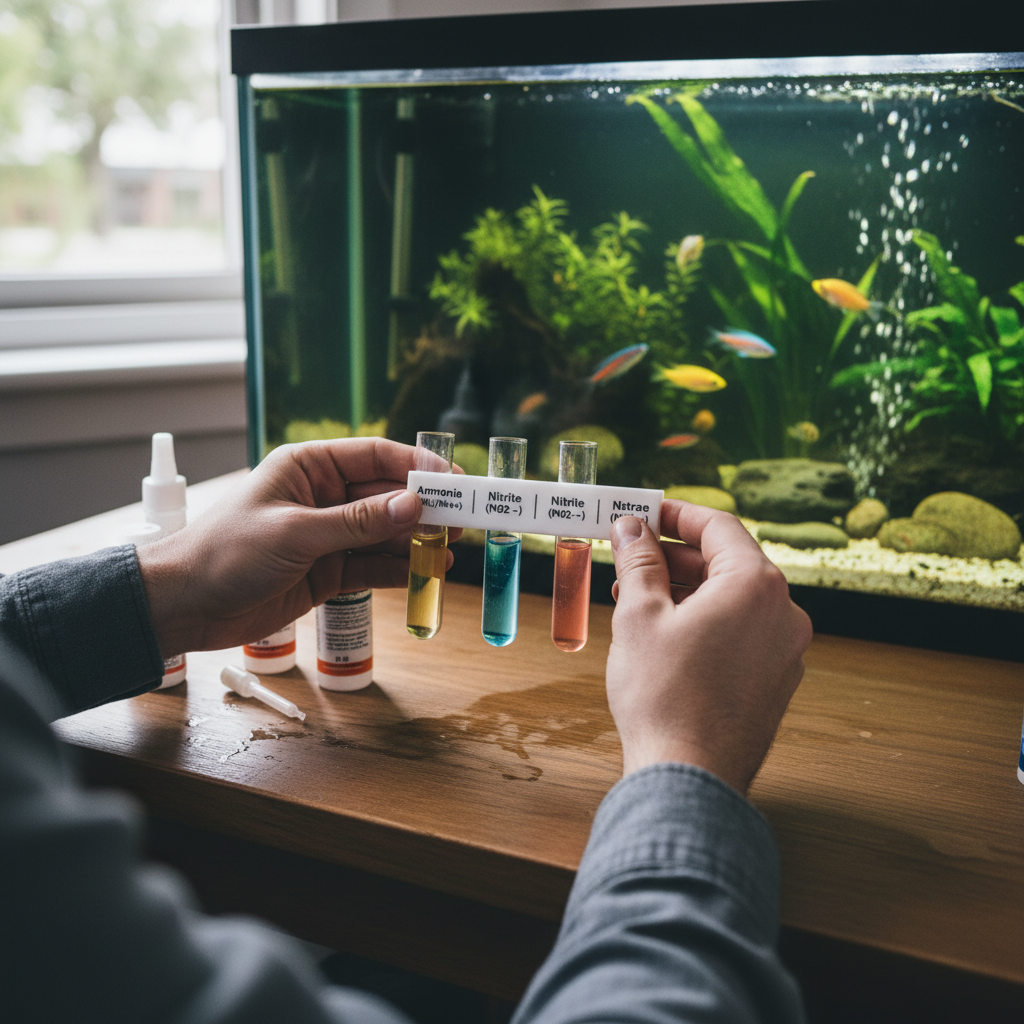
This cycle is crucial for preventing the buildup of dangerous compounds. When you first set up an aquarium, it takes time for these bacterial colonies to grow and establish themselves. This period is known as 'cycling' the tank. During this time, ammonia and nitrite levels can spike, posing a significant risk to any fish present. Monitoring water parameters closely during this phase is vital.
How Beneficial Bacteria Establish in Your Tank
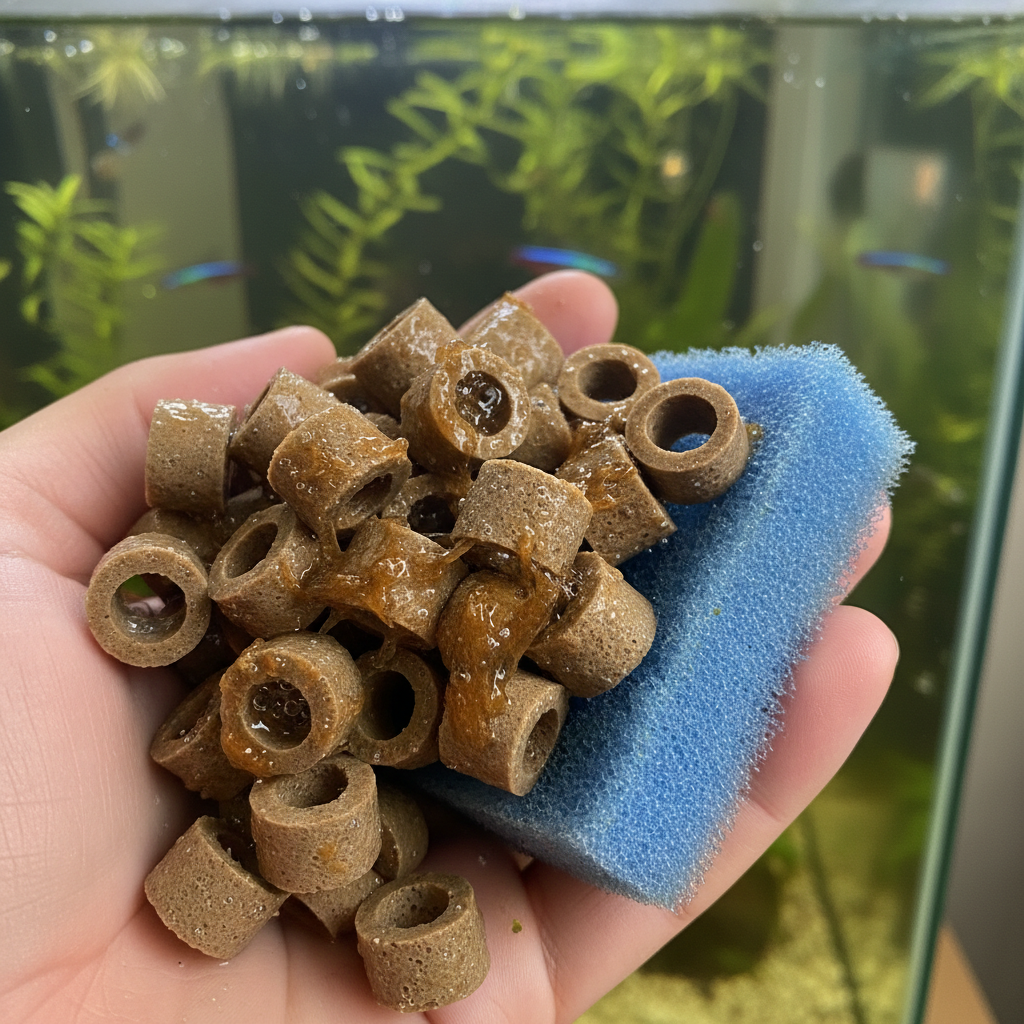
Beneficial bacteria primarily colonize porous surfaces within your aquarium. This includes your filter media, substrate (gravel or sand), and decorations. The more surface area available, the larger the bacterial colony can become. High-quality biological filter media are designed to maximize this surface area, providing an ideal home for these microbes. It's important to avoid cleaning filter media with tap water, as chlorine and chloramines can kill these beneficial bacteria. Instead, rinse filter media gently in old tank water during a water change.
Introducing beneficial bacteria to a new tank can be done through several methods. You can use bottled bacterial supplements, which contain live cultures to kickstart the cycle. Another common method is 'seeding' the new tank with established filter media or substrate from a healthy, cycled aquarium. This transfers existing bacterial colonies directly. Patience is key during this establishment phase; rushing it can lead to fish health problems.
Maintaining a Healthy Bacterial Colony
Once established, your beneficial bacteria colony needs consistent conditions to thrive. Stable water parameters, including temperature and pH, are important. Sudden drastic changes can harm the bacteria. Regular, partial water changes are also essential to remove accumulated nitrates and replenish essential minerals. Overfeeding your fish can lead to excess waste, overwhelming the bacterial filter and causing ammonia or nitrite spikes.
Avoid using harsh chemicals or medications in your aquarium unless absolutely necessary, as many can be detrimental to beneficial bacteria. If medication is required, research its impact on the biological filter and consider treating fish in a separate hospital tank if possible. AquaShelter's aquarium treatment safety checker can help you understand potential impacts of treatments on your tank's ecosystem, including beneficial bacteria.
When you notice unusual fish behavior or water quality issues, it's important to act quickly. AquaShelter's diagnosis timeline can help you track symptoms and water test results, providing a clearer picture of what might be affecting your tank's balance. This can help you determine if your beneficial bacteria are struggling to keep up with the bioload.
Common Issues Affecting Beneficial Bacteria
Several factors can disrupt your beneficial bacteria. A sudden increase in the number of fish or overfeeding can create more waste than the existing bacteria can process, leading to an ammonia or nitrite spike. Power outages that stop filter flow can cause bacteria in the filter to die off due to lack of oxygen. Aggressive cleaning of filter media or replacing too much filter media at once can also remove a significant portion of your bacterial colony.
Chlorine and chloramines in tap water are lethal to beneficial bacteria. Always use a water conditioner that neutralizes these chemicals when adding new water to your tank. If you suspect your beneficial bacteria are compromised, test your water for ammonia and nitrite. If levels are elevated, perform small, frequent water changes and consider adding a bacterial supplement to help re-establish the colony. For more information on cycling, refer to our guide on how to cycle a fish tank.
Source note: For veterinary context on Recognized fish disease signs, diagnostic limitations, and veterinary care context., see Merck Veterinary Manual fish disease overview. Compare that guidance with current water tests. Follow the product label and ask an aquatic veterinarian when treatment risk is involved.
Understanding the Nitrogen Cycle for Your Fish
The nitrogen cycle is the essential process that keeps your aquarium water safe for fish. It's a natural system where beneficial bacteria convert toxic fish waste into less harmful substances. Without these bacteria, ammonia and nitrite would quickly build up, leading to stress, illness, and even death for your fish. Think of it as your aquarium's invisible clean-up crew, constantly working to maintain a healthy environment.
Recognizing Nitrogen Cycle Issues
If your fish are showing signs of stress, such as gasping at the surface, clamped fins, or lethargy, it could indicate a problem with your nitrogen cycle. High ammonia or nitrite levels are often the culprits. Regular water testing is the best way to monitor these parameters and catch issues early. For example, if you notice your fish are suddenly less active and their gills appear red, it's a strong signal to test your water immediately. If you're unsure about the cause of your fish's symptoms, consider using our fish symptoms checker to help narrow down potential problems.
Maintaining a stable nitrogen cycle is key to long-term fish health. This means avoiding overfeeding, performing consistent water changes, and ensuring your filter media is healthy. Remember, chlorine in tap water can kill beneficial bacteria, so always use a dechlorinator when adding new water. For more detailed information on fish health and disease, consult resources like the Merck Veterinary Manual fish disease overview.
Use AquaShelter before you guess
If you are not sure whether the symptoms are coming from disease or water quality, try the AquaShelter diagnosis check before choosing a treatment.
Open the diagnosis checkDisclaimer: AquaShelter helps with triage and safer decisions, but it does not replace a qualified aquatic veterinarian.
FAQ
What are beneficial bacteria in an aquarium?
Beneficial bacteria are microscopic organisms that live in your aquarium and are essential for breaking down toxic fish waste products like ammonia and nitrite into less harmful nitrate through a process called the nitrogen cycle.
How do I get beneficial bacteria in my new aquarium?
You can introduce beneficial bacteria to a new aquarium by using bottled bacterial supplements, or by 'seeding' the tank with established filter media or substrate from a healthy, cycled aquarium. This process is known as cycling your tank.
What kills beneficial bacteria in an aquarium?
Chlorine and chloramines in tap water, certain medications, sudden drastic changes in water parameters, and aggressive cleaning of filter media with tap water can all kill beneficial bacteria in your aquarium.