
Editorial process: The AquaShelter editorial team prepares this guide with AI-assisted drafting and automated checks for sources, safety, structure, images, and duplication. It is educational content, not a veterinary diagnosis.
Why Proper Acclimation is Crucial for Fish Health
When fish are transported, they experience significant stress. The water in their transport bag often has different temperature, pH, and salinity levels than your home aquarium. A sudden change can cause temperature shock, where their body systems struggle to adjust, or osmotic shock, where their cells can't regulate water balance. Additionally, ammonia can build up in the transport water from their waste, becoming toxic as pH changes. Proper acclimation minimizes these risks, allowing your fish to gradually adapt and reducing the likelihood of stress-related diseases. If this pattern matches your tank, compare it with how to clean aquarium filter before choosing the next step. When the signs overlap, fish mouth rot gives a more focused next step.
Preparation: Setting the Stage for Success
Before your new fish even arrive, prepare your aquarium. Dim the lights in the room and around the tank to reduce visual stress for the new arrivals and existing inhabitants. Have all necessary tools ready: a clean bucket, an airline tube for drip acclimation, and a timer. Wash your hands thoroughly to avoid introducing any contaminants into the water. If you plan to quarantine, ensure your quarantine tank is already set up and cycled. This proactive approach helps create a calm environment for your fish's arrival.
Method 1: The Float Method (Temperature Acclimation)
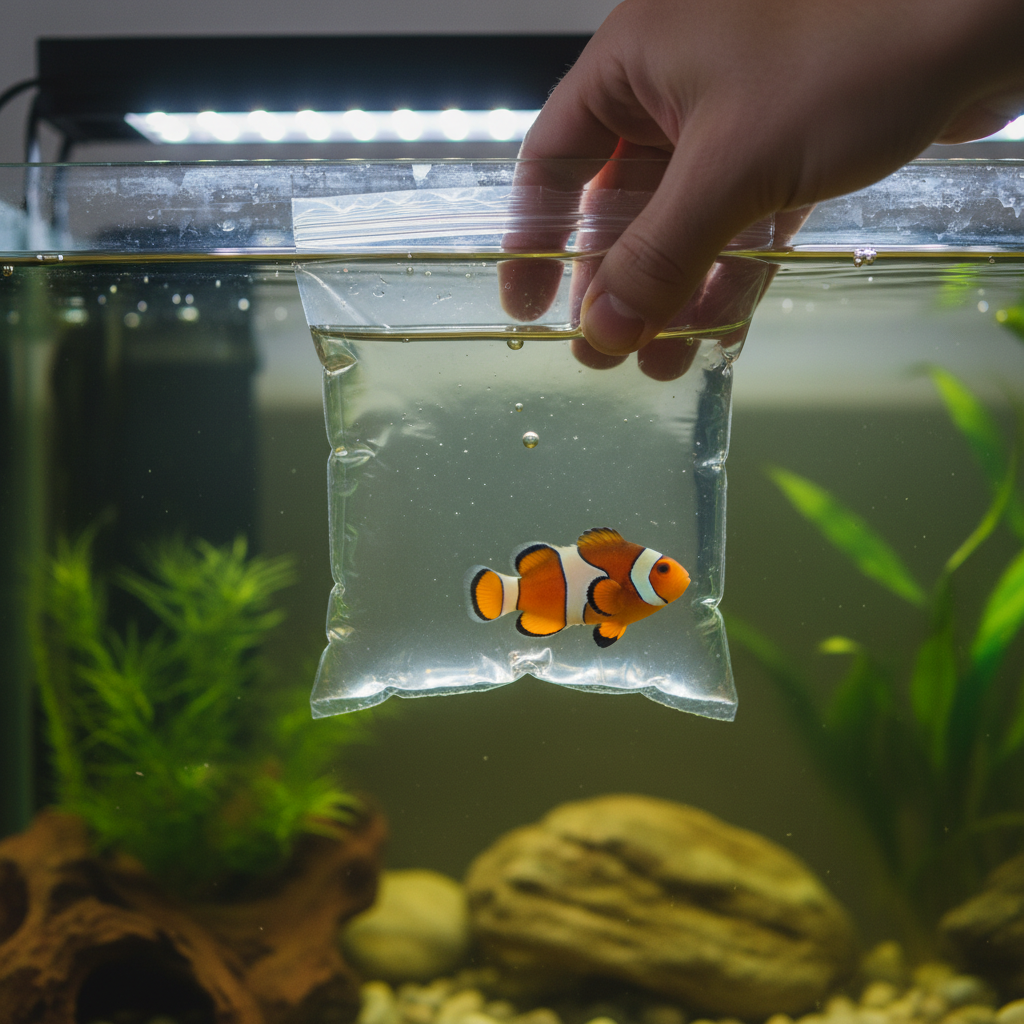
The float method is the simplest way to equalize water temperature. Upon bringing your fish home, immediately float the sealed transport bag in your aquarium. Ensure the bag opening is above the water line to prevent tank water from mixing with the bag water. Allow the bag to float for 15 to 20 minutes. For larger temperature differences, you can extend this to 30 minutes. This step is vital because sudden temperature shifts can severely stress fish. However, this method only addresses temperature; it does not adjust for differences in water chemistry.
If you notice any unusual symptoms or behaviors in your fish during this initial stage, AquaShelter's fish symptoms checker can help you quickly identify potential issues and guide your next steps.
Method 2: Gradual Water Addition (Bag Method)
After temperature acclimation, you can begin to adjust water chemistry. Open the bag and roll down the edges to create an air pocket. Use a clean cup to add about half a cup of your aquarium water into the bag every 5 to 10 minutes. Repeat this process for 30 to 60 minutes, or until the volume of water in the bag has roughly doubled. This slow introduction helps your fish adjust to your tank's pH, hardness, and other parameters. This method is suitable for most freshwater fish but may not be sufficient for very sensitive species or saltwater fish.
Method 3: Drip Acclimation (Bucket Method)
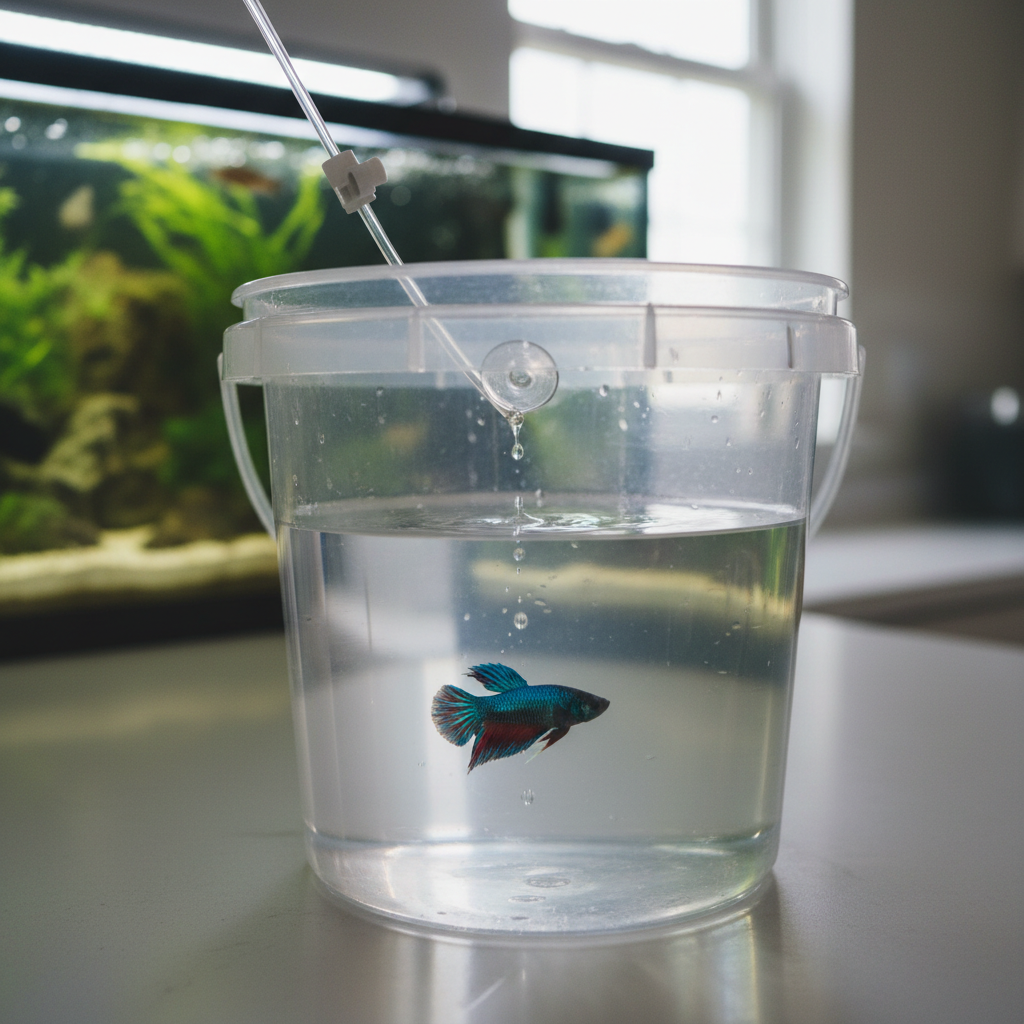
Drip acclimation is the most thorough method for adjusting water chemistry, especially for sensitive freshwater fish and all saltwater species. After floating the bag for temperature, carefully empty the fish and their transport water into a clean bucket. Use an airline tube to create a siphon from your main aquarium into the bucket. Tie a knot in the airline tubing or use an airline valve to regulate the drip rate to about 1-2 drops per second. Allow this to continue until the water volume in the bucket has tripled. This process can take 1 to 3 hours, depending on the fish's sensitivity. Monitor the fish closely during this time for any signs of stress.
Post-Acclimation: Releasing Your New Fish Safely
Once acclimation is complete, it's time to transfer your fish. Use a clean net to gently scoop the fish from the acclimation bucket or bag. Carefully place the fish into your aquarium or, ideally, into a dedicated quarantine tank. It is crucial to discard all the transport water. Never add transport water to your main display tank, as it can contain high levels of ammonia, nitrates, and potentially harmful pathogens that could endanger your existing fish. Observe your new fish for the first few hours, ensuring they swim normally and show no immediate signs of distress.
The Critical Next Step: Quarantine for Long-Term Health
Quarantining new fish is perhaps the most important step for preventing disease outbreaks in your main aquarium. A separate quarantine tank allows you to observe new fish for signs of illness, parasites, or stress without risking your established tank. Keep new fish in quarantine for at least two to four weeks. During this time, you can monitor their eating habits, behavior, and physical condition. If any issues arise, you can treat them in the quarantine tank, preventing the spread of disease to your main display. For more information on setting up a quarantine tank, refer to our guide on how to cycle a fish tank.
Troubleshooting & Common Mistakes to Avoid
One common mistake is rushing the acclimation process. Patience is key; slow and steady adjustments are always better for fish health. Another error is adding transport water to the main tank, which can introduce ammonia or diseases. Always discard the transport water. If your fish show signs of stress during acclimation, such as clamped fins or rapid breathing, slow down the process or pause to allow them to recover. Ensure your hands are clean and free of soaps or lotions before touching any aquarium water or equipment. Understanding fish stress symptoms can help you react quickly.
Why Gentle Acclimation Matters for Your Fish
Bringing new fish home is exciting, but it's also a critical moment for their well-being. Imagine being suddenly dropped into a completely different environment – that's what it can feel like for a fish if not acclimated properly. The water they arrive in, often from a pet store or breeder, likely has different temperature, pH, and mineral levels than your home aquarium. A rapid change can shock their systems, leading to stress, weakened immunity, and susceptibility to disease. Taking the time to acclimate new fish gradually helps them adjust to their new home, reducing the risk of health issues and ensuring a smoother transition.
Understanding the Risks of Poor Acclimation
Without careful acclimation, your new fish face several immediate dangers. Temperature shock can occur if the water temperature changes too quickly, impacting their metabolism and immune response. Osmotic shock is another risk, where differences in water salinity or hardness can disrupt their internal fluid balance, causing cell damage. Additionally, ammonia can build up in transport water, becoming highly toxic if the pH shifts suddenly upon introduction to your tank. These stressors can manifest as lethargy, clamped fins, or rapid breathing, and in severe cases, can be fatal. For a deeper understanding of fish health challenges, you can consult resources like the Merck Veterinary Manual.
To give your fish the best start, always prioritize a slow, gentle acclimation process. This patience upfront prevents significant problems down the line, helping your fish thrive in their new environment. If you notice any concerning symptoms after acclimation, AquaShelter's fish symptoms checker can help you identify potential issues.
Use AquaShelter before you guess
If you are not sure whether the symptoms are coming from disease or water quality, try the AquaShelter diagnosis check before choosing a treatment.
Open the diagnosis checkDisclaimer: AquaShelter helps with triage and safer decisions, but it does not replace a qualified aquatic veterinarian.
FAQ
How long should you acclimate new fish?
Temperature acclimation (floating the bag) should take 15-30 minutes. Water chemistry acclimation (gradual water addition or drip method) can take 30 minutes to 3 hours, depending on the method and fish sensitivity.
What is the best way to acclimate new fish?
The best way depends on the fish. For most, the float method followed by gradual water addition is sufficient. For sensitive species or saltwater fish, drip acclimation is preferred for its slower, more precise adjustment to water chemistry.
Should new fish be quarantined?
Yes, quarantining new fish for at least two to four weeks is highly recommended. This allows you to observe them for diseases and treat any issues in isolation, protecting your main aquarium's inhabitants.