
Editorial process: The AquaShelter editorial team prepares this guide with AI-assisted drafting and automated checks for sources, safety, structure, images, and duplication. It is educational content, not a veterinary diagnosis.
What Does a Stressed Fish Look Like?
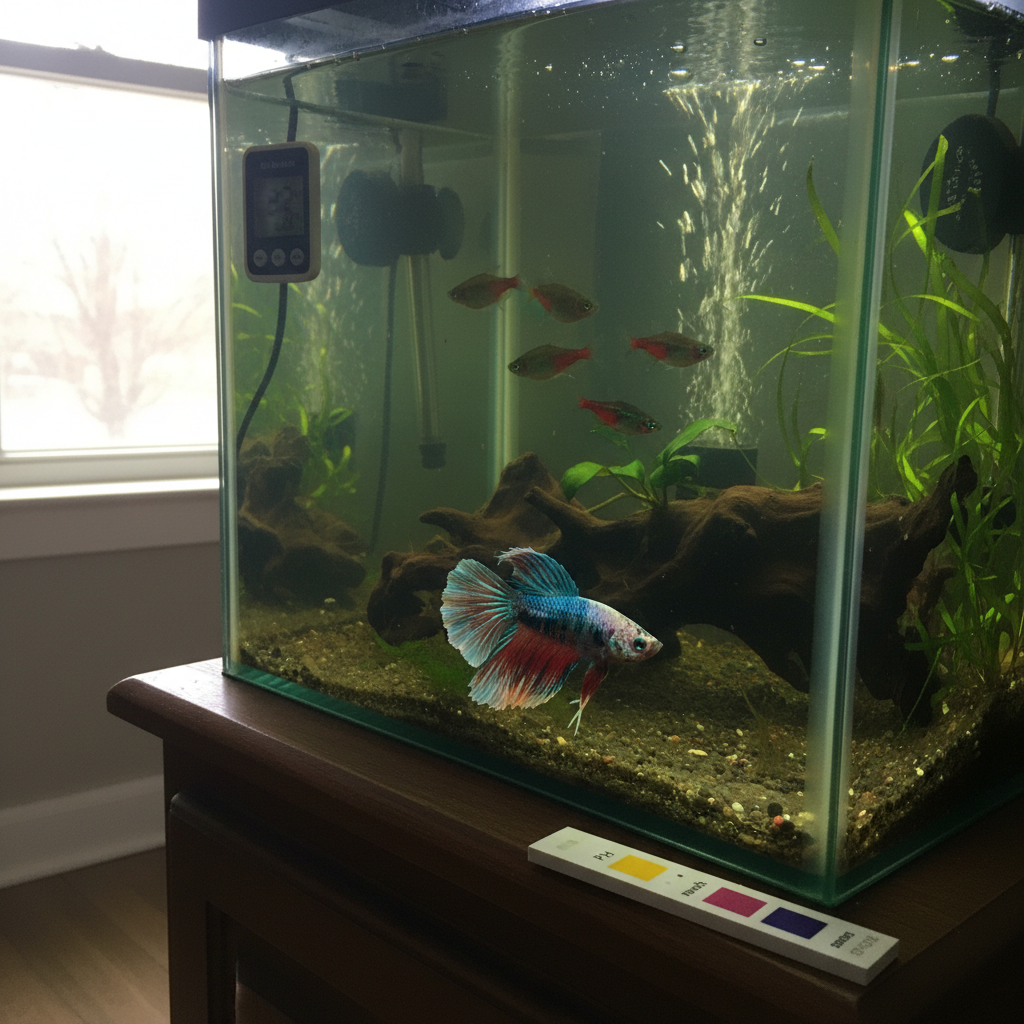
When you look at your tank, you're seeing living creatures that depend on you. When something's off, it's natural to feel concerned. Imagine you've just brought home a new betta. You've set up its tank, but instead of exploring, it's clamped its fins, is breathing rapidly, and is hiding behind the heater. This isn't just a 'symptom'; it's your fish telling you, in the only way it can, that something is wrong. Your immediate response should be to observe closely and consider what might have changed in its environment or routine. Here are common signs that your fish might be stressed: If this pattern matches your tank, compare it with fish bloating before choosing the next step.
- Faded Colors: Fish often lose their vibrant coloration when stressed, appearing pale or washed out. You can learn more about this in Fish Losing Color: Why Your Fish Looks Pale and What to Do.
- Clamped Fins: Fins held close to the body, rather than spread out naturally, are a common sign.
- Erratic Swimming: Darting, flashing against decor, or swimming aimlessly can indicate discomfort. See Fish Swimming Erratically for more.
- Hiding or Lethargy: Spending excessive time hiding, or being unusually still and unresponsive. If your fish is acting sluggish, check out When Your Fish Is Acting Sluggish or Hiding More.
- Loss of Appetite: Refusing food or spitting it out. This is a serious sign and warrants immediate investigation, as discussed in Fish Not Eating: Stress, Water Quality, or Disease?
- Rapid Gill Movement: While sometimes a sign of low oxygen, it can also indicate general stress or poor water quality.
- Rubbing Against Objects (Flashing): Fish may rub their bodies against tank decorations or substrate to relieve irritation. Learn more at Fish Flashing: Why Your Fish Rubs Against Tank Decor.
Common Causes of Fish Stress
Most fish stress boils down to environmental factors or interactions within the tank. Pinpointing the cause is the first step to fixing it.
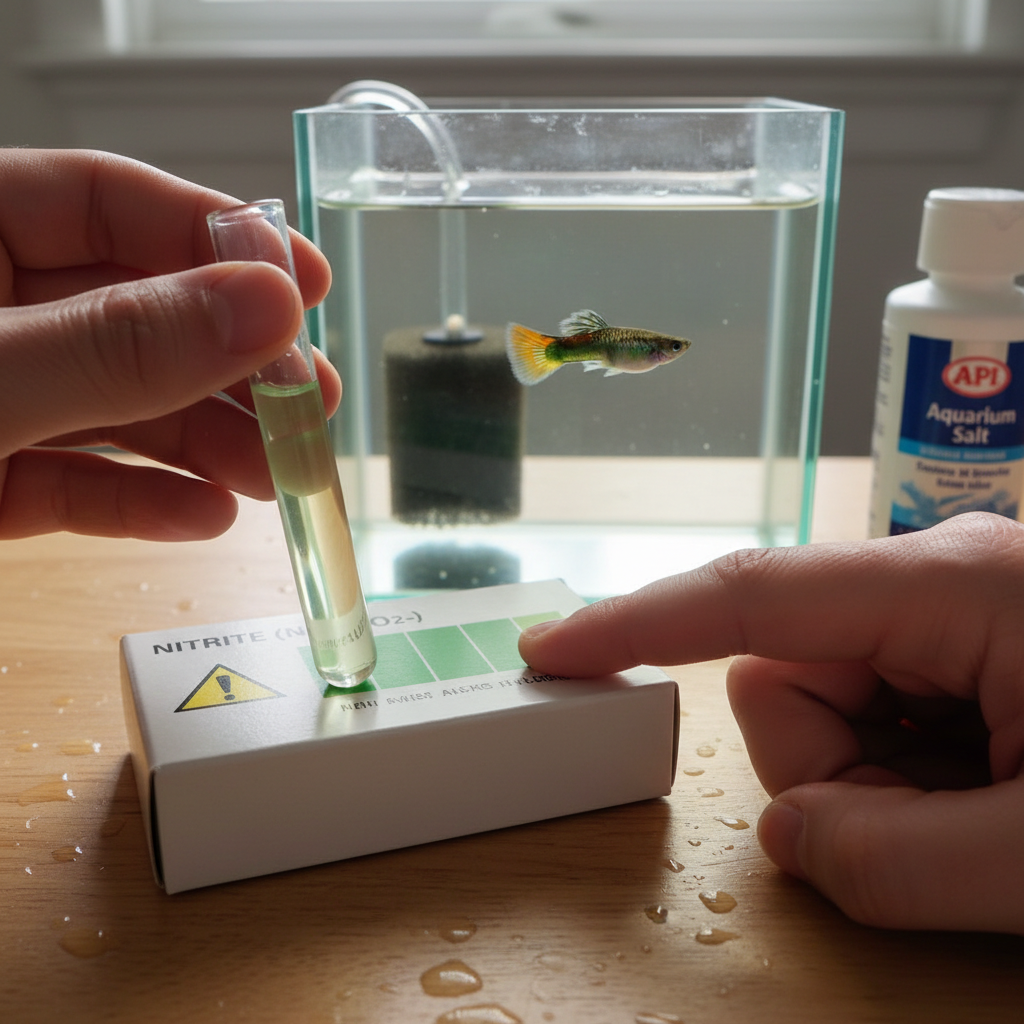
- Poor Water Quality: This is arguably the most frequent stressor. High levels of ammonia, nitrite, or nitrate, incorrect pH, or unstable water temperature can quickly stress fish. Regular water testing is non-negotiable. If you're using test strips, make sure you understand What the Numbers Really Mean.
- Overcrowding: Too many fish in too small a space leads to increased waste, competition for resources, and aggression, all of which are stressful.
- Incompatible Tank Mates: Aggressive fish harassing peaceful ones, or fish that simply don't get along, create a constantly stressful environment. Research compatibility before adding new fish.
- Sudden Changes: Rapid changes in water parameters during water changes, sudden temperature fluctuations, or even moving tank decorations can be stressful. Consistency is key.
- Lack of Hiding Spots: Fish need places to retreat and feel secure. A bare tank can make them feel exposed and vulnerable.
- Improper Diet: Feeding low-quality food or an inappropriate diet can lead to nutritional deficiencies and stress.
How to Reduce and Prevent Fish Stress
Once you've identified potential stressors, taking action is crucial. Often, simple adjustments can make a world of difference.
- Test Your Water Regularly: Use a reliable liquid test kit to monitor ammonia, nitrite, nitrate, and pH. Perform partial water changes as needed to keep parameters stable and within safe ranges for your specific fish species. For example, if your test shows even a slight ammonia spike, a 25% water change can immediately alleviate some stress.
- Ensure Proper Tank Size and Stocking: Research the adult size and territorial needs of your fish before buying them. Avoid overstocking your tank.
- Provide Hiding Places: Add plants (live or artificial), caves, driftwood, or other decorations that offer shelter and break up lines of sight. This gives fish a sense of security.
- Maintain Stable Temperatures: Use a reliable heater and thermometer to keep the water temperature consistent. Avoid large, sudden temperature swings, especially during water changes.
- Choose Compatible Tank Mates: Before introducing new fish, research their temperament, adult size, and water parameter requirements to ensure they will coexist peacefully.
- Feed a High-Quality, Varied Diet: Offer a balanced diet appropriate for your fish species. Supplement flakes or pellets with frozen or live foods occasionally to provide enrichment and essential nutrients.
- Minimize External Disturbances: Avoid tapping on the glass, sudden loud noises, or bright, flashing lights near the tank. Place the aquarium in a low-traffic area if possible.
Prolonged stress weakens a fish's immune system, making them highly susceptible to diseases. If you've addressed the stressors and your fish still show symptoms, it's time to consider specific treatments. For instance, stress can often lead to outbreaks of common issues like Ich (white spot disease) or fin rot. Always address the underlying stress first, as medication alone won't solve the problem if the environment remains hostile. For more detailed information on fish health, you can consult resources like the MSD Veterinary Manual on Aquarium Fish. If you suspect a specific disease, our Fish Symptoms Checker can help you narrow down possibilities.
Understanding Your Fish's Distress Signals
When your fish show signs of stress, it's their way of communicating that something in their environment isn't right. Think of it like a subtle alarm bell. For instance, if you notice your usually active guppies are now huddled in a corner, or your vibrant cichlid has dulled in color, these aren't just random behaviors. They are direct indicators that you need to investigate potential issues in their tank. Your quick observation and response can prevent minor issues from escalating into serious health problems for your aquatic companions.
What to Do When You Spot Stress Signs
The first step is always observation. Before making any changes, take a moment to watch your fish closely. Are multiple fish affected, or just one? Is the behavior constant, or does it happen only at certain times? This initial assessment helps narrow down the possibilities. For example, if a new tank mate is introduced and suddenly one fish is hiding, it points to a social stressor. If all fish are gasping at the surface, it's likely a water quality issue.
Once you've observed, consider the most common culprits: water quality, diet, tank mates, or environmental changes. A quick check of your water parameters (ammonia, nitrite, nitrate, pH, temperature) is often the fastest way to rule out or confirm a major stressor. If you're unsure about the specific cause or how to proceed, resources like the Merck Veterinary Manual can offer general guidance on fish health and disease signs. Remember, addressing the root cause of fish stress is key to restoring their well-being.
Use AquaShelter before you guess
If you are not sure whether the symptoms are coming from disease or water quality, try the AquaShelter diagnosis check before choosing a treatment.
Open the diagnosis checkDisclaimer: AquaShelter helps with triage and safer decisions, but it does not replace a qualified aquatic veterinarian.
FAQ
My fish seem stressed after a water change. Did I do something wrong?
Not necessarily. Even a routine water change can be a temporary stressor if the new water's temperature or pH differs significantly from the tank's, or if you changed too much water at once. Always match temperature closely and use a good dechlorinator. Observe them; they should recover quickly. If not, recheck your water parameters.
Can fish stress lead to disease outbreaks in the aquarium?
Absolutely. Prolonged stress significantly weakens a fish's immune system, making them highly susceptible to common aquarium diseases like Ich, fin rot, or bacterial infections. Addressing stress quickly is your best defense against widespread illness in your tank.
How quickly can fish show signs of stress after a tank change?
Fish can show signs of stress almost immediately after a significant change, such as a large water change with different temperature, adding new tank mates, or even just rearranging decor. Some symptoms, like clamped fins or hiding, might appear within hours, while others, like faded colors or loss of appetite, could develop over a day or two.
If my fish are stressed, should I immediately add medication to the tank?
No, not usually. Adding medication without a clear diagnosis can often do more harm than good, further stressing your fish or disrupting your tank's beneficial bacteria. Focus first on identifying and correcting environmental stressors like poor water quality, improper temperature, or bullying. Only consider medication once you've ruled out environmental issues and have a strong suspicion of a specific disease.