
Editorial process: The AquaShelter editorial team prepares this guide with AI-assisted drafting and automated checks for sources, safety, structure, images, and duplication. It is educational content, not a veterinary diagnosis.
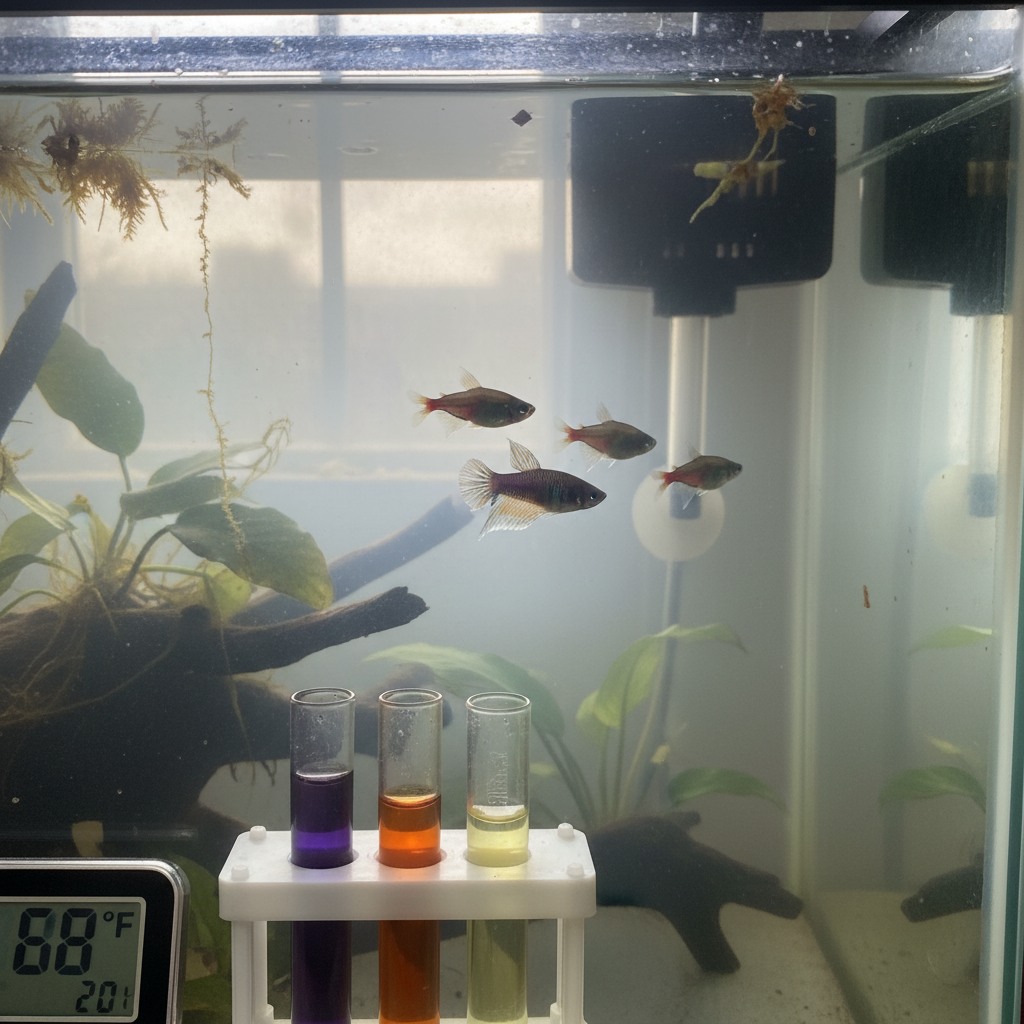
What Are Clamped Fins?
Clamped fins mean your fish is holding its dorsal, tail, and pectoral fins close to its body. Healthy fish usually have their fins spread wide, allowing them to move gracefully. When fins are clamped, the fish often looks stiff, moves less, and might just hover in one spot. This symptom rarely appears alone; it usually comes with other signs that something is off. Observing this behavior early can help identify underlying issues in your aquarium. When the signs overlap, 20 gallon fish tank gives a more focused next step.
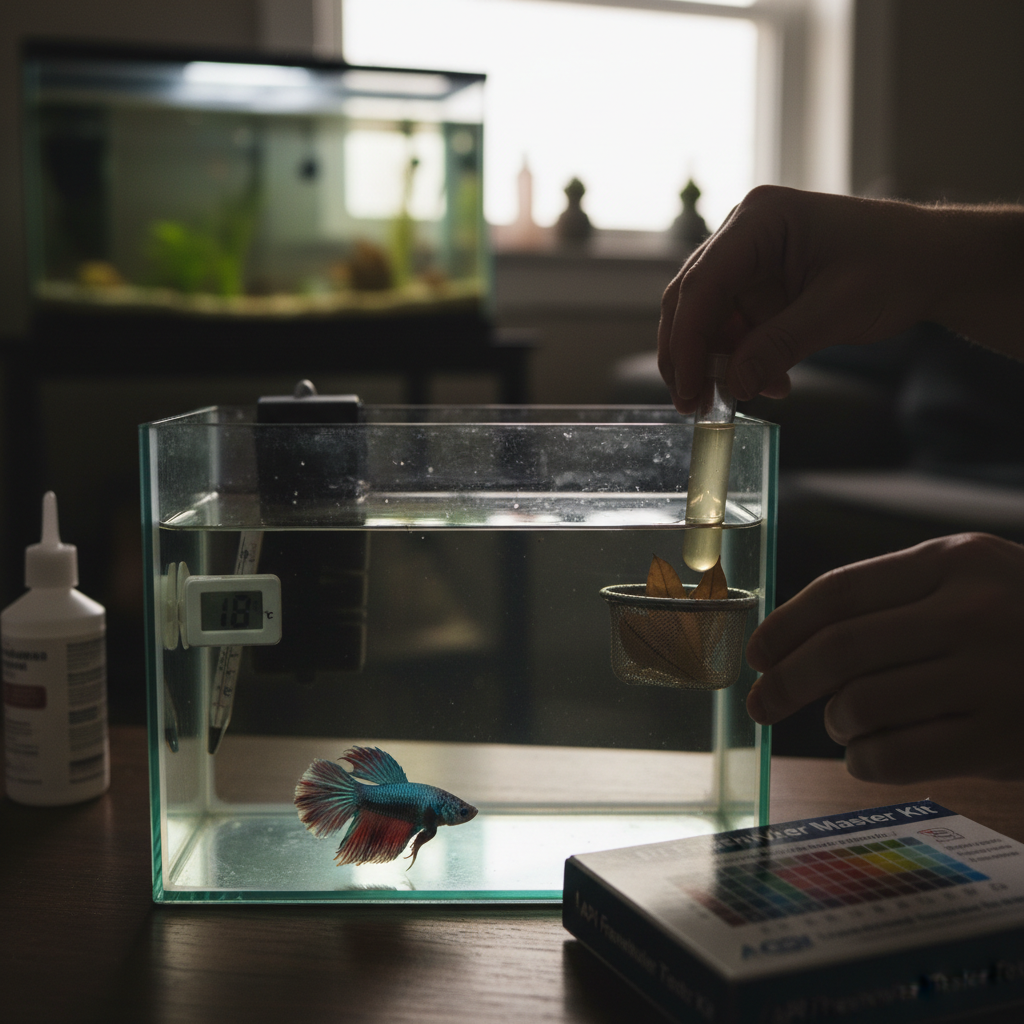
Why Do Fish Clamp Their Fins?
Clamped fins are a general symptom, meaning many different things can cause them. Here are the most common reasons:
Poor Water Quality
This is often the most frequent culprit. High ammonia, nitrite, or even consistently high nitrates can irritate a fish's gills and skin, leading to stress and clamped fins. Sudden shifts in pH or temperature can also trigger this. Always check your water parameters first. For example, if your ammonia levels are above 0 ppm, it's a clear sign of a serious problem. Our guide on aquarium ammonia poisoning explains how dangerous bad water can be.
Stress
Too many fish in the tank, aggressive tank mates, loud noises near the tank, or even lights that are too bright can stress out a fish, causing them to clamp their fins. A fish that feels unsafe will often clamp its fins as a way to protect itself. For more on this, see Fish Stress: Symptoms, Causes, and How to Calm Your Tank.
Disease and Parasites
Many fish diseases, both inside and out, can cause clamped fins. External parasites like Ich or velvet, bacterial infections, and even internal problems can make a fish feel unwell enough to clamp its fins. If you see white spots along with clamped fins, you might be dealing with Ich. For a good overview of symptoms, check out our Fish Disease Guide.
Temperature Fluctuations
Quick or significant changes in water temperature can shock fish and make them clamp their fins. Ensure your heater is working correctly and keeping the temperature steady.
New Environment
Fish that just moved into a new tank might clamp their fins as they get used to their new home. This stress usually goes away in a few days if the tank is set up well.
What to Do When Your Fish Has Clamped Fins
Seeing clamped fins means it's time to act. Here’s a practical approach:
- Test Your Water Parameters Thoroughly: Use a good liquid test kit to check ammonia, nitrite, nitrate, and pH. If any readings are off, perform a partial water change (25-50%) right away. Continue testing and do daily water changes if needed until everything is stable. Knowing what your test results mean is key; our Aquarium Water Test Strip Guide can help, though liquid kits are generally more accurate.
- Observe for Other Symptoms: Clamped fins are often just one piece of the puzzle. Look for other signs like sluggishness, not eating, fast breathing, visible spots, frayed fins, or swimming strangely. These extra symptoms will help you figure out the likely cause. For example, if you also see bulging eyes, consult Fish Pop-Eye: What to Do When Eyes Bulge.
- Review Tank Environment and Maintenance: Think about anything new or different lately. Did you add new fish? Are there any bullies in the tank? Is the tank too crowded? Make sure your filter is clean and that there's enough oxygen in the water. Sometimes, just improving the general tank conditions can reduce stress.
- Consider Disease Treatment if Other Causes are Ruled Out: If your water parameters are perfect, and you've addressed all environmental stressors, but the clamped fins persist and other disease symptoms appear, you might need to treat for a specific illness. Always research treatments carefully and follow the directions exactly. For more information on common fish diseases, you can consult resources like the MSD Veterinary Manual on common aquarium fish diseases. If you're struggling to identify the cause or are unsure about the next steps, consider using a diagnostic tool like the AquaShelter diagnostic tool.
Preventing Clamped Fins
The best way to avoid clamped fins is to be consistent with your aquarium care. Maintain excellent water quality with regular water changes and parameter checks. Do not overcrowd your tank, provide a stable environment with good hiding spots, and introduce new fish slowly after proper quarantine. A healthy, stable environment is the best defense against stress and illness.
Use AquaShelter before you guess
If you are not sure whether the symptoms are coming from disease or water quality, try the AquaShelter diagnosis check before choosing a treatment.
Open the diagnosis checkDisclaimer: AquaShelter helps with triage and safer decisions, but it does not replace a qualified aquatic veterinarian.
FAQ
Are clamped fins always a sign of a serious disease?
Not always, but they always mean your fish is distressed. While they can point to a serious illness, they're also commonly caused by poor water quality or general stress. It's a warning sign that you need to investigate.
Can a new fish have clamped fins just from being in a new tank?
Yes, it's common for new fish to clamp their fins because of the stress of being moved and adjusting to a new tank. This usually goes away within a few days if the tank conditions are good and the fish feels safe.
What water parameters should I check first if my fish has clamped fins?
You should immediately check ammonia, nitrite, nitrate, and pH. These are the most common water quality problems that cause stress and irritation, leading to clamped fins.
Can clamped fins be a sign of internal parasites?
Yes, while often linked to external issues, internal parasites can make a fish feel unwell enough to clamp its fins. If water quality is perfect and no external signs are present, internal issues should be considered, especially if the fish also shows signs of wasting or abnormal feces.