
Editorial process: The AquaShelter editorial team prepares this guide with AI-assisted drafting and automated checks for sources, safety, structure, images, and duplication. It is educational content, not a veterinary diagnosis.
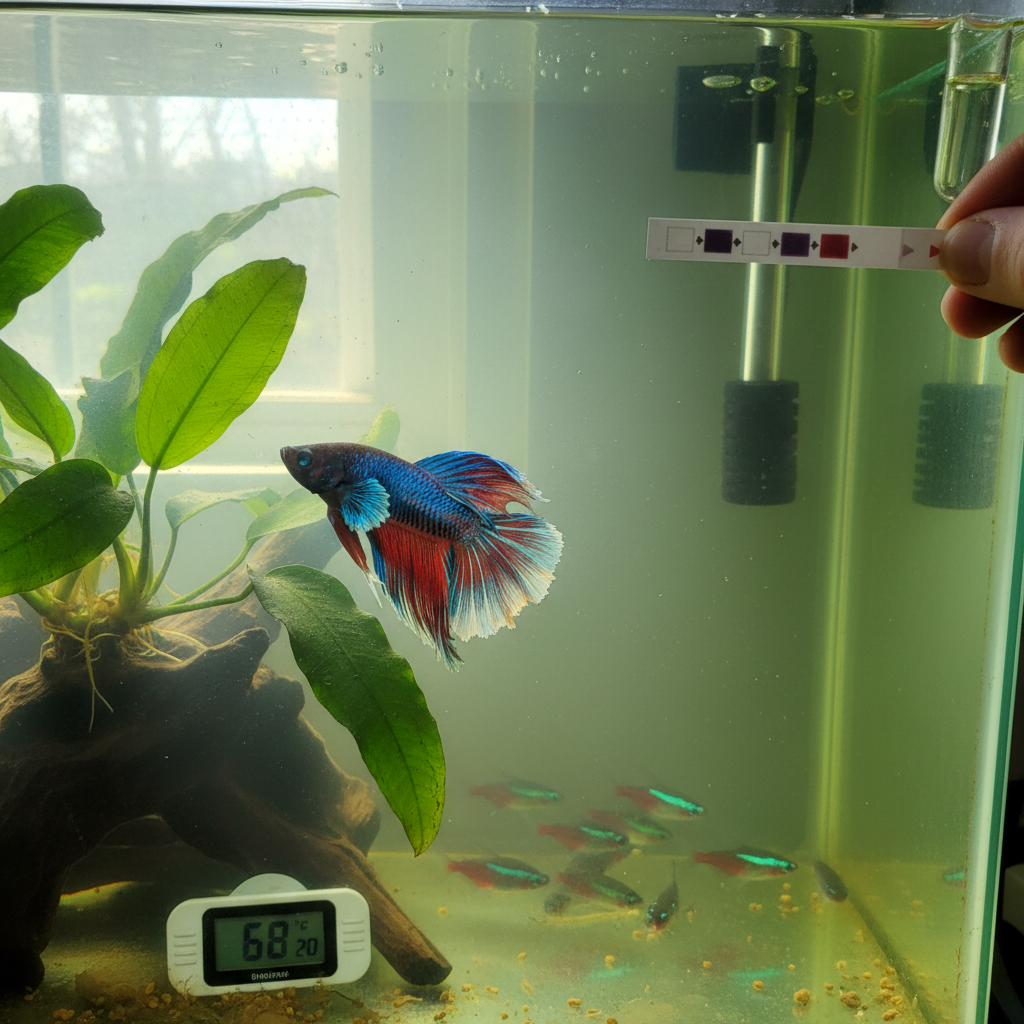
What is Fish Lethargy and Hiding?
Lethargy in fish means they're unusually inactive, slow-moving, or just seem to lack energy. Instead of swimming around, they might hang out near the bottom, stay still in one spot, or spend a lot of time hiding. While some fish species are naturally less active, a noticeable change in your fish's typical behavior is a red flag. Increased hiding, especially for fish that are usually out and about, also signals distress. Understanding why your fish might be acting this way is the first step to getting them back to health. When the signs overlap, fish pop-eye gives a more focused next step.
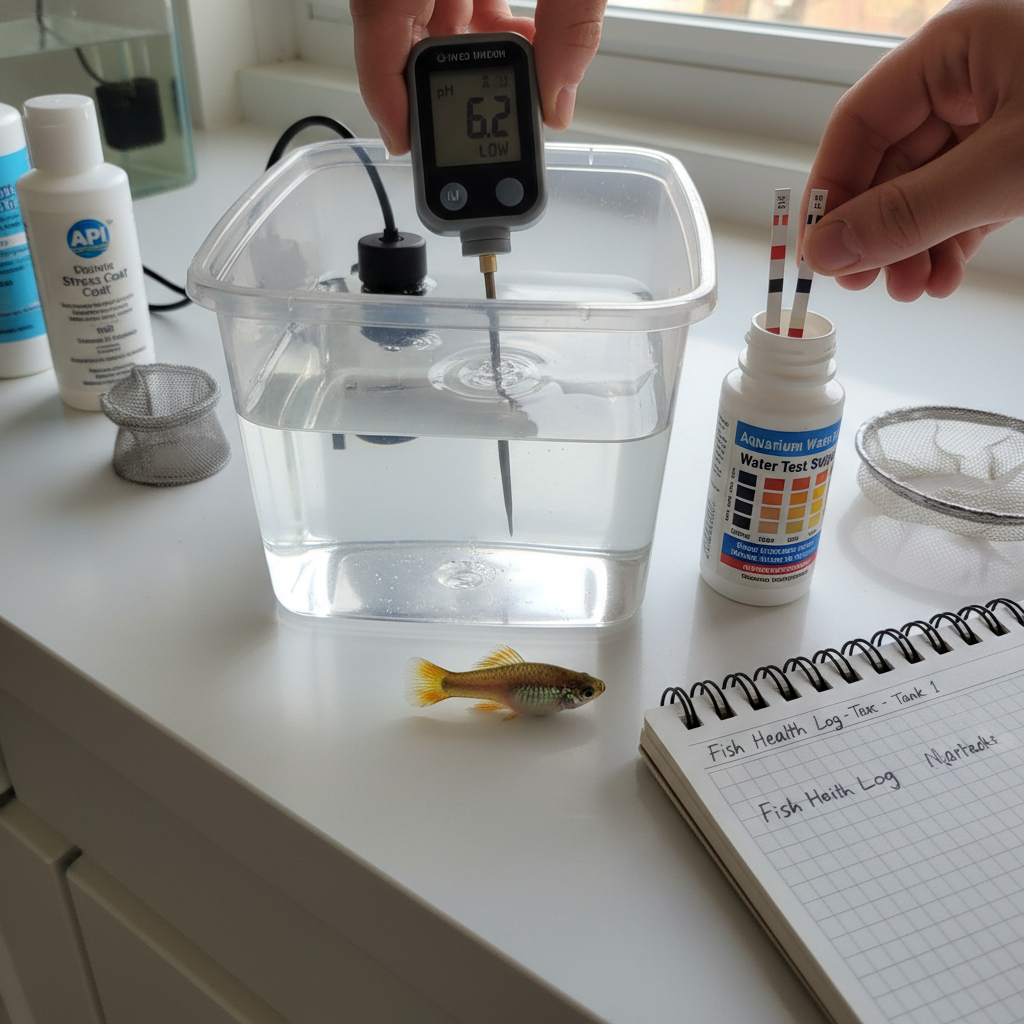
Immediate Steps When Your Fish Is Lethargic or Hiding
When you notice these changes, it's time to investigate. The first thing to check is your aquarium's water quality. Poor water conditions are the most common culprits behind fish lethargy and increased hiding. Grab your test kit and check ammonia, nitrite, and nitrate levels. Also, confirm your water temperature is within the appropriate range for your fish species. If any of these parameters are off, even slightly, it can significantly impact your fish's well-being. For example, if your ammonia is elevated, even a small amount, your fish will feel it and likely become lethargic. A partial water change is often the quickest way to address minor water quality issues and can provide immediate relief. For more on this, see our guide on Aquarium Ammonia Poisoning.
While you're checking the water, take a moment to observe your fish closely. Are there any visible spots, frayed fins, or unusual growths? Is it breathing heavily? Is it still eating, or refusing food? These details, combined with your water test results, will help you narrow down the potential causes. For a more guided approach to understanding symptoms, consider using our fish symptom checker.
Common Reasons for Lethargy and Hiding
Several things can make a fish become lethargic or hide more than usual:
- Poor Water Quality: This is often the first thing to check. High levels of ammonia, nitrite, or even elevated nitrates can make fish feel terrible, leading to sluggishness and a desire to hide. Low oxygen levels can also make them slow down. Always test your water parameters first.
- Stress: Fish are sensitive. Stress from too many fish in the tank, aggressive tank mates, sudden changes in lighting, or even an improper diet can lead to lethargy and hiding. A fish that feels threatened will often look for a safe spot. Learn more about Fish Stress.
- Disease and Parasites: Many illnesses, both inside and out, can make a fish lethargic. Parasites like Ich, bacterial infections, or internal organ issues can drain a fish's energy. If your fish is also not eating, it's a strong sign of illness. You can find more information on common diseases of aquarium fish from resources like the MSD Veterinary Manual.
- Temperature Issues: Water that's too cold can slow down a fish's metabolism, making it lethargic. On the other hand, water that's too warm can reduce oxygen levels and also cause distress.
- New Environment: Fish recently added to a new tank might be lethargic and hide more as they get used to their new home. This is usually temporary if the tank is set up well.
- Old Age: Just like us, older fish might naturally become less active and spend more time resting.
What to Do When Your Fish Is Lethargic or Hiding
Once you've checked your water parameters and made any necessary adjustments, continue your investigation:
Review Your Tank Environment and Tank Mates
Think about anything in the tank that could be causing stress. Is there enough cover? Are any fish picking on others? Is the tank too crowded? Make sure the lighting cycle is appropriate and consistent. Sometimes, just moving decorations around or adding more plants can reduce stress. For example, if you've just added a new, boisterous cichlid to a tank of peaceful community fish, and now your previously outgoing neon tetras are constantly hiding behind the heater, the cause is likely stress from aggression. In this scenario, medication isn't the answer; rehoming the aggressive fish or providing more hiding spots would be.
Check for Enough Oxygen
If your fish are also gasping at the surface, low oxygen is a likely problem. Make sure your filter is creating good surface agitation, or add an air stone to boost oxygen levels. You can learn more about fish gasping at the surface.
Look for Other Symptoms
Lethargy and hiding often come with other signs of illness. Look for visible spots, frayed fins, cloudy eyes, rapid breathing, or changes in how they eat. These extra symptoms can help you figure out the root cause. For a broader understanding of fish health issues, consult our Fish Disease Guide.
Preventing Lethargy and Hiding
Being proactive is the best prevention. Keep your water quality excellent with regular water changes and consistent parameter monitoring. Provide a stable, enriching environment with appropriate hiding spots and compatible tank mates. Feed a varied, high-quality diet, and avoid sudden changes to the tank. A well-maintained, stress-free aquarium is key to keeping your fish active and healthy.
Use AquaShelter before you guess
If you are not sure whether the symptoms are coming from disease or water quality, try the AquaShelter diagnosis check before choosing a treatment.
Open the diagnosis checkDisclaimer: AquaShelter helps with triage and safer decisions, but it does not replace a qualified aquatic veterinarian.
FAQ
Is it normal for some fish to be less active?
Yes, some fish species are naturally more sedentary or nocturnal. However, if your fish's activity level significantly changes from its usual behavior, or if it's hiding more than normal for its species, it's a cause for concern.
Can overfeeding cause fish lethargy?
Indirectly, yes. Overfeeding leads to excess waste, which can quickly degrade water quality by increasing ammonia and nitrite. Poor water quality is a major cause of lethargy in fish.
My new fish is hiding and lethargic. Is this normal?
It can be. New fish often experience stress from transport and adjusting to a new environment, leading to temporary lethargy and hiding. Monitor them closely, ensure water quality is perfect, and provide plenty of hiding spots. If it persists beyond a few days or worsens, investigate further.
My fish is lethargic but still eating. Does that mean it's not serious?
While a fish still eating is generally a better sign than one refusing food, lethargy combined with eating can still indicate an underlying issue. It might suggest early stages of a disease, mild water quality stress, or even just a fish adjusting to a new environment. Continue monitoring water parameters closely and observe for any other subtle changes in behavior or appearance. Don't dismiss it, but also don't panic if they're still taking food.