
Editorial process: The AquaShelter editorial team prepares this guide with AI-assisted drafting and automated checks for sources, safety, structure, images, and duplication. It is educational content, not a veterinary diagnosis.
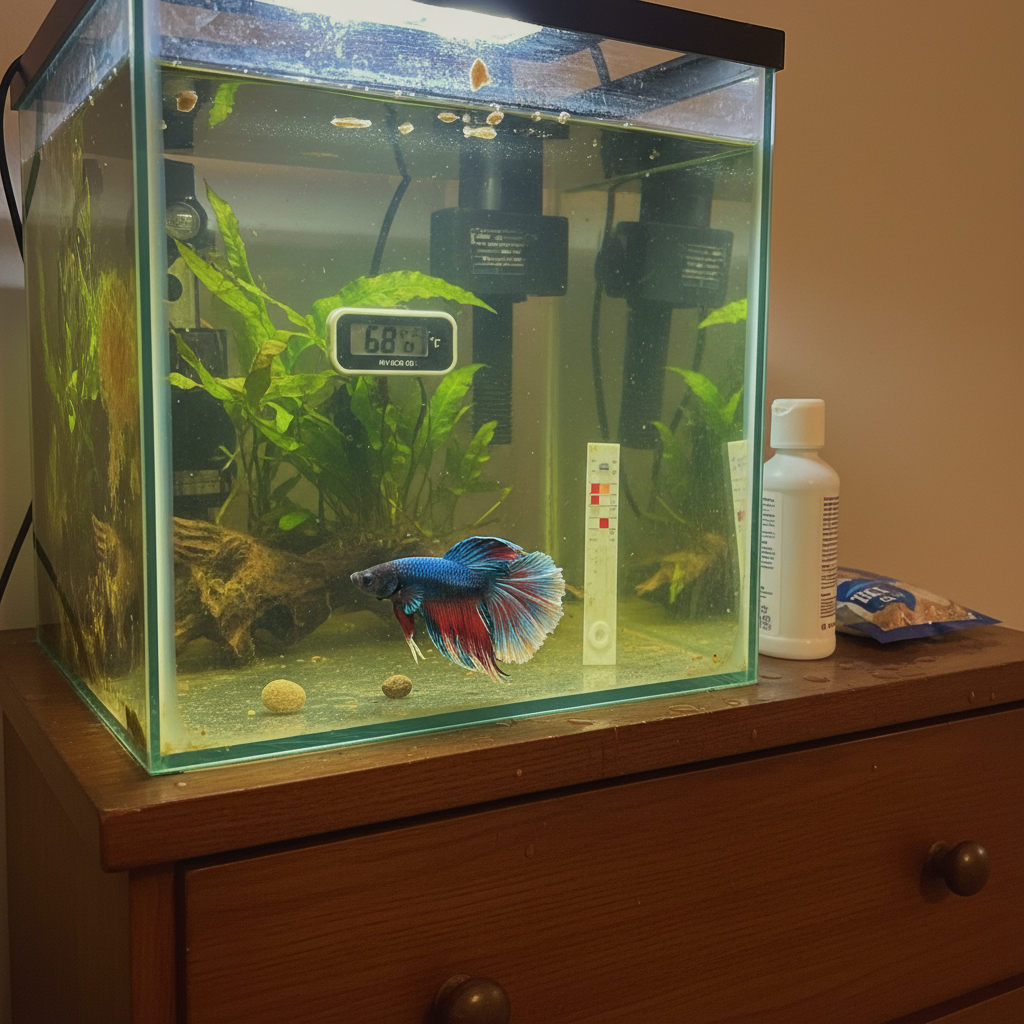
Fish skip meals for many reasons. A new fish may hide for a day. A bullied fish may avoid the feeding area. A cold tank can slow metabolism. But if appetite loss comes with gasping, clamped fins, flashing, weight loss, or sudden deaths, you need a structured check instead of waiting too long.
Start with the tank, not the food
Check temperature, filter flow, surface movement, and water-change history. If the tank is new, heavily stocked, overfed, or recently deep-cleaned, ammonia and nitrite become high-priority suspects. The University of Florida's ammonia guidance for aquaculture systems explains why water testing comes before guessing at a disease. Appetite loss with fast breathing should push you toward ammonia poisoning symptoms or oxygen risk before disease treatment.
Ask what changed
New fish, new food, new medication, new decor, a water change, a power outage, or a filter cleaning can all change behavior. A fish that stopped eating after transport may be stressed. A fish that stopped eating after a tankmate arrived may be bullied. A fish that stopped eating after water became cloudy may be reacting to water quality.
Look for disease clues
White dots can point toward ich, especially when the fish also scratches. Dust-like gold coating can point toward velvet. Ragged fins may suggest fin rot or nipping. A swollen belly, pineconing scales, or long-term weight loss is more serious. If the signs overlap, record the water readings and use the fish diagnosis checker before choosing a treatment. If fish are dying too, use the fish dying suddenly triage guide.
What to do today
- Remove uneaten food quickly.
- Check temperature and oxygen.
- Test ammonia and nitrite if possible.
- Offer a small amount of familiar food only after water risk is addressed.
- Watch whether the fish is being blocked from food by tankmates.
What to record over the next 24 hours
Write down the temperature, ammonia and nitrite results, when the fish last ate, what food was offered, breathing rate, waste appearance, and whether the fish approaches food then spits it out. Note if only one fish is affected or the whole tank has changed. This short record separates a shy or bullied fish from a tank-wide water problem and gives a veterinarian much better evidence if the condition worsens.
When waiting is no longer the safe option
Get qualified aquatic-veterinary help when appetite loss comes with severe weight loss, swelling, pineconing, ulcers, repeated vomiting or spitting, loss of balance, persistent rapid breathing, or more than one unexplained death. Isolate only when you can provide stable heat, filtration, and species-appropriate water; moving a weak fish into an uncycled container can create a second problem. Avoid mixing medications while the cause is still unclear.
When Your Betta Fish Isn't Eating
A betta fish not eating can be particularly concerning because these fish are often kept alone, making changes in their behavior more noticeable. While the general triage steps apply to all fish, bettas have specific needs and common issues that can lead to appetite loss. Their labyrinth organ allows them to breathe air from the surface, but it doesn't make them immune to poor water quality. In fact, bettas are often kept in small, unfiltered bowls where ammonia can quickly build to toxic levels, directly impacting their desire to eat.
Before assuming illness, consider recent changes. Did you just get your betta? Transport stress is common. Did you change its food? Bettas can be picky eaters, sometimes preferring live or frozen options over flakes or pellets. Is the water temperature stable and within their ideal range (75-82°F)? A cold betta will have a slow metabolism and reduced appetite. Observe your betta closely for other signs: clamped fins, lethargy, or unusual swimming patterns. These can point to underlying issues like fin rot, velvet, or internal parasites, which are common in bettas, especially those from pet store cups.
Addressing Betta-Specific Concerns
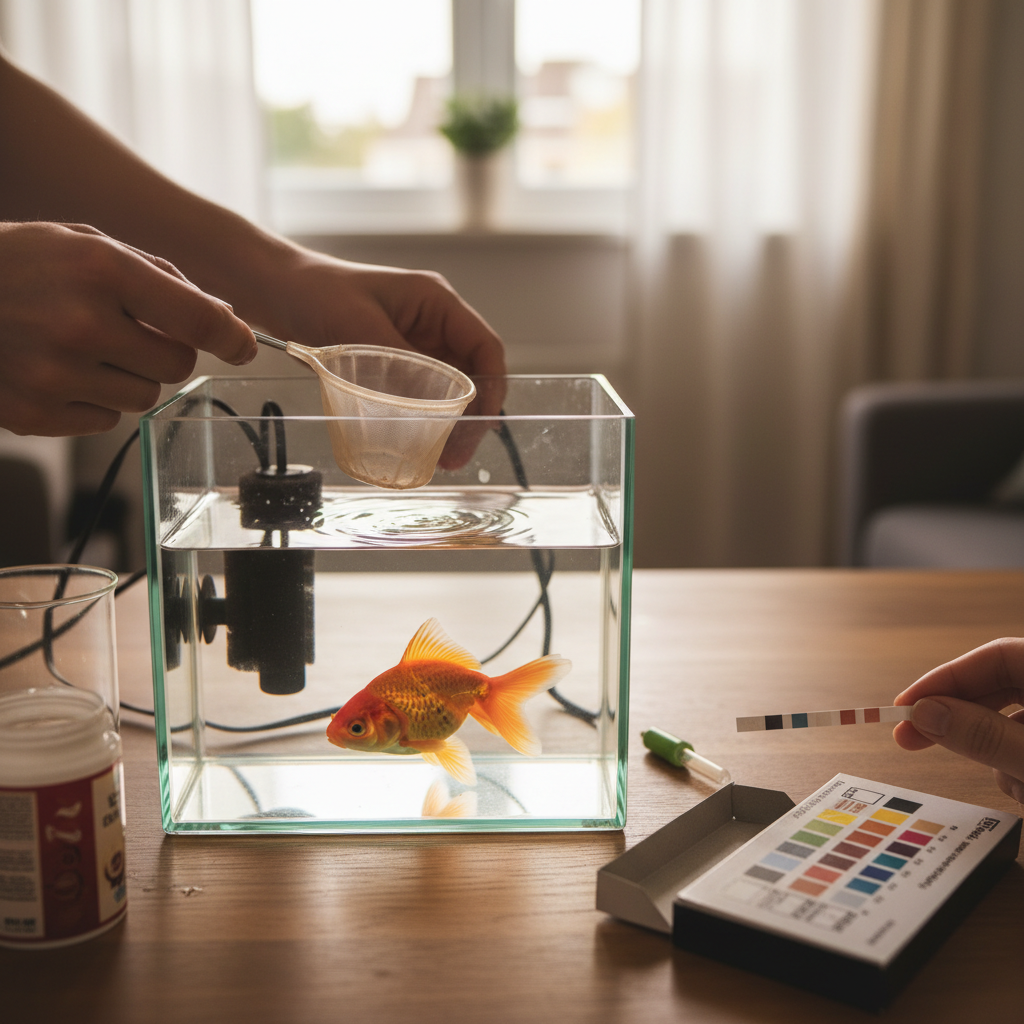
If your betta fish isn't eating, start by confirming water parameters. Ammonia and nitrite should be zero, and nitrates below 20 ppm. If you're using a small, unfiltered tank, daily partial water changes are critical. For filtered tanks, ensure the filter is clean and flowing properly. Offer a variety of high-quality betta-specific foods, such as small pellets, frozen bloodworms, or brine shrimp, to entice them. If they refuse, try soaking dried foods in garlic juice, which can act as an appetite stimulant. If water quality is good and varied food is offered, but your betta still refuses to eat and shows other symptoms, consult a resource like the Merck Veterinary Manual for general fish disease signs or use a fish symptoms checker to narrow down potential causes.
Use AquaShelter before you guess
If you are not sure whether the symptoms are coming from disease or water quality, try the AquaShelter diagnosis check before choosing a treatment.
Open the diagnosis checkDisclaimer: AquaShelter helps with triage and safer decisions, but it does not replace a qualified aquatic veterinarian.
FAQ
How long can a fish go without eating?
Many healthy adult fish can miss a short period of feeding, but appetite loss with breathing trouble, weight loss, or other symptoms needs faster triage.
Should I change food immediately?
Not before checking water and stress. Food changes can help later, but unsafe water can make any food irrelevant.
Is not eating always a disease sign?
No. It can be stress, temperature, bullying, acclimation, or water quality. Disease becomes more likely when other symptoms appear.