
Editorial process: The AquaShelter editorial team prepares this guide with AI-assisted drafting and automated checks for sources, safety, structure, images, and duplication. It is educational content, not a veterinary diagnosis.
What is Fish Tank Cycling?
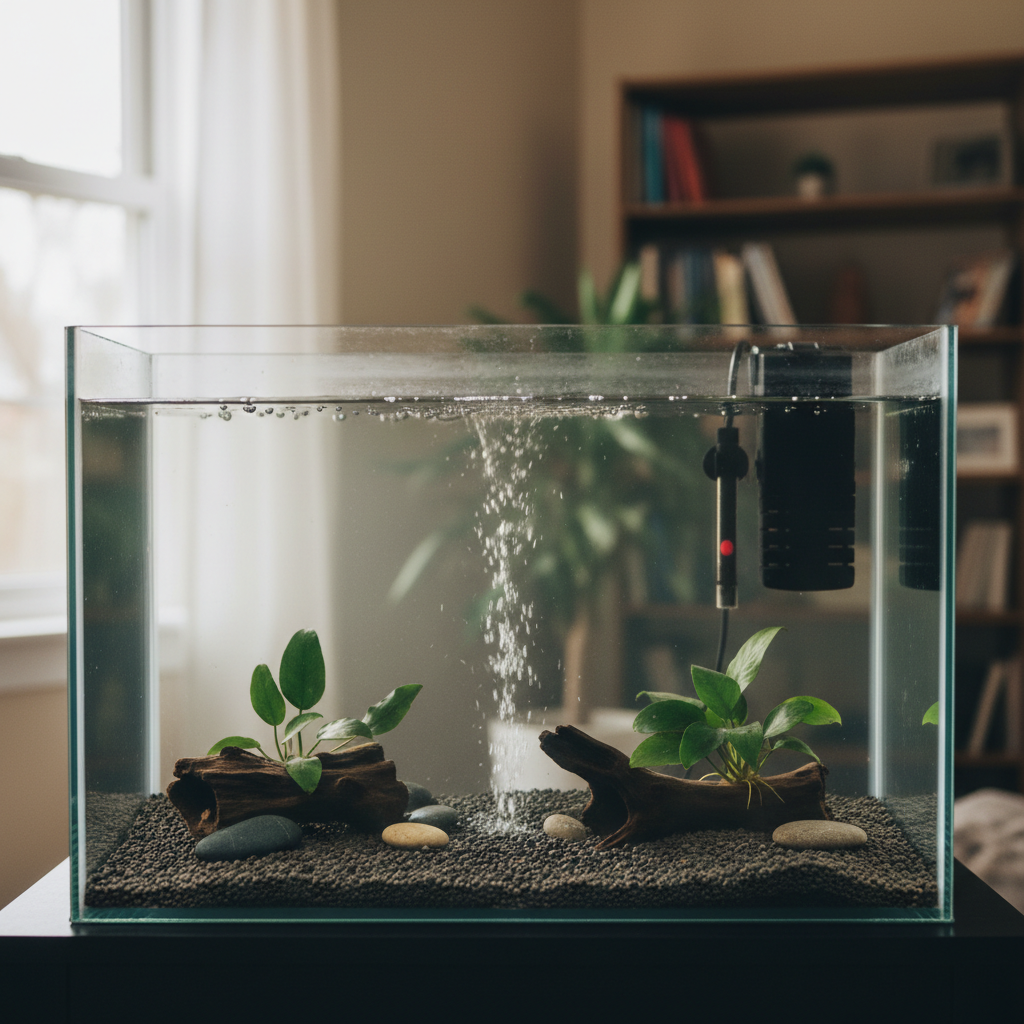
Fish tank cycling is the process of establishing a colony of beneficial bacteria within your aquarium's filter and substrate. These bacteria are essential because they break down harmful waste products from fish, uneaten food, and decaying plant matter. Without a properly cycled tank, these toxic compounds accumulate rapidly, leading to "new tank syndrome," which causes severe stress, illness, and can be fatal to fish. If this pattern matches your tank, compare it with aquarium water test strips before choosing the next step. A useful follow-up guide is beneficial bacteria aquarium if the tank history points that way.
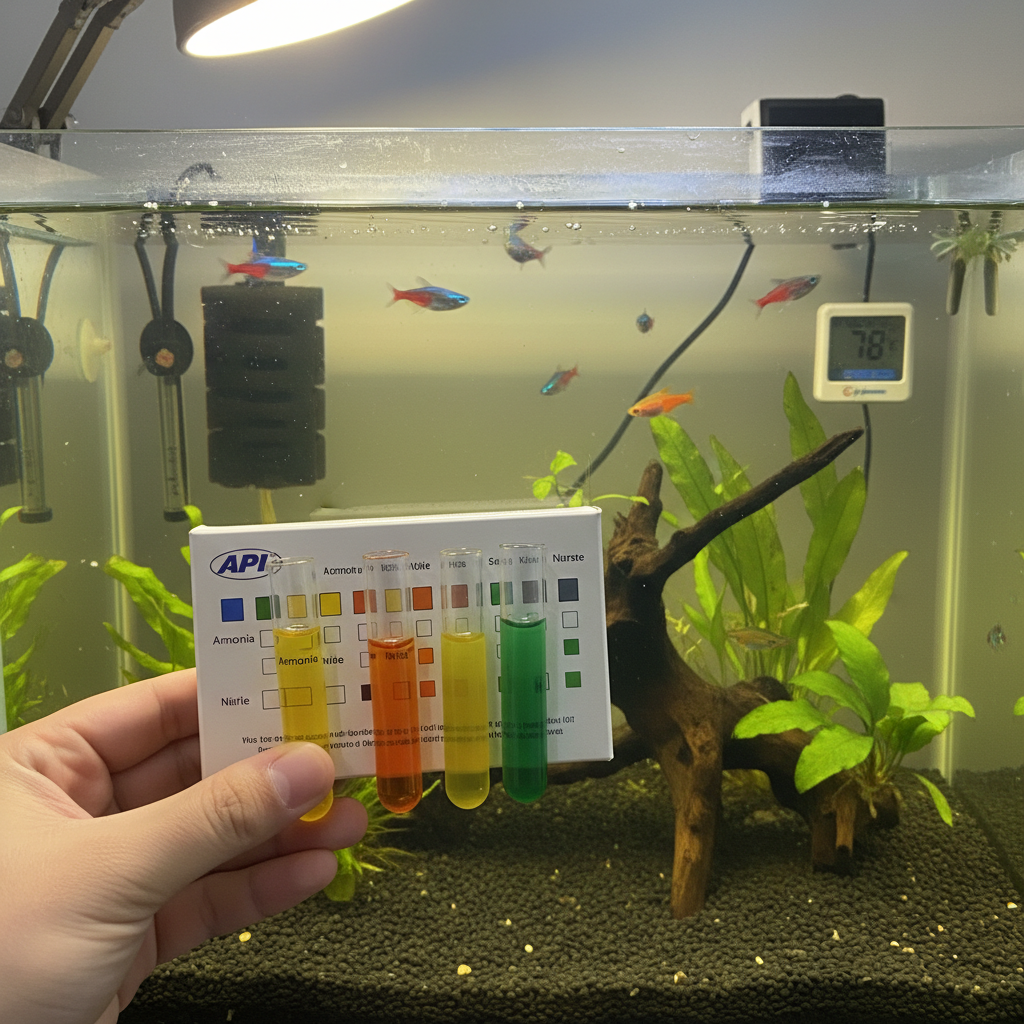
Think of cycling as building the biological filtration system your tank needs to process waste naturally. This system transforms toxic waste into safer compounds, keeping your water safe and your fish healthy.
Understanding the Aquarium Nitrogen Cycle
The nitrogen cycle is a natural biological process that converts toxic nitrogenous waste into less harmful forms. It involves three main stages, each facilitated by specific types of bacteria:
- Ammonia (NH3/NH4+): Fish waste, uneaten food, and decaying organic matter release ammonia. Ammonia is highly toxic to fish, even in small amounts.
- Nitrite (NO2-): A type of bacteria called Nitrosomonas converts ammonia into nitrite. While less toxic than ammonia, nitrite is still very dangerous to fish, impairing their ability to absorb oxygen.
- Nitrate (NO3-): Another type of bacteria, Nitrobacter, converts nitrite into nitrate. Nitrate is much less toxic to fish than ammonia or nitrite, but high levels can still cause stress and health issues. Regular partial water changes are necessary to remove accumulated nitrates.
This cycle is the foundation of a healthy aquarium. Without these bacteria, ammonia and nitrite would quickly reach lethal levels. For more details on how ammonia impacts aquatic life, you can refer to resources like the University of Florida IFAS Extension's guide on ammonia in aquatic systems.
Fishless Cycling: The Safer Method
Fishless cycling is the recommended method for establishing the nitrogen cycle because it doesn't expose fish to harmful ammonia and nitrite spikes. It is more humane and leads to a more stable tank from the start.
Steps for Fishless Cycling:
- Set up your tank: Install your filter, heater, substrate, and decor. Fill the tank with dechlorinated water.
- Add an ammonia source: Introduce ammonia to feed the beneficial bacteria. You can use pure ammonia solution (without surfactants or perfumes) to reach a concentration of 2-4 ppm. Alternatively, add a pinch of fish food daily or a small piece of decaying shrimp.
- Maintain temperature: Keep your heater set to a stable temperature, typically between 75-80°F (24-27°C), as warmer water helps bacteria grow faster.
- Test water regularly: Use an aquarium water test kit to monitor ammonia, nitrite, and nitrate levels daily or every other day.
- Watch for changes: Initially, ammonia will rise. Then, as Nitrosomonas bacteria grow, ammonia will drop, and nitrite will rise. Finally, as Nitrobacter bacteria establish, nitrite will drop, and nitrate will rise.
- Consider bacteria starters: To speed up the process, you can add a commercial bacteria starter culture. Some aquarists also use established filter media from a healthy, cycled tank (if you trust the source).
- Continue adding ammonia: Keep adding your ammonia source until both ammonia and nitrite consistently read 0 ppm, and you see nitrates present.
This process typically takes 2-6 weeks, but patience is key. Do not rush it.
Fish-In Cycling: Risks and Responsible Management
While strongly discouraged due to the significant stress and potential harm to fish, some aquarists may find themselves in a situation where fish-in cycling is their only option. This method is much harder on the fish and requires constant vigilance.
If you must do a fish-in cycle:
- Start with hardy fish: Choose only a few very hardy, small fish known to tolerate fluctuating water conditions.
- Stock lightly: Do not overstock. A single small fish in a 10-gallon tank is a good starting point.
- Test water daily: Monitor ammonia and nitrite levels multiple times a day.
- Perform frequent, small water changes: As soon as ammonia or nitrite levels rise above 0.25 ppm, perform a 25% water change using dechlorinated water. This dilutes the toxins but also removes some beneficial bacteria, prolonging the cycle.
- Feed sparingly: Overfeeding will quickly lead to dangerous ammonia spikes. Feed only tiny amounts, once a day, and remove any uneaten food immediately.
- Watch for fish stress symptoms: Look for clamped fins, gasping at the surface, lethargy, or hiding. These are signs your fish are suffering. If you observe these, consult a fish symptoms checker to help identify potential issues related to water quality.
AquaShelter strongly recommends fishless cycling. If you are experiencing fish stress or symptoms during a fish-in cycle, it indicates the water quality is poor.
Monitoring Your Tank's Cycle: Water Testing Essentials
Consistent water testing is the most critical part of cycling your tank. You will need a reliable liquid test kit that measures ammonia, nitrite, and nitrate. Test strips can give you a general idea, but liquid kits are more accurate for precise readings during cycling.
What to look for:
- Ammonia: Should rise, then drop to 0 ppm.
- Nitrite: Should rise after ammonia starts to drop, then fall to 0 ppm.
- Nitrate: Should start to appear and gradually increase as ammonia and nitrite are processed.
- pH: Keep an eye on pH, as it can fluctuate during cycling. Most freshwater fish prefer a stable pH between 6.5 and 7.5.
During the cycling process, you will see a clear progression of these parameters. If you are unsure about your readings, our aquarium water test strip guide can help you understand what the numbers really mean, even if you are using a liquid kit.
When is Your Fish Tank Fully Cycled?
Your fish tank is fully cycled and ready for fish when you consistently get the following readings for several days in a row:
- Ammonia: 0 ppm
- Nitrite: 0 ppm
- Nitrate: Present (any reading above 0 ppm)
Once these conditions are met, you can begin to add fish, but do so gradually. Add only a few fish at a time over several weeks to allow your beneficial bacteria colony to adjust to the increased bioload. Adding too many fish at once can overwhelm the system and cause a mini-cycle, leading to ammonia and nitrite spikes again.
Tips for a Successful and Faster Cycle
While cycling requires patience, there are ways to encourage the process:
- Use a bacteria starter: Commercial products containing live nitrifying bacteria can significantly shorten the cycling time.
- Established filter media: If you have access to filter media from a healthy, established aquarium (from a trusted source), you can add it to your new filter. This introduces a ready-made colony of beneficial bacteria.
- Maintain stable temperature: Keep your heater at the optimal temperature for bacterial growth (75-80°F or 24-27°C).
- Good aeration: Ensure your filter provides good surface agitation or add an air stone. Oxygen is crucial for nitrifying bacteria.
- Live plants: Live plants can help consume some nitrates and even a small amount of ammonia, contributing to overall water quality.
- Dechlorinator: Always use a good quality dechlorinator when adding new water to remove chlorine and chloramines, which are harmful to beneficial bacteria.
Troubleshooting Common Cycling Problems
Sometimes, the cycling process does not go as smoothly as planned. Here are some common issues and what to do:
- Stalled cycle: If ammonia or nitrite levels remain high for an unusually long time (e.g., several weeks without a drop), your cycle might be stalled. Check your pH (very low pH can inhibit bacteria), temperature, and ensure you are not using any chemicals that kill bacteria.
- Persistent ammonia/nitrite: This usually means your bacterial colony is not large enough yet. Continue with your ammonia dosing (if fishless) or water changes (if fish-in) and consider adding more bacteria starter. If you notice fish gasping at the surface, it could indicate high ammonia or nitrite.
- Cloudy water: A bacterial bloom can cause cloudy water during cycling. This is usually harmless and will clear on its own as the cycle progresses.
If you encounter persistent water quality issues or notice your fish showing signs of distress, AquaShelter's diagnosis checker can help you pinpoint the problem and guide you to safer next steps. When considering any additives or treatments during cycling, especially if you have fish, always check their compatibility with beneficial bacteria. Our aquarium treatment safety checker can help you verify if a product is safe for your tank's biological filter.
Proper cycling is the foundation of a healthy aquarium, and taking the time to do it right will save you a lot of headaches and heartache in the long run.
Understanding Your Fish's Experience During Cycling
When you're cycling a fish tank, remember that the process directly impacts the living creatures within it. Even in fish-in cycling, where fish are present from the start, their well-being is paramount. The fluctuating levels of ammonia and nitrite, while necessary for establishing beneficial bacteria, are highly toxic to fish. This exposure can lead to severe stress, weakened immune systems, and even death if not managed carefully. Observing your fish for subtle changes in behavior or appearance is your first line of defense against these invisible threats. Look for signs like rapid gill movement, lethargy, clamped fins, or a loss of appetite, which can all indicate distress from poor water quality.
Proactive Steps for Fish Health
To minimize stress and protect your fish during cycling, consistent and accurate water testing is non-negotiable. Use a reliable liquid test kit to monitor ammonia, nitrite, and nitrate levels daily. If ammonia or nitrite levels rise above 0.25 ppm, immediate action is required. A partial water change (25-50%) can dilute toxins, providing temporary relief. Always ensure the new water is dechlorinated and temperature-matched to avoid further shock. Additionally, avoid overfeeding, as uneaten food quickly decomposes and adds to the ammonia load. For a deeper dive into how ammonia specifically harms aquatic life, the University of Florida IFAS Extension's guide on ammonia in aquatic systems offers valuable insights. If you notice any concerning symptoms in your fish, don't hesitate to consult a fish symptoms checker to help identify potential issues and guide your next steps.
Maintaining stable water parameters, even during the turbulent cycling phase, is key to a successful and humane process. Patience is also a virtue; rushing the cycle can have dire consequences for your fish. By prioritizing their health through diligent monitoring and timely interventions, you ensure they endure the cycling process with the best possible chance of thriving in their new, biologically mature home.
Use AquaShelter before you guess
If you are not sure whether the symptoms are coming from disease or water quality, try the AquaShelter diagnosis check before choosing a treatment.
Open the diagnosis checkDisclaimer: AquaShelter helps with triage and safer decisions, but it does not replace a qualified aquatic veterinarian.
FAQ
What is fish tank cycling and why is it important?
Fish tank cycling is the process of establishing beneficial bacteria in your aquarium that convert toxic fish waste (ammonia and nitrite) into less harmful nitrates. It's essential to prevent "new tank syndrome" and ensure a healthy, stable environment for your fish.
How long does it take to cycle a fish tank?
A fishless cycle typically takes 2 to 6 weeks, but it can vary depending on factors like temperature, water parameters, and whether you use bacteria starters. A fish-in cycle can take longer and is much more stressful for the fish.
How do I know when my fish tank is fully cycled?
Your tank is fully cycled when you consistently get 0 ppm ammonia, 0 ppm nitrite, and a detectable level of nitrate for several consecutive days using a reliable liquid test kit. This indicates that your beneficial bacteria colony is established and processing waste effectively.
Can I cycle a fish tank with fish in it?
While possible, fish-in cycling is strongly discouraged because it exposes fish to harmful levels of ammonia and nitrite, causing significant stress and potential harm. Fishless cycling is the safer and more humane method.
What should I do if my cycle stalls?
If your cycle stalls (ammonia or nitrite remain high for weeks), check your pH (very low pH can inhibit bacteria), temperature, and ensure no chemicals are present that kill beneficial bacteria. You can also try adding a commercial bacteria starter to boost the process.