
Editorial process: The AquaShelter editorial team prepares this guide with AI-assisted drafting and automated checks for sources, safety, structure, images, and duplication. It is educational content, not a veterinary diagnosis.
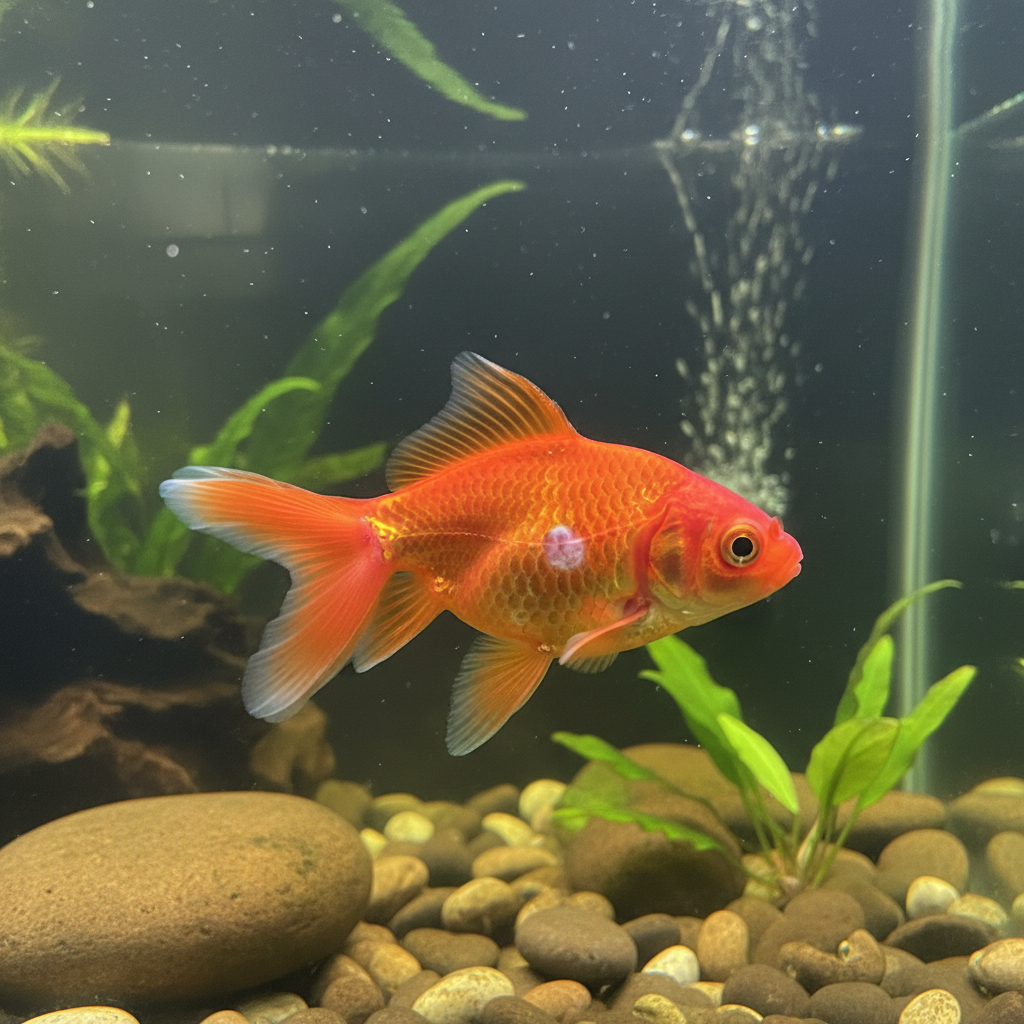
Why Are My Fish Losing Scales?
Fish scales are a protective layer, so when they start falling off, it indicates a breach in that defense. The most common reasons include physical trauma, stress from poor water conditions, or underlying disease. Understanding the cause is the first step toward helping your fish. For the related symptom path, use Fish Mouth Rot: Identify, Treat, and Prevent alongside the checks above. If this pattern matches your tank, compare it with betta fish diseases before choosing the next step.
Physical Injury and Aggression
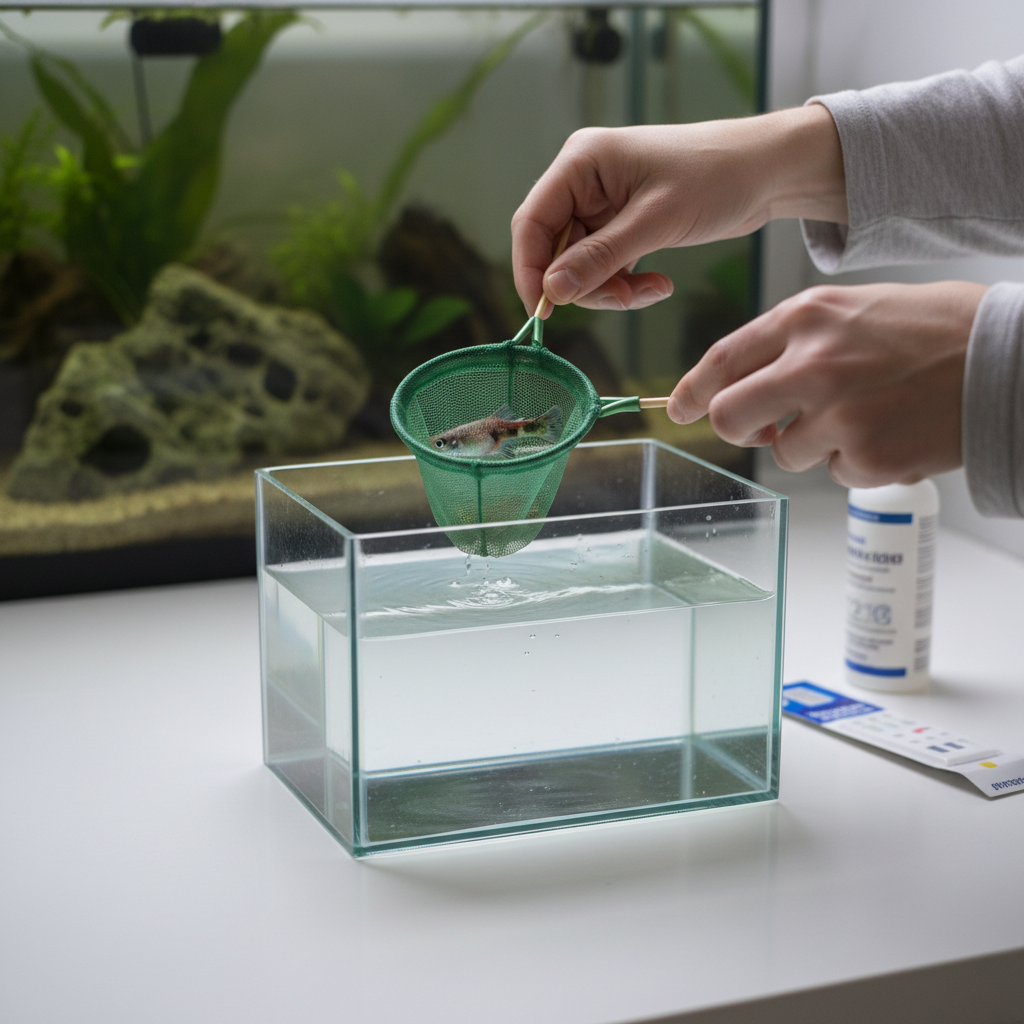
One of the simplest explanations for scale loss is physical injury. This can happen if a fish bumps into tank decor, gets caught in a filter intake, or is handled roughly during a tank transfer. Aggressive tank mates are another frequent culprit. If you have a territorial fish, it might nip at others, causing scales to be dislodged. Observe your tank for any signs of bullying or if your fish seems to be scraping itself against objects. Gentle handling during transfers can prevent physical injuries that lead to scale loss.
Poor Water Quality
Unhealthy water parameters are a major stressor for fish and can weaken their immune system, making them more susceptible to scale loss. High ammonia, nitrite, or nitrate levels, as well as incorrect pH or temperature, can directly irritate a fish's skin and lead to scales falling off. Always check your water parameters if you notice any health issues. Regular testing and logging are crucial for maintaining a stable environment. For example, if your ammonia is anything above zero, or nitrates are climbing past 20 ppm, that's your first problem to fix. Addressing water quality issues immediately can often halt further scale loss and give your fish a fighting chance to recover. You can track your water parameters over time using AquaShelter's tank history feature, which helps you spot trends before they become emergencies.
Bacterial Infections
Bacterial infections are a more serious cause of scale loss. These can manifest as red sores, ulcers, or a general deterioration of the skin and scales. Often, these infections are secondary to stress or injury, taking advantage of a weakened fish. Look for other symptoms like lethargy, clamped fins, or changes in appetite alongside the scale loss. For more information on bacterial issues, you might find our guide on Fin Rot Treatment helpful, as similar underlying causes can be at play.
What to Do When Your Fish Is Losing Scales
Once you've identified scale loss, immediate action can prevent the condition from worsening and help your fish heal. Your first priority is to assess the situation and stabilize conditions to prevent further stress or damage.
Check Water Parameters Immediately
Before anything else, grab your water test kit. High ammonia, nitrite, or nitrate levels, or even sudden pH swings, are common culprits behind scale loss. These parameters directly irritate a fish's skin and compromise their immune system. If you find any readings outside the safe zone, perform a partial water change immediately – typically 25-50% depending on the severity. Use a good quality water conditioner to neutralize chlorine and chloramines. While you're at it, check the water temperature; sudden fluctuations can also stress fish. Addressing water quality issues immediately can often halt further scale loss and give your fish a fighting chance to recover. For a deeper dive into understanding your water test results, refer to our Aquarium Water Test Strip Guide.
Observe and Isolate
While you're testing, take a moment to observe your fish closely. Are they flashing (rubbing against decor)? Are their fins clamped? Are there any other visible spots, growths, or discoloration? These additional clues will help narrow down the cause. If possible, move the affected fish to a separate quarantine tank. This reduces stress, prevents potential spread of disease (if infectious), and allows you to treat the fish more effectively without impacting the main tank's inhabitants or beneficial bacteria. Ensure the quarantine tank has stable water parameters and adequate filtration.
Consider Treatment Options
For minor injuries or stress-related scale loss, clean water and a stable environment are often enough for recovery. The scales will typically regrow over time. If a bacterial infection is suspected (e.g., red sores, spreading lesions), a broad-spectrum antibacterial medication may be necessary. Always follow the medication's instructions carefully and ensure it's safe for your specific fish species and tank setup. Consult with a knowledgeable aquarist or aquatic veterinarian if you're unsure about diagnosis or treatment. For more information on general fish health, you might find our Fish Disease Guide: Symptoms, Water Problems, and Safer Next Steps helpful.
Preventing Future Scale Loss
Prevention is always better than cure. A few proactive steps can significantly reduce the risk of your fish losing scales.
Maintain Stable Water Parameters
Regular water testing and consistent water changes are paramount. Aim for weekly or bi-weekly water changes, depending on your tank size and stocking density. Ensure your filtration system is adequate and well-maintained. You can use tools like AquaShelter's treatment safety checker to ensure any water additives or medications you consider are safe for your specific tank setup.
Choose Compatible Tank Mates
Research fish compatibility before adding new inhabitants to your tank. Avoid mixing aggressive species with docile ones, or fish with long, flowing fins with fin-nippers. Provide plenty of hiding spots and space to reduce territorial disputes. According to the University of Florida's IFAS Extension, proper stocking and species selection are key to preventing stress and aggression in aquariums. (Source: https://edis.ifas.ufl.edu/publication/FA100)
Handle Fish Carefully
When moving fish, use a soft net and minimize their time out of water. Avoid scraping them against the net or tank sides. If possible, use a container to transfer them rather than a net for less stress.
Understanding Your Fish's Scale Health
When you notice your fish losing scales, it's a clear signal that something in their environment or health needs attention. Scales are a fish's primary defense against infection and injury, so their loss can quickly lead to more serious problems. Instead of panicking, observe your fish and its tank environment closely. Is it just one fish, or are multiple fish affected? Are there other symptoms like clamped fins, lethargy, or changes in appetite? These details will help you narrow down the potential causes and decide on the best course of action.
Prioritizing Action for Scale Loss
The immediate steps you take can significantly impact your fish's recovery. First, test your water parameters (ammonia, nitrite, nitrate, pH, temperature) immediately. Poor water quality is a common stressor that can directly cause scale damage or weaken a fish's immune system, making it susceptible to other issues. If any parameters are off, perform a partial water change to stabilize the environment. Next, observe tank dynamics for aggression; sometimes, a new or dominant fish can cause physical injury. If you suspect a bacterial infection, characterized by red sores or ulcers, isolating the affected fish can prevent spread and allow for targeted treatment. For a deeper dive into fish health, the Merck Veterinary Manual offers comprehensive insights into fish disorders and diseases.
Consider the specific scenario: if your fish is rubbing against tank decorations, it might be a sign of parasites or irritation, not just physical trauma. If you've recently added new fish, they could be introducing stress or disease. Always quarantine new fish to prevent such issues. If you're unsure about the cause or treatment, using a tool like our Fish Symptoms Checker can guide you through potential diagnoses based on the symptoms you observe, helping you make an informed decision without delay.
Use AquaShelter before you guess
If you are not sure whether the symptoms are coming from disease or water quality, try the AquaShelter diagnosis check before choosing a treatment.
Open the diagnosis checkDisclaimer: AquaShelter helps with triage and safer decisions, but it does not replace a qualified aquatic veterinarian.
FAQ
Will my fish's scales grow back?
Yes, in most cases, if the underlying cause is addressed and the fish is healthy, scales will regrow. It might take several weeks to a few months, and the new scales might look slightly different initially.
Can scale loss be contagious?
While scale loss itself isn't contagious, the underlying cause (like a bacterial infection) can be. This is why isolating the affected fish and improving water quality for the entire tank is important.
What if only a few scales are missing?
A few missing scales, especially if isolated to one area, often point to a minor injury or a brief skirmish with another fish. Monitor closely, ensure good water quality, and the scales should regrow. If it spreads or other symptoms appear, investigate further.
Can a fish regrow lost scales?
Yes, in many cases, fish can regrow lost scales, especially if the underlying cause is addressed quickly and the fish is in good health. The new scales might appear slightly different in color or texture initially, but they usually blend in over time. Maintaining pristine water quality and a low-stress environment significantly aids in the healing and regrowth process.