
Editorial process: The AquaShelter editorial team prepares this guide with AI-assisted drafting and automated checks for sources, safety, structure, images, and duplication. It is educational content, not a veterinary diagnosis.
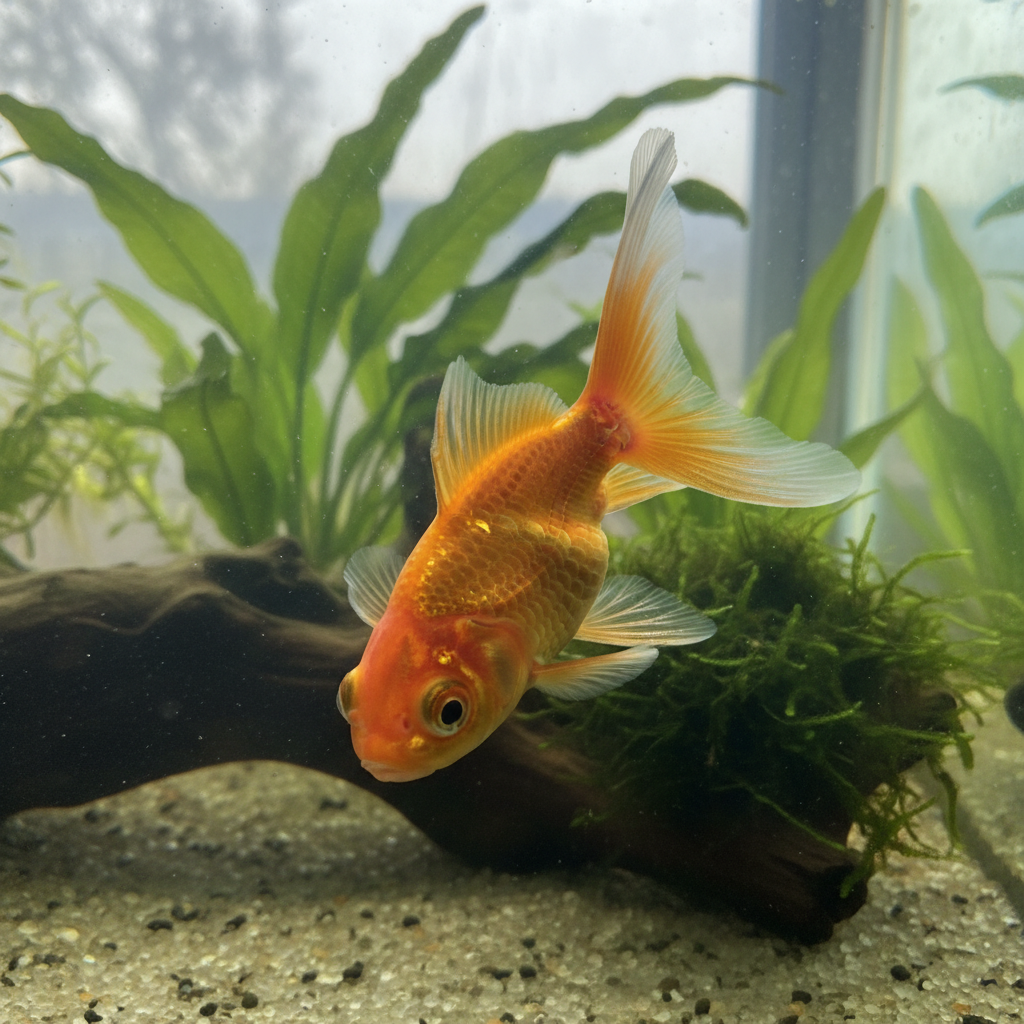
What to Do First When Your Fish Can't Swim Right
Seeing your fish struggle with buoyancy is alarming. Before you panic, take a deep breath and observe. Is it a sudden onset, or has it been gradual? Is the fish still eating, or is it lethargic? Your immediate actions can make a significant difference. Start by isolating the affected fish if possible, especially if you suspect an infectious cause, to prevent potential spread to tank mates. A small, clean quarantine tank with established water parameters is ideal for this. A useful follow-up guide is Fish Swimming Erratically: Why Your Fish Is Acting Jumpy if the tank history points that way. A useful follow-up guide is stressed betta fish symptoms if the tank history points that way.
Check Water Quality and Diet
The most common culprits for a fish losing balance often trace back to water quality or diet. Test your tank water immediately for ammonia, nitrite, and nitrate. Even if you perform regular water changes, a sudden spike can occur, especially if a fish has died unnoticed or if you've overfed recently. If parameters are off, perform a partial water change (25-50%) using dechlorinated water that matches the tank's temperature. You can learn more about this in our guide on aquarium ammonia poisoning.
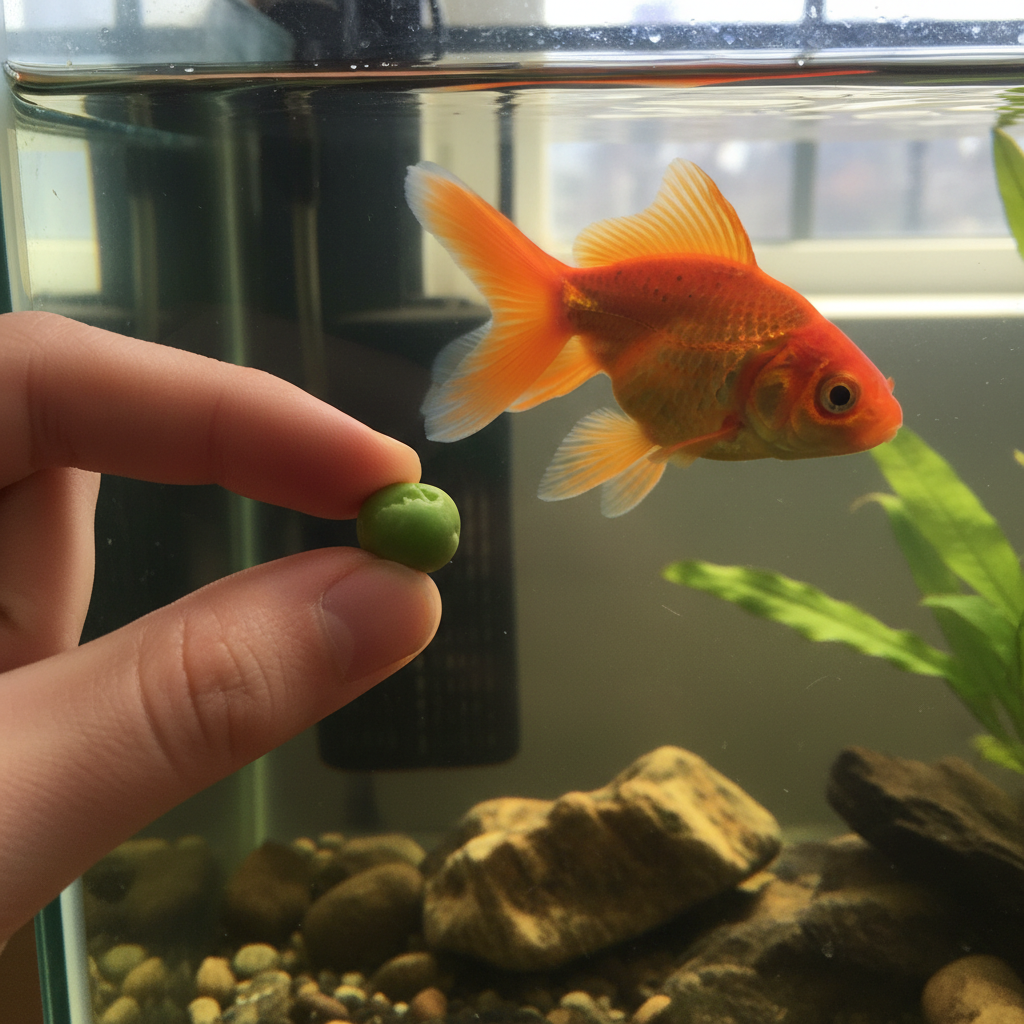
Next, consider your feeding routine. Are you overfeeding? Are you feeding high-quality, varied foods? For fish prone to constipation, like many fancy goldfish, try feeding a blanched, deshelled pea. This can act as a natural laxative and often resolves mild swim bladder issues caused by digestive blockages. Avoid dry flake food exclusively, as it can lead to gas and constipation.
If water parameters are pristine and diet adjustments don't yield quick results, consider other factors. Is there any visible bloating, clamped fins, or unusual growths? These could point to bacterial infections or internal parasites. Sometimes, simply reducing stress by dimming lights and ensuring a stable environment can help. If you're unsure about the next steps or if symptoms worsen, our fish symptom checker can help narrow down possibilities.
Understanding Why Your Fish is Losing Balance
Fish losing balance is a distressing sight for any aquarist. The swim bladder is the primary organ responsible for buoyancy, but other factors can impact a fish's ability to swim normally. Understanding the root cause is key to effective treatment.
Swim Bladder Issues
The swim bladder is an internal gas-filled organ that helps fish maintain buoyancy. When it malfunctions, your fish might struggle to stay upright. This can be caused by:
- Constipation: A common culprit, especially in round-bodied fish like fancy goldfish. Blocked digestive tracts can press on the swim bladder, affecting its function. Overfeeding, dry flake food, or a lack of fiber can contribute to this.
- Bacterial Infection: Infections can inflame the swim bladder, causing it to swell or become damaged. This often comes with other symptoms like lethargy or clamped fins.
- Physical Injury: Less common, but a severe impact or rough handling could potentially damage the swim bladder.
- Genetic Defects: Some fish are born with swim bladder deformities, making them prone to buoyancy issues throughout their lives.
The Merck Veterinary Manual offers more information on swim bladder disorders in finfish.
Poor Water Quality
Unstable or toxic water conditions can stress fish and lead to a variety of health problems, including loss of balance. High ammonia, nitrite, or nitrate levels, as well as incorrect pH or temperature, can weaken a fish's immune system and affect its neurological functions. For example, if your ammonia test reads above 0 ppm, it's a clear sign of poor water quality that needs immediate attention. You can learn more about this in our guide on ammonia emergency guide.
Internal Parasites or Infections
Beyond swim bladder-specific infections, other internal parasites or bacterial infections can cause systemic illness, leading to weakness and disorientation. If your fish is also showing other symptoms like rapid breathing, discolored gills, or wasting away, an internal pathogen might be at play. For a deeper dive into potential causes and treatments, consult a reliable resource like the MSD Veterinary Manual on Aquarium Fish Diseases.
Old Age or Genetic Factors
Just like any living creature, fish can experience age-related decline. Older fish might naturally develop weaker swim bladders or other health issues that affect their balance. Some species or individual fish may also have genetic predispositions to buoyancy problems.
Treatment Options for Fish Losing Balance
Once you have a better idea of the potential cause, you can consider specific treatments. Always follow product instructions carefully and consult with a knowledgeable aquarist or aquatic veterinarian if you're unsure.
For Suspected Constipation/Swim Bladder Issues
- Fasting and Peas: As mentioned, this is often effective for mild cases.
- Epsom Salt Baths: A short-term bath (not aquarium salt) can help reduce swelling and act as a muscle relaxant. Always follow product instructions for dosage and duration.
For Suspected Bacterial Infections
If water quality is good and other symptoms point to infection, a broad-spectrum antibacterial medication might be necessary. Look for medications designed for internal bacterial infections. Always use these in a hospital tank to protect your main tank's biological filter. For more information on fish diseases, you can refer to the Merck Veterinary Manual.
For Severe or Persistent Cases
If your fish doesn't improve with initial steps, or if the condition worsens, it might be time to consider more advanced diagnostics or humane euthanasia. Sometimes, despite our best efforts, a fish's condition is too far gone, or the underlying cause is untreatable.
Preventing Fish Losing Balance
Prevention is always better than cure. Here's how to minimize the risk of your fish developing buoyancy problems:
- Maintain Excellent Water Quality: Regular water changes, proper filtration, and consistent water parameter testing are paramount. Our guide on aquarium water test strip guide can help you understand your readings.
- Feed a Varied, High-Quality Diet: Avoid overfeeding. Offer a mix of flakes, pellets, frozen, and live foods. For fish prone to swim bladder issues, consider pre-soaking dry foods to prevent them from expanding in the fish's gut.
- Avoid Overcrowding: Too many fish in a tank leads to increased waste and stress, making fish more susceptible to disease.
- Quarantine New Fish: Always quarantine new fish for several weeks to ensure they are healthy before introducing them to your main tank.
By being proactive and attentive to your fish's needs, you can significantly reduce the chances of them experiencing the distressing symptom of losing their balance.
What to Do First When Your Fish Can't Swim Right
Seeing your fish struggle with buoyancy is alarming. Before you panic, take a deep breath and observe. Is it a sudden onset, or has it been gradual? Is the fish still eating, or is it lethargic? Your immediate actions can make a significant difference. Start by isolating the affected fish if possible, especially if you suspect an infectious cause, to prevent potential spread to tank mates. A small, clean quarantine tank with established water parameters is ideal for this.
Check Water Quality and Diet
The most common culprits for a fish losing balance often trace back to water quality or diet. Test your tank water immediately for ammonia, nitrite, and nitrate. Even if you perform regular water changes, a sudden spike can occur, especially if a fish has died unnoticed or if you've overfed recently. If parameters are off, perform a partial water change (25-50%) using dechlorinated water that matches the tank's temperature. Next, consider your feeding routine. Are you overfeeding? Are you feeding high-quality, varied foods? For fish prone to constipation, like many fancy goldfish, try feeding a blanched, deshelled pea. This can act as a natural laxative and often resolves mild swim bladder issues caused by digestive blockages. Avoid dry flake food exclusively, as it can lead to gas and constipation.
If water parameters are pristine and diet adjustments don't yield quick results, consider other factors. Is there any visible bloating, clamped fins, or unusual growths? These could point to bacterial infections or internal parasites. Sometimes, simply reducing stress by dimming lights and ensuring a stable environment can help. If you're unsure about the next steps or if symptoms worsen, our fish symptom checker can help narrow down possibilities. For a broader understanding of fish health issues, consult resources like the Merck Veterinary Manual.
Use AquaShelter before you guess
If you are not sure whether the symptoms are coming from disease or water quality, try the AquaShelter diagnosis check before choosing a treatment.
Open the diagnosis checkDisclaimer: AquaShelter helps with triage and safer decisions, but it does not replace a qualified aquatic veterinarian.
FAQ
Can a fish recover from swimming upside down?
Yes, many fish can recover from swimming upside down, especially if the cause is constipation or a mild swim bladder infection caught early. Prompt action, like fasting, feeding peas, and improving water quality, significantly increases the chances of recovery.
Is swim bladder disease contagious?
Swim bladder disease itself is not contagious, as it's a symptom rather than a disease. However, if the underlying cause is a bacterial or parasitic infection, that infection could potentially spread to other fish in the tank. It's always wise to isolate an affected fish if you suspect an infectious cause.
How do I know if my fish has swim bladder disease or something else?
Swim bladder issues primarily affect buoyancy, causing your fish to float, sink, or swim sideways/upside down. If your fish has other symptoms like fin rot, white spots, labored breathing, or body lesions, it might be a broader infection or water quality issue. Always check water parameters first, as poor water quality can mimic or exacerbate many fish health problems.
Can feeding dry flake food cause fish to lose balance?
Yes, feeding exclusively dry flake food can contribute to swim bladder issues and loss of balance, especially in round-bodied fish. Flakes can expand in the gut, causing gas or constipation that presses on the swim bladder. Soaking flakes before feeding or offering a varied diet including blanched peas can help prevent this.
Can a fish recover from losing balance on its own?
Sometimes, if the cause is minor like temporary constipation or a slight water parameter fluctuation, a fish can recover with minimal intervention. However, it's always best to investigate and address the underlying cause, as prolonged imbalance can lead to stress, secondary infections, and difficulty eating, which can be fatal.