
Editorial process: The AquaShelter editorial team prepares this guide with AI-assisted drafting and automated checks for sources, safety, structure, images, and duplication. It is educational content, not a veterinary diagnosis.
Is Your Fish Truly Dead? Confirming the Passing
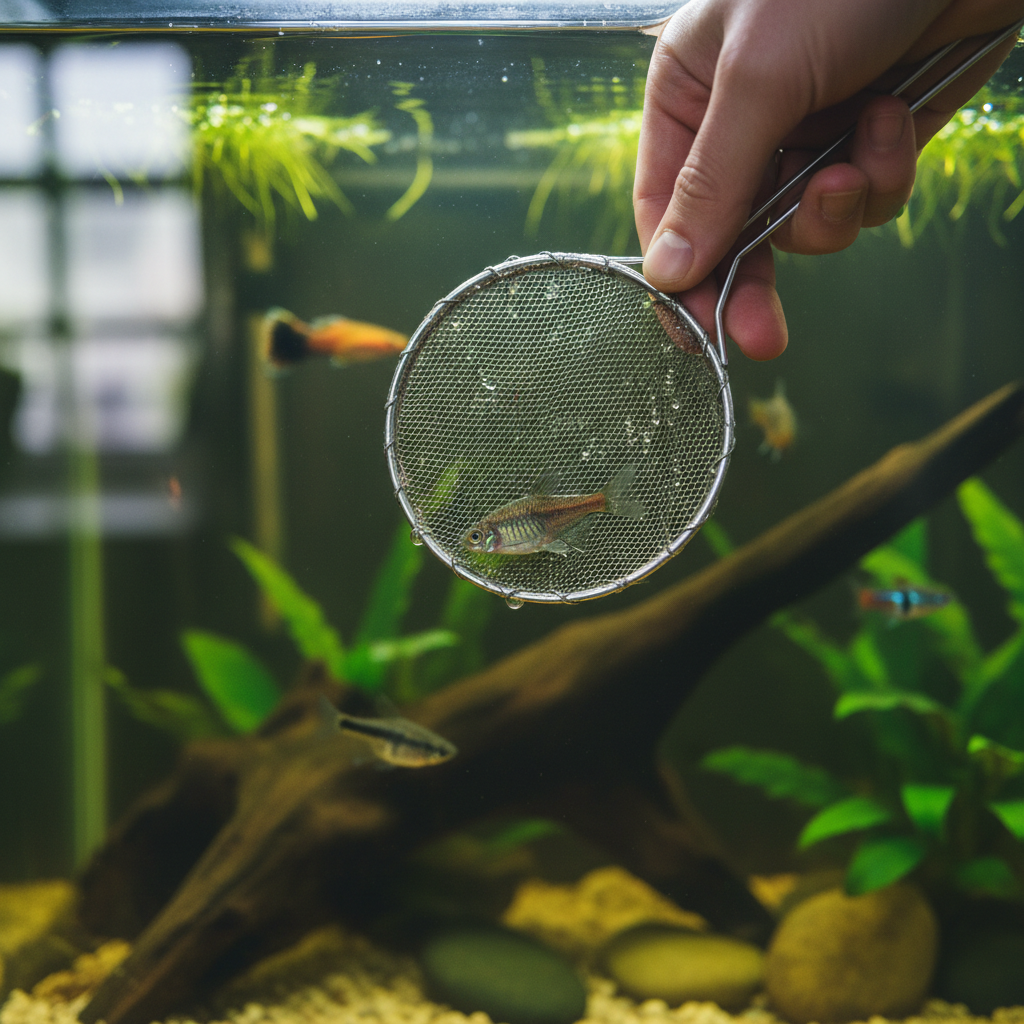
Sometimes, a fish might appear lifeless but is actually just resting or in a deep state of stress. Before taking any further steps, it's important to confirm that your fish has truly passed away. Look for a complete lack of gill movement; healthy fish gills will move rhythmically. Check for any eye response by gently moving the fish; a living fish will typically react. Gently touch the fish with a net or clean stick; a deceased fish will not respond or move away. If there's no reaction to these checks, it's likely your fish has died. A useful follow-up guide is fish mouth rot if the tank history points that way. A useful follow-up guide is overfeeding fish dangers if the tank history points that way.
Immediate Steps After Finding a Dead Fish
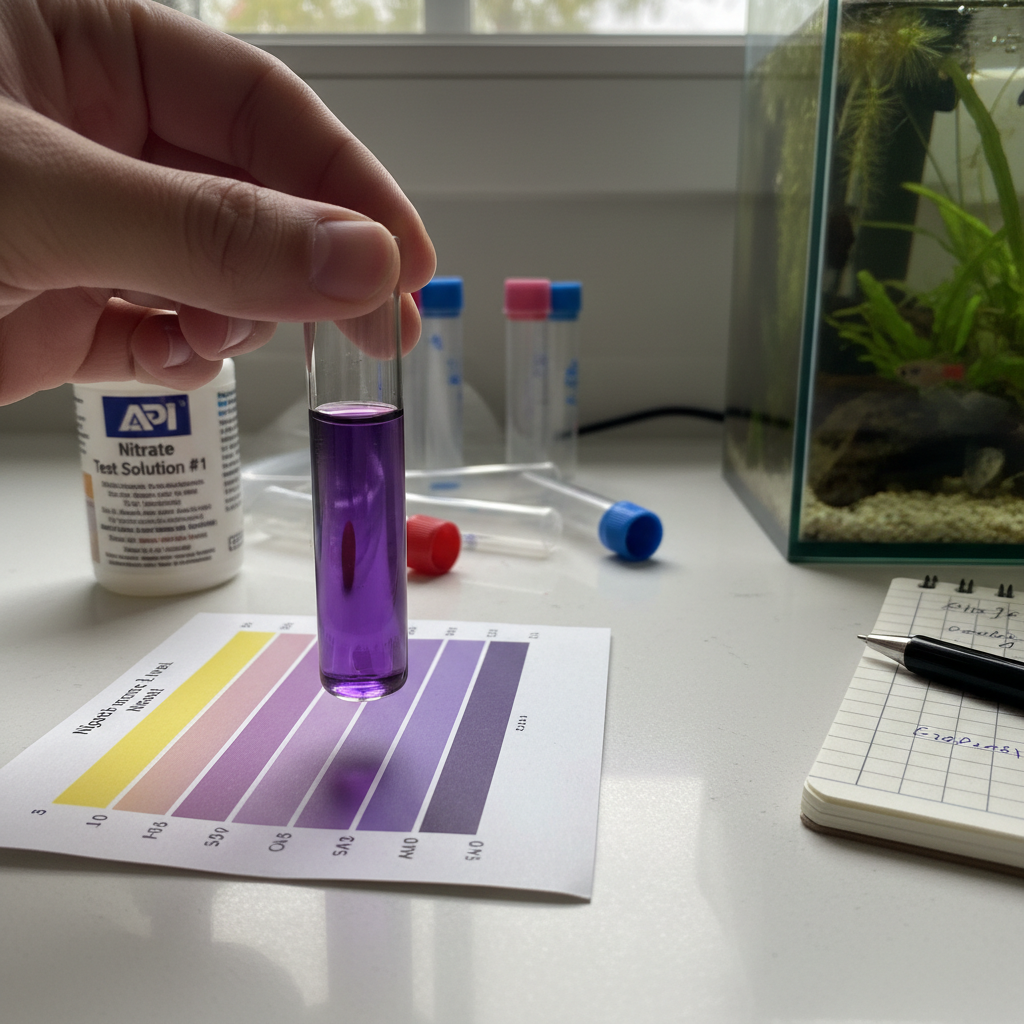
Once you've confirmed your fish has died, immediate action is crucial for the well-being of your other tank inhabitants. First, carefully remove the deceased fish from the aquarium using a clean net. This prevents decomposition, which can quickly foul your water and introduce harmful bacteria. Briefly inspect the body for any visible signs of disease, injury, or unusual growths; these clues can help you determine the cause of death. Next, perform an immediate water test. Check ammonia, nitrite, nitrate, and pH levels. These parameters are often the first indicators of a problem in the tank.
AquaShelter's Fish Symptoms Checker can help you quickly identify potential issues if you notice any unusual signs on your remaining fish after a death. Documenting your tank's history, including recent changes or additions, can also provide valuable insights.
Why Did My Fish Die? Investigating the Cause
Understanding why your fish died is key to preventing future losses. Most fish deaths can be traced back to a few common issues. Start by reviewing your recent water test results. High ammonia or nitrite levels are often lethal. Consider if there were any sudden changes in temperature or pH. Next, think about any new additions to the tank, such as new fish or plants, which could have introduced disease or stress. Observe your remaining fish closely for any signs of illness, such as white spots, fin rot, or unusual swimming patterns. Overfeeding, overcrowding, or a lack of proper tank cycling can also contribute to fish stress and death.
Water Quality: The Silent Killer
Poor water quality is a leading cause of fish death. Ammonia and nitrite are highly toxic to fish, even in small amounts. Ammonia is produced by fish waste and uneaten food, while nitrite is formed during the nitrogen cycle. High nitrate levels, though less immediately toxic, can also cause chronic stress and weaken a fish's immune system. Incorrect pH or sudden temperature fluctuations can also be fatal. Regular water changes and a properly cycled filter are essential for maintaining stable, healthy water parameters. If your water tests show imbalances, perform a partial water change immediately and retest.
For a detailed understanding of your water parameters, consult our Aquarium Water Test Strip Guide.
Disease and Parasites: Spotting the Signs
Many diseases and parasites can lead to fish death. Some common culprits include Ich (white spots), fin rot, dropsy (bloating with scales protruding), and various bacterial or fungal infections. Inspecting the deceased fish for these signs can provide crucial information. Also, pay close attention to your other fish. Are they showing similar symptoms? Are they lethargic, gasping, or rubbing against tank decor? Early detection of disease in remaining fish can allow for timely treatment. Remember that stress, often caused by poor water quality, can make fish more susceptible to illness.
Preventing Future Fish Deaths: A Proactive Approach
Preventing future fish deaths involves consistent care and proactive measures. Always cycle a new fish tank completely before adding fish; this establishes beneficial bacteria that process toxic waste. Avoid overstocking your aquarium, as this leads to increased waste and stress. Feed your fish a high-quality diet, but do not overfeed, as uneaten food decays and pollutes the water. Perform regular partial water changes and clean your filter media as needed. When introducing new fish, always quarantine them in a separate tank for several weeks to prevent the spread of potential diseases to your main display tank. Regularly check your equipment, such as heaters and filters, to ensure they are functioning correctly.
Understanding fish stress symptoms can help you intervene before minor issues become fatal.
Safe and Respectful Disposal of Your Deceased Fish
After a fish dies, proper disposal is important for hygiene and to prevent the spread of potential diseases. Never flush a deceased fish down the toilet. This can introduce pathogens into local waterways and cause plumbing issues. Environmentally friendly options include burying the fish in your garden, which returns nutrients to the soil, or placing it in a sealed plastic bag and disposing of it with household waste. If you suspect a specific disease, freezing the fish can preserve it for potential examination by an aquatic veterinarian, though this is rarely necessary for home aquarists.
Coping with the Loss of a Pet Fish
Losing a pet, even a fish, can be a sad experience, especially for children. It's okay to feel grief. Acknowledge the bond you had with your aquatic companion. If children are involved, talk openly about the death and help them understand the natural cycle of life. You might consider a small memorial, like planting a flower in the garden in memory of your fish. Allow yourself and your family time to process the loss before rushing to replace the fish. This helps foster a healthy perspective on pet ownership and responsibility.
Confirming Your Fish Has Passed On
It's natural to feel a mix of sadness and confusion when you find a fish unresponsive. Before you do anything else, take a moment to confirm your fish has truly died. Look closely for any gill movement; healthy fish gills will rhythmically open and close. Gently nudge the fish with a clean net or stick. A living fish, even a very sick one, will usually show some reaction or attempt to move. If there's no response to these gentle checks, it's likely your fish has passed. This confirmation helps you proceed with clarity, rather than acting on a false alarm.
Immediate Actions for Tank Health
Once you've confirmed the death, prompt action is important for the health of your other fish. Carefully remove the deceased fish from the aquarium using a clean net. This prevents decomposition, which can quickly release harmful ammonia and nitrites into the water, stressing or even killing your remaining tank inhabitants. Briefly inspect the body for any obvious signs like spots, growths, or injuries. These visual clues can be vital in understanding what might have gone wrong. For example, if you see white spots, it might point to Ich, a common parasitic infection.
Next, perform an immediate water test. Check ammonia, nitrite, nitrate, and pH levels. These parameters are often the first indicators of a problem in the tank and can reveal if poor water quality contributed to the death. Understanding these levels helps you decide on the next steps, such as a water change or adjusting your filtration. For more detailed guidance on fish health, the Merck Veterinary Manual offers comprehensive information on fish disorders and diseases. If you notice any unusual symptoms in your remaining fish, our Fish Symptoms Checker can help you identify potential issues quickly.
Use AquaShelter before you guess
If you are not sure whether the symptoms are coming from disease or water quality, try the AquaShelter diagnosis check before choosing a treatment.
Open the diagnosis checkDisclaimer: AquaShelter helps with triage and safer decisions, but it does not replace a qualified aquatic veterinarian.
FAQ
What should I do immediately after my fish dies?
Immediately remove the deceased fish from the tank, inspect it for any visible signs of illness or injury, and perform a full water test to check ammonia, nitrite, nitrate, and pH levels.
How do I know if my fish is truly dead?
Check for a complete absence of gill movement, no reaction from the eyes, and no response when gently touched with a net. A truly deceased fish will not react to stimuli.
What are the most common reasons fish die?
The most common reasons include poor water quality (high ammonia, nitrite, or nitrate), disease, stress from overcrowding or bullying, sudden temperature or pH changes, and old age.