
Editorial process: The AquaShelter editorial team prepares this guide with AI-assisted drafting and automated checks for sources, safety, structure, images, and duplication. It is educational content, not a veterinary diagnosis.
Why Your Fish Might Be Losing Color
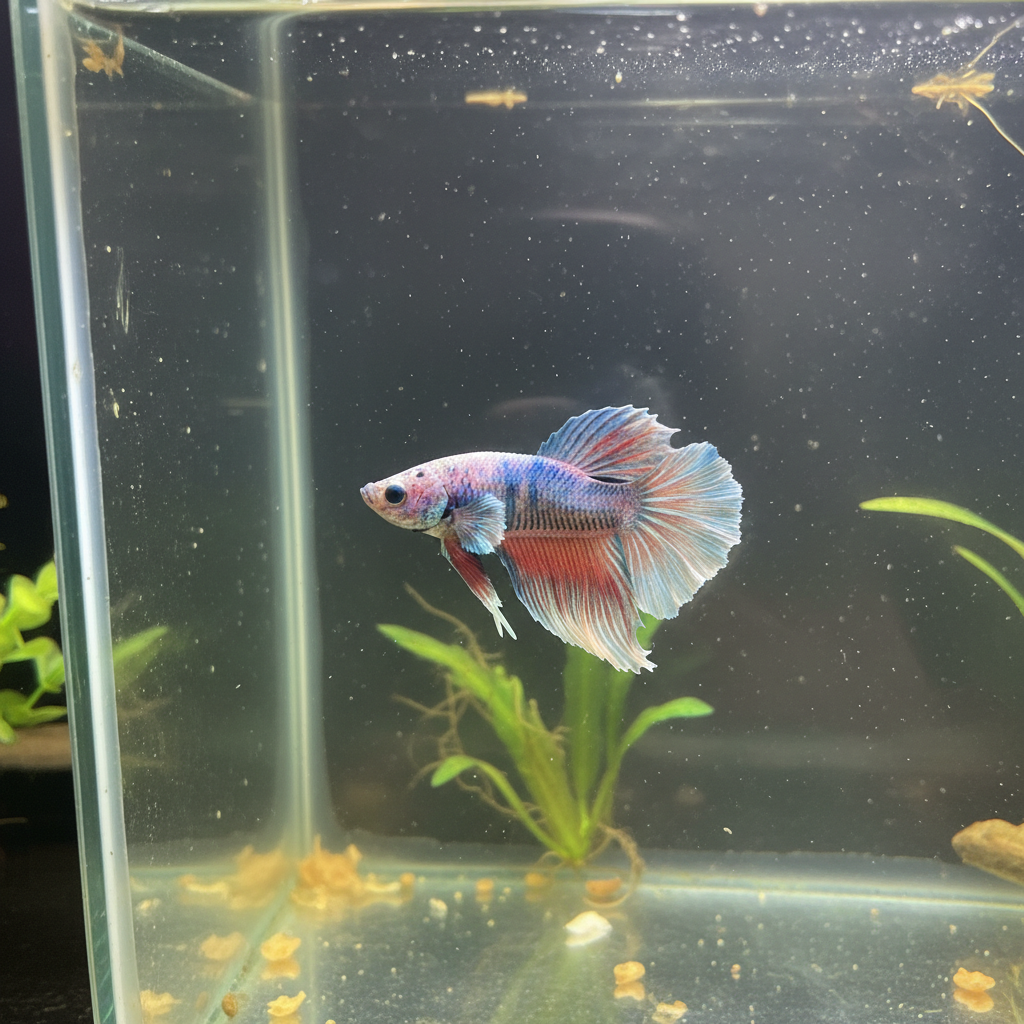
Fish coloration is a direct reflection of their health and environment. When colors fade, it's usually a distress signal. Understanding these common causes helps you address the problem effectively. When the signs overlap, Fish Losing Balance: Why Your Fish Is Swimming Sideways or Upside Down gives a more focused next step. For the related symptom path, use high nitrate in aquarium alongside the checks above.
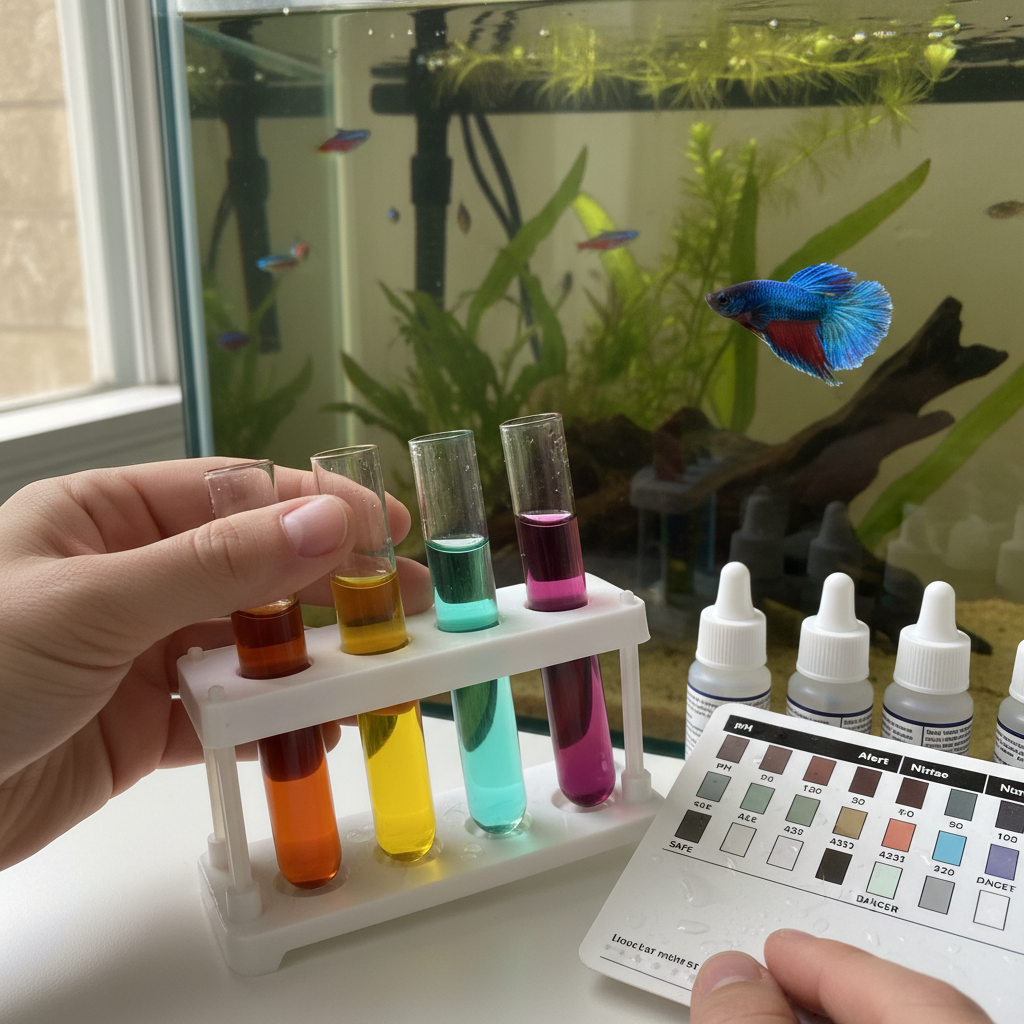
Stress: The Primary Color Thief
Just like people, fish get stressed, and it shows. When a fish is stressed, its body diverts energy from non-essential functions, like maintaining vibrant coloration, to survival. You might notice your fish also hiding more or acting lethargic. Common stressors include:
- New Tank Syndrome: Uncycled tanks with unstable water parameters.
- Bullying: Aggressive tank mates can cause chronic stress.
- Overcrowding: Too many fish in too small a space.
- Sudden Changes: Large water changes, new decor, or even moving the tank can be stressful.
- Lack of Hiding Spots: Feeling exposed makes fish anxious.
For more on this, see our guide on Fish Stress: Symptoms, Causes, and How to Calm Your Tank.
Poor Water Quality: The Silent Threat
Unstable or unhealthy water parameters are a frequent cause of color loss. High ammonia, nitrites, or nitrates, incorrect pH, or extreme temperatures can all contribute. A sudden drop in pH or a spike in ammonia can quickly impact a fish's health and appearance. Always test your water if you notice color fading. For example, if ammonia is high, your tank might be overfed or not fully cycled. Our guide on Aquarium Ammonia Poisoning: Symptoms and Emergency Steps provides more details.
Inadequate Diet: You Are What You Eat
Many fish require specific nutrients, including carotenoids, to maintain their bright colors. If your fish isn't getting a balanced diet, or if their food is old and has lost its nutritional value, their colors can dull. For example, many red and orange fish need foods rich in astaxanthin to keep their hues.
Illness or Parasites: A Deeper Problem
While less common as a primary symptom, some diseases or parasitic infections can cause fish to lose color. This is often accompanied by other symptoms like clamped fins, flashing, labored breathing, or visible spots. If you've ruled out stress, water quality, and diet, consider a health check. For a more detailed assessment, you can use our fish symptoms checker.
What to Do When Your Fish Loses Color
Once you've identified potential causes, you can take targeted action. Start with the easiest and most common issues first.
- Test Your Water Parameters: This is always the first step. Use a reliable liquid test kit to check ammonia, nitrite, nitrate, and pH. If any parameters are off, perform a partial water change (25-50%) and address the underlying issue. For example, if your aquarium water test strip guide shows high nitrates, regular water changes are essential.
- Evaluate Your Fish's Environment: Consider if your fish is stressed. Is the tank overcrowded? Are there aggressive tank mates? Does your fish have enough hiding spots? Sometimes, simply adding more plants or decor can make a world of difference. If bullying is an issue, you might need to rehome one of the fish or rearrange the tank to break up territories.
- Upgrade Their Diet: Ensure you're feeding a high-quality, varied diet. Look for foods specifically formulated to enhance fish coloration, often containing ingredients like spirulina, astaxanthin, or other natural color enhancers. Don't just feed flakes; offer a mix of flakes, pellets, frozen, and live foods appropriate for your fish species. Make sure the food isn't expired.
- Observe for Other Symptoms: If water quality, stress, and diet seem fine, carefully observe your fish for any other signs of illness. Are they scratching, breathing heavily, or showing any physical abnormalities? If so, you might be dealing with a disease. For general information on fish health, the MSD Veterinary Manual offers in-depth guidance on aquatic animal health management.
When Physical Damage or Infection Dulls the Shine
Sometimes, a fish losing color isn't just about stress or water quality; it's a direct result of physical trauma or a bacterial invasion. A torn fin, a scrape from a sharp decoration, or even a persistent nip from a tank mate can cause localized color loss or a general paling as the fish's body struggles to heal. Observe your fish closely for any visible wounds, frayed fins, or unusual growths. These physical signs often precede or accompany a change in coloration.
Bacterial infections, both external and internal, can manifest as faded colors, often alongside other symptoms like lethargy, clamped fins, or a cloudy appearance. These infections can be primary, or secondary to an injury or prolonged stress. If you suspect a bacterial infection, consider isolating the affected fish in a hospital tank. Always consult the product label and consider using our Aquarium Treatment Safety Checker before administering any medication, as some treatments can be harmful to specific fish species or beneficial bacteria.
Prevention is Key
Maintaining stable water parameters, providing a species-appropriate diet, and ensuring a low-stress environment are the best ways to keep your fish vibrant and healthy. Regular tank maintenance, including water changes and filter cleaning, goes a long way. For severe or persistent issues, especially if other symptoms appear, consulting with an experienced aquarist or an aquatic veterinarian is always recommended. Never guess with medication; always follow label instructions carefully and ensure it's safe for your specific fish species.
Taking Action: Restoring Your Fish's Vibrancy
When you notice your fish's colors fading, it's a clear signal that something in their environment or health needs attention. Your first step should always be to test your water parameters immediately. Use a reliable liquid test kit to check ammonia, nitrite, nitrate, and pH levels. These readings will often point you towards the most common culprits: poor water quality or an uncycled tank. Addressing these issues quickly can prevent further stress and health decline.
Practical Steps for Color Restoration
Once you've identified potential issues, take targeted action. If water parameters are off, perform a partial water change (25-50%) using dechlorinated water that matches your tank's temperature. Review your feeding habits; are you overfeeding, or is the food old? Consider supplementing with high-quality foods rich in carotenoids, like spirulina flakes or color-enhancing pellets, especially for species known to benefit from them. For example, many cichlids and goldfish show significant color improvement with a diet rich in astaxanthin. If bullying is an issue, you might need to rearrange decor, add more hiding spots, or even rehome an aggressive fish. For a comprehensive guide on diagnosing symptoms, you can use our Fish Symptoms Checker.
Remember, consistency is key. Regular water changes, appropriate feeding, and a stable, stress-free environment are the best ways to maintain your fish's health and brilliant coloration. If you've addressed these common factors and your fish's color still hasn't returned, or if other symptoms appear, it might be time to consult a veterinarian specializing in aquatic animals. The Merck Veterinary Manual offers general information on fish disorders that can be helpful.
Use AquaShelter before you guess
If you are not sure whether the symptoms are coming from disease or water quality, try the AquaShelter diagnosis check before choosing a treatment.
Open the diagnosis checkDisclaimer: AquaShelter helps with triage and safer decisions, but it does not replace a qualified aquatic veterinarian.
FAQ
Can fish lose color due to old age?
While some fish may naturally show a slight dulling of colors as they age, a significant or sudden loss of color is usually indicative of an underlying health or environmental issue rather than just old age. Always investigate other causes first.
How long does it take for a fish's color to return after fixing the problem?
The time it takes for a fish's color to return varies. If the issue (like stress or poor water quality) is quickly resolved, you might see improvement within a few days to a week. If the problem was prolonged or diet-related, it could take several weeks for their full vibrancy to come back.
Can diet really impact fish color that much?
Absolutely! Many fish, especially those with red, orange, or yellow pigments, rely on carotenoids from their diet to produce and maintain their colors. A diet lacking these nutrients will almost certainly lead to faded coloration over time. High-quality, color-enhancing foods can make a noticeable difference.
Can a fish regain its color after being stressed or sick?
Yes, in most cases, once the underlying cause of stress, poor water quality, or illness is identified and corrected, fish can and often do regain their vibrant coloration. It might take some time, sometimes days or even weeks, as their body recovers and reallocates energy to non-essential functions like color production. Consistent good husbandry, a balanced diet, and a stable environment are key to their recovery.
Can a fish's color loss be permanent?
In most cases, if the underlying cause of stress, poor water quality, or inadequate diet is identified and corrected promptly, a fish's vibrant colors will return. However, prolonged severe stress or illness can sometimes lead to permanent dulling, especially if the fish's health has been significantly compromised over a long period. Early intervention is key to full recovery.