
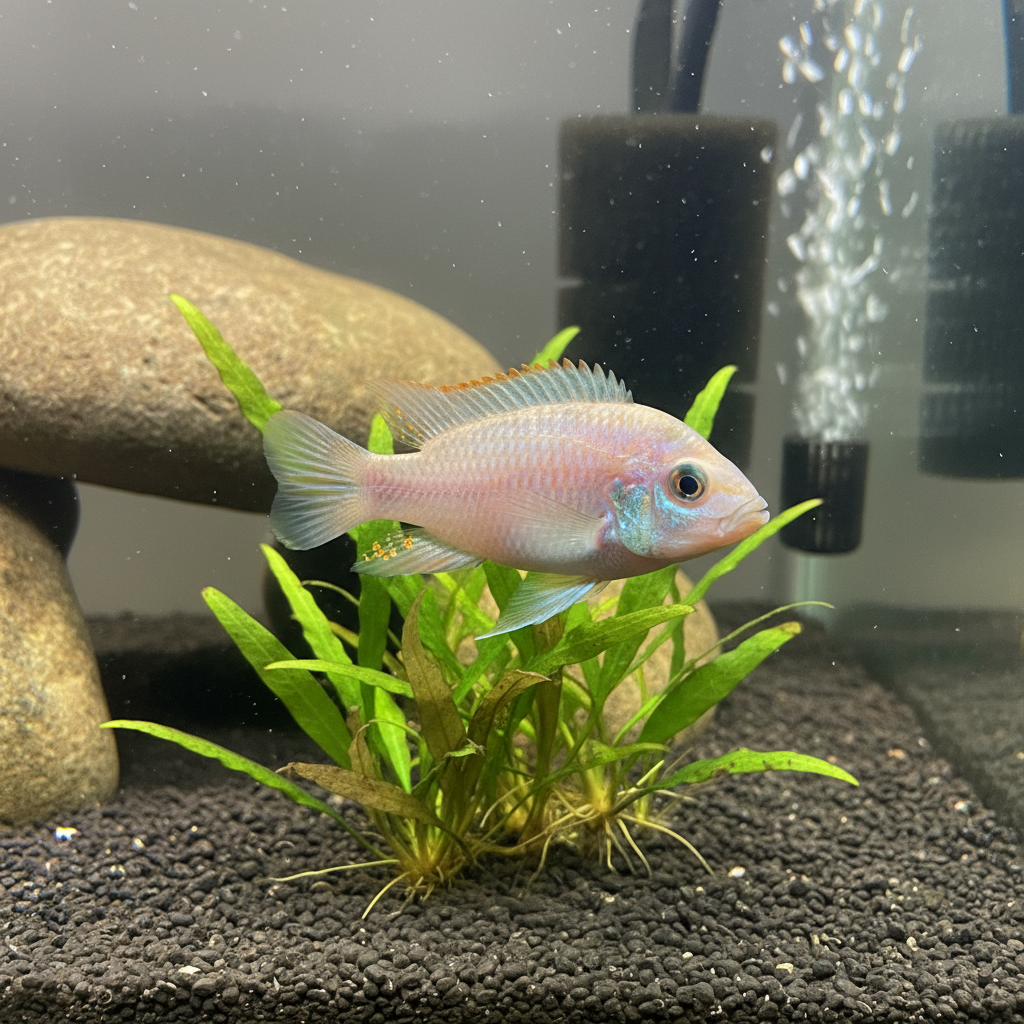
Why Are My Fish Losing Their Color?
Fish losing color is a common concern for aquarists, and it's rarely for a good reason. Their color is often a direct reflection of their health and well-being. When a fish is stressed, sick, or living in poor conditions, its body diverts energy from non-essential functions, like maintaining vibrant pigmentation, to coping with the problem. Think of it like a warning light on your car's dashboard – it's telling you to investigate.
Common Causes of Fading Fish Color
Several factors can contribute to your fish's colors becoming dull or pale. Pinpointing the exact cause often requires a bit of detective work, starting with the most common culprits.
Stress
Stress is perhaps the most frequent reason for fish losing color. Fish can get stressed by many things: new tank mates, an aggressive fish, improper lighting, sudden changes in their environment, or even just being moved. When a fish is stressed, its body releases hormones that can affect its pigmentation, making it appear paler. For example, a newly introduced fish might be very pale for a day or two as it adjusts to its new home and tank mates. Observing their behavior can give you clues; are they hiding more, not eating, or being chased?
Poor Water Quality
Unstable or unhealthy water parameters are a major stressor and can directly impact a fish's health and color. High ammonia, nitrite, or nitrate levels, incorrect pH, or extreme temperatures can all lead to faded colors. Imagine trying to feel your best in a dirty, polluted environment – your fish feel the same way. Regular water testing is crucial here. You can use a reliable liquid test kit to get accurate readings of your water parameters. AquaShelter's tank history feature can help you track these readings over time, making it easier to spot trends or sudden changes that might be affecting your fish's health.
Inadequate Diet
A diet lacking in essential nutrients, especially color-enhancing ingredients like carotenoids, can cause fish to lose their vibrant hues over time. Many high-quality fish foods are specifically formulated to boost color. If you're feeding a generic flake food, consider upgrading to a specialized diet for your fish species. For example, many cichlids and goldfish benefit from foods rich in spirulina or astaxanthin.
Illness or Parasites
Many diseases and parasitic infections can cause fish to lose color. This often happens alongside other symptoms like lethargy, clamped fins, abnormal swimming, or visible spots/lesions. For instance, a fish with Ich (white spot disease) might appear dull overall in addition to the characteristic white spots. If you suspect illness, it's important to observe all symptoms carefully. You can refer to our guide on fish disease symptoms for more information.
Lighting and Substrate
Believe it or not, the lighting in your tank and even the color of your substrate can influence your fish's perceived color. Some fish will darken or lighten to blend in with their surroundings. If your tank has very bright lighting or a light-colored substrate, some fish might lighten their coloration as a natural camouflage response. Experimenting with different light cycles or adding darker decor can sometimes help.
What to Do When Your Fish is Losing Color
Once you've identified potential causes, you can take steps to help your fish regain its color. Start with the least invasive methods first.
1. Test Your Water Parameters
This is always the first step. Use a reliable test kit to check ammonia, nitrite, nitrate, pH, and temperature. Address any issues immediately with partial water changes. For example, if ammonia is high, perform a 25-50% water change and retest. Continue daily water changes until parameters are safe. You can learn more about aquarium ammonia poisoning here.
2. Reduce Stressors
Observe your tank for signs of aggression or overcrowding. If you have an aggressive fish, consider rehoming it or adding more hiding spots. Ensure your tank isn't in a high-traffic area or exposed to sudden loud noises. Maintain a consistent light cycle, typically 8-10 hours a day.
3. Improve Diet
Switch to a high-quality, varied diet. Offer a mix of flakes, pellets, and frozen or live foods appropriate for your fish species. Look for foods that specifically mention color enhancement. Feed small amounts multiple times a day rather than one large meal to aid digestion and nutrient absorption.
4. Observe for Other Symptoms
If water quality and diet are good, and stress is minimized, carefully watch for other signs of illness. Are there any spots, lesions, frayed fins, or changes in breathing? Early detection of disease is key. If you see other symptoms, consult our fish symptom checker to narrow down possibilities.
5. Consider Lighting and Environment
If your fish are consistently pale despite good health, try adjusting your tank lighting. Ensure it's not too bright or too dim for your fish's natural habitat. Adding darker substrate or background can sometimes encourage fish to display richer colors.
When to Seek Professional Help
If your fish's color loss is accompanied by severe symptoms, rapid decline, or if you've tried all the above steps without improvement, it might be time to consult a local fish store expert or an aquatic veterinarian. They can offer more specialized advice or diagnose specific diseases. Remember, early intervention often leads to the best outcomes for your fish.
Keeping track of your fish's health, water parameters, and feeding schedule can be overwhelming. AquaShelter's digital tools allow you to log observations, track water test results, and even compare photos over time. This makes it much easier to spot subtle changes in your fish's color or behavior and take action before a minor issue becomes a major problem.
Use AquaShelter before you guess
If you are not sure whether the symptoms are coming from disease or water quality, try the AquaShelter diagnosis check before choosing a treatment.
Open the diagnosis checkDisclaimer: AquaShelter helps with triage and safer decisions, but it does not replace a qualified aquatic veterinarian.
FAQ
Can fish regain their color after fading?
Yes, in many cases, fish can regain their vibrant colors once the underlying cause of fading (like stress, poor water quality, or inadequate diet) is identified and corrected. It might take some time, but with proper care, their natural pigmentation often returns.
Is it normal for fish to lose color when stressed?
Absolutely. Losing color is a very common stress response in fish. When they feel threatened or uncomfortable, their bodies often lighten or darken to try and blend in or to signal their distress. This is why new fish often look pale for a day or two after being introduced to a new tank.
What foods help fish regain their color?
Look for high-quality fish foods that are rich in natural color enhancers like spirulina, astaxanthin, and other carotenoids. Many specialized flakes or pellets for specific fish types (like cichlids or goldfish) are formulated for this purpose. A varied diet including live or frozen foods can also contribute to better coloration.