
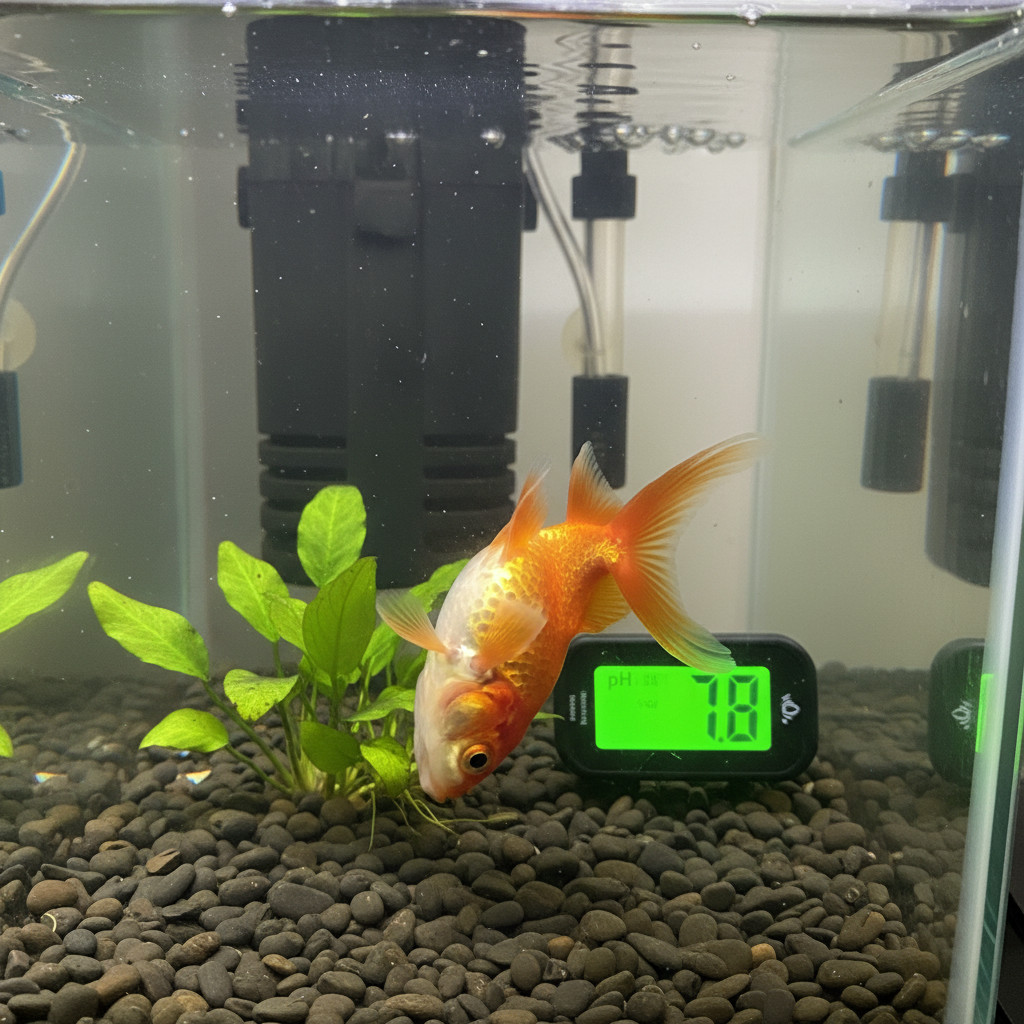
Why Your Fish Might Be Swimming Upside Down
When a fish can't maintain its normal swimming posture, it's often due to an issue with its swim bladder. This gas-filled organ allows fish to control their depth in the water. If it's not working correctly, your fish might float to the surface, sink to the bottom, or swim upside down. If this pattern matches your tank, compare it with fish is dying before choosing the next step. When the signs overlap, fish red streaks on fins gives a more focused next step.
Several factors can lead to swim bladder problems:
- Constipation or Overfeeding: A common culprit, especially in goldfish and bettas. Too much dry, flake food can expand in their gut, pressing on the swim bladder. Constipation can also cause gas buildup.
- Poor Water Quality: High ammonia, nitrites, or nitrates can stress a fish's system, leading to various health issues, including swim bladder dysfunction. Sudden temperature changes can also be a factor.
- Bacterial Infection: Internal bacterial infections can inflame the swim bladder, causing it to malfunction. This might be accompanied by other symptoms like bloating or lethargy.
- Injury: A physical injury, perhaps from a fall during transport or a tank mate, can damage the swim bladder.
- Genetic Predisposition: Some fish, particularly fancy goldfish with their compact body shapes, are more prone to swim bladder issues due to their anatomy.
Consider a recent change in your tank, like a new food, a missed water change, or a new tank mate. These clues can help you pinpoint the cause.
First Steps: What to Do Immediately
If you notice your fish swimming upside down, don't panic. Here's a practical plan:
1. Check Your Water Parameters
This is always the first and most critical step. Use a reliable liquid test kit to check ammonia, nitrite, nitrate, and pH. Even if you just did a water change, re-test. Poor water quality is a leading cause of fish illness. If any parameters are off, perform a partial water change immediately. You can learn more about what your test results mean in our Aquarium Water Test Strip Guide.
2. Fast Your Fish
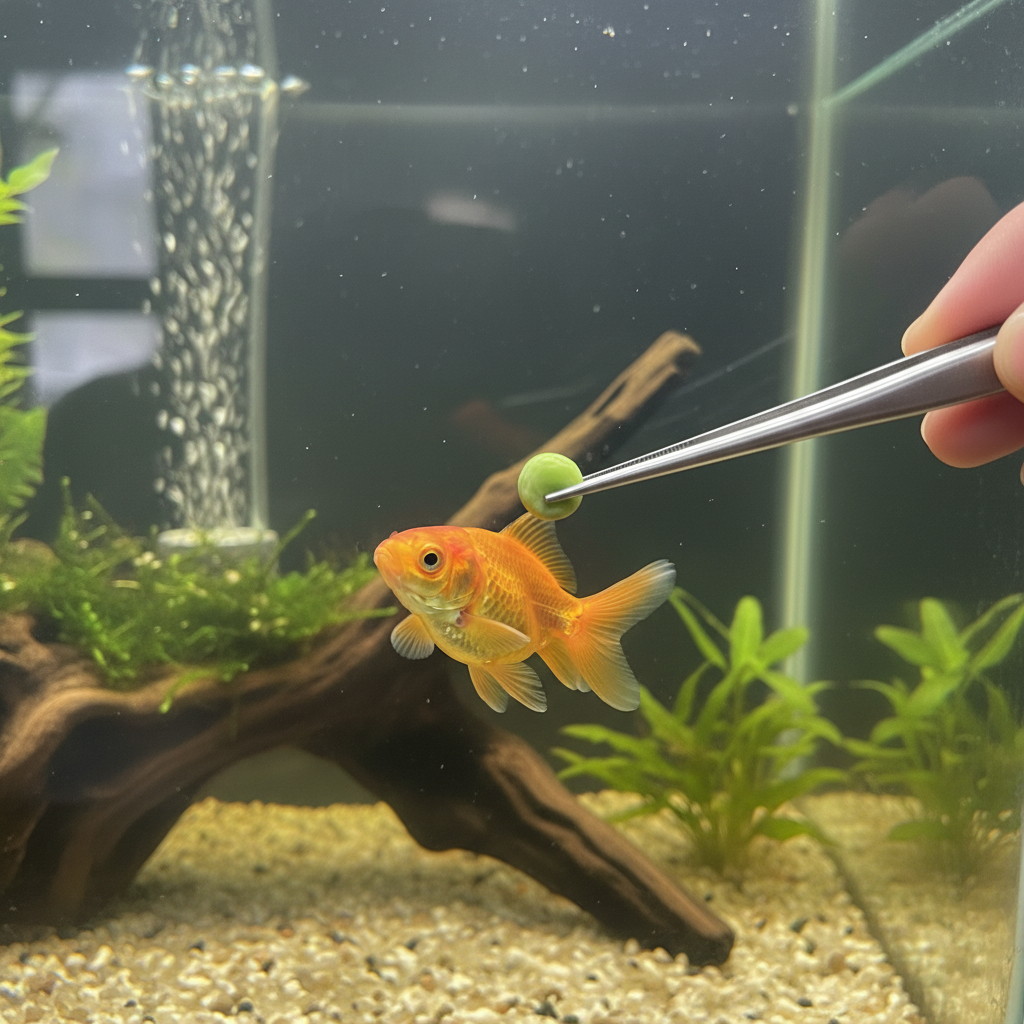
If constipation or overfeeding is suspected, stop feeding your fish for 2-3 days. This gives their digestive system a chance to clear. After the fast, offer a small amount of blanched, deshelled pea. Peas are a natural laxative for fish. Cut it into tiny, bite-sized pieces.
3. Isolate if Necessary
If you have a hospital tank, consider moving the affected fish. This allows you to treat them without affecting other tank inhabitants and makes it easier to observe them. Ensure the hospital tank has stable water parameters and is heated to the same temperature as the main tank.
4. Observe for Other Symptoms
Look for signs like bloating, clamped fins, rapid breathing, or red streaks. These can indicate a more serious underlying issue like a bacterial infection or dropsy. AquaShelter's diagnosis timeline feature can help you track symptom progression, making it easier to identify patterns and share information with a vet or experienced aquarist.
Longer-Term Solutions and Prevention
Once you've addressed the immediate crisis, think about preventing future occurrences:
- Vary Diet: Don't rely solely on dry flakes. Incorporate high-quality pellets, frozen foods (like brine shrimp or bloodworms), and blanched vegetables. Soak dry foods before feeding to prevent them from expanding in your fish's stomach.
- Maintain Water Quality: Regular water changes and proper filtration are non-negotiable. Test your water weekly.
- Avoid Overfeeding: Feed small amounts that your fish can consume in 2-3 minutes, once or twice a day.
- Consider Tank Mates: Ensure tank mates are not aggressive or causing stress/injury to the affected fish.
If your fish's condition doesn't improve after a few days of fasting and water changes, or if you see signs of infection, it's time to consider a veterinary consultation. They might recommend specific medications or further diagnostics. Remember, early intervention often leads to the best outcomes.
Safety Note: Never attempt to 'squeeze' or manually manipulate a fish's swim bladder. This can cause severe internal damage and is almost always fatal. Always prioritize gentle, supportive care and water quality management.
When Your Fish Flips: Immediate Action
Seeing your fish swimming upside down can be alarming, but often, it's a sign that something in their environment or diet needs a quick adjustment. Think of it like a canary in a coal mine – your fish is telling you something is off. Before you jump to conclusions about serious illness, let's walk through the most common culprits and what you can do right now to help.
The First 24 Hours: What to Look For
The first thing to consider is what's changed recently. Did you introduce new food? Miss a water change? Add a new tank mate? These small shifts can have a big impact. For instance, if you've been feeding a lot of dry flakes, they can expand in your fish's gut, causing constipation and pressure on the swim bladder. This is especially common in goldfish and bettas. If you suspect constipation, try fasting your fish for 24-48 hours. Sometimes, a simple dietary reset is all it takes. If you're unsure about the cause, or if your fish shows other symptoms like bloating or lethargy, it's time to check your water parameters. Grab your test kit and look for ammonia, nitrite, and nitrate levels. Poor water quality is a silent killer and often the root of many fish health issues. If any levels are off, a partial water change is your immediate next step. Remember, a healthy environment is the best medicine.
If your fish is still struggling after these initial steps, or if you notice other concerning signs like red streaks on fins or rapid gill movement, it's time to consider other possibilities. Sometimes, a bacterial infection can inflame the swim bladder, or in rarer cases, a physical injury might be the cause. Keep a close eye on your fish's behavior and appearance. Documenting these observations can be incredibly helpful if you need to consult with an experienced aquarist or a vet. For a more detailed look at potential causes and treatments, you can explore our fish symptoms checker.
Immediate Action: When Your Fish Flips
Seeing your fish swimming upside down is alarming, but often, quick, focused action can make all the difference. Before you do anything else, take a deep breath and observe. Is it consistently upside down, or does it right itself occasionally? Is it struggling to swim, or just floating? These details will guide your next steps.
First Steps: What to Do Immediately
Your first priority is always water quality. Grab your test kit and check ammonia, nitrite, nitrate, and pH. Even if you just did a water change, re-test. Poor water quality is a leading cause of fish illness. If any parameters are off, perform a partial water change immediately. For example, if your ammonia is elevated, a 25-50% water change can provide immediate relief. You can learn more about what your test results mean in our Aquarium Water Test Strip Guide.
Next, consider diet. If you've been feeding dry flakes or pellets exclusively, especially to goldfish or bettas, constipation is a common culprit. Try fasting your fish for 24-48 hours. After the fast, offer a blanched, deshelled pea. This acts as a natural laxative and can often resolve swim bladder issues caused by digestive blockages. If you suspect a more complex issue, our Fish Symptoms Checker can help narrow down possibilities.
Use AquaShelter before you guess
If you are not sure whether the symptoms are coming from disease or water quality, try the AquaShelter diagnosis check before choosing a treatment.
Open the diagnosis checkDisclaimer: AquaShelter helps with triage and safer decisions, but it does not replace a qualified aquatic veterinarian.
FAQ
What is a swim bladder and why is it important?
The swim bladder is an internal, gas-filled organ in fish that helps them control their buoyancy in the water. It allows them to stay at a certain depth without expending much energy. When it malfunctions, fish can't swim normally and may float, sink, or swim upside down.
Can a fish recover from swimming upside down?
Yes, many fish can recover, especially if the cause is constipation or poor water quality and addressed quickly. Recovery depends on the underlying cause and how soon intervention begins. Severe infections or genetic issues might have a poorer prognosis.
What kind of food can cause swim bladder problems?
Dry, flake foods that expand significantly when wet are common culprits, especially if fed exclusively. Overfeeding any type of food can also lead to digestive issues that impact the swim bladder. Varying the diet with high-quality pellets, frozen foods, and blanched vegetables can help prevent problems.
Can a fish recover from swimming upside down on its own?
Sometimes, if the cause is minor like temporary constipation from overfeeding, a fish might recover on its own after a short fast. However, it's always best to investigate and address potential underlying issues like water quality or diet, as prolonged swim bladder problems can lead to stress and secondary infections.
Should I isolate a fish swimming upside down?
Generally, yes. Moving the affected fish to a separate, smaller hospital tank with pristine water and a heater allows for closer observation, easier treatment, and prevents potential spread of illness if it's infectious. Ensure the hospital tank is cycled or use a daily water change regimen to maintain water quality.