
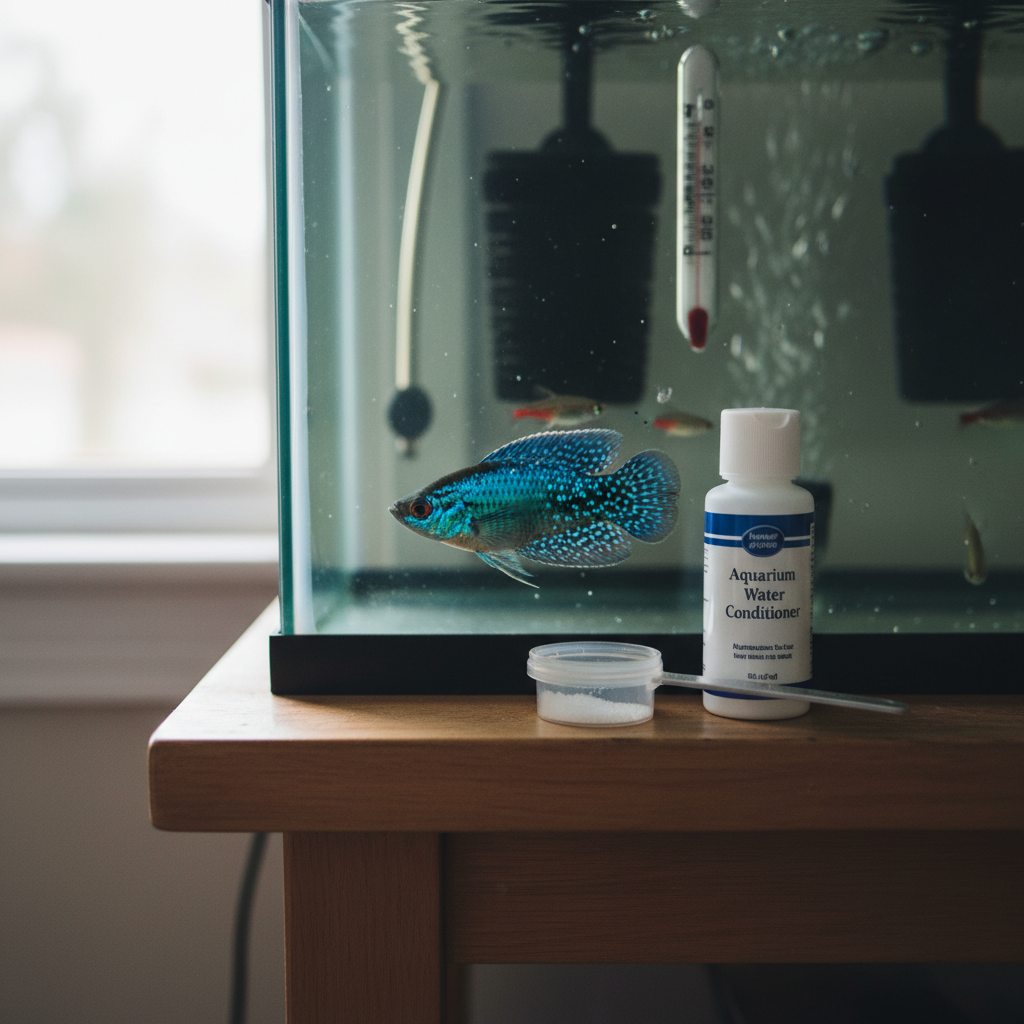
White spots on fish are stressful because many hobbyists immediately think of ich. Ich is common, contagious, and treatable when handled early. The danger is rushing. Wrong treatment, low oxygen, poor water, or stopping too soon can turn a manageable outbreak into a tank crash.
What ich usually looks like
Freshwater ich often appears as many small white dots, similar to salt grains. They can show on fins first, then body and gills. Fish may flash against decor, clamp fins, breathe quickly, hide, or lose appetite. Spots may seem to disappear and return because the parasite has a life cycle. Visible spots are only one stage.
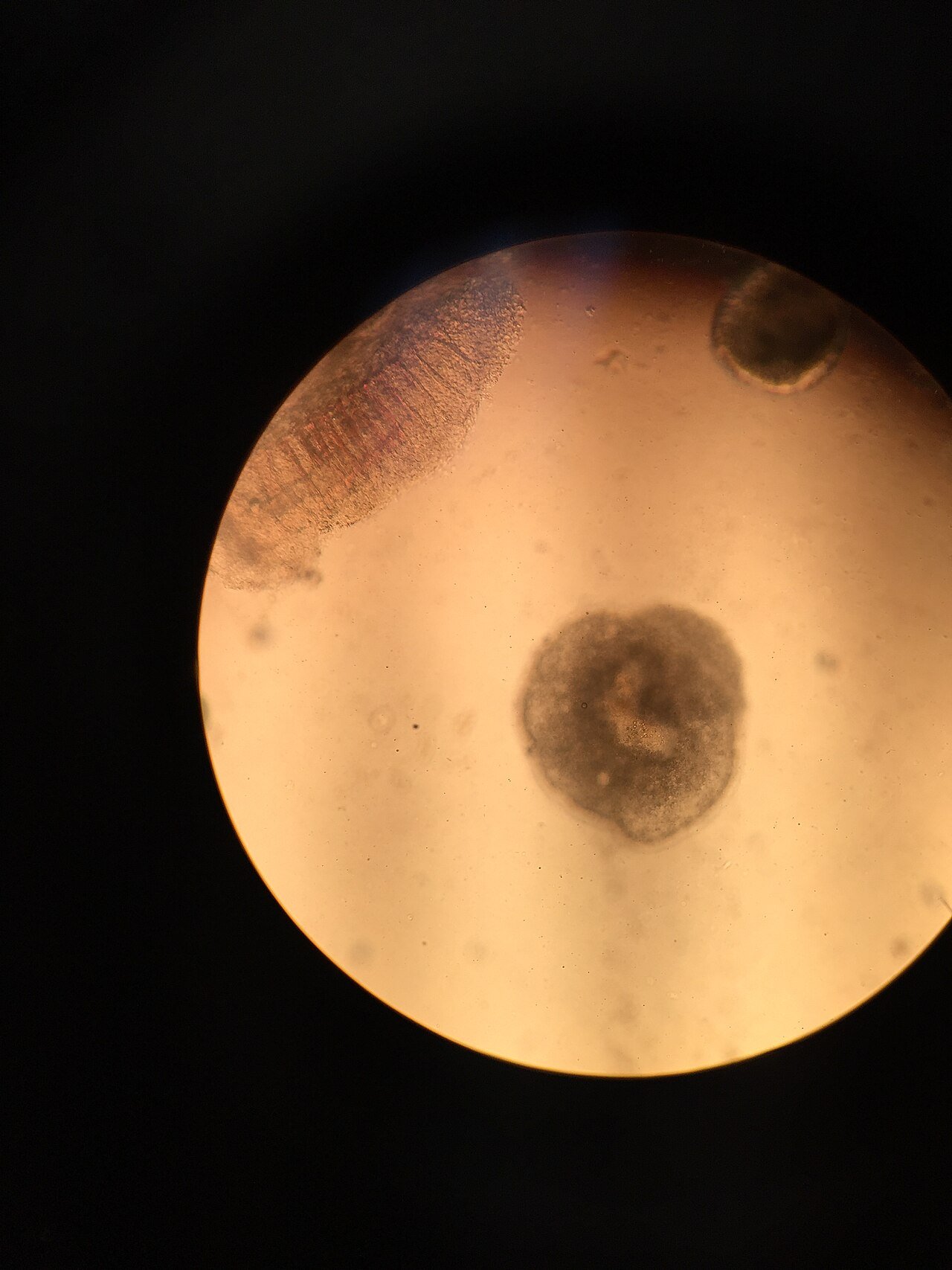
Not every white mark is ich. A single cottony patch may be fungus. A hard lump may be lymphocystis. White edges on damaged fins can be healing tissue or fin rot. Male goldfish can show breeding tubercles. Marine white spot has different management needs from freshwater ich. That is why context matters.
Check the tank before medication
Before treatment, check temperature, ammonia, nitrite, nitrate, and oxygen. Sick fish need oxygen, and many ich treatments reduce oxygen availability or stress fish further. If fish are already gasping, read the high ammonia in fish tank guide too, because ammonia poisoning can exist at the same time as parasites.
Remove activated carbon or chemical media if the medication label says it will absorb the treatment. Keep biological media wet and running. Do not deep-clean the filter during an outbreak unless it is clogged and reducing flow. The biological filter is part of the treatment plan because stable water helps fish survive the disease.
Should you isolate the fish?
If ich is already visible on several fish, the whole aquarium is exposed. Moving one fish to a hospital tank may not solve the main tank problem. A hospital tank is useful when only one fish is affected and you can keep the hospital water stable, or when the display tank contains sensitive plants, shrimp, snails, or species that cannot tolerate the chosen medication.
For community tanks, treatment decisions should include every living thing in the aquarium. Loaches, catfish, puffers, some tetras, shrimp, snails, and delicate plants may react badly to certain chemicals or salt levels. Read labels carefully and dose for real water volume, not the advertised tank size.
Medication approach
Use an ich medication designed for your aquarium type. Follow the label for dose, repeat schedule, water changes, and carbon removal. Do not combine multiple medications unless a qualified expert or product instructions clearly support it. Mixing treatments can increase toxicity and lower oxygen.
Continue treatment for the full course. Stopping when spots disappear is a common mistake. Ich is most vulnerable during the free-swimming stage, not while it is protected under the fish's skin. Depending on temperature and product, treatment may need to continue after the last visible spots are gone.
Keep notes during treatment. Write down the dose time, water change amount, temperature, fish behavior, and whether spots are increasing or decreasing. This prevents double dosing and helps you notice whether the tank is improving or only looking better for a few hours. If fish become weaker after dosing, check oxygen and water quality before adding more medicine.
Temperature and salt: useful, but not automatic
Some freshwater ich protocols use a gradual temperature increase to speed the parasite life cycle. This can work only if the fish species can tolerate the higher temperature and the tank has strong aeration. Warm water holds less oxygen, so heat without oxygen can make fish worse.
Aquarium salt ich treatment is also not universal. Salt can be harmful to plants, snails, shrimp, scaleless fish, and soft-water species when used incorrectly. It can help in some freshwater tanks when dosed carefully, but it should never be the default for every white spot. If you are unsure, choose a species-safe medication or get expert guidance.
What if fish are dying too?
If fish are dying suddenly during a white spot outbreak, do not assume ich is the only cause. Test ammonia and nitrite, check oxygen, and review recent changes. A stressed tank can make fish vulnerable to parasites, and parasites can push an already weak tank over the edge. Use the fish dying suddenly triage guide if deaths are happening fast or symptoms do not match a clean ich pattern.
Also check whether the most sensitive species are failing first. If loaches, catfish, shrimp, or small tetras react badly right after treatment, the issue may be medication sensitivity or low oxygen rather than the parasite alone. Treatment should be adjusted around the livestock you actually keep.
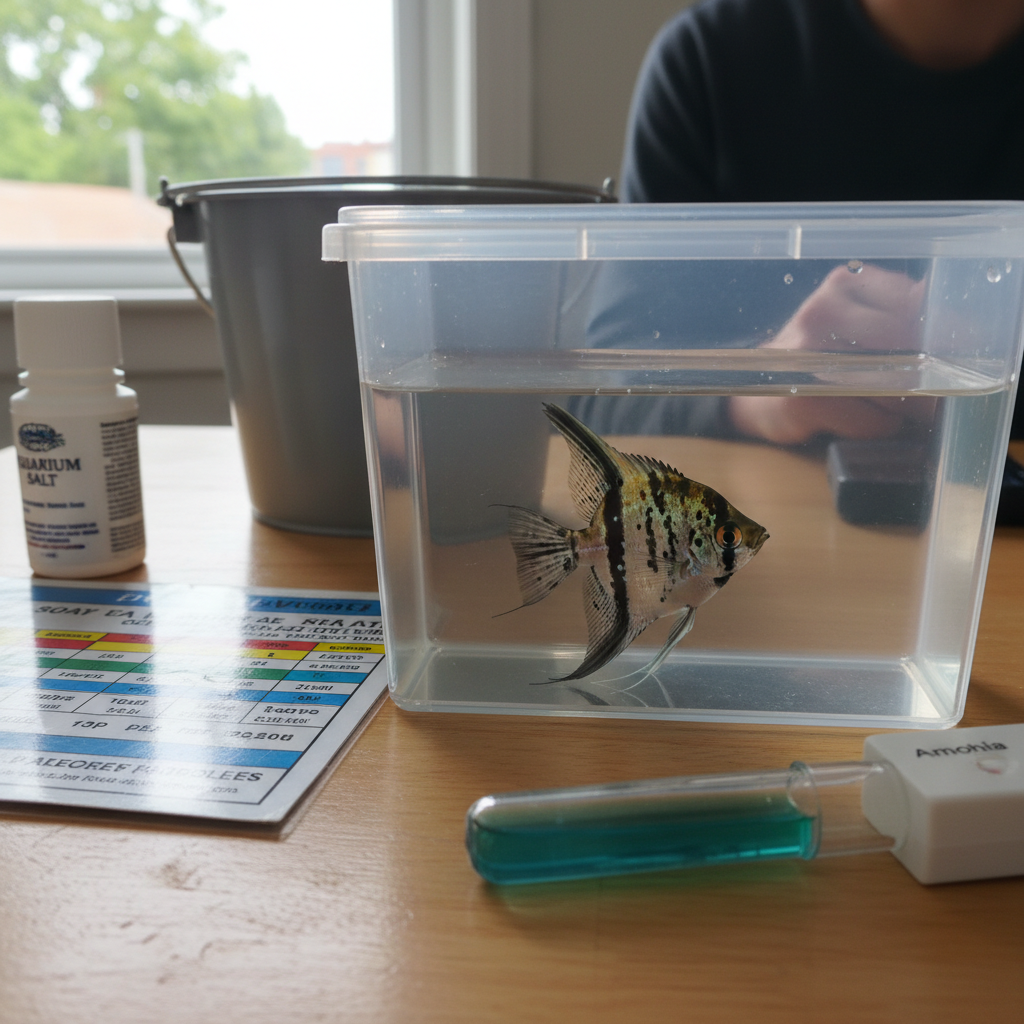
Daily treatment checklist
- Confirm spots are increasing or spreading like ich.
- Check ammonia, nitrite, temperature, and oxygen risk.
- Choose one species-safe treatment plan.
- Remove carbon if required by the label.
- Increase aeration.
- Dose accurately for real water volume.
- Finish the full course even after spots fade.
- Keep feeding light and remove uneaten food.
Unsure if it is ich?
If you are not sure whether the symptoms are coming from disease or water quality, try the AquaShelter diagnosis check before choosing a treatment.
Check symptoms safelyPrevention after recovery
Quarantine new fish when possible. Avoid sudden temperature changes, overcrowding, and repeated filter disruption. Keep a basic water test kit if you can. Many outbreaks become severe because the fish were already stressed by water quality, shipping, aggression, or unstable temperature.
Disclaimer: AquaShelter helps with triage and safer decisions, but it does not replace a qualified aquatic veterinarian.
FAQ
Are white spots on fish always ich?
No. Ich often looks like tiny salt grains on fins and body, but fungus, injuries, lymphocystis, breeding tubercles, and debris can also look white. Pattern, behavior, and spread speed matter.
Can aquarium salt treat ich?
Salt can help in some freshwater situations, but it is not safe for every fish, plant, invert, or tank. Dose and species sensitivity matter, so do not use it blindly.
How long should ich treatment continue?
Continue for the full product instructions and usually beyond the last visible spots, because medication works best when the parasite is in its free-swimming stage.