
Editorial process: The AquaShelter editorial team prepares this guide with AI-assisted drafting and automated checks for sources, safety, structure, images, and duplication. It is educational content, not a veterinary diagnosis.
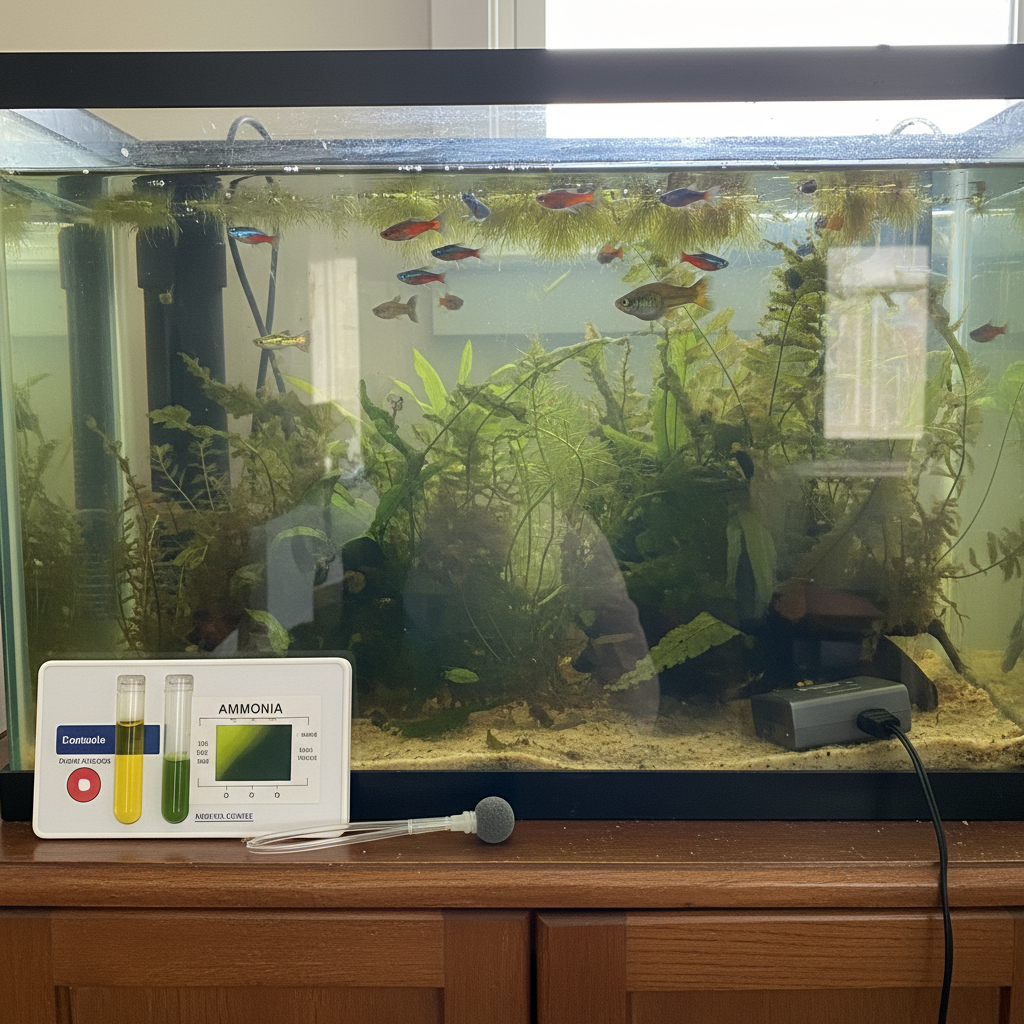
Surface gasping means the fish is struggling to get enough oxygen through its gills. The water may be low in oxygen, the gills may be damaged, or toxins may be blocking normal respiration. Because this can become fatal quickly, treat gasping as an emergency sign. The University of Florida's ammonia guidance for aquaculture systems explains why ammonia exposure can damage fish and why testing the water is part of the first response.
Immediate actions
Add an air stone, point the filter outlet at the surface, remove surface film, and make sure the filter is actually moving water. Stop feeding while you investigate. If multiple fish are gasping, the problem is likely tank-wide. Use the high ammonia in fish tank guide if the tank is new, overstocked, or recently cleaned.
Why oxygen drops
Warm water holds less oxygen. Bacterial blooms, decaying waste, medication, overcrowding, and poor surface movement can reduce available oxygen. Fish may gasp more early in the morning because plants and bacteria consume oxygen overnight.
When disease is possible
Gill parasites, velvet, ich in the gills, bacterial gill damage, and chemical irritation can all cause gasping. If you also see white spots, review fish ich treatment. If you see a fine gold or dusty coating, velvet becomes more concerning. When the cause is still unclear, use the AquaShelter fish diagnosis checker with the water readings and the other visible symptoms before choosing medication.
What not to do
Do not add several medications at once. Do not shut off the filter. Do not ignore ammonia because the water looks clear. Clear water can still be toxic. Stabilize oxygen and water first, then decide whether disease treatment is needed.
When Fish Gasp at the Surface: A People-First Approach
Seeing your fish gasp at the surface is alarming, and it's easy to jump to conclusions. Before you panic or add chemicals, take a breath and think about what's been happening in your tank. Have you recently added new fish, changed your filter media, or done a large water change? These events can disrupt the tank's balance and lead to problems. Your fish are telling you something is wrong with their environment, and often, the solution lies in understanding recent changes.
What's Changed Lately?
Think back over the last few days or week. Did you skip a water change, or perhaps do a much larger one than usual? Overfeeding, even for a day or two, can quickly foul the water and spike ammonia or nitrite. If you've recently cleaned your filter thoroughly, you might have removed beneficial bacteria, leading to a mini-cycle. Even adding new decorations or substrate can sometimes release trapped gases or chemicals. Consider if any new sprays, air fresheners, or cleaning products have been used near the tank, as airborne contaminants can settle on the water surface and cause issues.
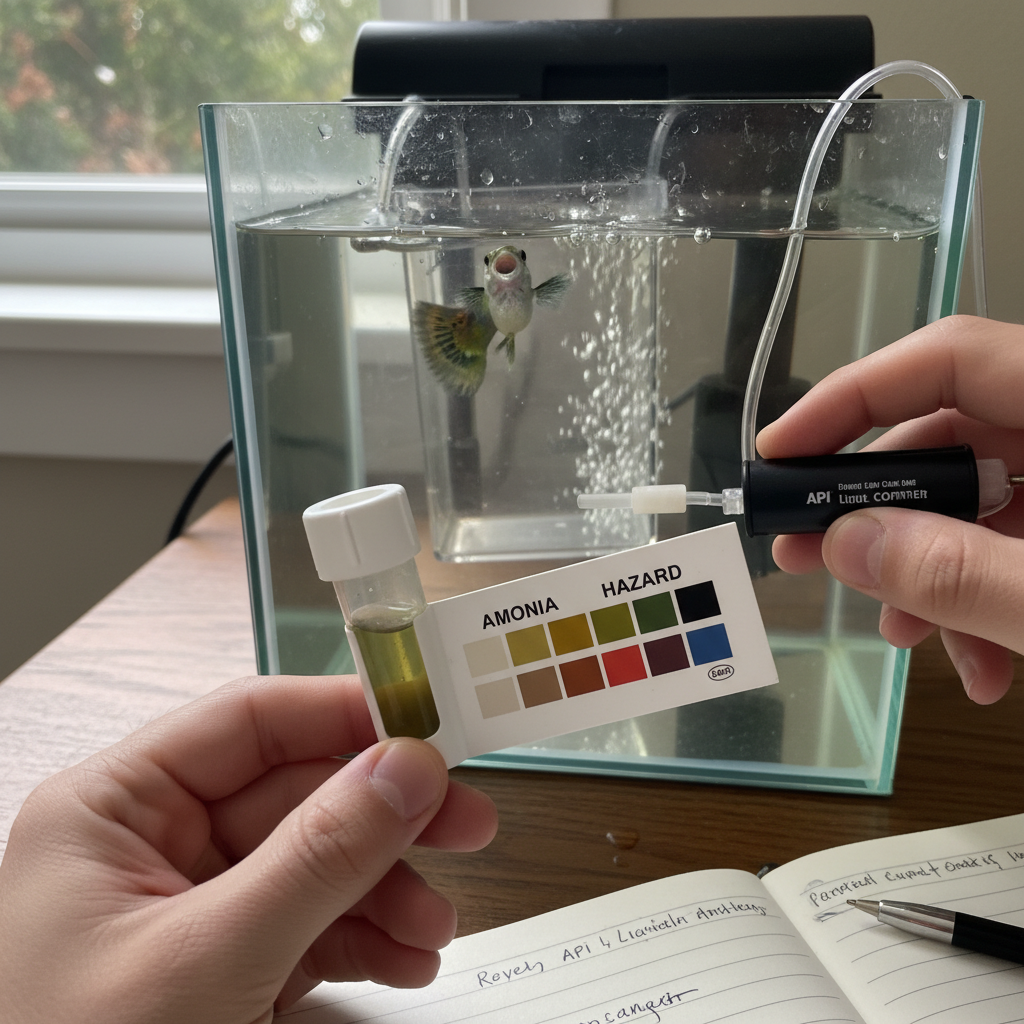
Before reaching for medications, grab your water test kit. Check ammonia, nitrite, and nitrate levels. High ammonia or nitrite are immediate red flags, indicating a problem with your tank's biological filtration. Even if these are zero, check your pH and chlorine. A sudden pH swing can stress fish, and chlorine from tap water (if not properly dechlorinated) is toxic. If you don't have a test kit, a significant water change (25-50%) with properly dechlorinated, temperature-matched water is often the safest first step, as it dilutes toxins and replenishes oxygen. Observe your fish closely after the water change – improvement suggests a water quality issue.
Use AquaShelter before you guess
If you are not sure whether the symptoms are coming from disease or water quality, try the AquaShelter diagnosis check before choosing a treatment.
Open the diagnosis checkDisclaimer: AquaShelter helps with triage and safer decisions, but it does not replace a qualified aquatic veterinarian.
FAQ
Is surface gasping always low oxygen?
No. Low oxygen is common, but ammonia, nitrite, gill disease, and chemical irritation can cause the same behavior.
Should I do a water change immediately?
If ammonia, nitrite, contamination, or severe waste is suspected, a dechlorinated temperature-matched partial water change is usually a safer first step than medication.
Can fish recover after gasping?
Yes, if the cause is corrected quickly. Severe gill damage or long exposure can still be fatal.