
Editorial process: The AquaShelter editorial team prepares this guide with AI-assisted drafting and automated checks for sources, safety, structure, images, and duplication. It is educational content, not a veterinary diagnosis.
Why Are My Fish's Fins Damaged?
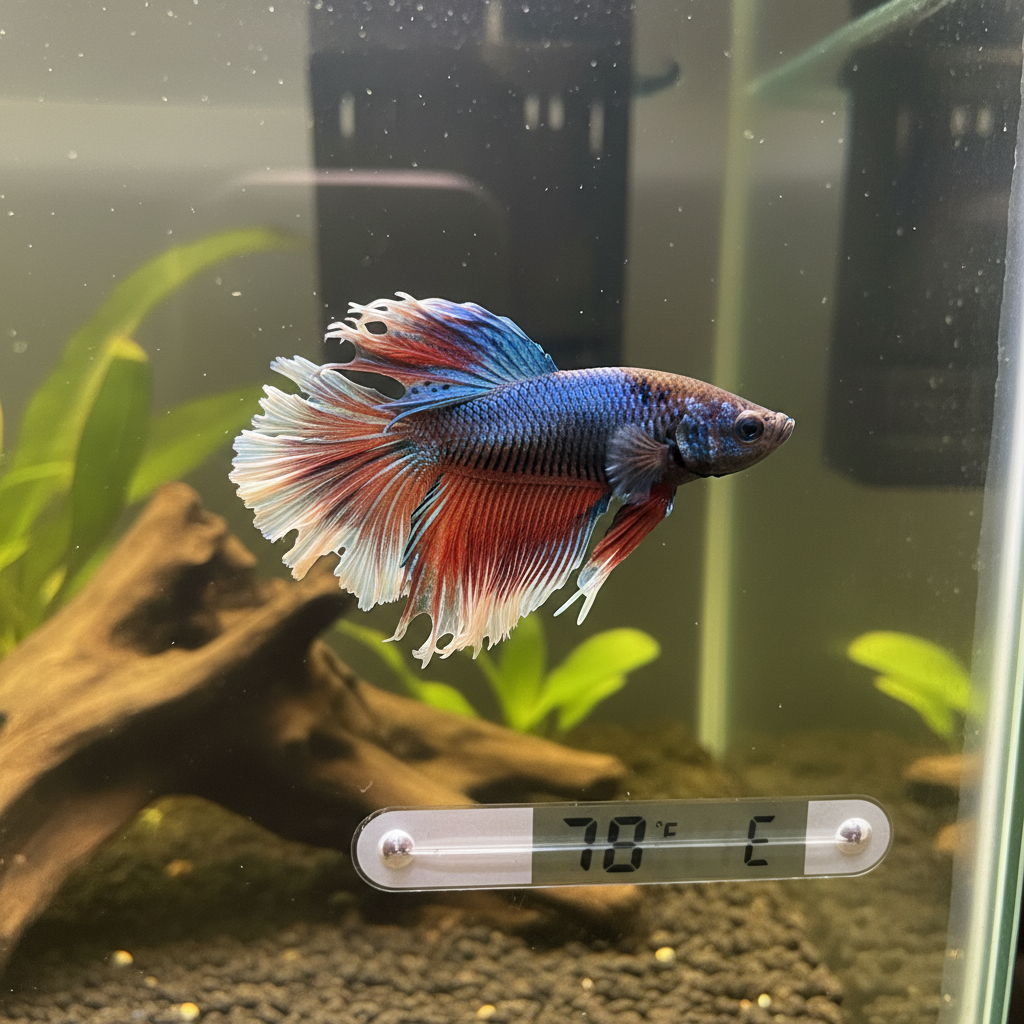
Seeing your fish's fins look tattered or shorter than usual can be alarming. It's important to observe your fish closely and consider recent changes in your tank. Is it just one fish, or are multiple fish affected? Are the fins just ragged, or do they look inflamed or fuzzy? These details are critical clues to understanding the problem. A useful follow-up guide is Fish Mouth Rot: Identify, Treat, and Prevent if the tank history points that way. For the related symptom path, use betta fish diseases alongside the checks above.
Fin Rot: A Bacterial Infection
Fin rot is a bacterial infection that literally eats away at a fish's fins. It often starts at the edges, making them look frayed or ragged, and can progress to the base of the fin if left untreated. Poor water quality, especially high ammonia or nitrates, is the most frequent trigger for fin rot. Stress, overcrowding, or injuries can also weaken a fish's immune system, making it susceptible. For more detailed information on fin rot treatment, you can refer to our guide on Fin Rot Treatment: Fix the Water Before the Medicine.
Aggression and Fin Nipping
Sometimes, fin loss isn't a disease but a social problem. Aggressive tank mates, especially those known for fin nipping (like some barbs or tetras), can tear at the fins of slower-moving or long-finned fish. This often results in clean, sharp tears rather than the ragged edges seen with fin rot. Observe your tank during feeding times and throughout the day to identify any bullies. If you suspect aggression, consider our guide on Fish Stress: Symptoms, Causes, and How to Calm Your Tank.
Physical Injury or Obstacles
Less commonly, fins can be damaged by sharp tank decorations, filter intakes, or even during netting. Check your tank for any rough edges on rocks, plastic plants, or ornaments. Ensure your filter intake has a sponge pre-filter if you have long-finned fish that could get caught.
What to Do First When You See Fin Damage
When you first notice your fish's fins looking ragged or disappearing, your immediate action can make a big difference. Start by taking a deep breath and observing your tank. Is it just one fish showing signs of fin damage, or are multiple fish affected? This can help you narrow down whether it's an individual issue, like an injury, or a tank-wide problem, such as poor water quality or a disease outbreak. Pay close attention to how the fins look: are they just torn, or do they have white edges, fuzz, or redness? These details are critical clues.
Immediate Tank Assessment and Water Testing
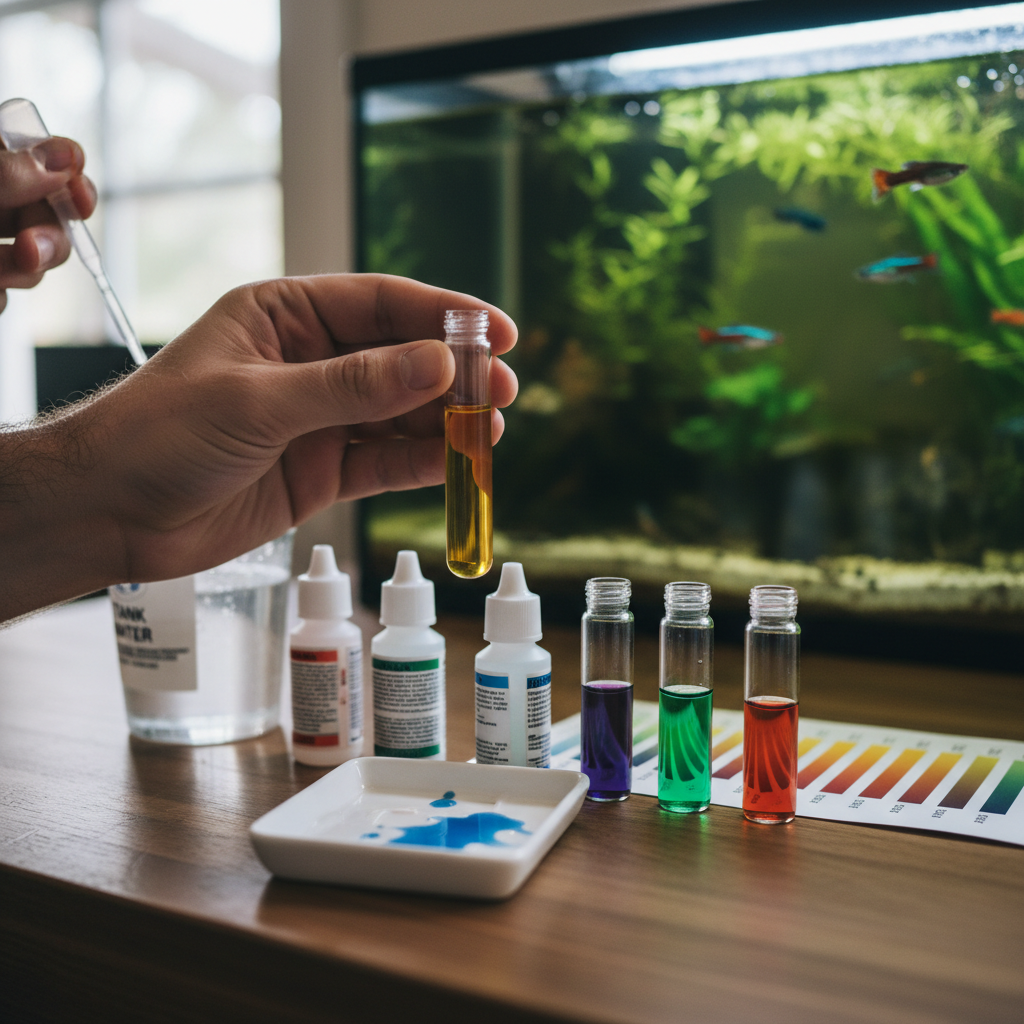
The very first thing to check is your water quality. Poor water conditions are a leading cause of stress and disease, including fin rot. Grab your liquid test kit and check ammonia, nitrite, and nitrate levels. Even if you perform regular water changes, a sudden spike can occur, especially if you've recently added new fish, overfed, or had a filter malfunction. If any levels are elevated, perform a partial water change immediately – typically 25-50% depending on the severity. This simple step can often halt the progression of fin rot and provide a cleaner environment for healing. For a deeper dive into potential causes, you can use our Fish Symptoms Checker.
Next, carefully inspect your tank decor. Sharp edges on plastic plants, rocks, or even filter intakes can cause physical damage. If you find any culprits, smooth them down or remove them. Also, observe your fish's behavior. Are there any aggressive tank mates constantly chasing or nipping at others? Sometimes, simply rearranging decor to break up lines of sight or adding more hiding spots can help. For more information on fish health, you can consult resources like the Merck Veterinary Manual.
Treating Fin Loss and Promoting Regrowth
Once you've identified the likely cause, you can take steps to treat your fish and encourage fin regrowth. Remember, fins can regrow, but it takes time and pristine water conditions.
Improving Water Quality
This is paramount for any fin issue. Consistent, clean water is the best medicine. Perform daily or every-other-day partial water changes (25-50%) until water parameters are stable and ideal (ammonia and nitrite at 0, nitrates below 20 ppm). Use a good quality water conditioner that detoxifies chlorine and chloramines.
Medication for Fin Rot
If fin rot is advanced or not improving with water changes, a broad-spectrum antibacterial medication may be necessary. Always follow the manufacturer's instructions carefully, paying close attention to dosing and duration. Be aware that some medications can harm beneficial bacteria in your filter, so monitor your water parameters closely during and after treatment. It's always best to consult with a knowledgeable aquarist or veterinarian if you're unsure about medication, especially for sensitive species. You can also use the AquaShelter treatment safety checker to cross-reference medications with your specific fish species.
Reducing Stress and Aggression
For fin nipping, consider adding more plants (live or silk) and decor to create visual barriers and hiding spots. If a particular fish is the aggressor, you might need to move it to a separate tank temporarily or permanently. Overcrowding is a major stressor, so ensure your tank is not overstocked for the species you keep. For example, if you have a single aggressive male Betta, providing ample hiding spots or a larger tank might reduce aggression towards tank mates. If that doesn't work, rehoming the Betta to its own tank might be the best solution.
Preventing Future Fin Problems
Prevention is always easier than treatment. Maintaining a healthy environment is your best defense against fin loss.
- Consistent Water Quality: Regular water changes and diligent water testing are non-negotiable.
- Appropriate Stocking: Research fish compatibility before adding new fish. Avoid mixing known fin nippers with long-finned species.
- Proper Nutrition: A varied, high-quality diet boosts your fish's immune system.
- Tank Maintenance: Keep your tank clean, but don't over-clean to the point of disrupting the beneficial bacteria.
- Quarantine New Fish: Always quarantine new fish for at least two weeks to prevent introducing diseases to your main tank.
By being proactive and observant, you can help ensure your fish keep their beautiful fins and stay healthy. For more information on related symptoms, consider reading about Fish Red Streaks on Fins.
Addressing Fin Damage: Your First Steps
Noticing fin damage on your fish can be concerning, but a calm, systematic approach helps you pinpoint the cause and respond effectively. Start by observing your fish's behavior and the tank environment. Are other fish showing similar signs? Is the damage ragged, suggesting an infection like fin rot, or clean-edged, pointing to aggression or injury? Your initial observations are key to understanding the problem.
Immediate Actions for Fin Damage
When you first spot fin damage, your immediate actions can significantly impact your fish's recovery. First, perform a partial water change (25-50%) and test your water parameters (ammonia, nitrite, nitrate, pH). Poor water quality is a frequent culprit behind fin issues. If parameters are off, address them promptly. Next, carefully inspect your tank for any sharp decorations or equipment that could be snagging fins. Remove or smooth any potential hazards. If you suspect aggression, observe tank dynamics closely, especially during feeding. Sometimes, simply rearranging decorations can break up territories and reduce conflict.
If you're unsure about the cause or if the condition worsens, consider using a diagnostic tool. For a structured approach to identifying potential issues, you can use our Fish Symptoms Checker. This can help narrow down possibilities based on the specific symptoms you observe. For more general information on fish health, the Merck Veterinary Manual offers insights into various fish disorders.
Use AquaShelter before you guess
If you are not sure whether the symptoms are coming from disease or water quality, try the AquaShelter diagnosis check before choosing a treatment.
Open the diagnosis checkDisclaimer: AquaShelter helps with triage and safer decisions, but it does not replace a qualified aquatic veterinarian.
FAQ
Can fish fins grow back after being lost?
Yes, in many cases, fish fins can regrow, especially if the underlying cause (like fin rot or aggression) is addressed quickly and water quality is maintained. The new fin tissue might look slightly different initially, but it should eventually return to normal.
How can I tell if my fish has fin rot or if its fins are being nipped?
Fin rot typically causes the fin edges to look ragged, frayed, or even fuzzy, and the fin might appear inflamed or discolored. Fin nipping usually results in cleaner, sharper tears or chunks missing from the fins, and you might observe other fish actively chasing or biting the affected fish.
What are the most important steps to take if my fish is losing its fins?
First, immediately test your water parameters (ammonia, nitrite, nitrate) and perform a partial water change if levels are elevated. Second, observe your tank for any aggressive behavior or sharp decorations. Third, if fin rot is suspected and not improving with water changes, consider a suitable antibacterial medication, always following instructions carefully.
What water parameters are most important to check when fish are losing fins?
The most important water parameters to check are ammonia, nitrite, and nitrate. High levels of any of these can stress fish, weaken their immune system, and directly contribute to fin rot or hinder healing. Aim for 0 ppm ammonia and nitrite, and nitrates below 20 ppm.