
Editorial process: The AquaShelter editorial team prepares this guide with AI-assisted drafting and automated checks for sources, safety, structure, images, and duplication. It is educational content, not a veterinary diagnosis.
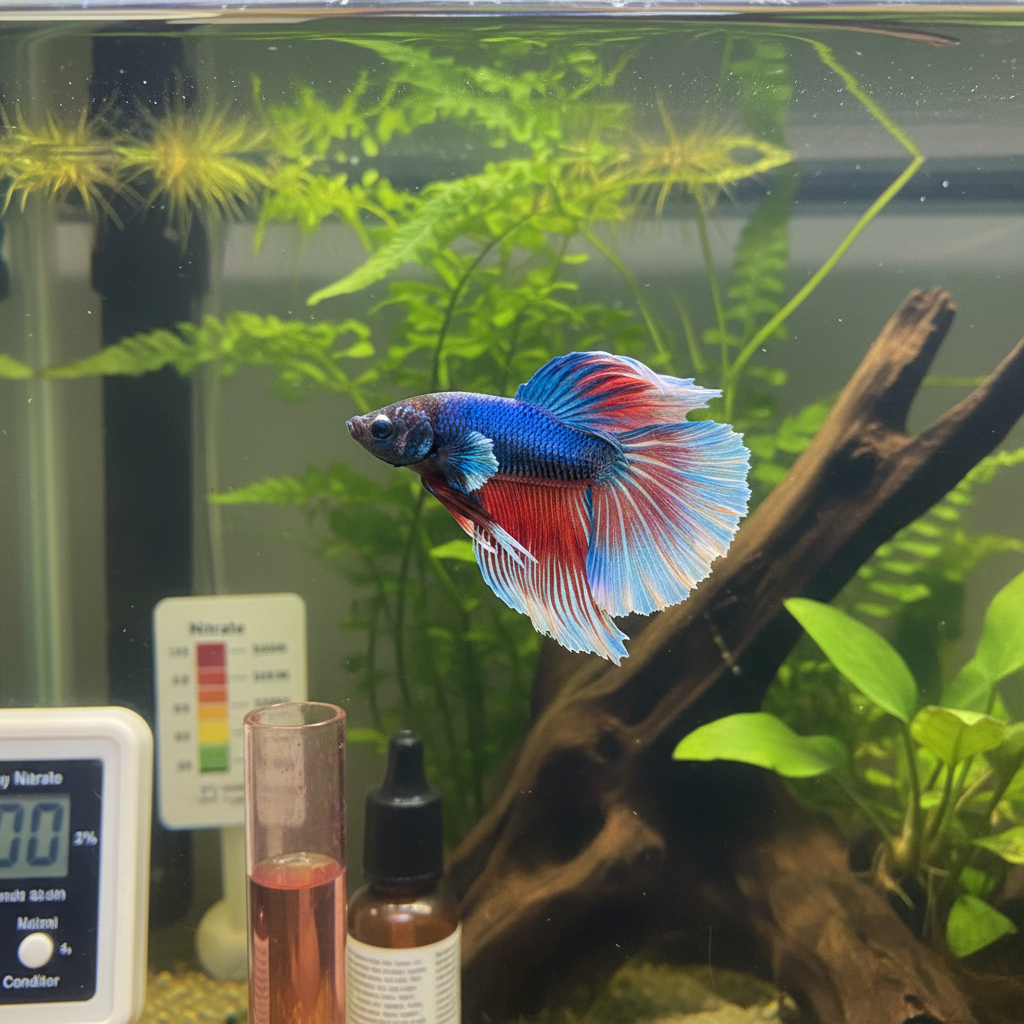
What Causes Red Streaks on Fish Fins?
Red streaks on fins are typically a symptom of a bacterial infection, often referred to as hemorrhagic septicemia. This condition usually doesn't appear out of nowhere; it's a secondary issue that arises when a fish's immune system is weakened. Think of it like a cut on your hand getting infected – the cut itself isn't the infection, but it creates an opening for bacteria to take hold.
The most common culprits behind weakened fish immunity and subsequent bacterial infections are:
- Poor Water Quality: High ammonia, nitrite, or nitrate levels, or unstable pH, are major stressors. These irritate fish gills and skin, making them vulnerable.
- Overcrowding: Too many fish in a tank leads to increased waste, poor water quality, and competition for resources, all of which cause stress.
- Stress: Sudden temperature changes, aggressive tank mates, or even improper diet can stress fish, lowering their resistance to disease.
- Physical Injury: Nips from other fish or scrapes on tank decor can create entry points for bacteria.
For example, imagine you have a 10-gallon tank with five guppies. You've been a bit lax on water changes, and the filter media hasn't been rinsed in a while. Suddenly, one of your guppies develops faint red lines on its tail fin. This scenario points directly to declining water quality as the likely trigger for a bacterial issue. If you notice other symptoms like fish bloating or constipation, these could also indicate underlying water quality issues.
Your First Steps: Water Testing and Changes
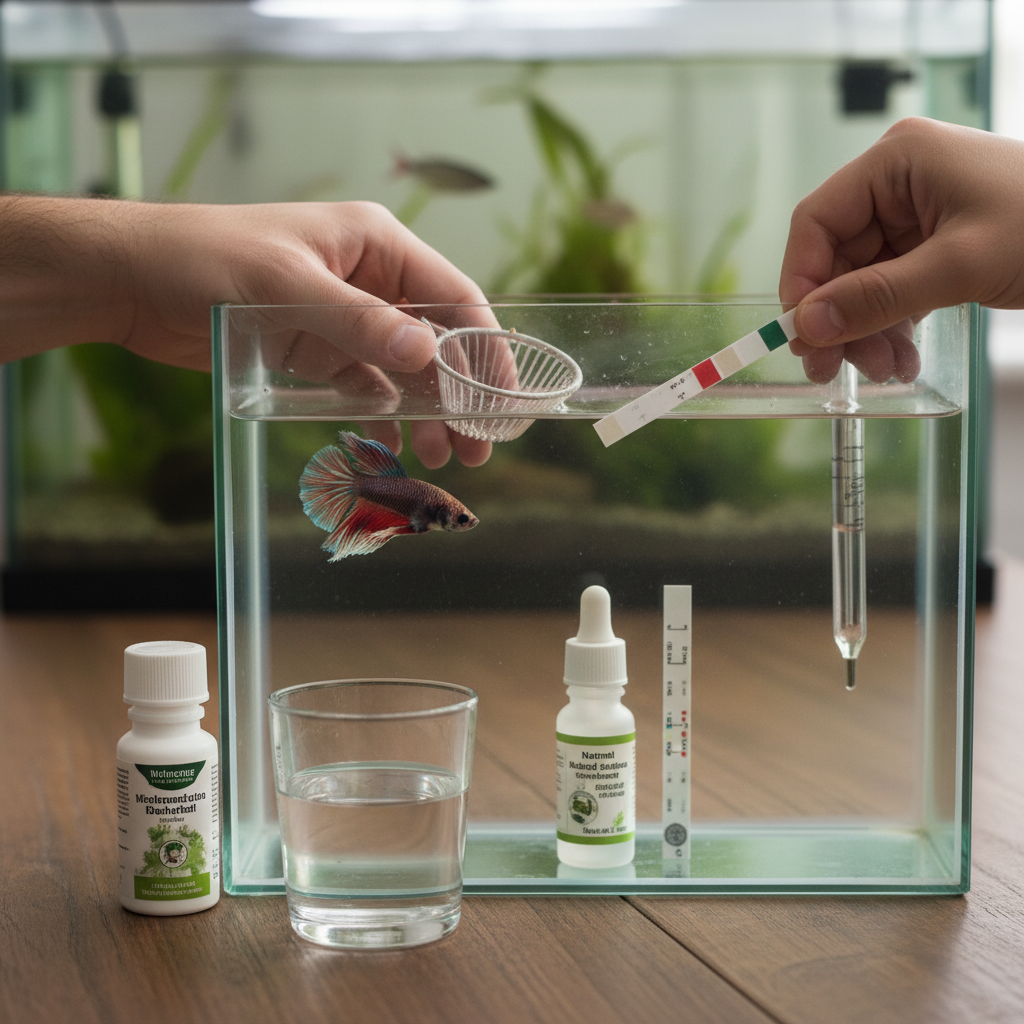
When you spot red streaks, your immediate priority is to check your water parameters. Grab your reliable liquid test kit – strips are often inaccurate – and check ammonia, nitrite, and nitrate levels immediately. Don't guess; get the numbers. If ammonia or nitrite are present, or nitrates are above 20 ppm, a significant water change is your most effective first step.
Perform a 30-50% water change, ensuring the new water is dechlorinated and temperature-matched to avoid further stress. This dilutes toxins and provides a cleaner environment for your fish to begin healing. While you're doing this, gently clean any visible detritus from the substrate and check your filter for blockages. A clean, stable environment is the foundation for recovery. If you're seeing other symptoms like fish losing fins or fish losing color, addressing water quality is still the primary concern.
Considering Treatment Options
Once water quality is addressed, you might need to consider medication. For bacterial infections causing red streaks, broad-spectrum antibacterial medications are often used. However, always read the instructions carefully and understand the active ingredients. Some medications can harm beneficial bacteria in your filter, so be prepared to monitor water parameters closely during and after treatment. Before adding any medication, it's wise to isolate the affected fish in a hospital tank if possible. This prevents the medication from affecting healthy fish and allows for more precise dosing. If you're unsure about which medication to use or the severity of the infection, consulting with a local fish store expert or an aquatic veterinarian is always a good idea. Remember, medication is a tool, not a magic bullet. If the underlying cause (like poor water quality) isn't fixed, the problem will likely return. The MSD Veterinary Manual on Bacterial Diseases of Finfish provides further information on these types of infections.
What Not to Do
- Don't ignore it: Red streaks won't just go away on their own. They indicate a serious problem.
- Don't overmedicate: Using too much medication or the wrong type can do more harm than good.
- Don't neglect water changes: Even with medication, clean water is paramount for recovery.
- Don't add new fish: Introducing new fish to an unhealthy tank will only spread potential issues and add more stress.
Preventing Future Outbreaks
Prevention is always easier than treatment. Here are some practical steps to keep your fish healthy and prevent red streaks:
- Regular Water Changes: Stick to a consistent schedule, typically 25% weekly, depending on your tank size and stocking.
- Proper Filtration: Ensure your filter is adequately sized for your tank and that filter media is cleaned or replaced as recommended.
- Avoid Overfeeding: Excess food decays and pollutes the water. Feed small amounts that your fish can consume in a few minutes.
- Quarantine New Fish: Always quarantine new fish for 2-4 weeks before adding them to your main tank. This helps prevent introducing diseases.
- Monitor Tank Mates: Ensure all fish are compatible to minimize stress and aggression. If you notice aggression, you might need to re-evaluate your tank's stocking or consider our guide on fish stress.
By maintaining stable, clean water and a low-stress environment, you significantly reduce the chances of your fish developing red streaks on their fins. If you're ever unsure about a symptom, AquaShelter's symptom checker can help you narrow down possibilities and guide your next steps, such as when to consider fin rot treatment if the condition progresses.
Use AquaShelter before you guess
If you are not sure whether the symptoms are coming from disease or water quality, try the AquaShelter diagnosis check before choosing a treatment.
Open the diagnosis checkDisclaimer: AquaShelter helps with triage and safer decisions, but it does not replace a qualified aquatic veterinarian.
FAQ
Are red streaks on fins always a sign of a bacterial infection?
Most often, yes. Red streaks, sometimes called 'blood streaks,' are a classic symptom of bacterial hemorrhagic septicemia, which usually occurs when a fish's immune system is compromised by poor water quality or stress.
Can red streaks on fins spread to other fish?
While the bacterial infection itself might not directly 'spread' like a virus, the underlying conditions that caused it (like poor water quality or stress) affect all fish in the tank. This means if one fish has red streaks, others are likely under similar stress and could develop symptoms soon. Addressing the tank environment is key to preventing a wider outbreak.
How quickly can I expect my fish to recover after treatment?
Recovery time varies depending on the severity of the infection and how quickly you intervene. With prompt water changes and appropriate medication, you might see improvement in a few days, but full recovery can take a week or more. Continue to monitor your fish and maintain excellent water quality.
Can red streaks on fins be caused by physical injury instead of poor water quality?
Yes, absolutely. While poor water quality is a common culprit, physical injuries from aggressive tank mates, sharp decor, or even rough handling can create open wounds that then become infected, leading to red streaks. Always observe your fish's behavior and tank environment for potential sources of injury.