
Editorial process: The AquaShelter editorial team prepares this guide with AI-assisted drafting and automated checks for sources, safety, structure, images, and duplication. It is educational content, not a veterinary diagnosis.
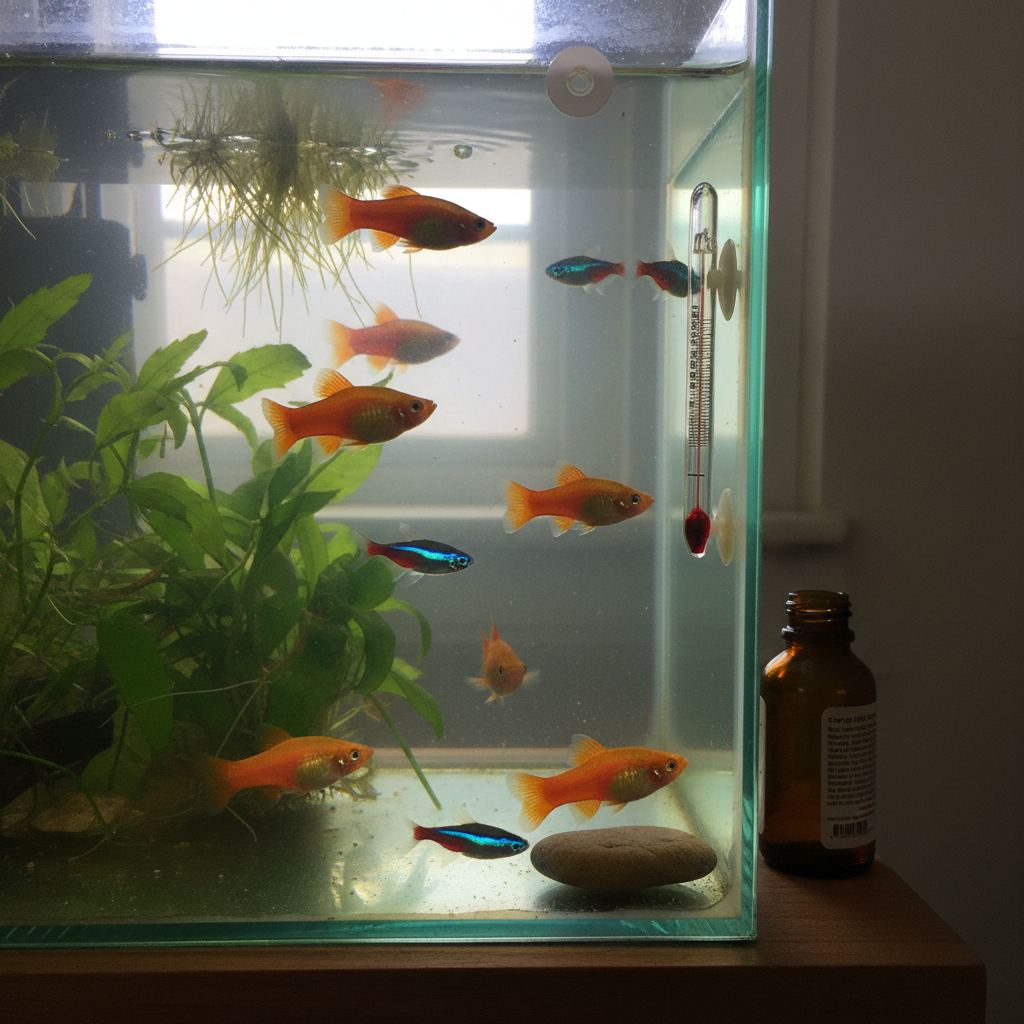
Velvet is often confused with ich because both can cause scratching and visible spots. Ich usually looks like distinct salt grains. Velvet can look like a fine dusting, sometimes easier to see with a flashlight. Fish may look dull, clamp fins, hide, or breathe quickly.
Why velvet is urgent
Velvet can irritate gills and spread quickly. If fish are gasping, go to the fish gasping at surface workflow as well. Oxygen support matters while you decide treatment.
Check water before treatment
Poor water weakens fish and makes parasites more dangerous. Test ammonia and nitrite if possible. If the tank is unstable, correct water quality before layering strong treatments. Copper and other medications can be risky for invertebrates and sensitive species.
Treatment thinking
Velvet treatment depends on freshwater versus saltwater, livestock sensitivity, and product choice. Follow label directions, remove carbon if required, and avoid mixing medications. Quarantine can help, but if the whole tank is exposed, the display system still needs a plan.
How to avoid confusion
If you see distinct white dots, compare with white spots on fish. If there is no coating but fish are dying suddenly, ammonia or oxygen may be more likely than velvet.
Seeing Your Fish Unwell: First Steps for Velvet
Seeing your fish unwell is tough. Velvet disease, caused by a parasite, can spread fast and make fish look dull, breathe hard, or rub against tank decorations. Before you reach for medication, take a breath. Your first move is to understand what’s happening in the tank and with your fish. Are they gasping at the surface? Are there any visible spots or a dusty coating? Knowing these details helps you decide the best next step. If you're unsure about the symptoms, use our fish symptom checker to help narrow it down.
What to Check Before Treatment
Before any treatment, check your water quality. Ammonia and nitrite spikes stress fish, making them more vulnerable. If your tank parameters are off, address those first. A stressed fish won't respond well to medication. Also, think about your tank's history: have you added new fish recently? Did you quarantine them? New additions are a common way for parasites like those causing velvet disease to enter a system. Understanding the potential source can help prevent future outbreaks.
When considering treatment for velvet disease, remember that some medications can be harmful to invertebrates or sensitive fish species. Always read product labels carefully and consider the entire ecosystem of your tank. For a broader understanding of fish diseases and their management, consult reliable resources like the Merck Veterinary Manual fish disease overview. This can provide valuable context for recognizing symptoms and understanding treatment limitations.
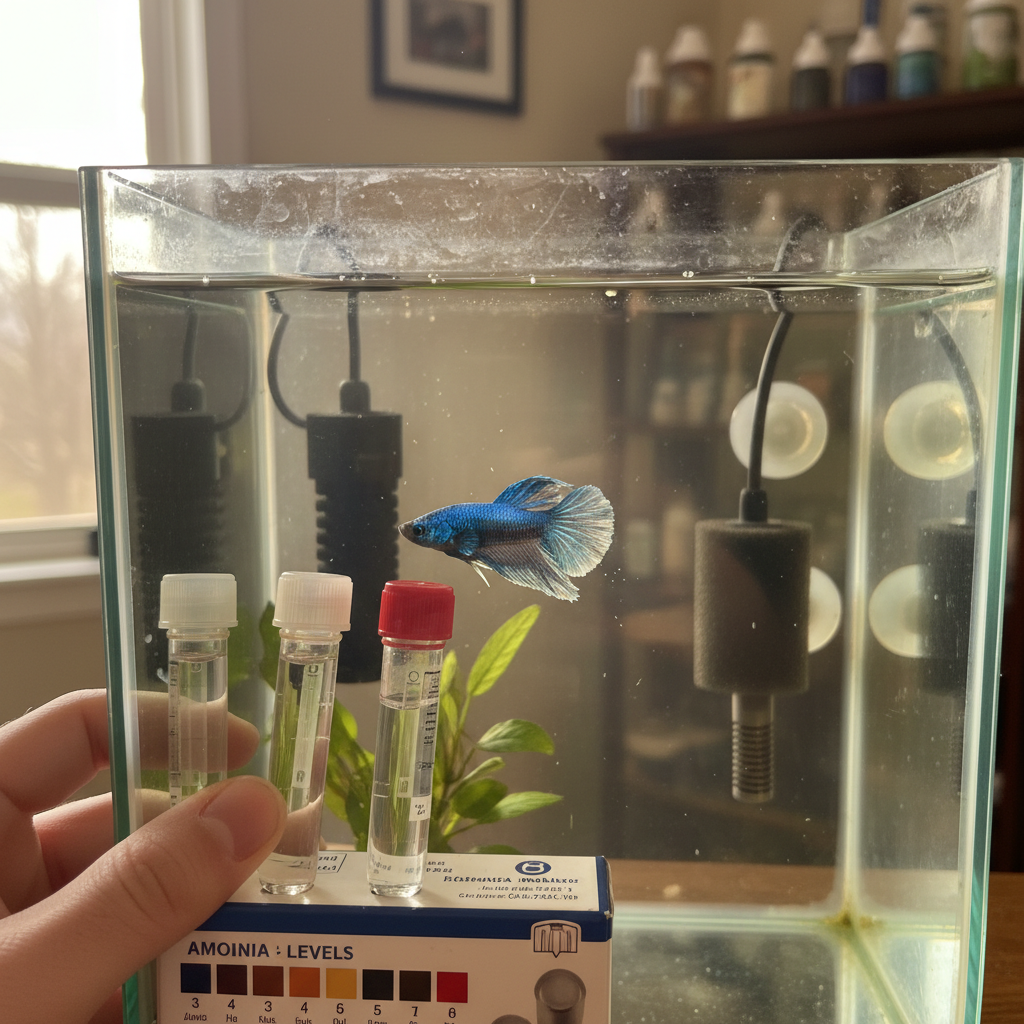
Use AquaShelter before you guess
If you are not sure whether the symptoms are coming from disease or water quality, try the AquaShelter diagnosis check before choosing a treatment.
Open the diagnosis checkDisclaimer: AquaShelter helps with triage and safer decisions, but it does not replace a qualified aquatic veterinarian.
FAQ
Is velvet the same as ich?
No. They can look similar, but velvet often appears as fine dust and can affect breathing quickly.
Can I use copper for velvet?
Copper is used in some situations but is dangerous for invertebrates and some systems. Species and tank type matter.
Should I turn off aquarium lights?
Some protocols reduce light, but it is not a substitute for correct treatment and water stabilization.