
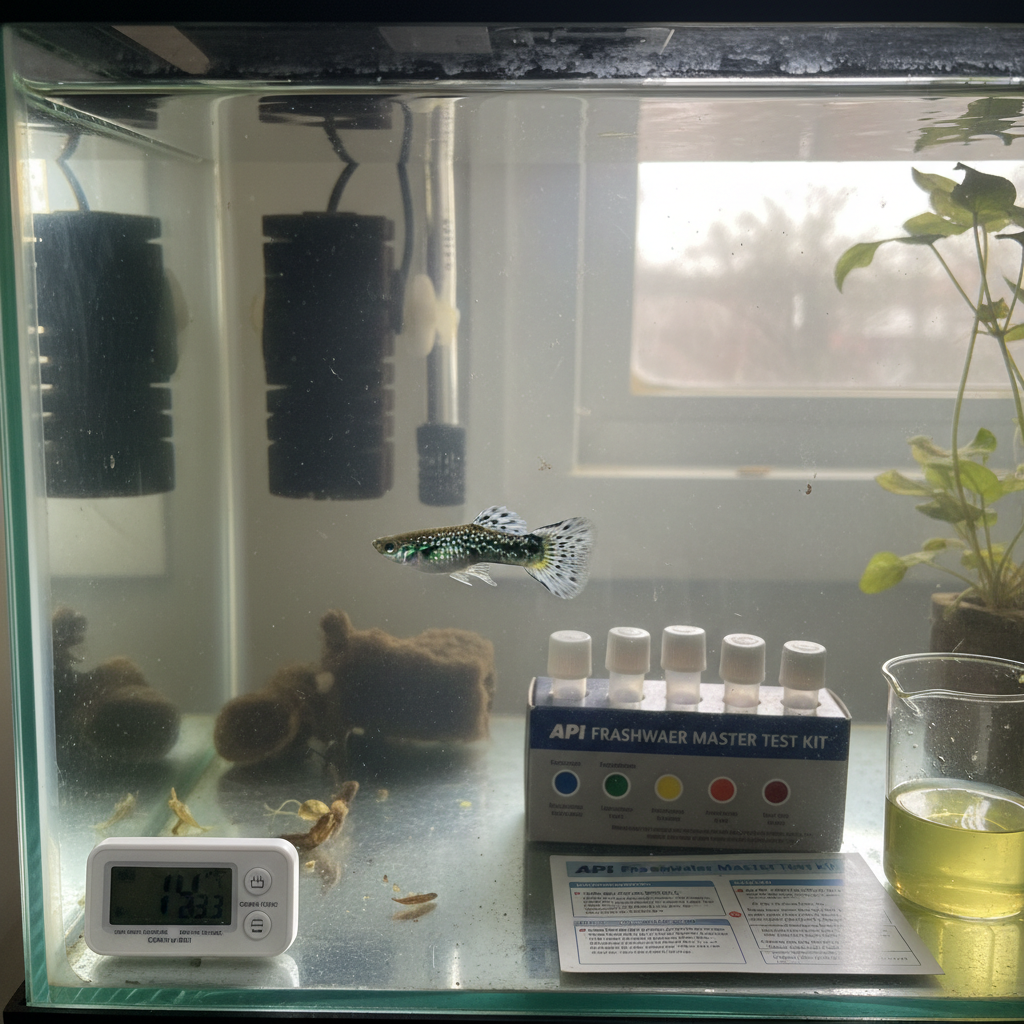
Aquarium fish dying can feel random, but the first hour should be structured. A fish can die from an infection, parasites, stress, aggression, bad acclimation, or old age. Still, when more than one fish is affected, the aquarium environment deserves the first inspection. Water carries oxygen, waste, temperature, medication, chlorine, pH swings, and every dissolved irritant. If the water is unsafe, every fish is exposed at the same time.
Do these checks first
Start with the simplest actions that reduce immediate risk. Remove any dead fish so ammonia does not rise further. Turn up aeration, aim the filter outlet at the surface, or add an air stone. Stop feeding for 24 hours unless you are caring for fry or a species with special needs. Feeding adds waste while the system may already be struggling.
Look at the whole tank. Are several fish breathing fast? Are they near the surface? Are shrimp, snails, or sensitive fish affected first? Did the water become cloudy after cleaning, adding new fish, changing filter media, or using medication? These patterns matter more than one isolated symptom.
Water quality is the most common suspect
Ammonia and nitrite are the two emergency parameters. Both can damage gills and make fish gasp even when the tank looks clean. In a new tank, a recently deep-cleaned tank, or a tank with a clogged filter, the biological filter may not be processing waste fast enough. That is why a fish can look fine yesterday and crash today.
If you have a test kit, check ammonia, nitrite, nitrate, pH, and temperature. If ammonia or nitrite is above zero in a stocked freshwater tank, treat it as urgent. Read the detailed guide on ammonia poisoning symptoms if fish are gasping, clamping fins, hanging near flow, or dying after a maintenance mistake.
If you do not have a kit, you can still triage. New tank under eight weeks old, heavy stocking, missed water changes, overfeeding, dead fish hidden in decor, or washing filter media under tap water all raise the risk of toxic nitrogen waste. This is not as precise as testing, but it is a useful risk workflow.
Oxygen problems can look like disease
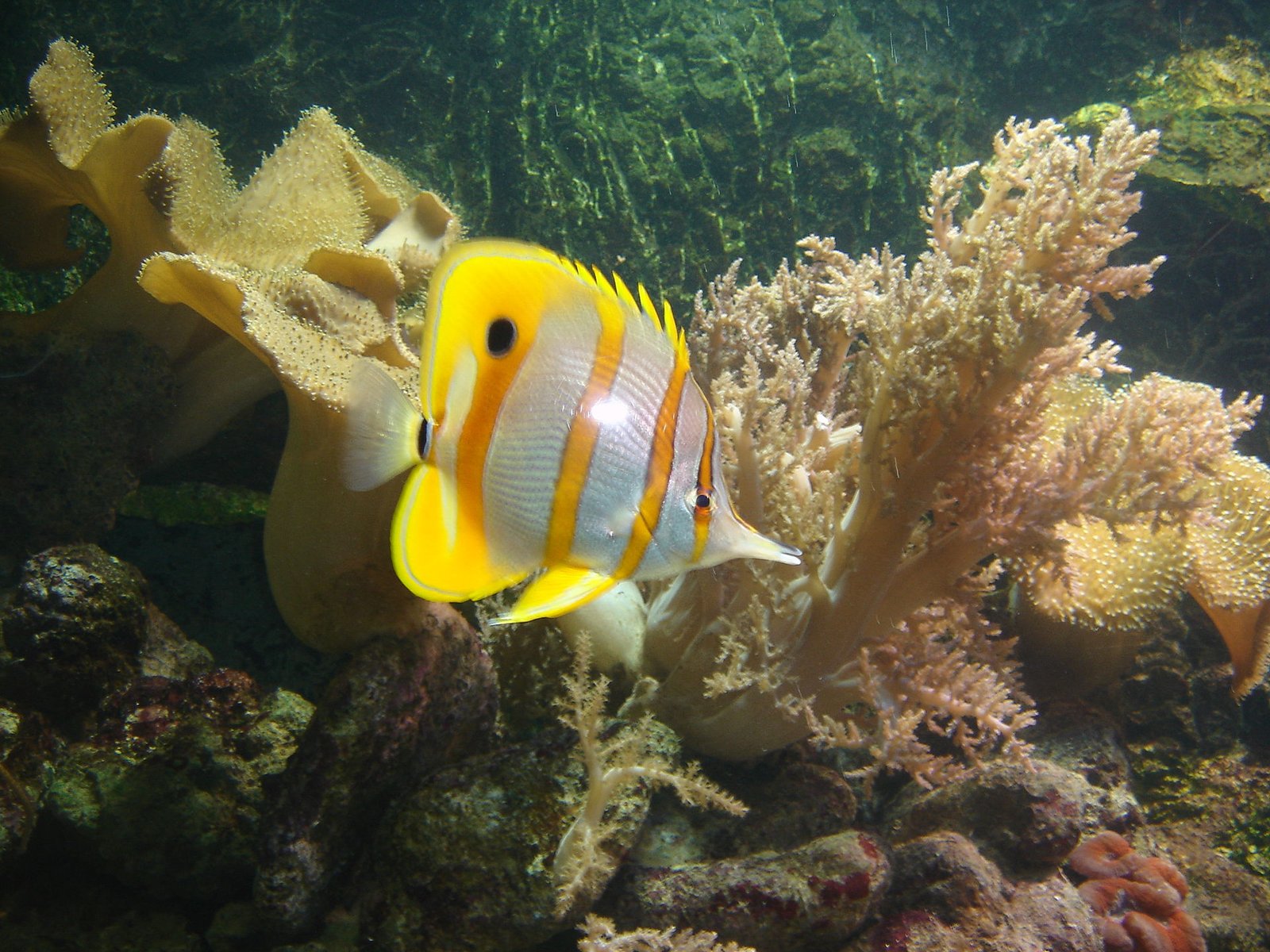
Low oxygen causes fish to breathe fast, gather near the surface, sit close to filter output, or become weak after lights have been off for hours. Warm water holds less oxygen. Medication, bacterial blooms, overcrowding, and decaying organic matter can reduce oxygen further. A fish symptoms checker should treat gasping as urgent because the fish may not have time to wait for a perfect diagnosis.
Increase surface agitation before doing anything complicated. Do not cover the surface with floating plants during an emergency. If the tank is very warm, lower it slowly only if the species can tolerate the change. Sudden temperature swings can add another stressor.
Ask what changed recently
Most sudden aquarium fish deaths have a trigger. New fish may introduce parasites or bacteria, but they can also overload a young filter. A large water change can help, but untreated tap water, wrong temperature, or a big pH difference can shock fish. Cleaning all filter media at once can remove beneficial bacteria. Sprays, soap, paint fumes, insecticide, or lotion on hands can contaminate water.
Write down the last 72 hours: feeding, water change, filter cleaning, new livestock, new plants, new decor, medication, power outage, heater issue, and any dead animal found. This timeline often explains more than the visible symptom.
When disease becomes more likely
Disease rises on the list when water and oxygen look stable, only one or a few fish are affected, or there are specific signs: cottony growth, ulcers, swollen belly, pineconing scales, flashing, stringy waste, cloudy eyes, fin rot, or salt-like white dots. White dots scattered over fins and body often point toward ich, but not every white mark is ich. If that is what you see, read the fish white spots treatment guide before adding salt or medication.
Do not mix random medications. Many fish die from the combination of illness, poor water, low oxygen, and strong medication. Scaleless fish, shrimp, snails, fry, and some plants can be sensitive to treatments that other tanks tolerate. Diagnosis should include the species in the tank, not only the symptom.
A practical emergency plan
- Remove dead fish and visible waste.
- Increase aeration and surface movement.
- Stop feeding temporarily.
- Check temperature and equipment.
- Test ammonia and nitrite if possible.
- If ammonia or nitrite is suspected, do a partial water change with dechlorinated, temperature-matched water.
- Observe symptoms again after water and oxygen are stabilized.
A partial water change is often safer than guessing medication when the tank has a water-quality risk. The exact size depends on the tank, species, and readings. In an emergency with toxic ammonia or nitrite, repeated partial changes can be safer than one huge, shocking change.
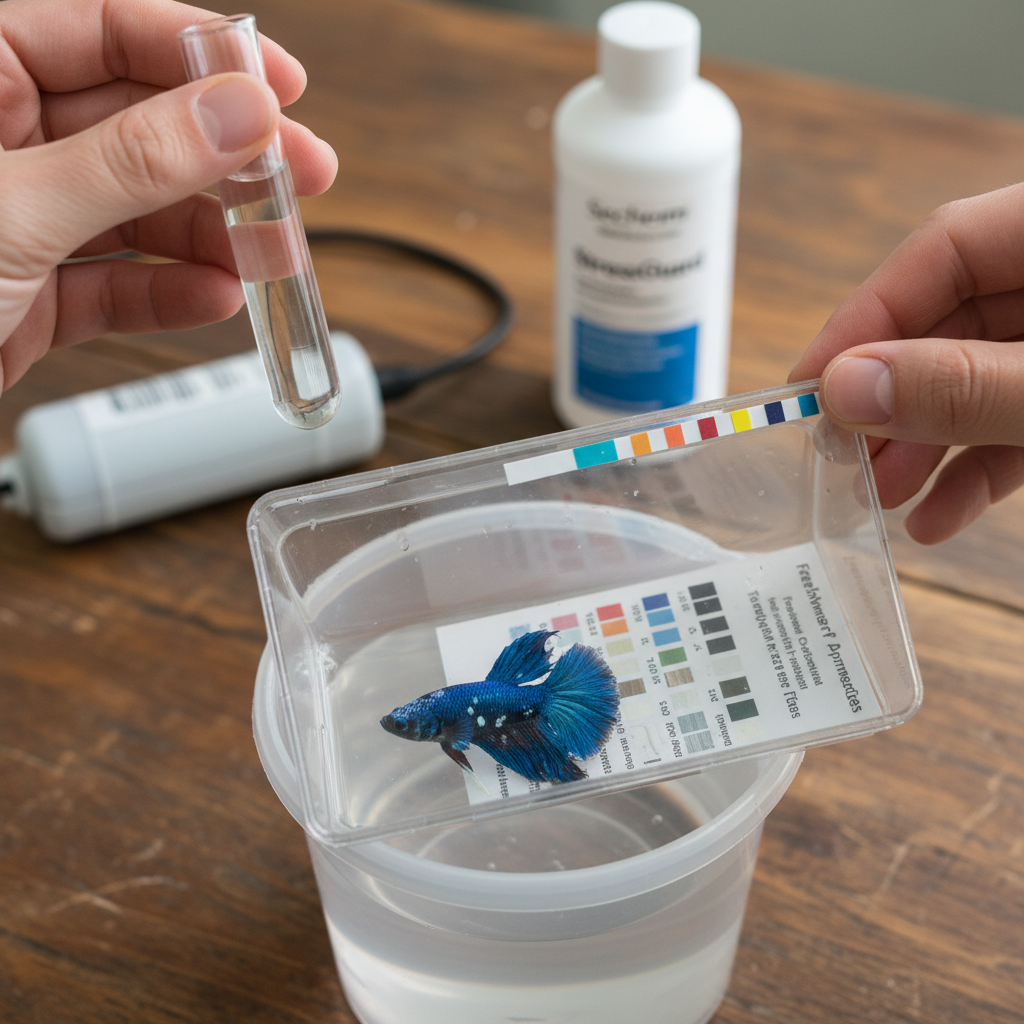
Use AquaShelter for structured triage
If you are not sure whether the symptoms are coming from disease or water quality, try the AquaShelter diagnosis check before choosing a treatment.
Open fish symptoms checkerWhat not to do
Do not clean the whole tank, replace all filter media, and medicate at the same time. Do not add salt to every tank by default. Do not assume a clean-looking aquarium is safe. Clear water can still contain ammonia or nitrite. Also avoid chasing pH unless you know the real problem. Stable pH is usually safer than a sudden correction.
Disclaimer: AquaShelter helps with triage and safer decisions, but it does not replace a qualified aquatic veterinarian.
FAQ
Why are my fish dying suddenly overnight?
Sudden deaths are commonly linked to oxygen shortage, ammonia or nitrite spikes, temperature shock, contamination, or a major recent change. Check water, aeration, and recent maintenance before choosing medication.
Should I treat the whole tank when one fish dies?
Not automatically. First remove the dead fish, check water quality, observe the remaining fish, and look for shared symptoms. Treat the whole tank only when the pattern points to a contagious issue or a water-wide problem.
Can AquaShelter diagnose my fish?
AquaShelter helps organize symptoms, tank history, and risk factors so you can triage more safely. It does not replace a qualified aquatic veterinarian.