
Editorial process: The AquaShelter editorial team prepares this guide with AI-assisted drafting and automated checks for sources, safety, structure, images, and duplication. It is educational content, not a veterinary diagnosis.
What Does Fish Constipation Look Like?
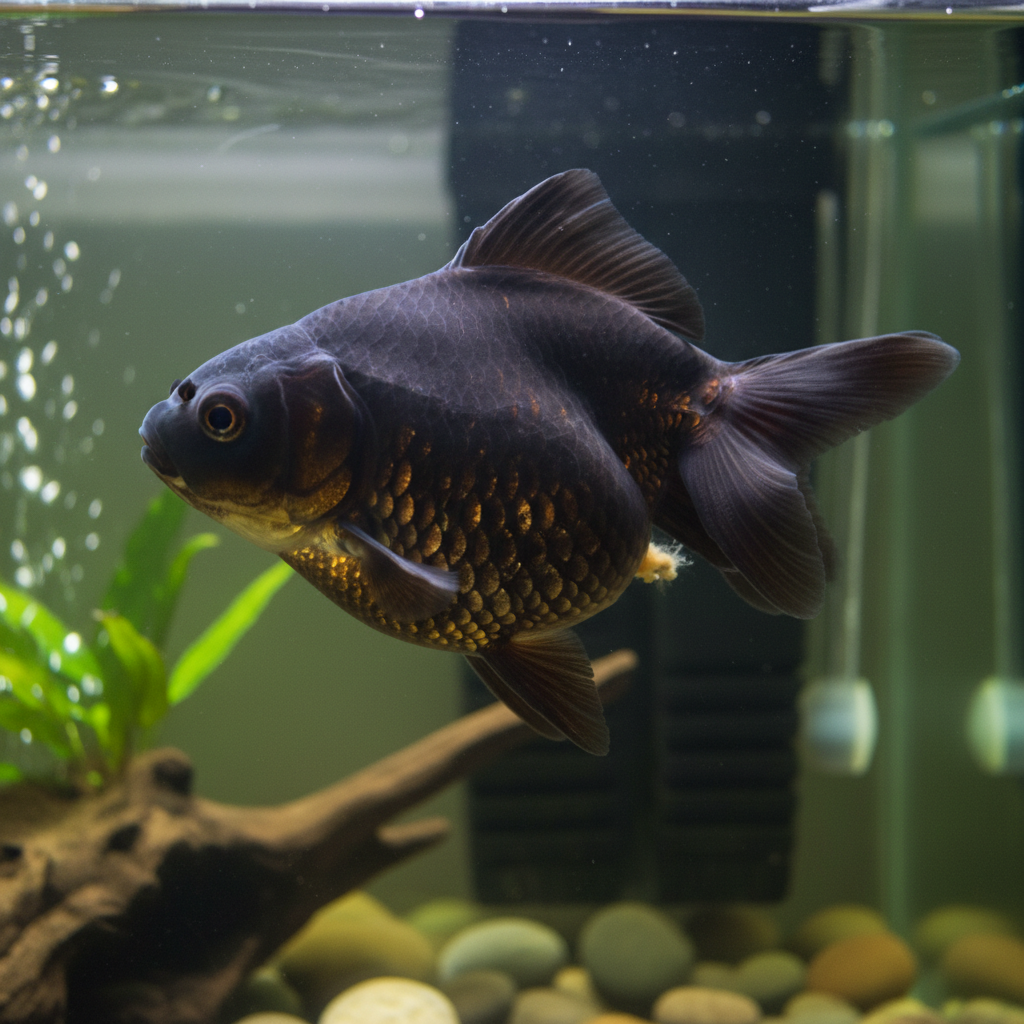
The most obvious sign of fish constipation is a swollen or bloated belly, especially if it's accompanied by a lack of visible waste. You might notice your fish isn't pooping at all, or its waste is unusually stringy or pale. Sometimes, a constipated fish will also become lethargic, lose its appetite, or even struggle to swim properly, occasionally floating head-up or tail-up. If your fish is usually active and suddenly becomes still or hides more, it's worth checking for other symptoms. For example, if your goldfish, typically a voracious eater, suddenly stops eating and appears to have swallowed a marble, and you notice no waste production, constipation is a strong possibility. When the signs overlap, fish mouth rot gives a more focused next step. A useful follow-up guide is betta fish diseases if the tank history points that way.
Common Causes of Fish Constipation
Most cases of fish constipation can be traced back to a few common issues:
- Diet: This is often the biggest culprit. Many dry flake or pellet foods expand significantly in the fish's stomach after eating, especially if they're not pre-soaked. A diet too high in protein and low in fiber can also contribute.
- Overfeeding: Giving your fish too much food at once can overwhelm their digestive system.
- Lack of Variety: Feeding the same type of food day in and day out can lead to nutritional imbalances.
- Stress: A stressed fish might have a weakened immune system, leading to digestive issues, or it might refuse to eat, which can also disrupt its normal digestive rhythm. You can learn more about fish stress symptoms and causes.
- Water Quality: While less direct, poor water quality can stress fish, which in turn can affect their digestion. High ammonia, nitrites, or nitrates, or incorrect pH/temperature, weaken a fish's immune system and overall health, making them more susceptible to digestive issues like constipation. Always keep an eye on your water parameters.
Gentle Treatments for Constipated Fish
When you suspect constipation, the goal is to help your fish pass the blockage gently. Avoid harsh chemicals or medications unless advised by a vet, as these can do more harm than good.
1. Fasting
The first step is often to stop feeding your fish for 24-48 hours. This gives their digestive system a chance to clear out any existing blockages.
2. Feed Blanched Peas
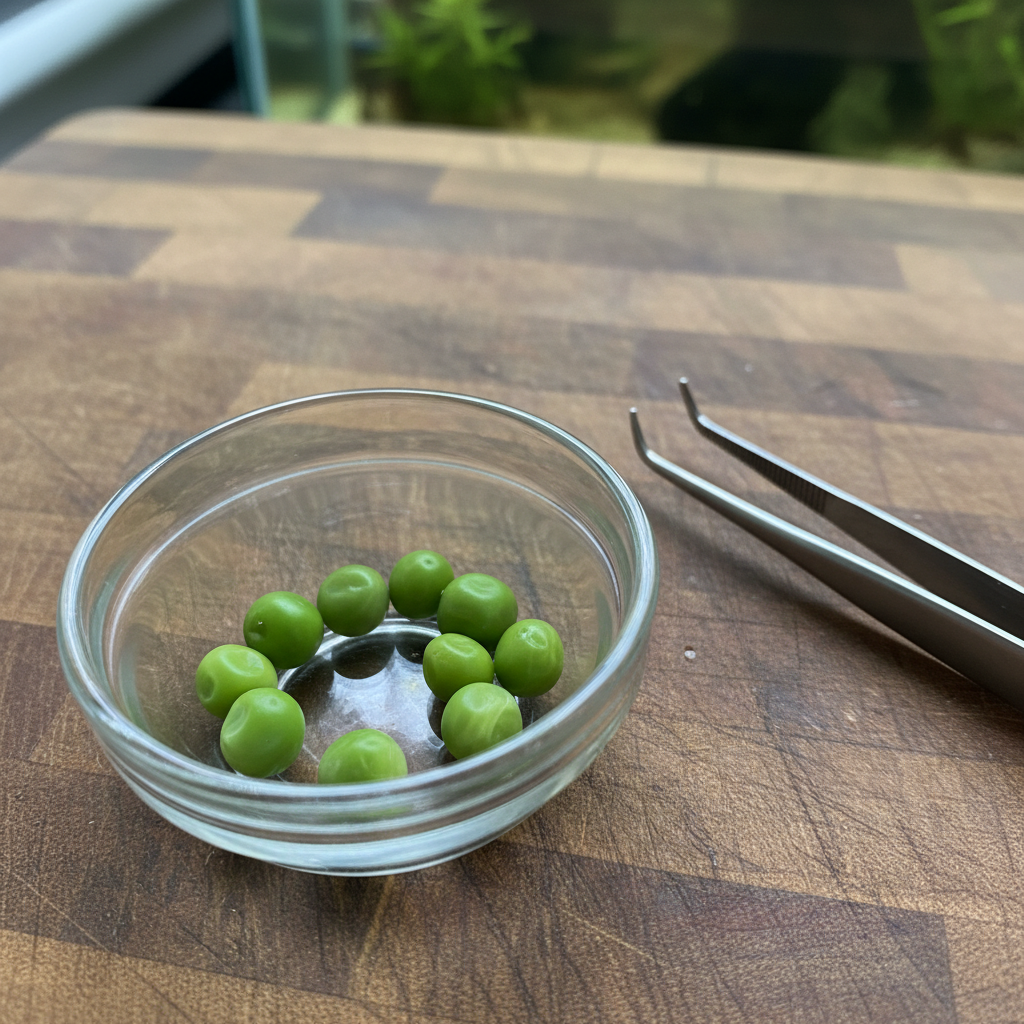
After fasting, offer blanched, deshelled peas. Peas are high in fiber and act as a natural laxative for many fish. Simply boil a frozen pea until soft, let it cool, remove the outer skin, and then cut it into small, bite-sized pieces appropriate for your fish. Feed only a small amount.
3. Epsom Salt Baths (Carefully!)
For more stubborn cases, a short-term Epsom salt bath can help. Epsom salt (magnesium sulfate) is a muscle relaxant and can help relieve internal blockages. Use only pure, unfragranced Epsom salt, not aquarium salt or table salt. Always monitor your fish closely during an Epsom salt bath and return them to their main tank if they show signs of distress. This is a last resort and should be used with caution; consult an aquatic veterinarian for specific guidance.
4. Improve Diet Variety
Once your fish recovers, prevent future constipation by varying their diet. Incorporate high-quality flakes or pellets, but also offer frozen foods like bloodworms or brine shrimp, and fresh vegetables like blanched zucchini or spinach. Pre-soaking dry foods for a few minutes before feeding can also help prevent them from expanding in your fish's stomach.
When to Seek Further Help
If your fish's bloating doesn't improve after a few days of these gentle treatments, or if they develop other severe symptoms like dropsy (pineconing scales), it's time to consider other possibilities. Persistent bloating can sometimes be a symptom of more serious internal infections or organ failure. Consult with an aquatic veterinarian or an experienced fish store professional. If you're unsure about the symptoms or if your fish isn't improving, consider using our fish symptoms checker for more guidance.
One common confusion is between constipation and swim bladder disorder. While a constipated fish might struggle with buoyancy, a true swim bladder issue often presents with more severe and prolonged disorientation, such as constant upside-down swimming or being stuck at the tank bottom. If you've tried the gentle constipation remedies and your fish is still exhibiting severe buoyancy problems, it's time to investigate further. Similarly, if the bloating is accompanied by scales protruding (pineconing), that's a strong indicator of dropsy, a much more serious condition requiring immediate attention. Don't delay in seeking a diagnosis if you suspect something beyond simple digestive upset. For additional insights, you can refer to resources like the University of Florida's guide on fish health, available at edis.ifas.ufl.edu.
Sometimes, what looks like simple constipation can be a symptom of something more serious. If your fish is showing signs of constipation but also has visible injuries, such as torn fins or body scrapes, or if there are other fish in the tank exhibiting unusual behaviors or lesions, you might be dealing with a bacterial infection. Bacteria can cause internal inflammation and organ damage, leading to digestive issues that mimic constipation. In these cases, treating only for constipation won't resolve the underlying problem. It's worth checking out our symptom checker to see if other signs point to a different diagnosis.
Also, be mindful of any medications you've recently used in the tank. Some treatments, especially those for parasites or certain bacterial infections, can be harsh on a fish's system and disrupt their gut flora, leading to temporary digestive upset. Always research the side effects of any medication before use, and consider using an aquarium treatment safety checker if you're unsure. If you suspect medication is the cause, a gentle approach to recovery, focusing on pristine water quality and a light, easily digestible diet, is often best.
What to Do After Initial Constipation Treatment
Even after successfully treating your fish for constipation, continued observation is key. A fish that has recently experienced digestive issues might be more susceptible to recurrence if the underlying causes aren't fully addressed. For example, if you've used blanched peas to help clear a blockage, don't immediately revert to the old feeding routine. Instead, gradually reintroduce their regular diet, ensuring you're not overfeeding and that the food is appropriate for their species. Consider soaking dry foods before feeding to prevent them from expanding in your fish's stomach.
Preventing Future Constipation
Long-term prevention involves a holistic approach to your fish's care. Review your feeding practices: are you offering a varied diet that includes high-fiber options? Are you feeding small amounts multiple times a day rather than one large meal? Beyond diet, consistently monitor your water parameters. Poor water quality can stress fish, making them more vulnerable to health issues, including digestive problems. Regular water changes and testing for ammonia, nitrites, and nitrates are essential. If you're unsure about specific symptoms or need further guidance, our fish symptoms checker can help you identify potential issues early.
Remember, a healthy environment and a balanced diet are your best defenses against fish constipation. If you notice any lingering signs of discomfort or unusual behavior, consult a veterinarian specializing in aquatic animals. The Merck Veterinary Manual offers valuable insights into general fish health and disease management, which can be a helpful resource for understanding broader issues affecting your fish's well-being: https://www.merckvetmanual.com/all-other-pets/fish/disorders-and-diseases-of-fish.
Use AquaShelter before you guess
If you are not sure whether the symptoms are coming from disease or water quality, try the AquaShelter diagnosis check before choosing a treatment.
Open the diagnosis checkDisclaimer: AquaShelter helps with triage and safer decisions, but it does not replace a qualified aquatic veterinarian.
FAQ
How long can a fish go without pooping?
Most healthy fish poop regularly, often multiple times a day, especially after feeding. If your fish hasn't pooped in 24-48 hours and shows other signs like bloating or lethargy, it's a good indication of constipation.
Can fish constipation be fatal?
While not immediately fatal, prolonged or severe constipation can lead to serious health issues, including internal organ damage or secondary infections, which can be fatal. Early intervention is key.
What foods can prevent fish constipation?
A varied diet is best. Include high-quality flakes or pellets, but also offer frozen foods like brine shrimp or bloodworms, and fresh blanched vegetables such as peas, zucchini, or spinach. Pre-soaking dry foods can also help.
Can stress cause fish constipation?
Yes, stress can indirectly contribute to constipation. A stressed fish might have a weakened immune system, leading to digestive issues, or it might refuse to eat, which can also disrupt its normal digestive rhythm. Ensuring stable water parameters, appropriate tank mates, and a calm environment can help reduce stress and support overall fish health.