
Editorial process: The AquaShelter editorial team prepares this guide with AI-assisted drafting and automated checks for sources, safety, structure, images, and duplication. It is educational content, not a veterinary diagnosis.
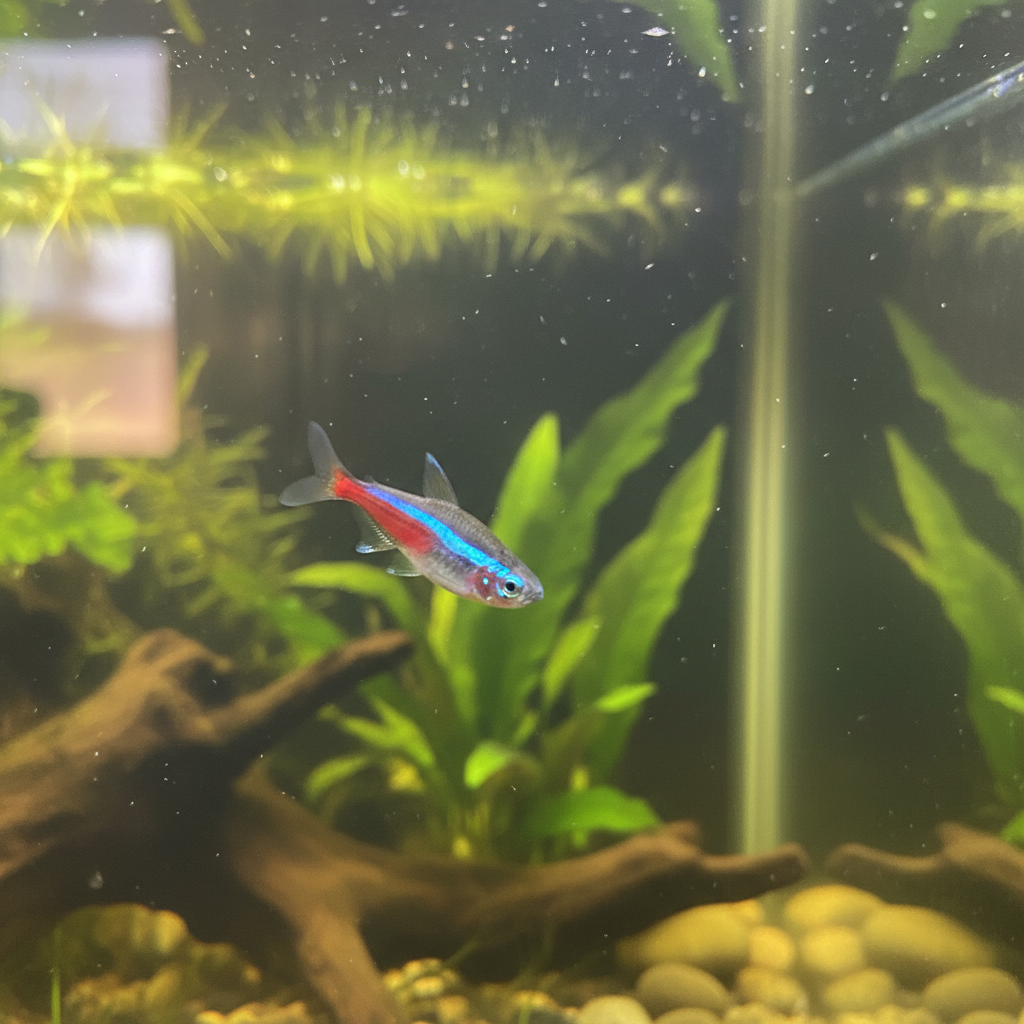
What Does Erratic Swimming Look Like?
Erratic swimming isn't just a fish moving quickly; it's an uncoordinated, unusual movement. You might see your fish darting rapidly from one side of the tank to the other, bumping into decor, twitching its body, or even swimming in circles. Sometimes, it looks like they're trying to scratch themselves on objects, which is often called "flashing." These behaviors are different from a fish simply exploring or chasing food. If you observe these patterns, it's time to investigate.
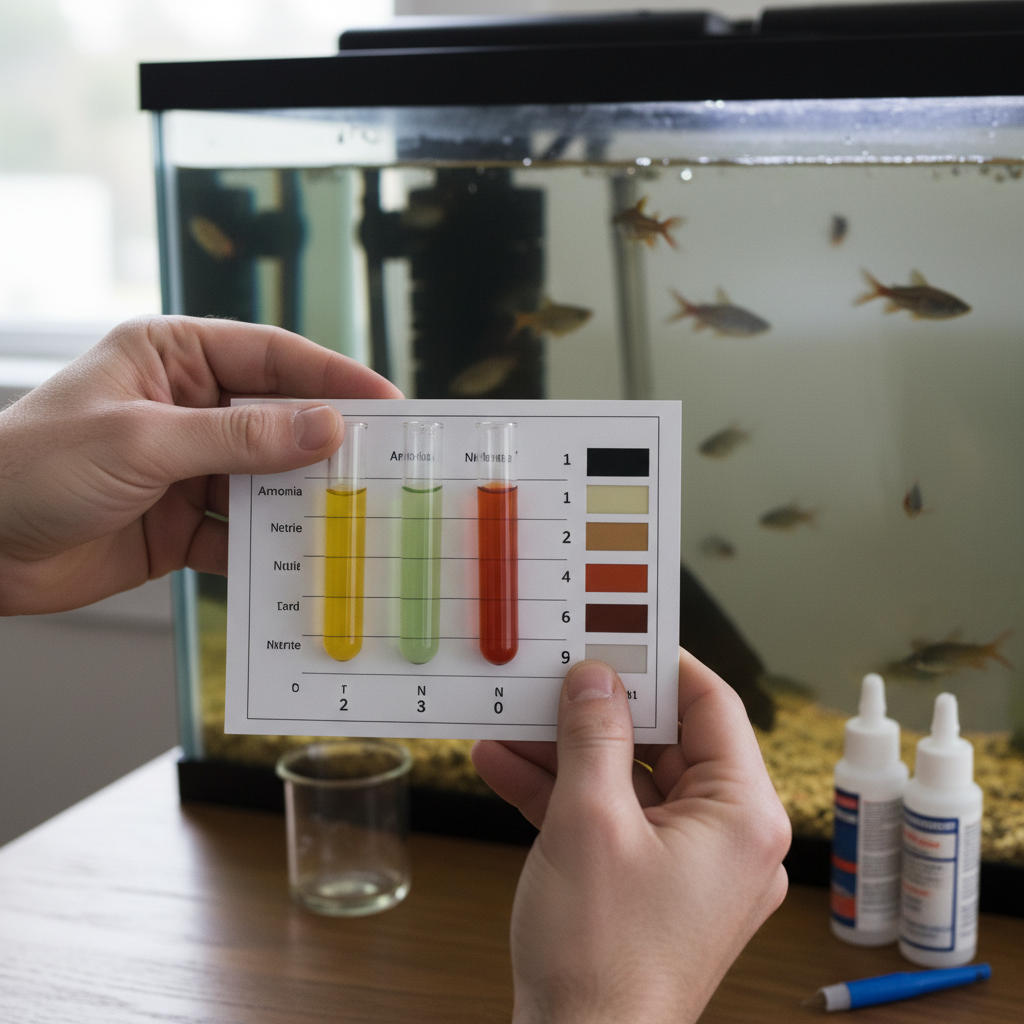
For example, if your neon tetra, usually a calm schooling fish, suddenly starts swimming in frantic, jerky bursts and rubbing against the gravel, it's a distress signal that requires immediate attention.
Immediate Steps When You See Erratic Swimming
The moment you notice your fish swimming erratically, your first action should be to test your water. Poor water quality is the most common culprit. Grab your liquid test kit and check for ammonia, nitrite, and nitrate. Even if you think your water is fine, these parameters can change rapidly and stress your fish.
If any levels are off, a partial water change (25-50%) with properly dechlorinated water is essential. This immediate response can often prevent a minor issue from becoming a major crisis. While the water tests are running, observe your tank for other obvious stressors. Is there a new, aggressive tank mate? Are lights too bright or on for too long? Sometimes, simply reducing light, adding more hiding spots, or separating a bully fish can make a significant difference. Remember, a stable and calm environment is key to a healthy aquarium.
Common Reasons for Erratic Swimming
There are several reasons why your fish might be swimming erratically. Pinpointing the cause is the first step to helping them.
Poor Water Quality
This is often the first place to look. Sudden changes or high levels of ammonia, nitrite, or even nitrate can irritate your fish's gills and skin, causing them to react by darting or twitching. Chlorine or chloramines from tap water, if not properly treated, can also cause severe irritation. For more information on how environmental factors impact aquarium fish, you can refer to resources like the Merck Veterinary Manual. If you suspect ammonia poisoning, immediate action is critical.
Stress and Fear
Fish can get stressed by many things: new tank mates, an aggressive fish, sudden loud noises, or even rapid changes in lighting. When stressed, fish might dart around trying to escape what they perceive as a threat. Ensure there are plenty of hiding spots and consider if your tank is overstocked. You can learn more about fish stress and its symptoms.
Parasites and External Irritants
External parasites like Ich (white spot disease), Velvet, or even gill flukes can cause intense itching and irritation, leading fish to dart and rub against tank surfaces (flashing). You might not see the parasites themselves at first, but the erratic swimming is a strong clue. Look closely for other symptoms like tiny white spots (like salt grains) on their body or fins, a dusty, gold-like coating, or red/inflamed gills. If you see white spots, specific treatment may be needed. For more on this, see Fish White Spots Treatment.
Lack of Oxygen
If your fish are gasping at the surface and also swimming erratically, it could be a sign of low oxygen. This is especially common in warmer water or tanks with poor surface agitation. Increase surface agitation with an air stone or by adjusting your filter outflow. You can learn more about this at fish gasping at surface.
Internal Issues or Disease
Less commonly, erratic swimming can be a symptom of an internal bacterial infection, neurological issue, or even poisoning from something in the tank. If water quality is perfect and there are no external parasites, this might be a possibility. This is harder to diagnose. If you've ruled out other causes, consult with an experienced aquarist or a fish veterinarian. Keep a close eye on other symptoms like fish not eating or changes in body shape.
When to Act Quickly
Any time your fish's behavior changes drastically, it's a call to action. Erratic swimming, especially if accompanied by gasping, flashing, or visible spots, requires immediate attention. The sooner you identify and address the problem, the better the chances of recovery for your fish. If you're unsure what's causing the erratic swimming, AquaShelter's symptom checker can help you narrow down possibilities by comparing your fish's behavior with common issues. This can guide you to the right next steps, whether it's a water change or a specific treatment plan.
Safety Note: When dealing with sick fish, always wash your hands thoroughly before and after handling tank water or equipment. Always prioritize the safety of yourself and your pets.
What to Do First When Your Fish Swims Erratically
When you first notice your fish swimming erratically, your immediate focus should be on the water. Poor water quality is the most frequent cause of distress. Use a reliable liquid test kit to check for ammonia, nitrite, and nitrate levels. Even if your water usually tests well, these parameters can shift quickly and stress your fish. For instance, if your typically calm guppy suddenly starts darting and rubbing against tank decorations, it's a clear sign to check the water.
Addressing Water Quality Issues
If any water parameters are outside the safe range, perform a partial water change (25-50%) using properly dechlorinated water. This quick action can often prevent a minor issue from escalating. While the water tests are processing, observe your tank for other potential stressors. Consider if a new, aggressive tank mate has been introduced, or if the lighting is too bright or on for extended periods. Sometimes, simply dimming the lights, adding more hiding spots, or temporarily separating a bully fish can make a significant difference. A stable and calm environment is crucial for your fish's well-being. For more detailed guidance on identifying specific health issues, you can use our Fish Symptoms Checker.
Beyond immediate water changes, understanding the long-term impact of water quality is key. For example, chronic exposure to even slightly elevated ammonia can lead to gill damage, making fish more susceptible to disease. The University of Florida's EDIS publication on Ammonia in Aquatic Systems provides further insights into its effects and management. Always ensure your filtration system is adequate for your tank size and stocking level, and perform regular maintenance to prevent future water quality spikes.
Use AquaShelter before you guess
If you are not sure whether the symptoms are coming from disease or water quality, try the AquaShelter diagnosis check before choosing a treatment.
Open the diagnosis checkDisclaimer: AquaShelter helps with triage and safer decisions, but it does not replace a qualified aquatic veterinarian.
FAQ
Why is my fish darting around the tank suddenly?
Sudden darting often points to irritation from poor water quality (like high ammonia or chlorine), stress from tank mates, or external parasites causing itchiness. Test your water first.
What does 'flashing' mean in fish?
Flashing is when a fish rubs or scrapes its body against tank decor, substrate, or plants. It's a common sign of irritation, often due to parasites like Ich or Velvet, or poor water quality.
Can new fish cause erratic swimming in existing fish?
Yes, introducing new fish can cause stress and fear in existing tank inhabitants, leading to erratic swimming as they try to avoid the newcomers or establish new territories. Ensure proper acclimation and observe for aggression.
My fish only swims erratically sometimes, then seems normal. Should I still be concerned?
Yes, even intermittent erratic swimming is a cause for concern. It suggests an underlying stressor that might not be constant, or a condition that's in its early stages. It's crucial to investigate during these 'normal' periods too, as the problem could escalate. Pay close attention to feeding times, tank maintenance, or specific times of day when the behavior occurs, as these patterns can offer clues.