
Editorial process: The AquaShelter editorial team prepares this guide with AI-assisted drafting and automated checks for sources, safety, structure, images, and duplication. It is educational content, not a veterinary diagnosis.
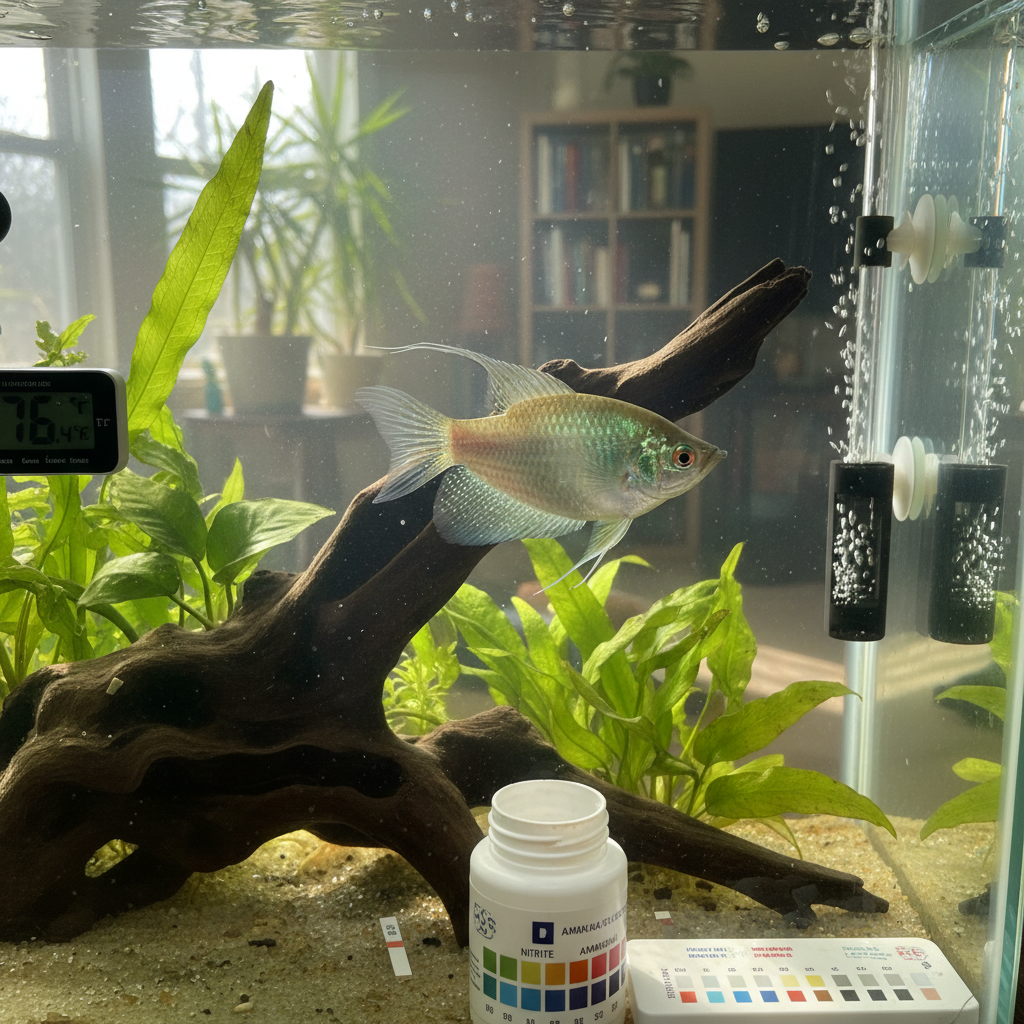
What is Fish Flashing?
Fish flashing is when a fish quickly rubs or scrapes its body against things in the aquarium, like the substrate, rocks, plants, or even the tank glass. It looks a lot like they're trying to scratch an itch. They usually do this to try and get rid of external irritants, parasites, or extra slime coat. One quick flash might not be a big deal, but if your fish are flashing consistently or many of them are doing it, it's a strong sign that something isn't right in their tank or on their bodies. When the signs overlap, 20 Gallon Fish Tank: A People-First Guide to Setup, Stocking, and Health gives a more focused next step.
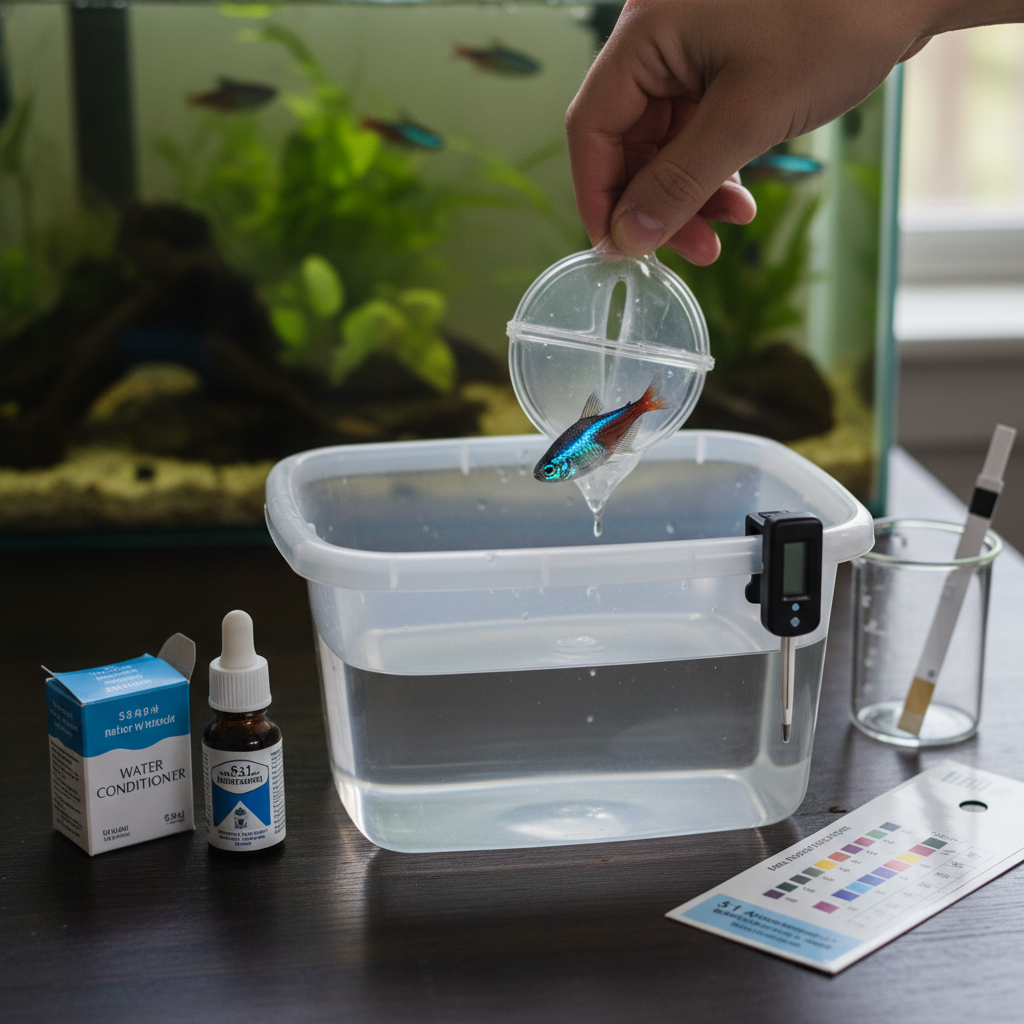
Why Do Fish Flash?
Several things can make fish flash. Knowing these can help you figure out what might be wrong:
- External Parasites: These are often the main culprits. Tiny parasites like Ich (white spot disease), flukes, or velvet can make fish incredibly itchy and irritated, causing them to rub themselves. If you see small white spots along with the flashing, you might be dealing with Ich.
- Poor Water Quality: Water that isn't quite right, especially high ammonia or nitrites, or sudden pH changes, can irritate a fish's gills and skin. Even high nitrates can cause discomfort over time. Always check your water parameters if you notice flashing. You can learn more about identifying and addressing ammonia poisoning.
- Chemical Irritants: Leftover cleaning products, new decorations that weren't rinsed well, or even some medications can irritate fish skin and gills, leading to flashing.
- Bacterial or Fungal Infections: While not usually the first reason for flashing, some skin infections can cause irritation. These often come with other signs like fin rot or cloudy eyes.
- Stress: A stressed fish, perhaps from bullying, too many fish in the tank, or sudden changes in its environment, might flash as a general sign of discomfort, even without a specific external irritant.
What to Do When You See Your Fish Flashing
When you see your fish flashing, try not to panic, but do act quickly. Your immediate goal is to identify the cause and alleviate their discomfort. Start by observing your fish closely. Are all fish flashing, or just one? Is it constant, or just an occasional rub? Note any other symptoms like clamped fins, labored breathing, white spots, or frayed fins. This initial observation is key to narrowing down the problem.
Immediate Actions to Take
The very first thing you should do is test your water parameters. Grab your liquid test kit and check ammonia, nitrite, nitrate, and pH. Poor water quality is a common culprit for irritation, and addressing it quickly can prevent further stress or illness. If any parameters are off, perform a partial water change (25-50%) using dechlorinated water that matches your tank's temperature. This simple step often provides immediate relief and can rule out a major environmental issue. For example, if you see your usually calm Betta suddenly rubbing against a plant leaf, and your ammonia test shows even a slight elevation, that water change is your priority. You can learn more about understanding your test results in our Aquarium Water Test Strip Guide.
Investigating Further and Next Steps
If your water parameters are good and flashing continues, it's time to look closer at your fish for other symptoms. Do you see spots, frayed fins, cloudy eyes, or are they breathing heavily? Are they sluggish or not eating? These extra symptoms can help you figure out the main problem. For a broader look at fish health issues, consult our Fish Disease Guide.
Consider if you've recently added new fish, plants, or decorations. Did you change how you feed your fish? Make sure your filter is clean and working properly, and that your tank isn't overcrowded. Sometimes, a new addition can introduce parasites or chemicals. If you suspect external parasites like Ich, you'll need to consider specific treatments. For guidance on safe treatments, especially if you have invertebrates or sensitive fish, check out our Aquarium Treatment Safety Checker. If you're unsure about the specific symptoms, our Fish Symptoms Checker can help you connect the dots. According to the Merck Veterinary Manual, parasitic diseases are a common cause of skin and gill irritation in fish, often leading to behaviors like flashing. (Source: https://www.merckvetmanual.com/all-other-pets/fish/disorders-and-diseases-of-fish)
Preventing Flashing Behavior
Keeping a stable, clean environment is the best way to prevent flashing. Regular water changes, consistently checking water parameters, good filtration, and quarantining new fish before adding them to your main tank are all essential practices. A healthy, stress-free fish is much less likely to show this worrying behavior.
Use AquaShelter before you guess
If you are not sure whether the symptoms are coming from disease or water quality, try the AquaShelter diagnosis check before choosing a treatment.
Open the diagnosis checkDisclaimer: AquaShelter helps with triage and safer decisions, but it does not replace a qualified aquatic veterinarian.
FAQ
Is fish flashing always a sign of disease?
Not always, but it definitely means something is irritating them. It could be minor water quality issues, but it's also a common symptom of external parasites like Ich or flukes. Always investigate when you see it.
What should I do immediately if I see my fish flashing?
The first thing to do is test your aquarium water parameters (ammonia, nitrite, nitrate, pH) with a reliable liquid test kit. Poor water quality is a very common reason for irritation that leads to flashing.
Can new tank decorations cause fish to flash?
Yes, if new decorations haven't been rinsed thoroughly, they can release chemical residues or even have sharp spots that irritate fish skin, causing them to flash. Always prepare new items before putting them in your tank.
Can flashing be a normal behavior, or is it always a sign of trouble?
While an occasional, isolated flash might just be a fish stretching or dislodging a tiny particle, consistent or widespread flashing among multiple fish is almost always a sign that something is irritating them. It's a clear signal that you need to investigate water quality and fish health.