
What Causes a Fish to Lose Balance?
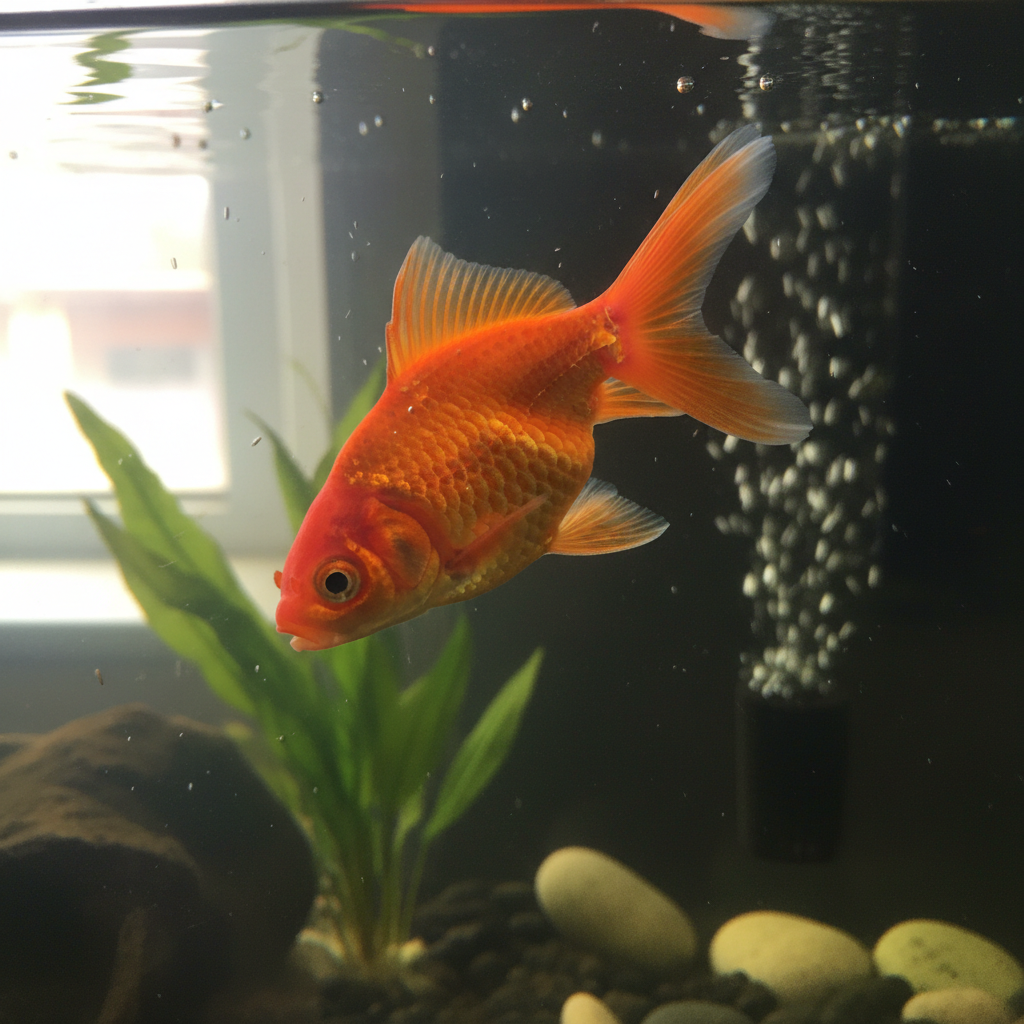
When a fish can't swim normally, it's often due to an issue with its swim bladder. This gas-filled organ helps the fish control its buoyancy in the water. If it's not working right, your fish might float to the top, sink to the bottom, or swim at an odd angle. But it's not always just the swim bladder; sometimes, it's a symptom of a bigger problem. For the related symptom path, use fish is dying alongside the checks above. When the signs overlap, fish swimming upside down gives a more focused next step.
Swim Bladder Issues
The most common reason for a fish losing balance is a problem with its swim bladder. This can be caused by several things:
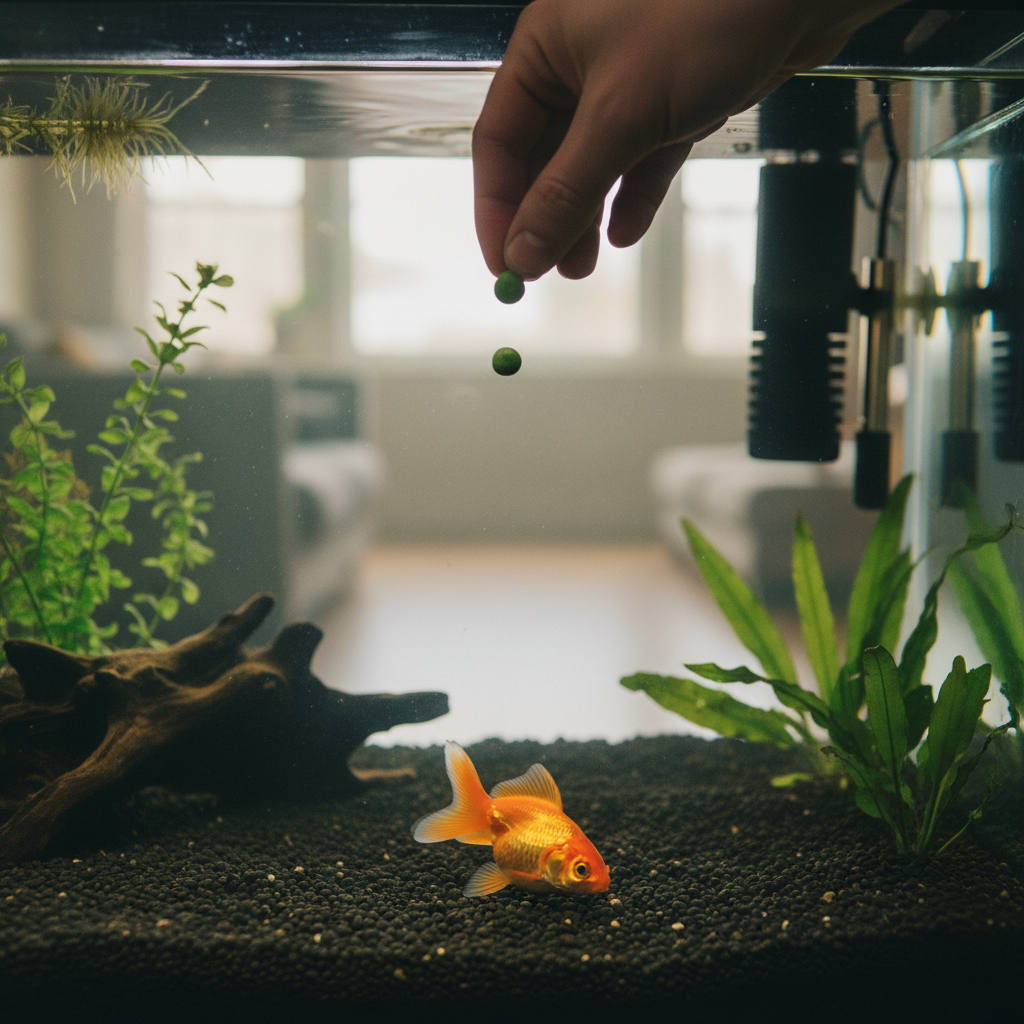
- Constipation: A blocked digestive tract can press on the swim bladder, preventing it from functioning correctly. This is especially common in goldfish and other round-bodied fish.
- Overfeeding or poor diet: Feeding too much, or feeding low-quality, dry foods that expand in the gut, can lead to digestive issues that impact the swim bladder.
- Bacterial infection: Infections can cause inflammation or swelling of the swim bladder, impairing its function.
- Physical injury: A fall or rough handling can sometimes damage the swim bladder.
- Genetic deformities: Some fish are born with swim bladder issues.
Poor Water Quality
Just like many other fish ailments, poor water quality can stress your fish and make them more susceptible to swim bladder problems or other illnesses that affect their balance. High ammonia, nitrite, or nitrate levels, or incorrect pH, can weaken a fish's immune system and lead to internal issues.
Internal Infections or Parasites
Beyond specific swim bladder infections, other internal bacterial infections or parasites can cause general weakness, organ damage, and loss of coordination, leading to balance problems. These might also present with other symptoms like bloating or lethargy.
Injury or Trauma
Sometimes, a fish might lose balance due to a physical injury. This could be from bumping into tank decor, being bullied by other fish, or even from being netted roughly. Look for other signs of injury, like torn fins or scrapes.
What to Do When Your Fish is Swimming Sideways
Seeing your fish struggle with balance is worrying, but there are practical steps you can take to help. Start with the least invasive options first.
1. Check Water Parameters Immediately
This is always the first step. Use a reliable liquid test kit to check ammonia, nitrite, nitrate, and pH. Even if you just did a water change, re-test. Poor water quality is a silent killer and often the root cause of many fish health problems. If you find any issues, perform a partial water change (25-50%) immediately.
AquaShelter's tank history feature can help you track your water parameters over time, making it easier to spot trends or sudden changes that might be impacting your fish's health.
2. Fast Your Fish
If constipation or overfeeding is suspected, stop feeding your fish for 2-3 days. This gives their digestive system a chance to clear out. After fasting, you can try feeding a blanched, deshelled pea (cut into tiny pieces) as a laxative. Peas are often effective for goldfish and other omnivores.
3. Adjust Feeding Habits
If overfeeding was the issue, adjust your feeding schedule. Feed smaller amounts more frequently, and ensure you're feeding high-quality, appropriate food for your fish species. For surface feeders, consider soaking dry food briefly before feeding to prevent it from expanding in their stomach.
4. Isolate the Fish (If Possible)
If you have a hospital tank, moving the affected fish can reduce stress, prevent bullying from tank mates, and allow for easier observation and targeted treatment if medication becomes necessary. Ensure the hospital tank has stable, clean water.
5. Consider Medication (Last Resort)
If water quality is good and fasting hasn't helped, and you suspect a bacterial infection, you might consider a broad-spectrum antibacterial medication. However, always use medications cautiously and follow the label instructions precisely. Misusing medication can do more harm than good. Consult with a knowledgeable aquarist or veterinarian if you're unsure.
Preventing Balance Issues in Your Fish
Prevention is always better than cure. Maintaining a healthy environment is key to keeping your fish swimming happily and upright.
- Consistent Water Changes: Regular partial water changes keep toxins low and water parameters stable.
- Appropriate Diet: Feed a varied, high-quality diet suitable for your fish species. Avoid overfeeding.
- Proper Tank Size and Stocking: An overcrowded tank or one that's too small leads to stress and poor water quality.
- Observe Your Fish Daily: Catching symptoms early makes treatment much more effective.
- Quarantine New Fish: Always quarantine new fish for a few weeks before introducing them to your main tank to prevent introducing diseases.
By being proactive and attentive to your fish's needs, you can significantly reduce the chances of them experiencing balance problems.
Understanding Why Your Fish is Losing Balance
Seeing your fish struggle to swim normally is a clear sign that something is amiss in their world. It's not just about a 'swim bladder issue' – that's often a symptom, not the root cause. Think of it like a human with a headache; the headache is the symptom, but the cause could be anything from dehydration to a serious infection. For your fish, an inability to maintain balance can stem from a variety of stressors, including poor water quality, internal infections, or even physical injury. Your immediate goal is to identify the most likely culprit so you can provide targeted relief.
First Steps When You Notice Trouble
When you first notice your fish losing balance, don't panic. Your immediate actions can make a significant difference. Start by observing your fish closely for any other symptoms – are they gasping, clamped fins, or showing any visible lesions? Next, perform a thorough water test. Ammonia, nitrite, and nitrate levels, along with pH and temperature, are critical indicators of your tank's health. Even slight deviations can stress fish and compromise their immune system, making them susceptible to balance issues. If you find any parameters out of range, a partial water change is often the quickest and safest first response. For a deeper dive into potential causes, consider using a fish symptom checker to narrow down possibilities.
Beyond water quality, consider their diet. Overfeeding or feeding low-quality, dry foods can lead to digestive blockages that press on the swim bladder, especially in round-bodied fish like goldfish. Try fasting your fish for 24-48 hours, then offer a small amount of blanched, deshelled peas – a natural laxative. If the problem persists or worsens, it might be time to consider internal parasites or bacterial infections. For more detailed information on fish health, you can consult resources like the MSD Veterinary Manual on Fish Diseases. Use "fish losing balance" as the exact symptom label only when it matches what you see, then confirm water quality and behavior before choosing a treatment.
Immediate Action: What to Do First
Seeing your fish struggle with balance is worrying. Your first move should be to observe closely. Is it a sudden change, or has it been gradual? Is the fish still eating? Are there any visible injuries or bloating? These details will guide your next steps. Often, a simple fix can make a world of difference, but sometimes it signals a deeper issue.
Checking the Water and Diet
Before reaching for medications, let's rule out the most common culprits: water quality and diet. Grab your test kit and check ammonia, nitrite, nitrate, and pH levels. Even slight deviations can stress a fish, making them susceptible to swim bladder problems. If your water parameters are off, perform a partial water change immediately. Next, consider what you've been feeding. Overfeeding, or feeding dry, expanding foods, can lead to constipation, which directly impacts buoyancy. Try fasting your fish for a day or two, then offer a blanched, deshelled pea. This can often help clear digestive blockages. For a more detailed assessment of your fish's symptoms, consider using our Fish Symptoms Checker.
If water quality is pristine and diet adjustments don't help within 24-48 hours, you might be dealing with an infection. Look for other signs like clamped fins, lethargy, or unusual growths. Isolating the affected fish in a hospital tank can prevent potential spread and allow for focused treatment. Remember, early intervention is key to a successful recovery.
Use AquaShelter before you guess
If you are not sure whether the symptoms are coming from disease or water quality, try the AquaShelter diagnosis check before choosing a treatment.
Open the diagnosis checkDisclaimer: AquaShelter helps with triage and safer decisions, but it does not replace a qualified aquatic veterinarian.
FAQ
Can a fish recover from swim bladder disease?
Yes, many fish can recover from swim bladder issues, especially if the cause is constipation or poor diet and addressed quickly. If it's due to infection, appropriate medication can help. Recovery depends on the underlying cause and how early it's treated.
How do I know if my fish has swim bladder disease or something else?
Swim bladder disease specifically affects buoyancy, causing the fish to float, sink, or swim sideways/upside down. Other symptoms like bloating, clamped fins, or labored breathing might point to different issues like dropsy, internal parasites, or water quality problems. Always check water parameters first.
Is it humane to euthanize a fish with severe balance problems?
If a fish is severely distressed, unable to eat, and shows no signs of improvement after trying various treatments, euthanasia can be a humane option to prevent prolonged suffering. Methods like clove oil are often recommended for a peaceful passing. This is a difficult decision, but sometimes the kindest one.
Can a fish recover from swim bladder issues on its own?
While some mild swim bladder issues, especially those caused by temporary constipation, can resolve with simple dietary changes or improved water quality, many underlying causes require intervention. If the problem is due to a bacterial infection, parasites, or severe injury, your fish will likely need specific treatment to recover. Ignoring persistent balance problems can lead to worsening health and, unfortunately, often a fatal outcome.
Can stress alone cause a fish to lose balance?
Yes, chronic stress from poor water conditions, bullying tank mates, or an unsuitable environment can weaken a fish's immune system, making it more vulnerable to infections or internal issues that manifest as loss of balance. Addressing the source of stress is crucial for recovery.