
Editorial process: The AquaShelter editorial team prepares this guide with AI-assisted drafting and automated checks for sources, safety, structure, images, and duplication. It is educational content, not a veterinary diagnosis.
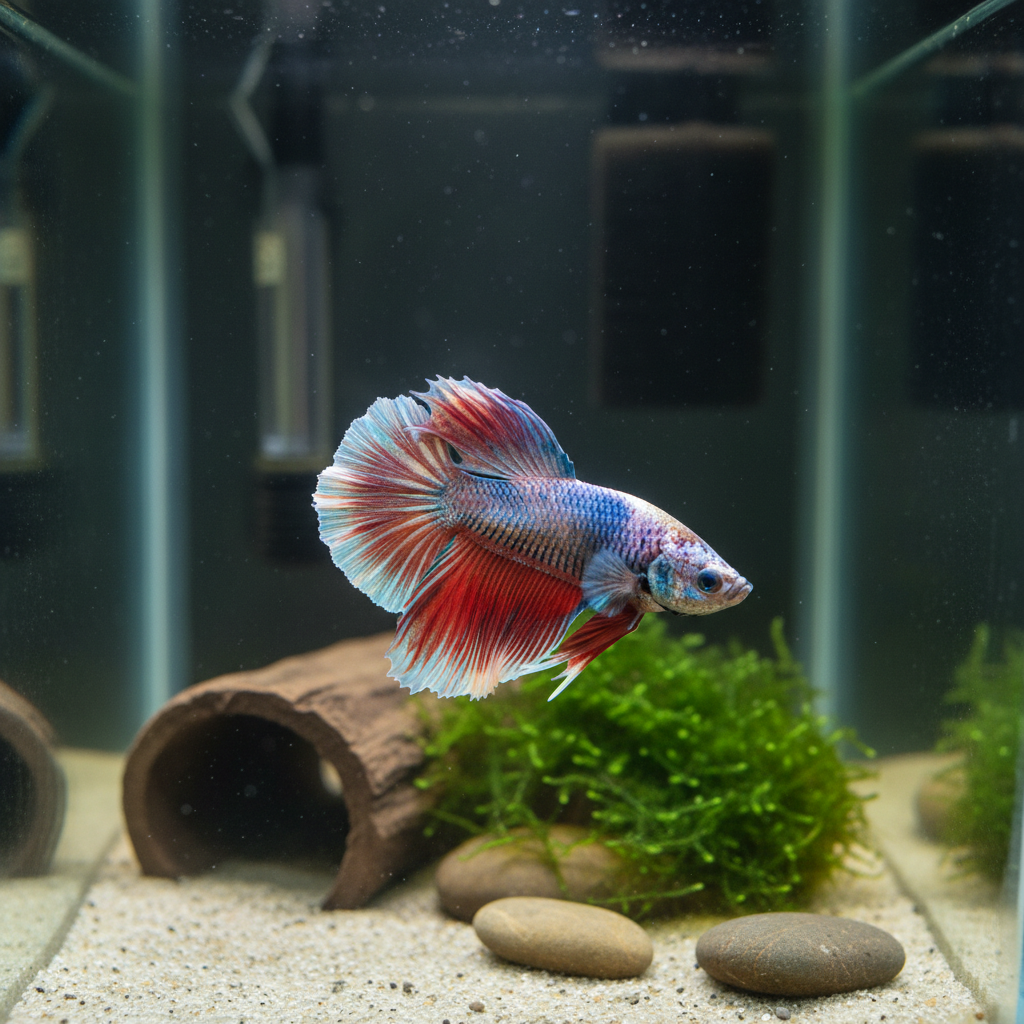
Recognizing the Signs of Stress in Your Betta
Betta fish, like all living creatures, can experience stress. This stress often shows up through changes in their appearance or behavior. Observing your Betta closely helps you catch these signs early. Look for dulling colors, which can indicate a fish is not feeling well. Clamped fins, where the fins are held close to the body instead of spread out, are another common sign. You might also notice your Betta hiding more than usual or becoming less active. These are all clues that your fish is under some form of stress. If this pattern matches your tank, compare it with goldfish diseases with pictures before choosing the next step. If this pattern matches your tank, compare it with fish is dying before choosing the next step.
Changes in appetite are also important. A stressed Betta might refuse food or spit it out. Rapid gill movement, even when resting, can suggest poor water quality or low oxygen. Sometimes, a stressed Betta will rub against tank decorations or gravel, a behavior known as flashing. This can be an attempt to relieve irritation from parasites or poor water conditions. Understanding these symptoms is the first step toward helping your fish.
Common Causes of Betta Fish Stress
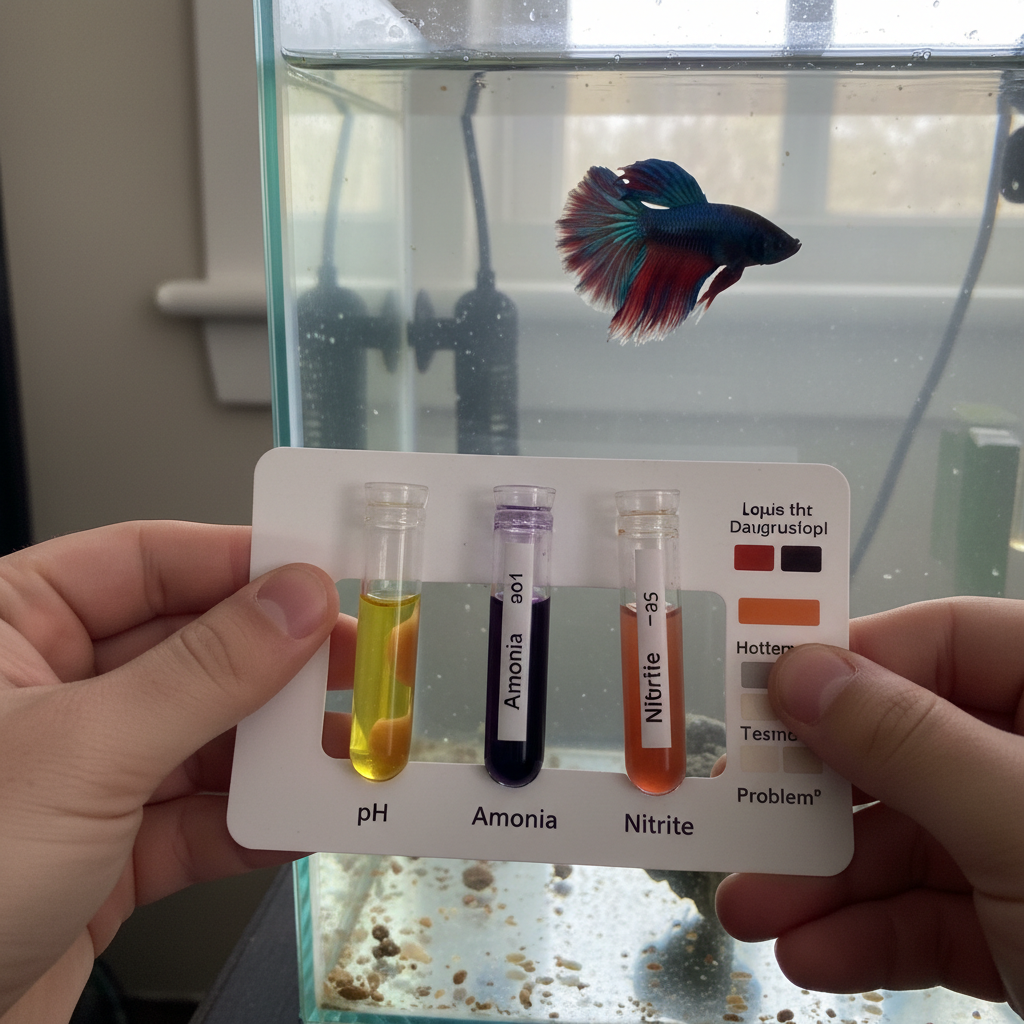
Several factors can contribute to stress in Betta fish. Poor water quality is a leading cause. High levels of ammonia, nitrite, or nitrate, or incorrect pH and temperature, can quickly stress a Betta. Regular water testing is essential to maintain a healthy environment. Another common stressor is an improperly sized tank. Bettas need enough space to swim and explore, typically a minimum of 5 gallons for a single fish. Overcrowding, even with other peaceful fish, can also cause stress.
Incompatible tank mates are a frequent source of stress. While some Bettas can live with certain species, others become stressed by fin-nippers or overly active fish. Sudden changes in the environment, such as large water changes, new decorations, or even loud noises, can also be stressful. Lack of hiding spots can make a Betta feel exposed and anxious. Ensuring a stable, appropriate environment is key to preventing stress.
AquaShelter's diagnosis timeline feature can help you track changes in your Betta's behavior and tank parameters over time. This allows you to identify patterns and pinpoint potential stressors more effectively, helping you make informed decisions about their care.
Steps to Reduce Stress and Improve Betta Health
Once you identify signs of stress, take action to improve your Betta's environment. Start by testing your water parameters immediately. Use a reliable test kit to check ammonia, nitrite, nitrate, pH, and temperature. If any levels are off, perform a partial water change to bring them back into a safe range. Ensure your tank has a working filter and heater to maintain stable conditions. You can learn more about water testing in our guide on aquarium water test strips.
Provide plenty of hiding spots. Live or silk plants, caves, and other decorations give your Betta places to retreat and feel secure. If you have tank mates, observe their interactions. If aggression or constant chasing occurs, consider separating the fish. Feed a high-quality diet appropriate for Bettas, offering small amounts twice a day. Avoid overfeeding, which can foul the water. Consistent care and a stable environment are the best defenses against stress.
In some cases, stress can weaken a Betta's immune system, making them susceptible to diseases like bacterial infections or fungal issues. If symptoms persist or worsen, consult an aquatic veterinarian. They can provide specific advice and treatment options.
Why Your Betta's Behavior Matters
When your betta fish shows signs of stress, it's often their way of telling you something is wrong in their environment. Instead of just seeing a "sick fish," think of it as your betta communicating a need. For example, if you notice clamped fins, it's not just a symptom; it's a signal that their water might be uncomfortable or they feel unsafe. Similarly, a betta hiding more than usual isn't just being shy; they might be seeking refuge from perceived threats or poor water conditions. Paying close attention to these subtle shifts in their daily routine helps you act quickly to improve their well-being.
Practical Steps to Address Betta Stress
Addressing stress in your betta starts with a thorough check of their living space. First, test your water parameters immediately. High ammonia, nitrite, or nitrate levels are common culprits, as are incorrect pH or temperature. Use a reliable liquid test kit for accuracy. If any parameters are off, perform a partial water change (25-50%) using dechlorinated water that matches the tank's temperature. Second, observe their tank mates. Even seemingly peaceful fish can stress a betta if they are too active or territorial. Consider separating them if aggression or constant chasing is observed. Finally, ensure your tank has adequate hiding spots like plants or caves, giving your betta places to retreat and feel secure. A stressed betta fish symptoms often point directly to environmental issues you can fix.
If you've checked water parameters, tank mates, and hiding spots, and your betta still shows signs of stress, consider other factors like diet or potential illness. Sometimes, a lack of proper nutrition can weaken their immune system, making them more susceptible to stress and disease. Ensure you're feeding a high-quality betta-specific pellet or flake food, supplemented with occasional frozen or live foods. For persistent or worsening symptoms, it's always best to consult a veterinarian specializing in aquatic animals. You can also use our fish symptoms checker to narrow down potential issues.
Use AquaShelter before you guess
If you are not sure whether the symptoms are coming from disease or water quality, try the AquaShelter diagnosis check before choosing a treatment.
Open the diagnosis checkDisclaimer: AquaShelter helps with triage and safer decisions, but it does not replace a qualified aquatic veterinarian.
FAQ
What are the most common signs of stress in a Betta fish?
The most common signs of stress in a Betta fish include dulling colors, clamped fins, hiding more than usual, refusing to eat, rapid gill movement, and rubbing against tank objects (flashing).
How can I quickly improve water quality for my stressed Betta?
To quickly improve water quality, perform a partial water change (25-50%) using dechlorinated water that matches the tank's temperature. Test your water parameters (ammonia, nitrite, nitrate, pH) to identify specific issues and address them.
What kind of hiding spots should I provide for my Betta?
Provide a variety of hiding spots such as live or silk plants, ceramic caves, or driftwood. These give your Betta places to retreat and feel secure, reducing anxiety.