
Editorial process: The AquaShelter editorial team prepares this guide with AI-assisted drafting and automated checks for sources, safety, structure, images, and duplication. It is educational content, not a veterinary diagnosis.
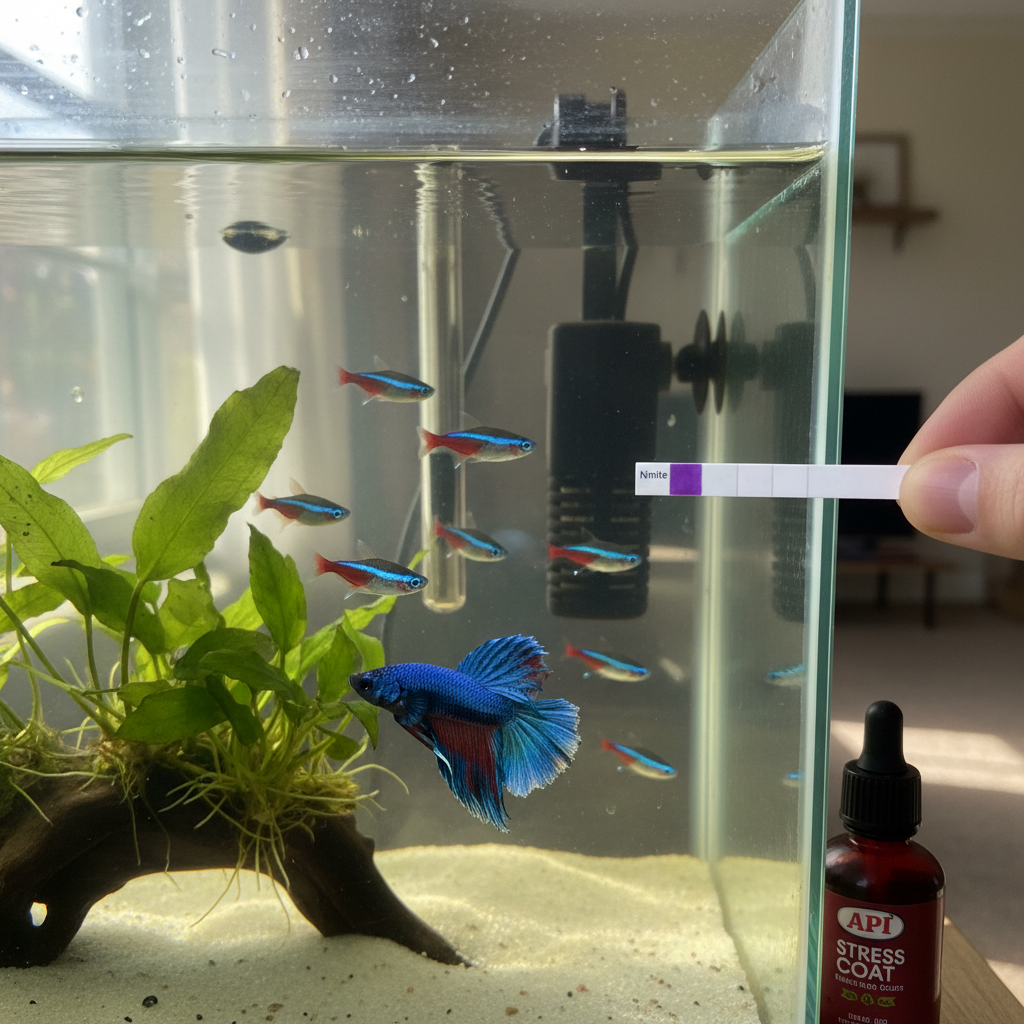
Understanding 20-Gallon Tank Shapes: Long vs. High
When you decide on a 20-gallon tank, you'll quickly notice there are two main shapes: the '20-gallon long' and the '20-gallon high.' While both hold the same volume of water, their dimensions make a big difference for your fish and how you can aquascape. When the signs overlap, why is my fish dying gives a more focused next step.
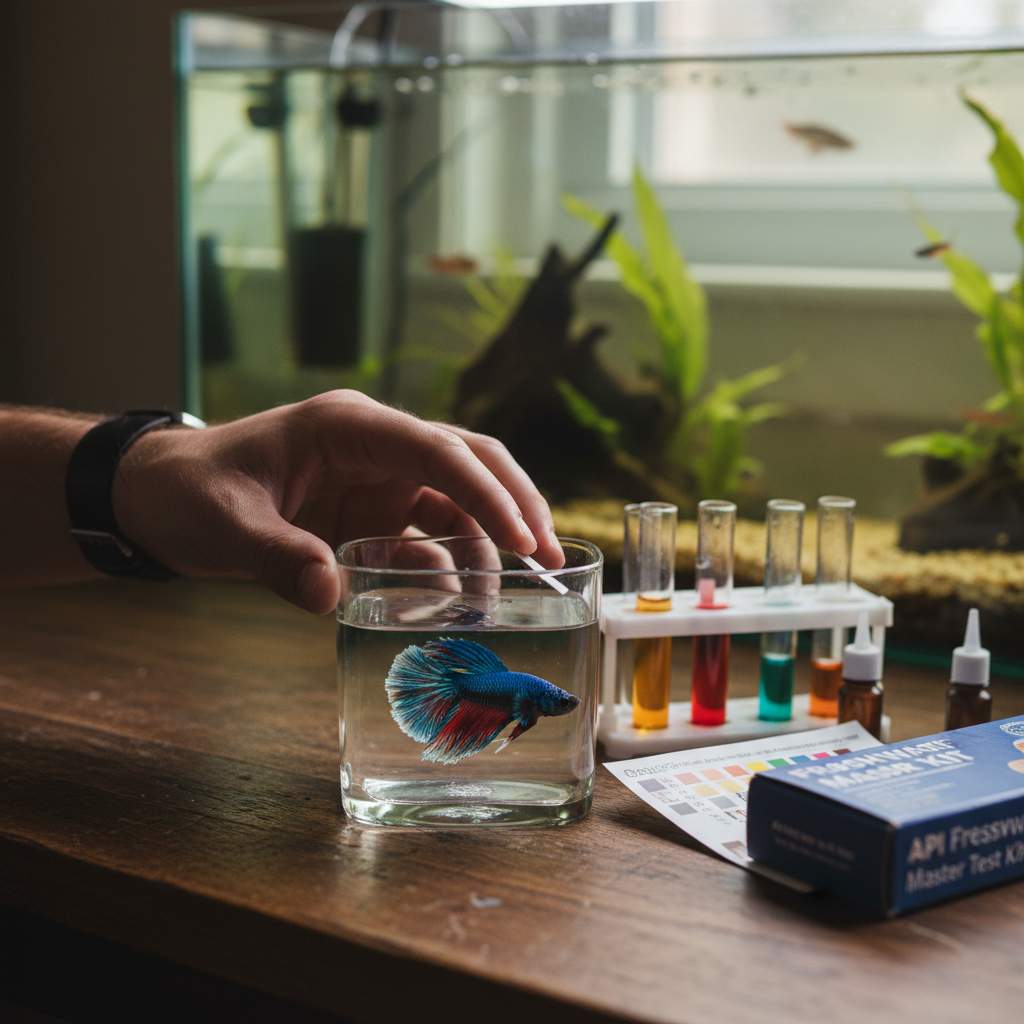
- 20-Gallon Long: Approximately 30" x 12" x 12". This shape offers more horizontal swimming space, better gas exchange, and is easier to aquascape with longer lines. It's best for schooling fish, bottom dwellers, and fish that prefer horizontal swimming.
- 20-Gallon High: Approximately 24" x 12" x 16". This shape provides more vertical space, allowing for taller decorations and plants. It suits fish that utilize vertical space or some community setups.
For most community fish and beginners, a 20-gallon long is often preferred because the increased surface area allows for better oxygen exchange and more horizontal swimming room, which many fish appreciate. Imagine a group of Neon Tetras; they'll be much happier darting back and forth in a longer tank than swimming up and down in a taller, narrower one.
Why Choose a 20-Gallon Tank?
The 20-gallon tank hits a sweet spot for many fishkeepers. For beginners, it's significantly more forgiving than a 10-gallon tank. Smaller tanks can experience rapid swings in water temperature and chemistry, making it harder to keep fish healthy. A 20-gallon tank offers more stability, giving you a bit more buffer if you miss a water change or have a slight overfeeding incident. It also provides enough space to create an interesting aquascape and house a small community of fish, opening up more possibilities than a nano tank.
Essential Equipment for Your 20-Gallon Aquarium
Setting up your 20-gallon tank requires more than just the glass box. Here's what you'll need to get started:
- The Tank: Glass is common and durable; acrylic is lighter but scratches more easily.
- Stand: A sturdy stand designed to hold the weight of a full 20-gallon tank (around 200 lbs or 90 kg).
- Filter: A good filter is non-negotiable. For a 20-gallon, a Hang-on-Back (HOB) filter is popular and effective. Look for one rated for 20-30 gallons to ensure adequate filtration. Sponge filters are also great for gentle filtration and biological media.
- Heater: Most tropical fish need stable temperatures. A 50-100 watt heater is usually sufficient for a 20-gallon tank, depending on your room temperature.
- Lighting: Basic LED lights are fine for viewing fish. If you plan on live plants, you'll need a light specifically designed for plant growth.
- Substrate: Gravel or sand provides a home for beneficial bacteria and can anchor plants. Rinse it thoroughly before adding it to the tank!
- Decorations: Rocks, driftwood, and artificial or live plants provide hiding spots and enrichment for your fish. Ensure they are aquarium-safe.
- Water Test Kit: This is your most important tool for monitoring water quality. Liquid test kits are more accurate than strips.
Step-by-Step 20-Gallon Fish Tank Setup Guide
Setting up your tank correctly from the start prevents many headaches down the road.
- Clean Everything: Rinse the tank (no soap!), substrate, and decorations with plain water.
- Place Substrate: Add your rinsed gravel or sand to the bottom of the tank. A slight slope from back to front can create a nice visual effect.
- Add Decorations: Arrange your rocks, driftwood, and plants. Think about creating hiding spots and open swimming areas.
- Install Equipment: Place your heater, filter, and thermometer. Don't plug them in yet!
- Fill with Water: Place a plate or plastic bag on the substrate and pour dechlorinated water over it to avoid disturbing your aquascape. Fill to about an inch below the rim.
- Add Dechlorinator: Treat the water with a good quality dechlorinator to remove chlorine and chloramines.
- Plug In: Once the tank is full and treated, plug in your heater and filter.
The Critical Nitrogen Cycle: Making Your Tank Safe for Fish
This is the most important step before adding fish. The nitrogen cycle is a natural biological process that converts toxic fish waste (ammonia) into less harmful substances. Without it, your fish will get sick and die. Here's how it works:
- Ammonia (NH3/NH4+): Fish waste, uneaten food, and decaying plant matter produce ammonia, which is highly toxic.
- Nitrite (NO2-): Beneficial bacteria (Nitrosomonas) convert ammonia into nitrite, which is also very toxic.
- Nitrate (NO3-): Another type of beneficial bacteria (Nitrobacter) converts nitrite into nitrate, which is much less toxic and can be removed through regular water changes.
Cycling your tank means growing these beneficial bacteria. A fish-less cycle is the safest method. You can add a small amount of pure ammonia or use a 'fish food' method to kickstart the cycle. This process usually takes 4-6 weeks. During this time, you'll test your water regularly for ammonia, nitrite, and nitrate. When ammonia and nitrite consistently read zero, and you have some nitrates, your tank is cycled and ready for fish. Skipping this step is a major cause of fish death, leading to aquarium ammonia poisoning.
Stocking Your 20-Gallon Tank: Best Fish and Compatibility
Choosing the right fish for your 20-gallon tank is crucial for their health and your enjoyment. The old 'inch per gallon' rule is a rough guideline, but it doesn't account for a fish's adult size, temperament, or bioload (how much waste it produces). Always research individual species.
Good Choices for a 20-Gallon Community Tank:
- Schooling Fish: Neon Tetras, Ember Tetras, Harlequin Rasboras, Celestial Pearl Danios (6-8 of one species).
- Centerpiece Fish: A single Dwarf Gourami, a Betta fish (if compatible with tank mates), or a pair of Kribensis cichlids.
- Bottom Dwellers: Corydoras Catfish (a group of 3-5 of the same species), Otocinclus Catfish (a group of 3-5).
Avoid fish that grow too large (like common plecos), are too aggressive, or require very specific water parameters that conflict with other tank inhabitants. Overstocking leads to poor water quality and stressed fish, which can manifest as fish clamping their fins or fish lethargy and hiding.
20-Gallon Aquarium Water Quality and Routine Care
Once your tank is set up and stocked, consistent maintenance is key to long-term success.
- Regular Water Changes: Perform a 25% water change weekly. This removes nitrates and replenishes essential minerals. Always use dechlorinated water that matches the tank's temperature.
- Filter Maintenance: Rinse filter media in old tank water (never tap water, as chlorine kills beneficial bacteria) every few weeks. Replace mechanical media (like filter floss) as needed, but avoid replacing all media at once to preserve beneficial bacteria.
- Water Testing: Test your water parameters (ammonia, nitrite, nitrate, pH) weekly, especially when the tank is new or if fish seem unwell. Our aquarium water test strip guide can help you understand your readings.
- Observation: Spend a few minutes each day observing your fish. Are they swimming normally? Eating well? Are there any signs of disease? Early detection is critical.
Troubleshooting Common 20-Gallon Tank Problems
Even with the best intentions, problems can arise. Recognizing early warning signs in your fish is one of the most important skills you'll develop as a fishkeeper. Are they swimming normally? Are their fins clamped? Is their color vibrant or faded? For instance, if you notice your usually active Neon Tetras are suddenly hiding and their colors look dull, that's a clear signal something is off. Don't wait for obvious signs of disease; subtle changes in behavior or appearance often precede more serious issues. Early detection can make all the difference in preventing widespread problems in your tank. If you're seeing unusual behavior, our fish symptom checker can help you narrow down potential causes.
First Steps When Your Fish Are Struggling
Seeing your fish in distress is tough, and it's often a sign that something in their environment needs immediate attention. Before you reach for a medication, take a moment to observe. Are they gasping at the surface, clamped fins, or showing unusual spots? Your first move should always be a water test. Grab your liquid test kit and check ammonia, nitrite, and nitrate levels. These three parameters are the most common culprits behind fish illness, especially in a 20-gallon fish tank where changes can happen quickly. If any of these are elevated, a partial water change (25-50%) is your best immediate action to dilute toxins and provide relief. Always use a good quality water conditioner to neutralize chlorine and chloramines.
Addressing Common Stressors in Your 20-Gallon Tank
Once you've checked water parameters, consider other stressors. Is the tank overcrowded? Even a 20-gallon tank has limits, and too many fish create more waste and competition. Are there aggressive tank mates? Sometimes a peaceful community can turn sour, leading to bullied fish. Check your filter – is it running properly and is the flow adequate? A clogged filter means poor water circulation and less oxygen. Also, ensure your heater is maintaining a stable temperature; sudden drops or spikes are very stressful. If you're seeing specific symptoms like white spots or fin rot, you might be dealing with a disease, but addressing water quality and environmental stress first often gives your fish the best chance to recover naturally. For a deeper dive into specific fish diseases and their causes, you can consult resources like the Merck Veterinary Manual on Common Diseases of Aquarium Fish. If you're unsure about safe treatment options, our aquarium treatment safety checker can guide you.
When Your Fish Are Not Eating
Another common scenario is a fish refusing to eat. This can be tricky because it has many causes, from stress to internal parasites. Observe if other fish are eating normally. If it's just one fish, try offering a different type of food, like a frozen brine shrimp or bloodworm, to see if it sparks interest. If the refusal persists for more than a day or two, especially if accompanied by other symptoms like clamped fins or bloating, it's time to consider isolation and further investigation. Remember, a healthy fish is an active, curious eater.
Prioritizing Your Fish's Well-being
When you're setting up a 20-gallon tank, remember that every decision you make directly impacts the health and happiness of your fish. It's easy to get caught up in equipment and aesthetics, but the real goal is to create a stable, thriving environment for living creatures. Think of yourself as their caretaker, responsible for their water quality, diet, and overall comfort. This people-first approach means understanding their needs before your own preferences. For more general guidance on fish health, refer to Aquarium Fish: A People-First Guide to Healthy Fishkeeping.
Keeping Your Fish Healthy in a 20-Gallon Tank
Maintaining a healthy environment for your fish in a 20-gallon tank is about more than just clean water; it's about understanding their needs and proactively preventing common issues. One of the most common mistakes new aquarists make is overfeeding, which quickly degrades water quality and can lead to serious health problems for your fish. Instead, feed small amounts once or twice a day, only what your fish can consume in a few minutes. Observe their behavior during feeding; if they're not eating enthusiastically, you might be feeding too much or too often.
Recognizing and Responding to Fish Health Issues
Even with the best care, fish can sometimes get sick. Knowing what to look for is your first line of defense. Common signs of illness include clamped fins, labored breathing, white spots (ich), frayed fins, or unusual swimming patterns. If you notice any of these symptoms, prompt action can make a big difference. Isolate the affected fish if possible to prevent the spread of disease and begin researching potential causes and treatments. For example, if you see white spots, it's often a sign of Ich, a parasitic infection that requires specific treatment.
Regular water testing is essential for preventing many health problems. Parameters like ammonia, nitrite, and nitrate should be checked weekly, especially in a new tank. High levels of these can stress fish and weaken their immune systems, making them susceptible to disease. If you're unsure about a symptom or how to proceed, a tool like an aquarium symptom checker can help guide your next steps. For more detailed information on fish diseases and treatments, the Merck Veterinary Manual offers comprehensive resources.
Use AquaShelter before you guess
If you are not sure whether the symptoms are coming from disease or water quality, try the AquaShelter diagnosis check before choosing a treatment.
Open the diagnosis checkDisclaimer: AquaShelter helps with triage and safer decisions, but it does not replace a qualified aquatic veterinarian.
FAQ
What fish can live in a 20-gallon tank?
A 20-gallon tank is suitable for small schooling fish like Neon Tetras, Ember Tetras, or Harlequin Rasboras, a single Betta fish, a pair of Dwarf Gouramis, or bottom dwellers like Corydoras catfish. Always research individual species for compatibility and adult size.
How many fish can go in a 20-gallon tank?
The number of fish depends on their adult size, temperament, and bioload. A general guideline is to aim for a total adult length of fish that doesn't exceed 20 inches, but this is a very rough estimate. For example, you could have a school of 6-8 small tetras and 3-4 Corydoras, but not a single large fish that grows beyond a few inches.
Is a 20-gallon tank good for beginners?
Yes, a 20-gallon tank is often considered an excellent choice for beginners. It's large enough to be more stable in terms of water parameters than smaller tanks, making it more forgiving for new aquarists, while still being manageable in terms of space and maintenance.
My fish are suddenly lethargic and hiding, but water parameters are fine. What else could it be?
If water parameters are stable, consider other stressors. Have you introduced new fish recently? Is there a new, aggressive tank mate? Overfeeding can also lead to poor water quality over time, even if current tests look okay. Check the tank temperature for stability, and ensure there's enough hiding spots for all fish. Sometimes, a fish might just be at the end of its natural lifespan, but ruling out environmental factors first is always best.
How can I tell if my 20-gallon tank is truly healthy, beyond just clear water?
A truly healthy 20-gallon tank goes beyond clear water. Look for active, vibrant fish with good appetites and no visible signs of stress or disease. Healthy plants (if you have them) should be growing well, and your substrate should be free of excessive detritus. Most importantly, consistent water test results showing zero ammonia, zero nitrite, and low nitrates are the clearest indicator of a stable, healthy environment. Your filter should be running efficiently, and the water should have a neutral, clean smell, not foul or stagnant.