
Editorial process: The AquaShelter editorial team prepares this guide with AI-assisted drafting and automated checks for sources, safety, structure, images, and duplication. It is educational content, not a veterinary diagnosis.
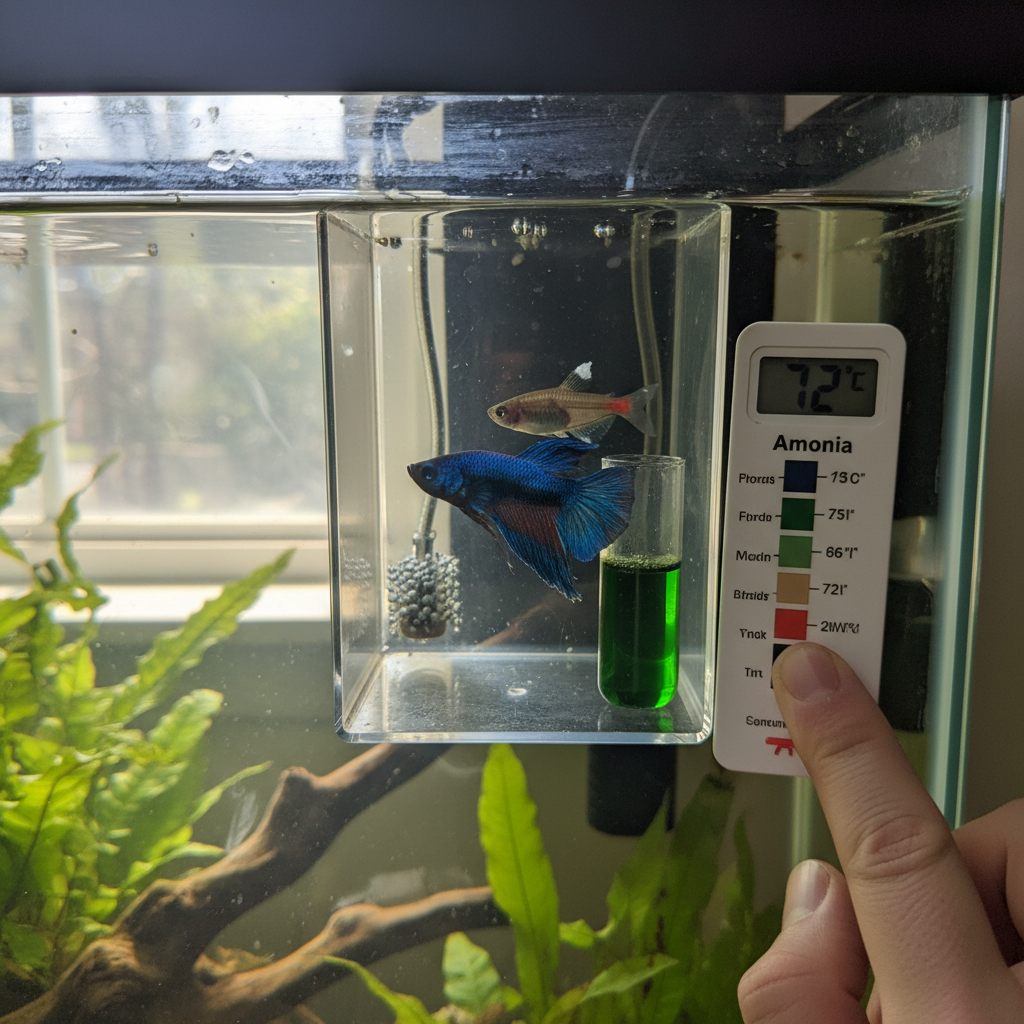
Understanding Aquarium Fish and Their Needs
An aquarium fish is any fish species kept in a controlled environment, typically a glass or acrylic tank. While the term can encompass both freshwater and saltwater species, most beginners start with freshwater fish due to their generally easier care requirements and lower setup costs. The diversity is incredible, from tiny, schooling tetras to larger, territorial cichlids, each with unique needs regarding water parameters, diet, and social behavior. Understanding this diversity is the first step to successful fishkeeping. If this pattern matches your tank, compare it with 20 gallon fish tank before choosing the next step. When the signs overlap, koi fish diseases gives a more focused next step.
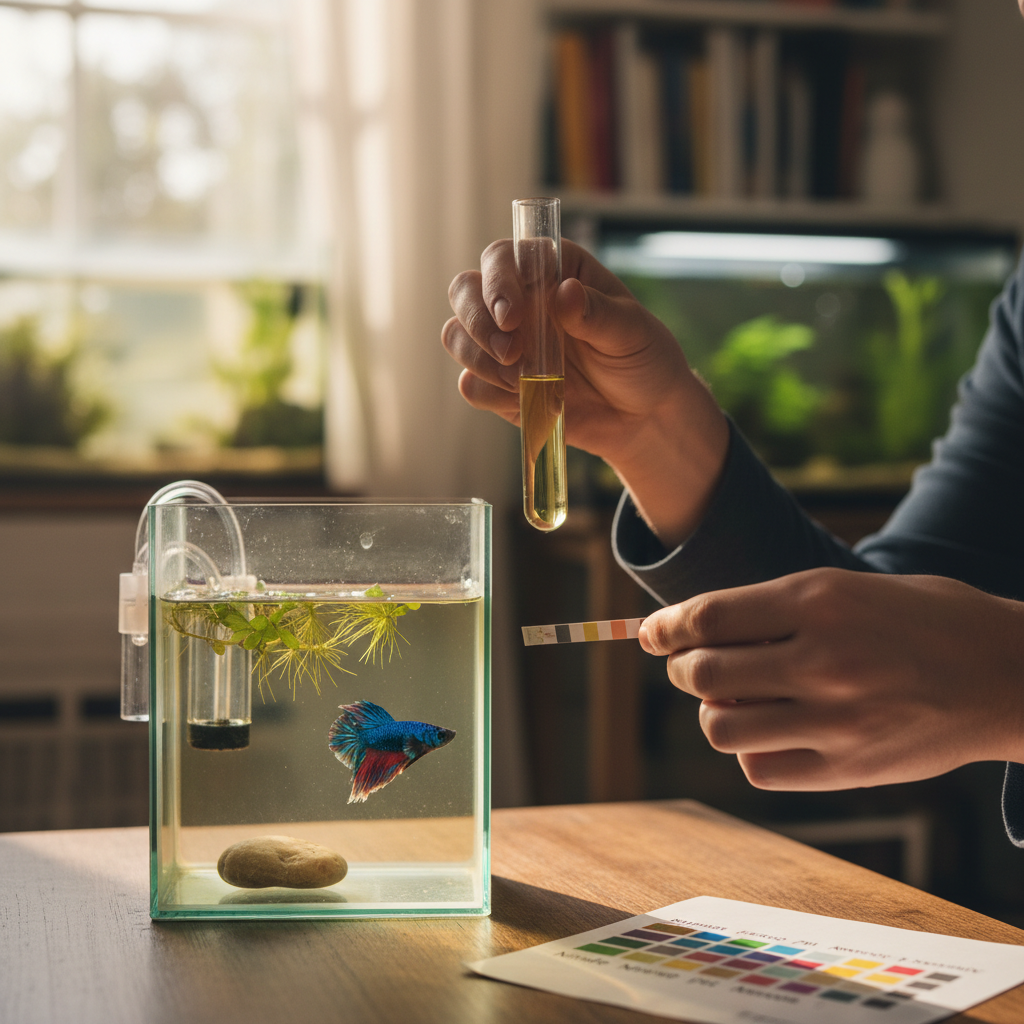
When you're at the fish store, it's tempting to just grab a fish labeled 'easy.' But a truly 'easy' fish is one that's compatible with your tank size, water parameters, and other tank mates, and one that you can keep healthy. Look for fish that are active, swimming naturally, and have clear eyes and intact fins. Avoid fish that are lethargic, gasping at the surface, or have visible spots or frayed fins. For example, if you have a 10-gallon tank, a single Betta or a small school of Endler's Livebearers might be a good fit, but a common pleco, which can grow over a foot long, would quickly outgrow it. Always ask about the adult size and temperament of any fish you're considering.
Essential Care for Thriving Aquarium Fish
The foundation of healthy aquarium fish is excellent water quality. This means properly cycling your tank before adding fish, regularly testing your water for ammonia, nitrite, and nitrate, and performing routine water changes. Overfeeding is a common mistake that quickly fouls water, so feed small amounts that your fish can consume in a few minutes, once or twice a day. Ensure your tank has adequate filtration, heating (for tropical species), and appropriate hiding spots to reduce stress. A stable environment prevents many common ailments, like those discussed in our Fish Disease Guide.
Common Aquarium Fish Species and Their Health Needs
- Livebearers (Guppies, Mollies, Platies, Swordtails): These are popular for beginners. They are generally hardy but can be prone to fin rot if water quality is poor, and some mollies prefer slightly brackish water.
- Tetras (Neon Tetras, Cardinal Tetras, Black Skirt Tetras): Schooling fish that need to be kept in groups of 6 or more. They are sensitive to sudden water parameter changes and can develop 'Neon Tetra Disease' (though rare) if stressed.
- Cichlids (Dwarf Cichlids, Angelfish, Discus): A diverse group. Many are territorial and require specific water parameters. Bloating can be an issue for some African cichlids if fed an improper diet.
- Catfish (Corydoras, Otocinclus, Plecos): Bottom dwellers that help clean up uneaten food. Corydoras are peaceful schooling fish, while some plecos grow very large. They are sensitive to medications containing copper.
Recognizing Early Warning Signs in Your Fish
You know your fish best. They have personalities, routines, and preferred spots in the tank. When something's off, it's often subtle at first. Maybe your usually active tetra is hanging out in a corner, or your betta isn't flaring at its reflection like it used to. These changes in behavior are your first and most important indicators that something might be amiss. Don't dismiss them as just a 'mood.' Instead, consider them a quiet plea for help.
Before you jump to conclusions, take a moment to observe. Is it just one fish, or are multiple tank inhabitants showing similar signs? This distinction can help narrow down potential causes, from individual stress to a broader water quality issue. For instance, if you notice one of your usually active neon tetras is now lethargic, hiding more than usual, and its colors seem a bit dull, your first thought might be 'disease,' but consider the whole picture. Have you recently added new fish? Changed their diet? Is the tank temperature stable? Sometimes, a simple environmental stressor, like a sudden temperature swing or bullying from a new tank mate, can manifest as illness. Observing these nuances is key. If you're unsure what a symptom means, our Fish Symptoms Checker can help you narrow down possibilities.
First Steps When You Notice a Problem
When you spot a fish acting unusually, your immediate reaction might be to panic or reach for a medication. Resist that urge. The very first thing to do is a thorough water test. Grab your liquid test kit and check ammonia, nitrite, nitrate, and pH. These parameters are the foundation of your fish's health, and even slight fluctuations can cause significant stress. If any readings are off, a partial water change (25-50%, depending on severity) with temperature-matched, dechlorinated water is often the best initial response. While you're doing this, gently observe your fish for physical symptoms like clamped fins, white spots, frayed fins, or labored breathing. A quick check of your heater and filter to ensure they're functioning correctly is also a good idea.
If water parameters are stable and physical symptoms persist or worsen, consider isolating the affected fish in a quarantine tank if possible. This prevents potential spread to other tank mates and allows for more focused observation and treatment without impacting the main display tank's ecosystem. Remember, a healthy aquarium is a balanced ecosystem, and introducing medications without a clear diagnosis can sometimes do more harm than good. Always prioritize observation and environmental adjustments before resorting to chemical treatments. For more in-depth guidance on specific issues, our diagnosis tool can provide tailored advice based on your observations. For a deeper dive into specific fish diseases and their management, the University of Florida's EDIS publication on common freshwater fish diseases offers excellent guidance: https://edis.ifas.ufl.edu/fa100
Proactive Health Management for Long-Term Well-being
Keeping aquarium fish healthy is an ongoing process. Regular maintenance, including water changes and filter cleaning, is key. Always quarantine new fish in a separate tank for a few weeks before introducing them to your main display tank. This prevents the spread of diseases like Ich or velvet to your established fish. Think of your aquarium as a miniature ecosystem; every decision you make, from the food you feed to the decorations you add, impacts its delicate balance. Proactive care and a stable environment are your best defenses against illness.
When you bring fish into your home, you're not just adding decoration; you're welcoming living beings that depend entirely on you for their well-being. Thinking 'people-first' in fish care means understanding their needs from their perspective, anticipating potential issues, and acting preventatively. It's about creating an environment where they don't just survive, but thrive. This proactive mindset is key to avoiding common pitfalls that lead to stress and disease, ensuring your fish live long, healthy lives.
Another critical aspect is understanding the social dynamics of your tank. Even seemingly peaceful species can become aggressive under certain conditions, leading to stress and injury for others. If you notice fin nipping or chasing, identify the aggressor and the victim. Sometimes, rearranging decor can break up territories, or adding more of a schooling fish can dilute aggression. If a fish is consistently being harassed, it might need to be moved to a separate tank to recover. Remember, a healthy fish is an active, alert fish with clear eyes, intact fins, and a good appetite. If you're unsure about what you're observing, or if symptoms persist, our guided symptom review can help you narrow down potential issues and guide your next steps. If you notice your fish gasping at the surface, it's often a sign of low oxygen or poor water quality, requiring immediate attention.
Your Role in Fish Health: Beyond the Basics
Keeping aquarium fish healthy isn't just about reacting to problems; it's about proactive care and understanding their world from their perspective. Think of yourself as their primary caregiver, responsible for their environment, nutrition, and overall well-being. This means observing their behavior daily, recognizing subtle changes, and acting quickly when something seems off. For instance, a fish that usually greets you at the front of the tank but suddenly hides could be showing early signs of stress or illness. Your consistent attention is the most powerful tool in preventing disease outbreaks and ensuring a thriving aquatic community.
Creating a Stress-Free Environment
Stress is a major contributor to fish illness. Many common issues, from fin rot to ich, often take hold when a fish's immune system is weakened by poor water quality, overcrowding, or aggressive tank mates. Providing adequate space, appropriate hiding spots, and compatible tank inhabitants significantly reduces stress. For example, if you notice a smaller fish constantly being chased, consider rehoming the aggressor or adding more visual barriers. Maintaining stable water parameters – temperature, pH, and ammonia/nitrite/nitrate levels – is also paramount. Sudden fluctuations are highly stressful. Regular, small water changes are often better than infrequent, large ones for maintaining stability.
When you observe unusual behavior or physical changes, don't delay. Early intervention can make all the difference. If you're unsure about symptoms, a tool like our fish symptom checker can help you narrow down possibilities and guide your next steps. Remember, your fish rely entirely on you for their health and happiness.
Use AquaShelter before you guess
If you are not sure whether the symptoms are coming from disease or water quality, try the AquaShelter diagnosis check before choosing a treatment.
Open the diagnosis checkDisclaimer: AquaShelter helps with triage and safer decisions, but it does not replace a qualified aquatic veterinarian.
FAQ
What are the best aquarium fish for beginners?
For beginners, hardy and adaptable freshwater fish like Guppies, Platies, Corydoras catfish, and some smaller Tetras (like Neon Tetras in a school) are often recommended. They tolerate a wider range of water conditions and are generally peaceful.
How do I choose healthy aquarium fish at the store?
Look for fish that are active, swimming normally, and have clear eyes and intact fins. Avoid fish that are lethargic, gasping, have visible spots, frayed fins, or appear emaciated. Observe the entire tank for any signs of disease before making a purchase.
What are the basic care requirements for aquarium fish?
Basic care includes maintaining excellent water quality through proper tank cycling, regular water testing (using tools like an <a href="/blog/aquarium-water-test-strip-guide.php">Aquarium Water Test Strip Guide</a>), and consistent water changes. Also, provide a balanced diet, appropriate tank size, proper filtration, heating (if needed), and adequate hiding spots to reduce stress.
My fish looks fine, but it's not eating. What should I do?
Loss of appetite is a common early sign of stress or illness. First, check your water parameters immediately. If they are good, consider what you've been feeding. Is it fresh? Is it appropriate for your fish's species? Try offering a different, high-quality food. If the fish still refuses to eat after a day or two, or if other symptoms develop, it's time for closer observation and potentially a quarantine tank to monitor for underlying issues.
How can I tell if my fish are stressed before they show obvious signs of illness?
Subtle signs of stress include reduced appetite, hiding more than usual, rapid gill movement even in well-oxygenated water, or a dulling of their natural coloration. Observing their normal behavior helps you spot these early deviations.