
Editorial process: The AquaShelter editorial team prepares this guide with AI-assisted drafting and automated checks for sources, safety, structure, images, and duplication. It is educational content, not a veterinary diagnosis.
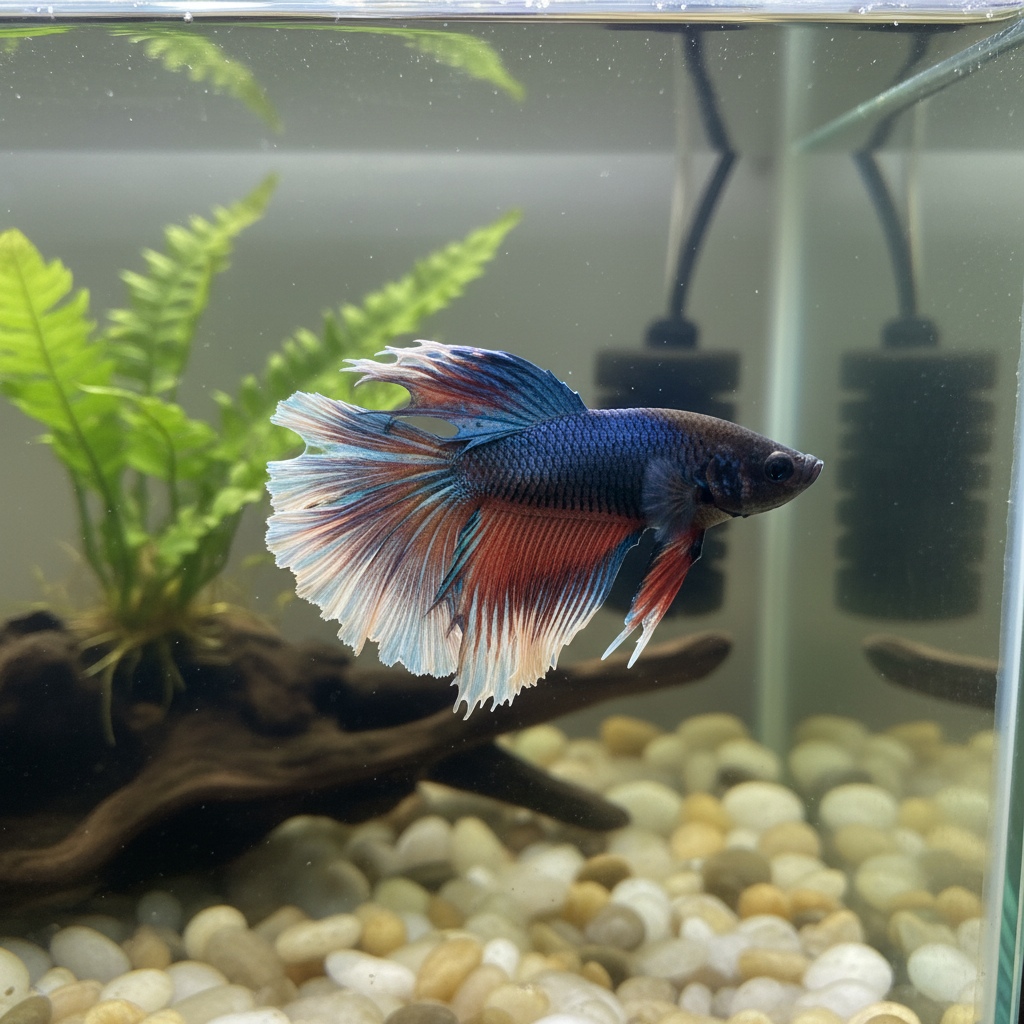
Recognizing the Signs of Bacterial Infection in Betta Fish
Bacterial infections in betta fish can manifest in various ways, making early identification crucial. Look for changes in your fish's appearance, behavior, and physical condition. Common signs include: When the signs overlap, koi fish diseases gives a more focused next step. For the related symptom path, use fish bacterial infection alongside the checks above.
- Fin Rot: The edges of fins appear ragged, frayed, or discolored, sometimes with white or red edges. This is a very common bacterial symptom.
- Body Sores or Ulcers: Open wounds, red patches, or lesions on the body. These can range from small spots to larger, more severe areas.
- Cloudy Eyes: One or both eyes may appear hazy or opaque. This can also be a sign of injury or poor water quality, but often accompanies bacterial issues.
- Pop-Eye (Exophthalmia): One or both eyes bulge abnormally. This can indicate an internal bacterial infection or fluid buildup.
- Red Streaks or Patches: Redness on the body or fins, often indicating internal bleeding or inflammation.
- Swelling or Bloating: The fish's body may appear distended, sometimes with scales protruding (known as dropsy, which is often a symptom of severe internal bacterial infection).
- Lethargy and Hiding: The fish becomes less active, rests at the bottom, or hides more than usual.
- Loss of Appetite: Refusal to eat or spitting out food.
- Gasping at Surface: While often a sign of low oxygen or ammonia, it can also indicate severe gill infection.
Many of these symptoms can overlap with other fish diseases or environmental issues. Observing your fish closely and noting a combination of symptoms will help you narrow down the problem. For example, if you see fin rot alongside lethargy and red streaks, a bacterial infection is highly likely.
Common Causes and Prevention Strategies
Bacterial infections rarely appear out of nowhere. They are often secondary to other stressors that weaken a betta's immune system. Understanding these underlying causes is essential for both treatment and prevention.
Poor Water Quality
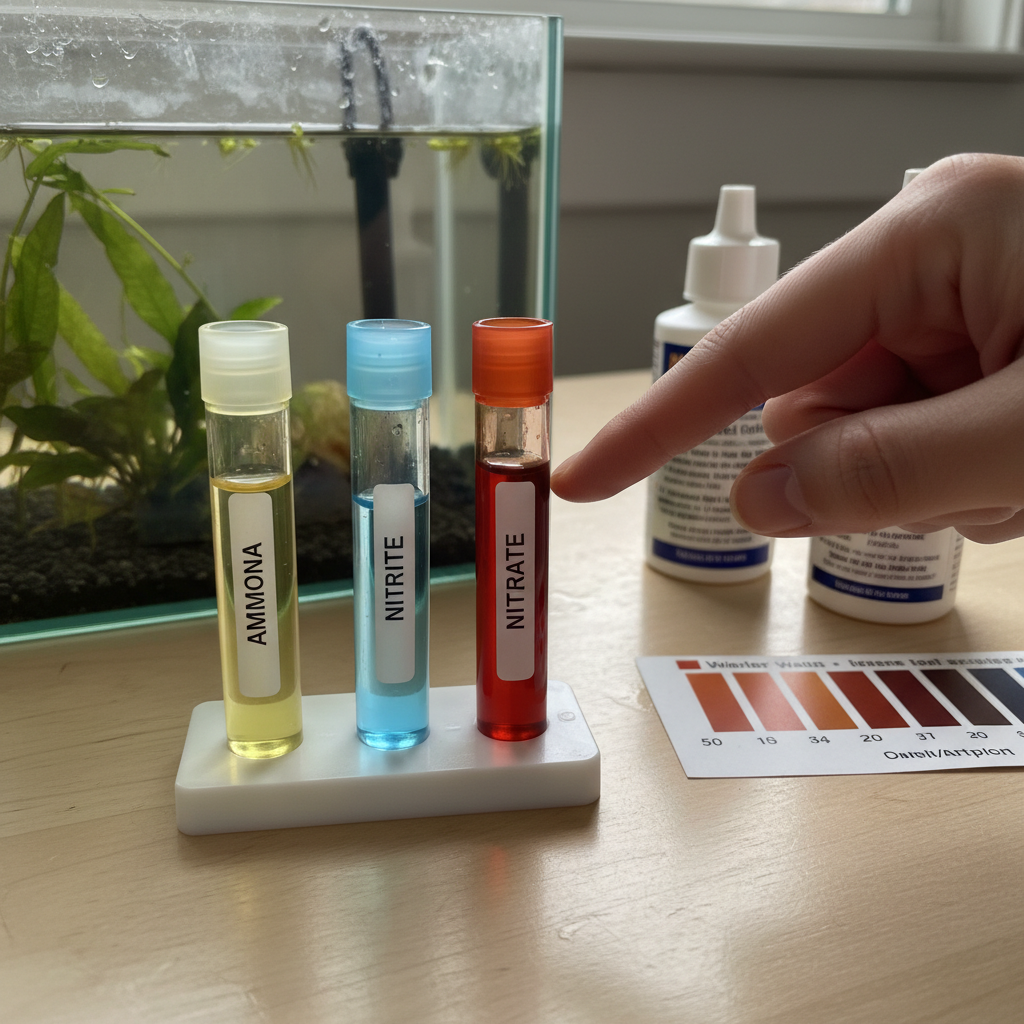
This is the most frequent culprit. High levels of ammonia, nitrite, or nitrate, or unstable pH, can stress fish and make them susceptible to bacteria. Regular water testing is vital. Aim for:
- Ammonia: 0 ppm
- Nitrite: 0 ppm
- Nitrate: below 20 ppm (ideally lower for bettas)
- Stable pH: appropriate for bettas (typically 6.5-7.5)
Perform regular partial water changes (25-50% weekly) to keep parameters stable. Ensure your filter is clean and functioning properly, but avoid over-cleaning it, which can remove beneficial bacteria.
Stress and Injury
Stress can come from many sources: overcrowding, aggressive tank mates, sudden temperature changes, loud noises, or even a lack of hiding spots. A stressed fish has a compromised immune system. Injuries from sharp decor, fighting, or rough handling can also create entry points for bacteria.
Provide a calm environment with appropriate tank mates (if any), plenty of hiding places, and stable water conditions. Handle your fish gently when necessary.
Poor Nutrition
A diet lacking essential nutrients can weaken a betta's immune system. Feed a high-quality betta-specific pellet or flake food, supplemented with occasional live or frozen foods like bloodworms or brine shrimp. Avoid overfeeding, which can foul the water.
AquaShelter's diagnosis timeline feature can help you track changes in your betta's symptoms and water parameters over time, providing a clearer picture of when the infection started and how it's progressing. This can be invaluable for understanding the root cause and choosing the right course of action.
Treatment Options and When to Seek Veterinary Help
Once you suspect a bacterial infection, prompt action is important. The first step is always to address water quality. Perform a significant water change (50-75%) using dechlorinated water matched to the tank's temperature. Test your water parameters immediately after the change and continue to monitor them daily.
For mild cases, improving water quality and reducing stress might be enough for your betta to recover. However, for more advanced infections, medication may be necessary. Common treatments include:
- Antibiotics: These are often broad-spectrum and can be added to the water or mixed with food. Common active ingredients include erythromycin, minocycline, or furan-based medications. Always follow product instructions carefully.
- Antifungals: While bacterial infections are distinct from fungal ones, sometimes secondary fungal infections can occur. Some medications target both.
Important Safety Note: Never guess medication dosages or treatment durations. Always follow the product label precisely. Overdosing or underdosing can be harmful or ineffective. If you are unsure, consult an aquatic veterinarian. They can provide an accurate diagnosis and recommend the most appropriate and safest treatment plan for your specific fish and situation. The Merck Veterinary Manual notes that accurate diagnosis of fish diseases often requires laboratory testing, which is typically performed by a veterinarian. Merck Veterinary Manual
During treatment, continue to monitor water quality and perform small, frequent water changes if needed. Remove activated carbon from your filter, as it can absorb medications. Isolate the infected fish in a hospital tank if possible to prevent spread and allow for more targeted treatment.
If your betta's condition worsens despite treatment, or if you are dealing with severe symptoms like dropsy, it's time to consider professional help. An aquatic veterinarian can offer advanced diagnostics and prescription medications not available over-the-counter. They can also discuss humane euthanasia options if the fish is suffering and recovery is unlikely.
AquaShelter's aquarium treatment safety checker can help you understand potential interactions and safe usage of various medications, ensuring you make informed decisions for your betta's health.
When to Seek Veterinary Help for Your Betta
While many betta fish bacterial infections can be managed at home with proper water quality and over-the-counter treatments, there are clear signs that professional veterinary intervention is necessary. If your betta's condition rapidly worsens despite your best efforts, or if you observe severe symptoms like extreme lethargy, widespread body sores, or persistent dropsy (severe swelling with protruding scales), it's time to consult an aquatic veterinarian. These professionals can offer accurate diagnoses, prescribe stronger medications, and provide guidance tailored to your fish's specific needs. Early veterinary consultation can significantly improve your betta's chances of recovery, especially when home treatments aren't yielding results.
Understanding the Limits of Home Treatment
It's easy to feel overwhelmed when your betta is sick, and the internet offers a wealth of advice. However, not all advice is created equal, and some conditions require more than general care. For instance, if you've tried common remedies for fin rot or cloudy eyes for several days without improvement, or if new, more severe symptoms appear, this indicates the infection might be more aggressive or resistant than anticipated. A veterinarian can perform diagnostic tests, such as fin clips or skin scrapes, to identify the specific bacteria causing the problem, allowing for targeted and effective treatment. This precision is often beyond what can be achieved with general aquarium products.
Consider a scenario where your betta develops severe pop-eye and refuses to eat for more than 48 hours. You've checked water parameters, performed a partial water change, and even tried a broad-spectrum antibiotic, but there's no change. At this point, the infection could be internal, requiring a different class of medication or even an injectable antibiotic. Consulting a vet provides access to these advanced options and prevents prolonged suffering. For a comprehensive overview of fish diseases and their complexities, the Merck Veterinary Manual fish disease overview offers valuable insights into when professional help is warranted. If you're unsure about the severity of your betta's symptoms, use our fish symptom checker to help guide your next steps.
Use AquaShelter before you guess
If you are not sure whether the symptoms are coming from disease or water quality, try the AquaShelter diagnosis check before choosing a treatment.
Open the diagnosis checkDisclaimer: AquaShelter helps with triage and safer decisions, but it does not replace a qualified aquatic veterinarian.
FAQ
What causes bacterial infections in betta fish?
Bacterial infections in betta fish are most often caused by poor water quality (high ammonia, nitrite, or nitrate), stress, injuries, or a poor diet, which weaken the fish's immune system and allow bacteria to take hold.
Can I treat a betta fish bacterial infection without medication?
For very mild cases, improving water quality through large water changes and reducing stress can sometimes allow a betta to recover on its own. However, for more advanced infections, medication is usually necessary. Always monitor your fish closely.
How can I prevent bacterial infections in my betta fish?
Preventing bacterial infections involves maintaining excellent water quality with regular testing and water changes, providing a stress-free environment, feeding a high-quality diet, and avoiding overcrowding or aggressive tank mates.