
Editorial process: The AquaShelter editorial team prepares this guide with AI-assisted drafting and automated checks for sources, safety, structure, images, and duplication. It is educational content, not a veterinary diagnosis.
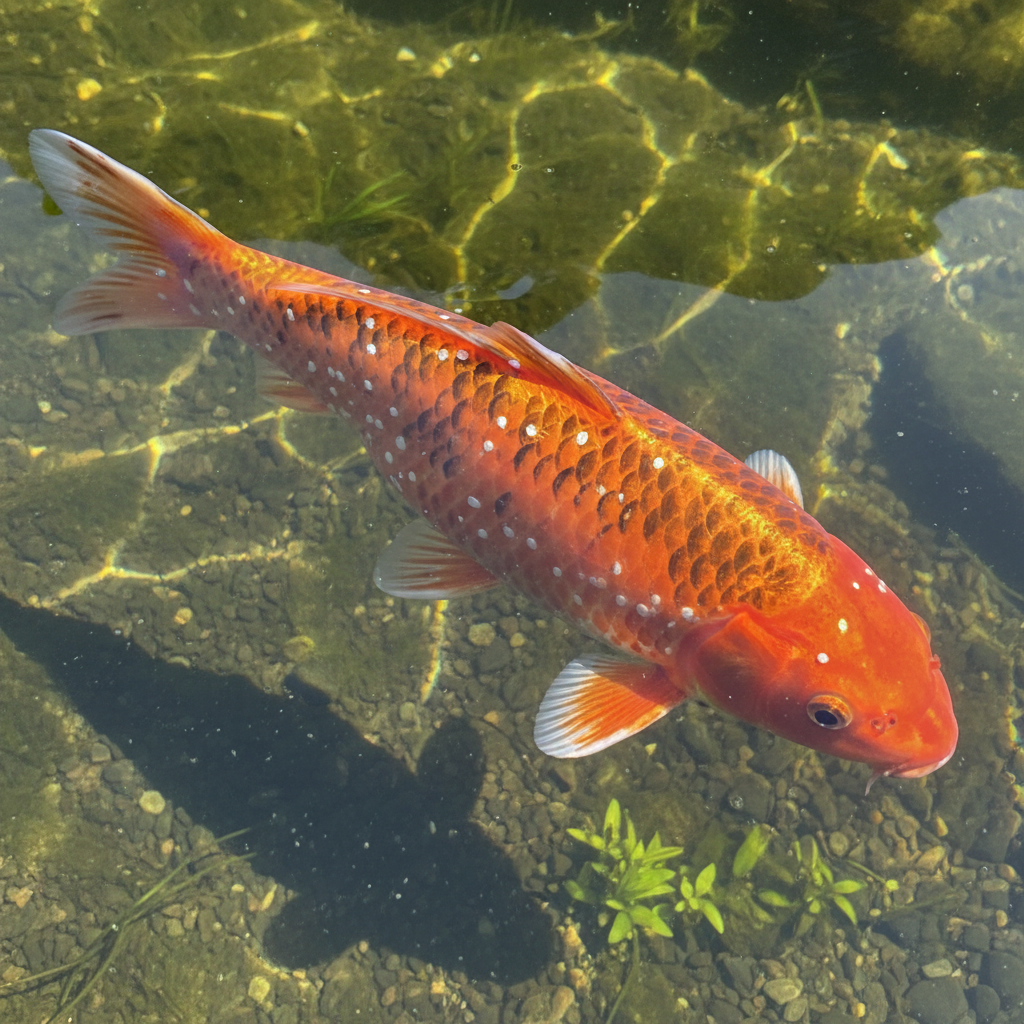
Introduction: Understanding Koi Health and Disease
Koi are more than just fish; they are often cherished pets and significant investments. Their health is directly tied to the environment they live in. When a koi shows signs of illness, it can be concerning for any pond keeper. Early detection is your best tool for successful intervention. Many common koi diseases can be managed effectively if caught in their initial stages. This article will walk you through identifying problems and taking appropriate action. For the related symptom path, use betta fish bacterial infection alongside the checks above. For the related symptom path, use dropsy fish alongside the checks above.
Why Koi Get Sick: Common Causes of Disease
Most koi diseases don't appear out of nowhere. They are often triggered by environmental factors that weaken a fish's immune system. Understanding these causes helps you prevent future outbreaks.
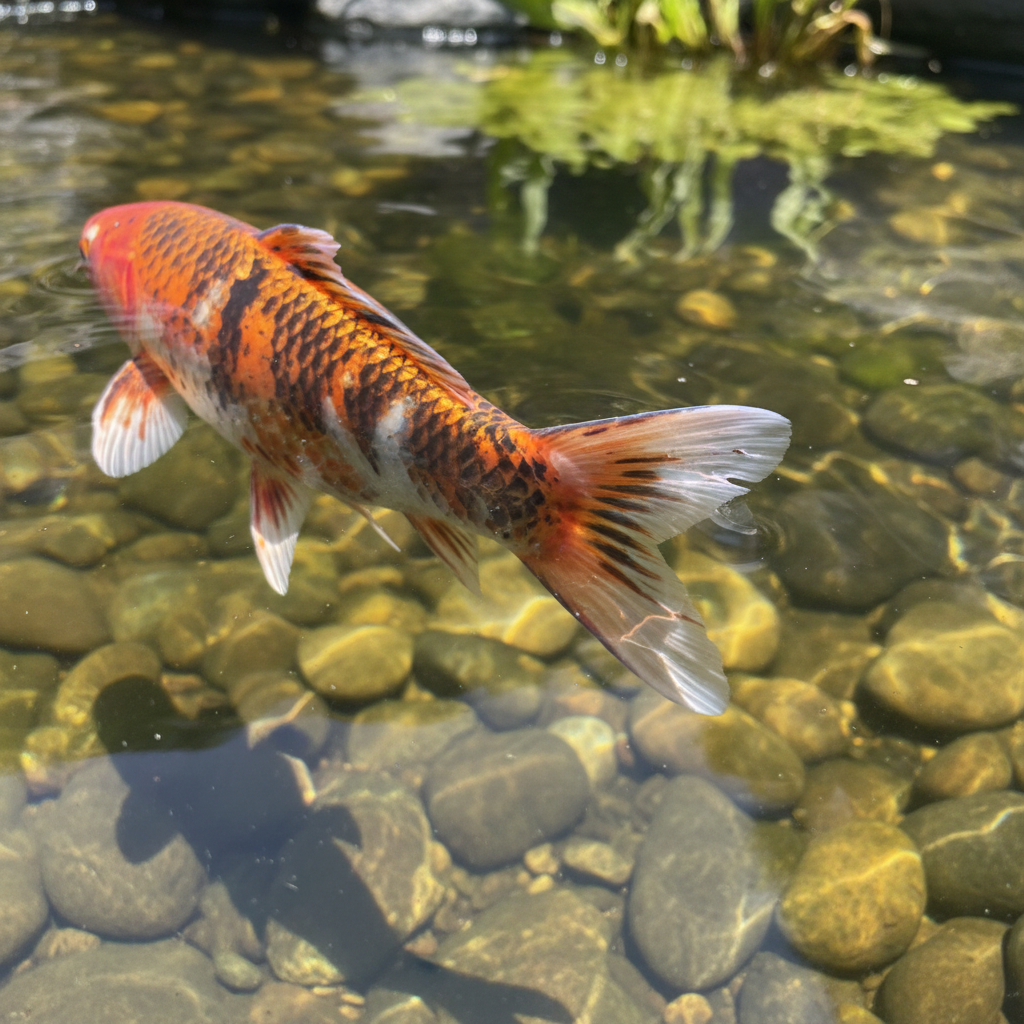
- Poor Water Quality: This is the most frequent culprit. High levels of ammonia, nitrite, or nitrate, along with unstable pH or temperature fluctuations, stress koi. Stressed fish are more susceptible to illness. Regular water testing is essential.
- Stress: Beyond water quality, other stressors include overcrowding, inadequate nutrition, introducing new fish without proper quarantine, and rough handling. Even sudden changes in weather can cause stress.
- Opportunistic Pathogens: Many bacteria, fungi, and parasites are naturally present in a pond. They only become a problem when a koi's immune system is compromised by stress or poor conditions.
AquaShelter's tools can help you monitor your pond's health. Use our Aquarium Water Test Strip Guide to understand your readings. This helps you identify water quality issues before they lead to disease.
Recognizing the Signs: General Symptoms of Illness in Koi
Observing your koi daily is the best way to catch problems early. Look for changes in behavior or physical appearance. These general signs can indicate a sick fish:
- Lethargy or Hiding: A healthy koi is active and curious. If your fish is sluggish, staying at the bottom, or hiding more than usual, it might be ill.
- Flashing: Rubbing against pond surfaces or decor can indicate irritation from parasites or water quality issues.
- Clamped Fins: Fins held close to the body, rather than spread out, often signal discomfort or illness.
- Loss of Appetite: A sudden refusal to eat is a strong indicator that something is wrong.
- Abnormal Swimming: This includes swimming erratically, struggling to maintain balance, or swimming upside down.
- Discoloration: Fading colors, dark patches, or unusual redness can be signs of disease or stress.
If you notice any of these symptoms, use the AquaShelter fish symptom checker. It can help you narrow down potential issues based on your observations.
Common Koi Fish Diseases: Symptoms, Causes, and First Steps
Many diseases affect koi, some of which also affect goldfish. Here's a breakdown of common issues:
Parasitic Diseases
These are often visible or cause distinct behavioral changes.
- Ich (White Spot Disease): Small, white spots resembling grains of salt on the body and fins. Caused by the parasite Ichthyophthirius multifiliis. First step: Increase water temperature slowly (if safe for other fish) and consider anti-parasitic treatments.
- Flukes (Gill and Body Flukes): Koi may flash, have excess mucus, or show red, inflamed gills. Caused by tiny flatworms. First step: Improve water quality and consider anti-fluke medication.
- Anchor Worms: Visible, thread-like worms embedded in the fish's skin, often with inflammation at the attachment site. First step: Manual removal with tweezers (if few) and anti-parasitic treatment.
- Fish Lice: Flat, disc-shaped parasites visible on the skin, causing irritation and flashing. First step: Manual removal and anti-parasitic treatment.
Bacterial Diseases
Often result from poor water quality or injuries.
- Fin Rot: Fins appear ragged, frayed, or have white edges. Can progress to complete fin loss. Often caused by poor water quality or stress. First step: Improve water quality immediately, consider antibiotics. Learn more about Fin Rot Treatment.
- Mouth Rot (Columnaris): White or grayish patches around the mouth, which can erode tissue. Caused by Flavobacterium columnare. First step: Improve water quality, consider antibiotics.
- Ulcers: Open sores or lesions on the body, often red and inflamed. Usually bacterial, often secondary to injury or parasites. First step: Improve water quality, consider topical or systemic antibiotics.
- Dropsy: The fish's body swells, and scales protrude, giving a 'pinecone' appearance. This is a symptom of internal organ failure, often due to bacterial infection. First step: Isolate the fish, improve water quality, and consider broad-spectrum antibiotics.
Fungal Infections
Often appear as cotton-like growths.
- Saprolegnia: White or gray cotton-like growths on the skin, fins, or eyes. Often secondary to injury or other infections. First step: Improve water quality, consider anti-fungal treatments or salt baths.
Viral Diseases
These are often more serious and harder to treat.
- Koi Herpesvirus (KHV): Rapid onset of lethargy, gill necrosis, sunken eyes, and skin lesions. Highly contagious and often fatal. There is no cure. First step: Isolate affected fish, maintain strict biosecurity. Prevention through quarantine is key. Koi Herpesvirus (KHV) Disease is a serious concern for koi keepers.
- Carp Pox: Waxy, gray-white growths on the skin and fins. Generally harmless but unsightly. No specific treatment; often resolves with improved water quality.
- Carp Edema Virus (CEV): Similar symptoms to KHV, including lethargy, skin lesions, and gill damage. Also highly contagious. No specific cure.
The Importance of Accurate Diagnosis: Before You Treat
Many koi diseases share similar symptoms. Treating without a proper diagnosis can be ineffective or even harmful. For example, using an antibacterial medication for a parasitic infection won't work and could stress your fish further. If you are unsure, it's always best to seek expert advice.
AquaShelter's diagnostic tools can help you narrow down possibilities. Our system considers multiple symptoms and tank history to provide a more informed direction. This helps you avoid common missteps in treatment.
Treatment Principles and Safety for Koi Diseases
Once you have a suspected diagnosis, treatment involves several steps:
- Quarantine: Isolate sick fish in a separate tank or pond to prevent disease spread and allow for focused treatment.
- Water Changes: Perform partial water changes to improve water quality and reduce pathogen load.
- Salt Baths: Short-term salt baths can help with some parasites and bacterial infections. Follow specific guidelines for concentration and duration.
- Medication: Use medications specifically designed for koi and the identified disease. Always follow the product label instructions carefully. Overdosing or underdosing can be dangerous.
Before applying any treatment, use the AquaShelter treatment safety checker. This tool helps you understand potential risks and interactions, ensuring you choose the safest option for your specific situation.
Frayed or ragged fins are often indicative of bacterial fin rot.Prevention is Key: Maintaining a Healthy Koi Pond
The best defense against koi diseases is a strong offense. Good husbandry practices significantly reduce the risk of outbreaks.
- Regular Water Testing: Consistently check ammonia, nitrite, nitrate, and pH levels. Address any imbalances promptly. High nitrate levels can also stress fish; learn how to manage High Nitrate in Aquarium.
- Proper Filtration: Ensure your pond has adequate mechanical and biological filtration to keep water clean and cycle waste.
- Appropriate Stocking Levels: Avoid overcrowding, which leads to poor water quality and increased stress.
- Balanced Nutrition: Feed high-quality koi food appropriate for the season and water temperature.
- Quarantine New Fish: Always quarantine new koi for at least 2-4 weeks before introducing them to your main pond. This prevents introducing new diseases.
- Minimize Stress: Handle fish gently, provide hiding spots, and maintain stable water parameters. Read more about Fish Stress: Symptoms, Causes, and How to Calm Your Tank.
When to Consult an Aquatic Veterinarian
Sometimes, despite your best efforts, a disease may be too complex or severe for home treatment. You should consult an aquatic veterinarian if:
- Your koi's condition rapidly declines.
- You experience mass mortalities in your pond.
- You cannot identify the disease despite observing symptoms.
- Initial treatments fail to improve the situation.
- You suspect a highly contagious or untreatable disease like KHV.
An aquatic vet can perform diagnostic tests, such as skin scrapes or biopsies, to provide an accurate diagnosis and recommend targeted treatments. They can also advise on humane euthanasia options if necessary.
Ulcers are often caused by bacterial infections and require prompt attention.Prioritizing Your Koi's Well-being
When it comes to the health of your koi, a proactive approach is always best. Instead of waiting for obvious signs of distress, regular observation and consistent care create a resilient environment for your fish. Think of yourself as the primary caretaker, responsible for maintaining the delicate balance of their aquatic home. This means understanding not just what to do when a problem arises, but how to prevent many common issues from taking hold in the first place.
Understanding Environmental Triggers
Many koi health challenges stem from environmental factors. Poor water quality, sudden temperature shifts, or even overcrowding can weaken a koi's immune system, making them susceptible to opportunistic pathogens. For instance, if you notice your koi flashing against objects, it could be an early sign of parasites, often exacerbated by stress from suboptimal water conditions. Addressing these underlying environmental stressors is often the most effective first step in both prevention and treatment. Regular water testing and appropriate pond maintenance are not just chores; they are critical components of your koi's preventative healthcare.
If you're unsure about specific symptoms or need guidance on diagnosis, our Fish Symptom Checker can help you narrow down potential issues. For a broader understanding of fish health, the Merck Veterinary Manual offers valuable insights into general fish disease signs and diagnostic limitations.
Use AquaShelter before you guess
If you are not sure whether the symptoms are coming from disease or water quality, try the AquaShelter diagnosis check before choosing a treatment.
Open the diagnosis checkDisclaimer: AquaShelter helps with triage and safer decisions, but it does not replace a qualified aquatic veterinarian.
FAQ
What are the most common diseases affecting koi fish?
Common koi diseases include parasitic infections like Ich and flukes, bacterial issues like fin rot and ulcers, fungal growths, and serious viral diseases such as Koi Herpesvirus (KHV).
How can I tell if my koi fish is sick?
Look for changes in behavior like lethargy, flashing, clamped fins, or loss of appetite. Physical signs include white spots, frayed fins, ulcers, cotton-like growths, or a bloated appearance.
Can poor water quality cause koi diseases?
Yes, poor water quality is a leading cause of koi diseases. High ammonia, nitrite, or nitrate levels, along with unstable pH or temperature, stress koi and weaken their immune systems, making them vulnerable to illness.