
Editorial process: The AquaShelter editorial team prepares this guide with AI-assisted drafting and automated checks for sources, safety, structure, images, and duplication. It is educational content, not a veterinary diagnosis.
Recognizing the Signs of Bacterial Infection
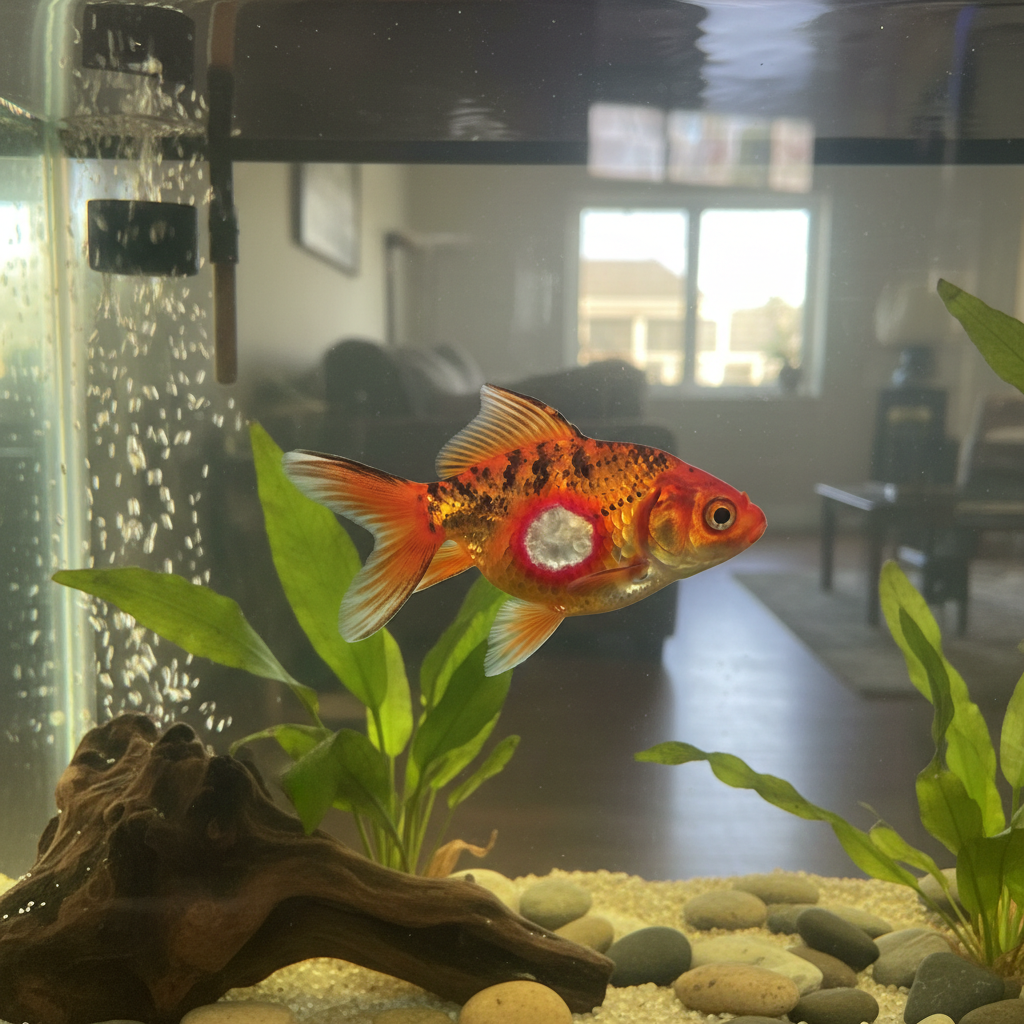
Bacterial infections in fish can appear suddenly or develop slowly. It's important to observe your fish closely for any changes in appearance or behavior. External signs often include red streaks on fins or body, ulcers, open sores, cloudy eyes, or a fuzzy white growth that isn't fungal. Fins might appear clamped, ragged, or have areas of decay, often referred to as fin rot. Internally, bacterial infections can lead to bloating, dropsy (a condition where scales protrude), or lethargy. Your fish might also show changes in appetite, refusing food or spitting it out. Some fish may gasp at the surface or rub against tank decorations, indicating irritation. A useful follow-up guide is Velvet Disease in Fish: Signs, Urgency, and Safer Treatment if the tank history points that way. A useful follow-up guide is Fish Mouth Rot: Identify, Treat, and Prevent if the tank history points that way.
One common scenario is when a fish develops a red sore after a minor injury, like bumping into decor. This small wound can quickly become infected by bacteria present in the water, leading to a larger, more serious problem if not addressed. Monitoring your fish daily helps you catch these subtle changes early.
Common Causes and Prevention
Bacterial infections rarely occur in healthy fish living in pristine conditions. The primary culprits are often poor water quality, stress, and injury. High levels of ammonia, nitrite, or nitrate can weaken a fish's immune system, making it susceptible to opportunistic bacteria. Overcrowding, sudden temperature changes, or aggressive tank mates also contribute to stress. Even minor injuries from sharp decorations or netting can provide an entry point for bacteria.
To prevent bacterial infections, maintain excellent water quality through regular water changes and proper filtration. Test your water parameters frequently using a reliable kit. Ensure your tank is not overcrowded and that fish are compatible. Provide a balanced diet and avoid overfeeding, which can foul the water. When introducing new fish, always quarantine them to prevent bringing diseases into your main tank. AquaShelter's tank history feature can help you track water parameters and fish health over time, making it easier to spot trends that might lead to stress or illness.
If you notice any concerning symptoms, AquaShelter's fish symptom checker can help you narrow down potential issues and guide your next steps. This tool can be a valuable first resource when you're unsure what's happening with your fish.
Treatment Options and Safety Considerations
Treating bacterial infections requires careful consideration. The first step is always to improve water quality. Perform a significant water change (25-50%) and ensure your filtration is working correctly. Remove any uneaten food or decaying plant matter. For external infections, some aquarists use aquarium salt baths or broad-spectrum antibacterial medications. Internal infections, especially those causing dropsy, are often more challenging to treat and may require medicated food or stronger antibiotics.
It is critical to follow product instructions precisely when using any medication. Overdosing can be harmful, and underdosing can lead to resistant bacteria. Always remove activated carbon from your filter before adding medication, as it will absorb the treatment. Some medications can harm beneficial bacteria in your filter, so be prepared to monitor water parameters closely during and after treatment. If you are unsure about the best course of action or if your fish's condition is worsening, consult with an aquatic veterinarian. They can provide a definitive diagnosis and recommend specific treatments. Never attempt to self-diagnose or treat with human medications, as these can be toxic to fish.
For severe cases or when multiple fish are affected, it's important to consider the welfare of your fish. If a fish is suffering greatly and treatment is not effective, humane euthanasia may be the kindest option, a decision best made with the guidance of an aquatic veterinarian.
When to Seek Professional Help
While many minor issues can be resolved with good husbandry, some situations warrant professional intervention. If your fish's condition rapidly deteriorates, if multiple fish are showing severe symptoms, or if you've tried basic treatments without success, it's time to contact an aquatic veterinarian. They have the expertise to diagnose complex diseases, prescribe appropriate medications, and offer guidance on advanced care. Remember, early intervention often leads to better outcomes. AquaShelter's aquarium treatment safety checker can help you understand potential interactions and risks of various treatments.
Source note: For veterinary context on Recognized fish disease signs, diagnostic limitations, and veterinary care context., see Merck Veterinary Manual fish disease overview. Compare that guidance with current water tests. Follow the product label and ask an aquatic veterinarian when treatment risk is involved.
When to Seek Expert Help for Fish Bacterial Infections
While early detection and good husbandry can prevent many issues, some fish bacterial infections require professional intervention. If you notice rapid worsening of symptoms, multiple fish affected, or if your initial treatments aren't showing improvement within 24-48 hours, it's time to consider more advanced diagnostics. A veterinarian specializing in aquatic animals can provide accurate diagnoses and prescribe targeted medications that are often unavailable to the general public. They can also help identify underlying causes in your tank environment that might be contributing to recurring infections.
Understanding Diagnostic Limitations
Diagnosing fish bacterial infections can be complex. Many symptoms, like fin rot or lethargy, can be caused by various factors, not just bacteria. Without proper lab tests, such as cultures or microscopic examinations, it's difficult to pinpoint the exact bacterial strain or rule out other diseases. This is why a 'shotgun' approach to treatment, using broad-spectrum medications without a clear diagnosis, can sometimes do more harm than good, potentially stressing fish further or contributing to antibiotic resistance. For a deeper understanding of diagnostic challenges, the Merck Veterinary Manual offers valuable insights into fish disease overview.
Before reaching out to a vet, gather as much information as possible: water parameters, tank history, diet, and a detailed description of symptoms. This information will be invaluable for the veterinarian. For an initial assessment of your fish's symptoms, you can also use our Fish Symptoms Checker to help organize your observations and guide your next steps.
Use AquaShelter before you guess
If you are not sure whether the symptoms are coming from disease or water quality, try the AquaShelter diagnosis check before choosing a treatment.
Open the diagnosis checkDisclaimer: AquaShelter helps with triage and safer decisions, but it does not replace a qualified aquatic veterinarian.
FAQ
What are the first signs of a bacterial infection in fish?
Early signs often include red streaks on fins or body, clamped fins, ulcers, cloudy eyes, or unusual lethargy and loss of appetite. Observing your fish daily helps catch these changes quickly.
Can poor water quality cause bacterial infections?
Yes, poor water quality, especially high ammonia, nitrite, or nitrate levels, significantly stresses fish and weakens their immune system, making them highly susceptible to bacterial infections.
When should I use medication for a fish bacterial infection?
Medication should be considered after addressing water quality issues and if symptoms persist or worsen. Always follow product instructions carefully and consult an aquatic veterinarian for severe or persistent cases.