
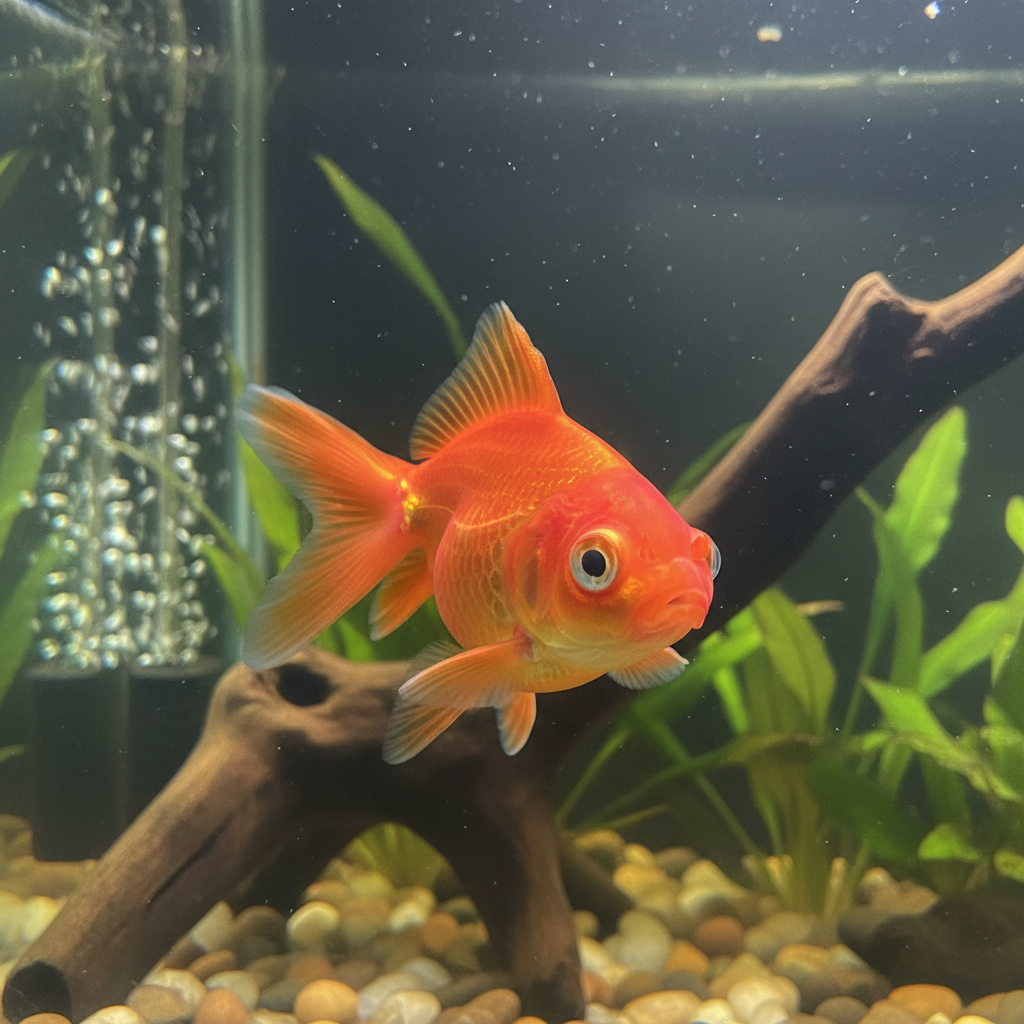
Why Your Fish's Eye Might Be Cloudy White
A cloudy white eye in a fish can be caused by several factors. Sometimes, it's a physical injury from bumping into tank decor or a fight with another fish. Other times, it's a sign of poor water quality, which stresses your fish and makes them more susceptible to illness. Bacterial or fungal infections can also manifest as a cloudy eye, especially if the fish's immune system is weakened. If this pattern matches your tank, compare it with fish is dying before choosing the next step. When the signs overlap, fish pop-eye gives a more focused next step.
Consider the overall health of your fish. Is it still eating? Is it swimming normally, or is it lethargic or hiding more? These observations, combined with water test results, will help you understand the severity of the problem.
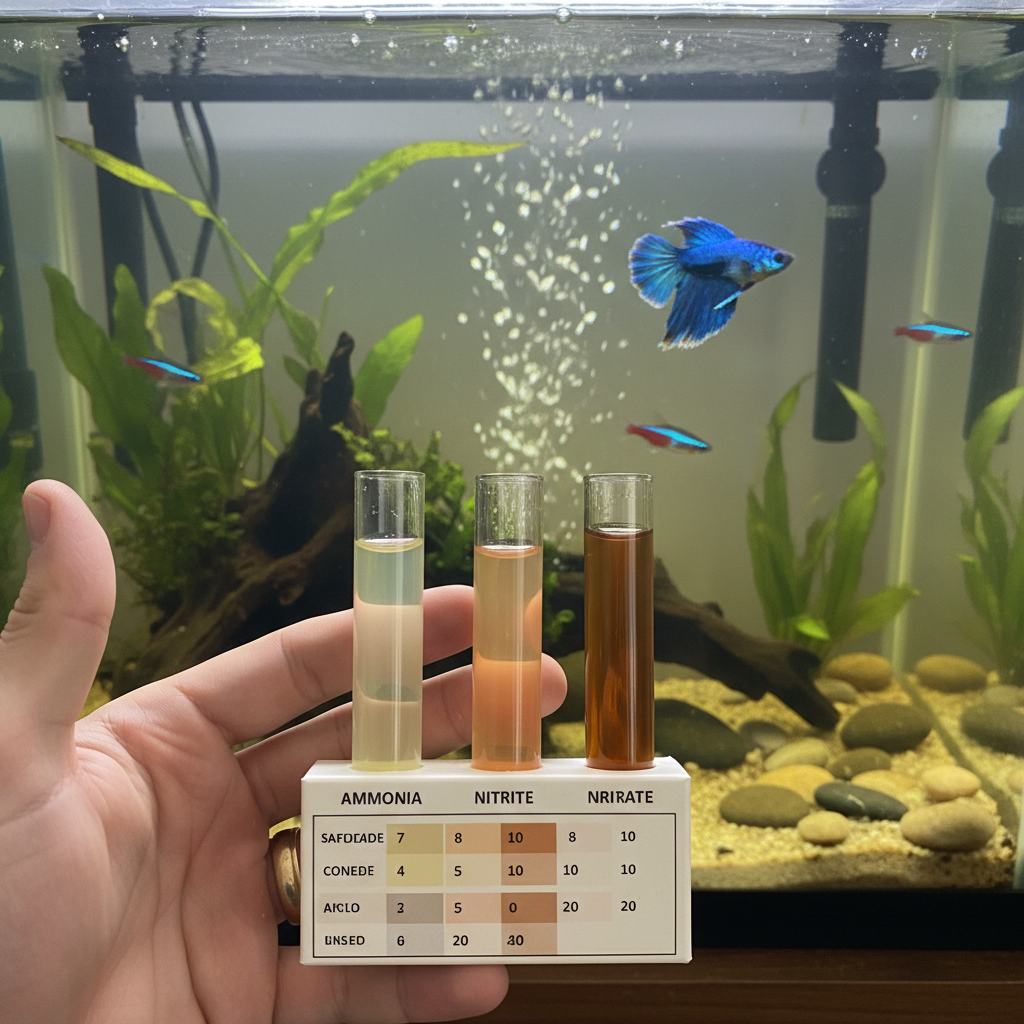
Checking Your Water Quality First
Before jumping to conclusions about disease, always check your water parameters. Poor water quality is a leading cause of stress and illness in aquarium fish, and a cloudy eye can be one of the first visible symptoms. Test for ammonia, nitrite, and nitrate. High levels of ammonia or nitrite are toxic and can quickly lead to health problems. Even high nitrates, over time, can weaken a fish's immune system.
If your water tests show any issues, perform a partial water change immediately. Aim for a 25-50% water change, depending on the severity of the problem. Make sure to use a good quality water conditioner to neutralize chlorine and chloramines. Consistent water changes and proper filtration are key to preventing many fish health issues.
For a quick and easy way to track your tank's health over time, consider using a tool like AquaShelter's tank history feature. Logging your water test results and observations can help you spot trends and prevent problems before they become serious. This can be especially helpful when trying to pinpoint what might have caused a sudden change like a cloudy eye.
Identifying Injury vs. Infection
If your water quality is pristine, the cloudy eye might be due to an injury. Did you recently add new decor? Are there any aggressive tank mates? A scratched eye can become cloudy as it heals or if a secondary infection sets in. If it's an injury, keeping the water clean and stable is often enough for the fish to recover on its own.
However, if the cloudiness is accompanied by other symptoms like fish not eating, lethargy, or visible growths around the eye, it's more likely an infection. Bacterial infections are common culprits for cloudy eyes and might require medication. Fungal infections can also occur, often appearing as a cotton-like growth on the eye.
Treatment Options for Cloudy White Eye
For minor cases, especially those related to water quality or minor injury, consistent clean water is often the best treatment. Perform daily small water changes (10-20%) and add a stress coat product to help with healing. If the condition doesn't improve within a few days, or if it worsens, you might need to consider medication.
For suspected bacterial infections, broad-spectrum antibacterial medications designed for aquarium use can be effective. Always follow the manufacturer's instructions carefully and ensure the medication is safe for all your tank inhabitants. If you suspect a fungal infection, an anti-fungal treatment would be appropriate. It's always a good idea to consult with a knowledgeable aquarist or a fish veterinarian before administering strong medications, especially if you're unsure of the exact cause.
Remember, treating the underlying cause is just as important as treating the symptom. If poor water quality was the issue, medication won't solve the problem long-term unless you address the water parameters.
When to Isolate Your Fish
If you have a hospital tank available, isolating the affected fish can be beneficial. This allows you to treat the fish without medicating your entire display tank, which can sometimes harm beneficial bacteria or sensitive invertebrates. It also reduces stress on the sick fish and prevents potential spread of infection to other tank mates, though many cloudy eye issues are not highly contagious.
For severe or persistent cases, or if you're unsure about diagnosis and treatment, don't hesitate to seek professional advice. Your local fish store or an aquatic veterinarian can offer guidance. You can also use tools like AquaShelter's fish symptoms checker to help narrow down possibilities based on your observations.
Preventing Cloudy Eye in the Future
Prevention is always better than cure. Maintaining excellent water quality through regular water changes and proper filtration is paramount. Avoid overfeeding, which can foul the water, and ensure your tank is not overstocked. Provide a balanced diet to boost your fish's immune system. Finally, be mindful when adding new decor or fish to prevent injuries and the introduction of diseases. Quarantining new fish for a few weeks before adding them to your main tank is a practice that can save you a lot of headaches.
What to Do First: Observe and Test
Seeing a cloudy white eye on your fish can be alarming, but don't panic. Your first move should be to observe your fish closely. Is it still eating? Is it swimming normally, or is it lethargic, hiding, or rubbing against tank decorations? These behaviors offer critical clues. For instance, if your fish is otherwise active and eating, it might be a minor injury. If it's withdrawn and showing other signs of distress, an underlying issue is more likely.
Next, immediately test your water parameters. Poor water quality is a silent killer and often the root cause of many fish ailments, including cloudy eyes. Check for ammonia, nitrite, and nitrate. Even if you perform regular water changes, a sudden spike can occur, especially if you've recently added new fish, overfed, or if your filter media needs cleaning. High levels of these toxins stress your fish, weakening their immune system and making them susceptible to infections that can manifest as a cloudy eye. If your water tests reveal any issues, perform a 25-50% water change right away, ensuring you use a quality water conditioner.
When to Suspect More Than Just Water Quality
If your water parameters are pristine and your fish is otherwise acting normally, the cloudy eye could be a physical injury. Did you recently rearrange the tank, or do you have aggressive tank mates? A bump against a sharp decoration or a fin nip could cause localized trauma. However, if the cloudiness is accompanied by other symptoms like fin rot, labored breathing, or a general dullness in color, you're likely dealing with an infection. Bacterial and fungal infections are common culprits for cloudy eyes, often taking advantage of a fish whose immune system is already compromised by stress or poor conditions. For a more guided diagnostic process, consider using a tool like AquaShelter's fish symptoms checker to help narrow down potential causes based on all observed symptoms.
Use AquaShelter before you guess
If you are not sure whether the symptoms are coming from disease or water quality, try the AquaShelter diagnosis check before choosing a treatment.
Open the diagnosis checkDisclaimer: AquaShelter helps with triage and safer decisions, but it does not replace a qualified aquatic veterinarian.
FAQ
Can a cloudy fish eye heal on its own?
Yes, if the cause is minor stress, a slight injury, or temporary poor water quality that is quickly corrected, a fish's cloudy eye can often heal on its own with clean, stable water conditions.
What water parameters cause cloudy eyes in fish?
High levels of ammonia, nitrite, or consistently high nitrates can stress fish and lead to cloudy eyes. Extreme pH fluctuations or very hard/soft water outside a fish's ideal range can also contribute.
Is a cloudy eye contagious to other fish?
While a cloudy eye itself isn't directly contagious, the underlying cause (like a bacterial infection or poor water quality) can affect other fish in the tank. It's best to address the issue promptly to protect all your fish.
Can a cloudy eye clear up on its own without treatment?
Sometimes, if the cause is minor stress or a very slight injury and water quality is immediately corrected, a cloudy eye can resolve on its own. However, if it's due to an infection or persistent poor water conditions, it's unlikely to improve without intervention and could worsen, potentially leading to blindness or more severe health issues for your fish.