
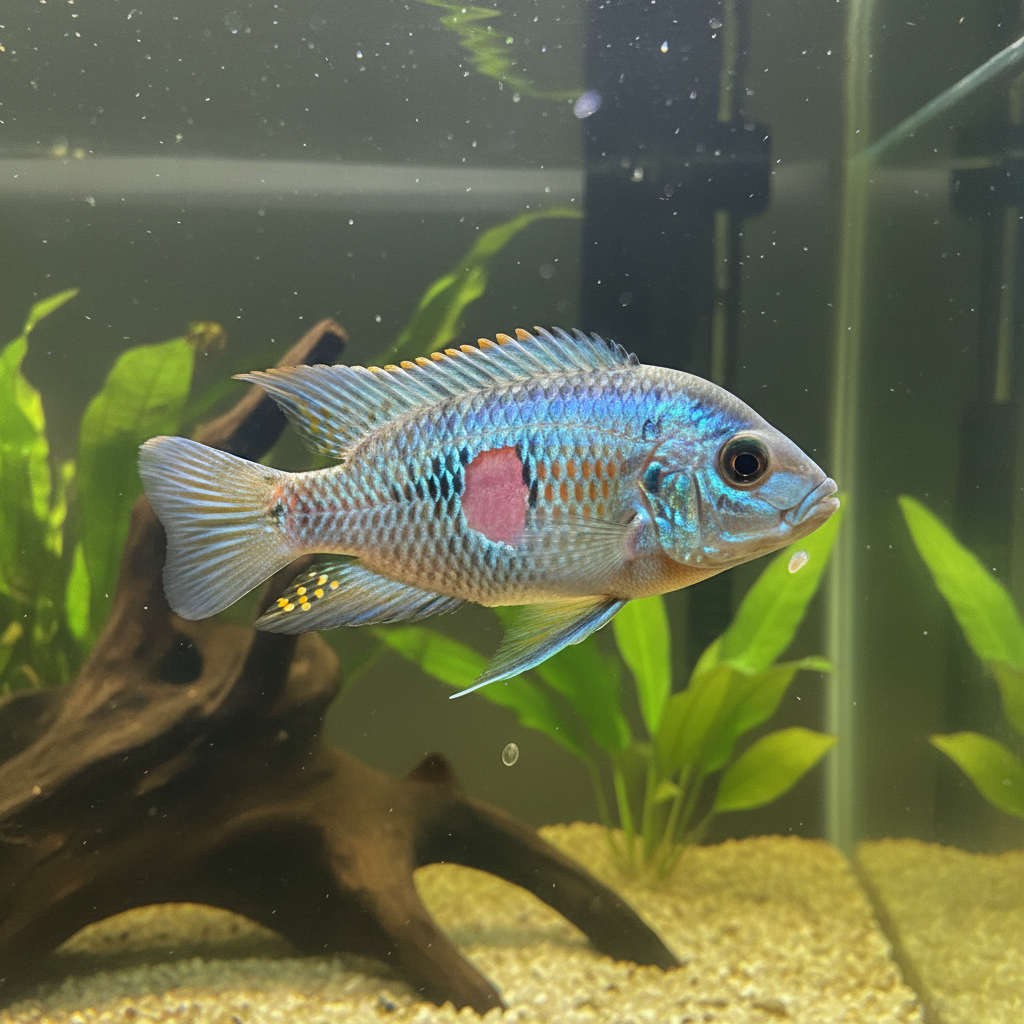
Why Are My Fish Losing Scales?
Seeing scales missing from your fish can be alarming. Scales are a fish's first line of defense, protecting them from injury and disease. When they start to fall off, it means that defense is compromised. There are a few common reasons this happens, and understanding them is key to helping your fish. A useful follow-up guide is fish is dying if the tank history points that way.
Physical Injury or Trauma
One of the most straightforward reasons for fish losing scales is physical injury. This can happen in several ways:
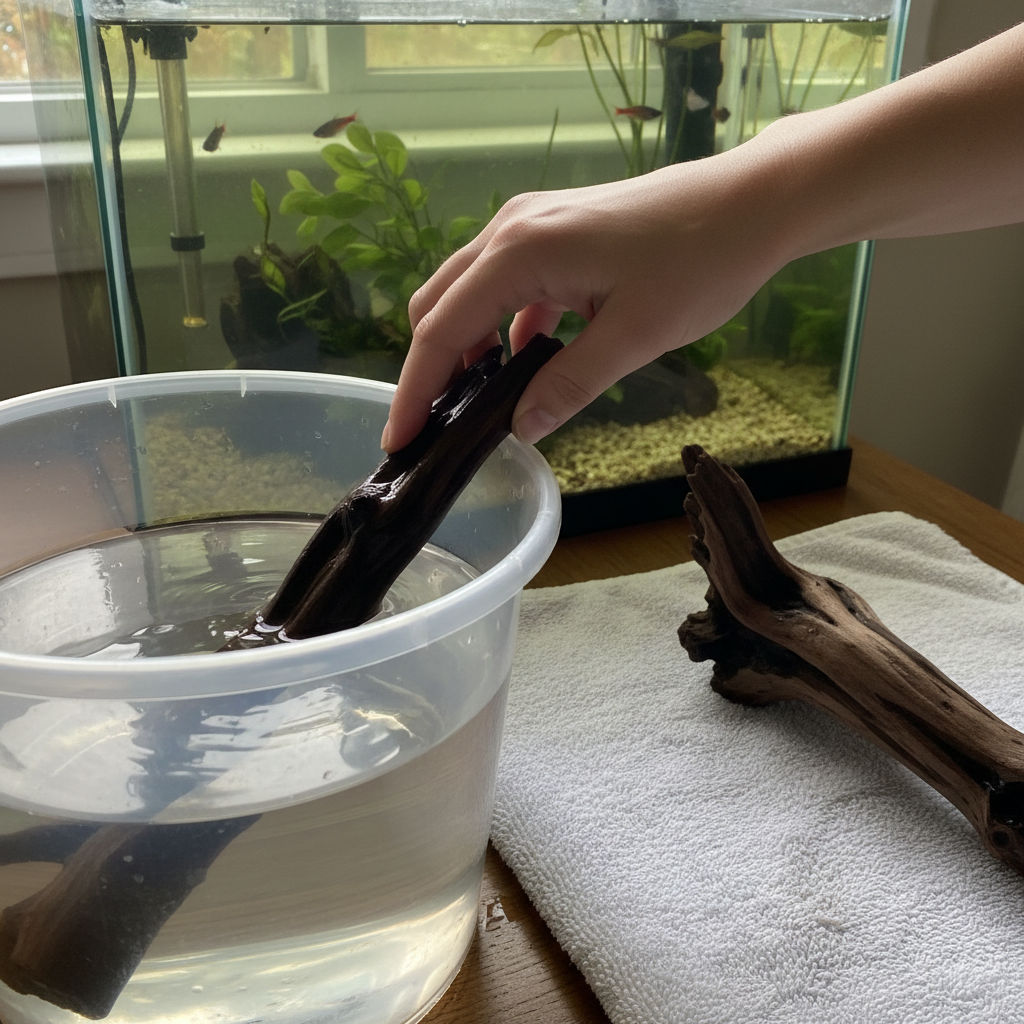
- Bumping into decor: Sharp edges on rocks, driftwood, or even plastic plants can scrape scales off.
- Fighting with tank mates: Aggressive fish might nip at others, causing scale damage.
- Netting accidents: Rough handling with a net can easily remove scales.
- Transport stress: Moving fish can lead to them bumping against the bag or container.
If you suspect injury, check your tank decor for sharp spots and observe fish interactions. Sometimes, simply rearranging decor or separating aggressive fish can solve the problem.
Poor Water Quality
Unhealthy water conditions are a major stressor for fish and can lead to a variety of health issues, including scale loss. High ammonia, nitrite, or nitrate levels, as well as incorrect pH or temperature, can weaken a fish's immune system and damage their skin and scales.
A fish in poor water might also show other symptoms like clamped fins, lethargy, or gasping at the surface. Regular water testing is crucial. If your water parameters are off, perform a partial water change immediately and continue to monitor. You can learn more about what your water test strips mean in our guide on Aquarium Water Test Strip Guide.
Bacterial or Fungal Infections
Sometimes, scale loss is a symptom of a bacterial or fungal infection. These infections often take hold when a fish is already stressed or injured. You might see other signs like:
- Redness or inflammation around the missing scales.
- Fuzzy white growths (fungus).
- Ulcers or open sores.
- Fin rot (often accompanies skin issues).
If you suspect an infection, it's important to isolate the affected fish if possible and consider appropriate treatment. Always follow product instructions carefully and ensure the medication is safe for your specific fish species and tank inhabitants.
Parasites
Certain external parasites can also cause fish to lose scales. While less common than injury or water quality issues, parasites like anchor worms or fish lice can attach to the fish and cause irritation, leading to the fish rubbing against objects (flashing) and dislodging scales. If you see visible parasites, specific anti-parasitic treatments may be necessary.
What to Do When Your Fish is Losing Scales
- Observe Your Fish: Look for other symptoms. Is it only one fish or multiple? Are there any visible injuries, growths, or changes in behavior like flashing or lethargy?
- Test Your Water: Use a reliable test kit to check ammonia, nitrite, nitrate, pH, and temperature. This is often the quickest way to rule out or confirm a major problem.
- Inspect Tank Decor: Run your fingers over all decorations to check for sharp edges.
- Review Tank Mates: Are there any aggressive fish? Consider separating them if bullying is occurring.
- Improve Water Quality: If water parameters are off, perform a 25-50% water change. Use a good quality water conditioner.
- Consider Treatment: If an infection is suspected, research appropriate medications. Always use caution and follow dosage instructions. For severe cases or if you're unsure, consult with a local fish store expert or an aquatic veterinarian.
Keeping a detailed log of your tank's history, including water parameters, fish behavior, and any treatments, can be incredibly helpful. AquaShelter's tank history feature allows you to track these details, making it easier to spot patterns and diagnose issues like fish losing scales more quickly. This can save you time and stress when trying to figure out what's going on with your fish.
Prevention is Key
Preventing scale loss often comes down to good husbandry:
- Maintain stable, clean water conditions with regular water changes.
- Provide appropriate tank size and compatible tank mates to reduce aggression.
- Choose smooth, fish-safe decorations.
- Handle fish gently when netting or moving them.
- Quarantine new fish to prevent introducing diseases.
By being proactive, you can significantly reduce the chances of your fish experiencing scale loss and keep them healthy and happy.
Understanding Why Your Fish Are Losing Scales
Seeing your fish with missing scales can be unsettling, but it's a clear signal that something in their environment or health needs attention. Scales are more than just decoration; they're a fish's primary defense against injury and disease. When this protective layer is compromised, your fish becomes vulnerable. Instead of panicking, let's break down the common culprits and how you can respond effectively.
First Steps When You Notice Scale Loss
Your immediate action can make a big difference. Start by observing your fish closely. Are they showing other symptoms like clamped fins, labored breathing, or changes in swimming patterns? Next, check your tank's water parameters. Poor water quality is a silent killer and often the root cause of many fish ailments, including scale loss. Use a reliable test kit to check ammonia, nitrite, nitrate, and pH levels. If any are off, a partial water change is your first line of defense. For a deeper dive into understanding your water test results, check out our Aquarium Water Test Strip Guide.
Consider the physical environment. Are there any sharp decorations your fish could be scraping against? Have you recently added new tank mates that might be aggressive? Sometimes, simply rearranging decor or separating a bully can prevent further injury. If you suspect an infection, isolating the affected fish in a hospital tank can prevent the spread and allow for targeted treatment without impacting the main display. For a more structured approach to identifying potential issues, our Fish Symptoms Checker can guide you through common signs and possible causes.
Seeing Missing Scales: Your First Steps
Finding your fish with missing scales can be unsettling. It's a clear sign something is off in their world, and it's natural to feel a bit worried. Think of scales as your fish's protective armor; when it's compromised, they're more vulnerable. Your immediate goal is to figure out why this is happening and stabilize their environment. Don't panic, but do act quickly.
Immediate Action: Observe and Test
The very first thing to do is a thorough visual check of your tank and its inhabitants. Are there any sharp decorations that could have caused an injury? Are any fish acting aggressively towards others? Sometimes, a simple rearrangement of decor or separating a bully can prevent further damage. Next, grab your water test kit. Poor water quality is a silent killer and a common culprit behind many fish ailments, including scale loss. High ammonia, nitrite, or even fluctuating pH can stress your fish, weakening their natural defenses. If your water parameters are off, perform a partial water change right away. You can learn more about interpreting your test results in our Aquarium Water Test Strip Guide.
If you've ruled out obvious injury and water quality issues, or if you see other symptoms like redness, fuzzy growths, or lethargy, you might be dealing with an infection. In such cases, isolating the affected fish in a hospital tank can prevent the spread and allow for targeted treatment. Always research treatments carefully and consider using our Aquarium Treatment Safety Checker to ensure compatibility with your tank setup and other inhabitants.
Use AquaShelter before you guess
If you are not sure whether the symptoms are coming from disease or water quality, try the AquaShelter diagnosis check before choosing a treatment.
Open the diagnosis checkDisclaimer: AquaShelter helps with triage and safer decisions, but it does not replace a qualified aquatic veterinarian.
FAQ
Can fish scales grow back?
Yes, in most cases, fish scales can grow back if the underlying skin is not too severely damaged and the fish is in good health with clean water. It might take some time, but new scales will usually regenerate.
What does it mean if my fish has red spots where scales are missing?
Red spots or inflammation where scales are missing often indicate a bacterial infection has set in, especially if the injury was left untreated or water quality is poor. This requires prompt attention and possibly medication.
Should I isolate a fish that is losing scales?
If you suspect the scale loss is due to aggression from other fish or a contagious disease, isolating the affected fish in a hospital tank is a good idea. This reduces stress, prevents further injury, and allows for targeted treatment without affecting the main tank.
Can fish scales grow back after they've been lost?
Yes, in many cases, fish scales can regenerate, especially if the underlying skin isn't severely damaged and the cause of the loss (like poor water quality or injury) is addressed promptly. Providing a clean, stable environment and a nutritious diet will support their recovery and scale regrowth.
Can fish scales grow back?
Yes, in many cases, fish scales can regrow if the underlying skin isn't too severely damaged and the fish's environment is healthy. Maintaining excellent water quality and providing a stress-free environment are key to successful regrowth. It can take several weeks for scales to fully regenerate.