
Editorial process: The AquaShelter editorial team prepares this guide with AI-assisted drafting and automated checks for sources, safety, structure, images, and duplication. It is educational content, not a veterinary diagnosis.
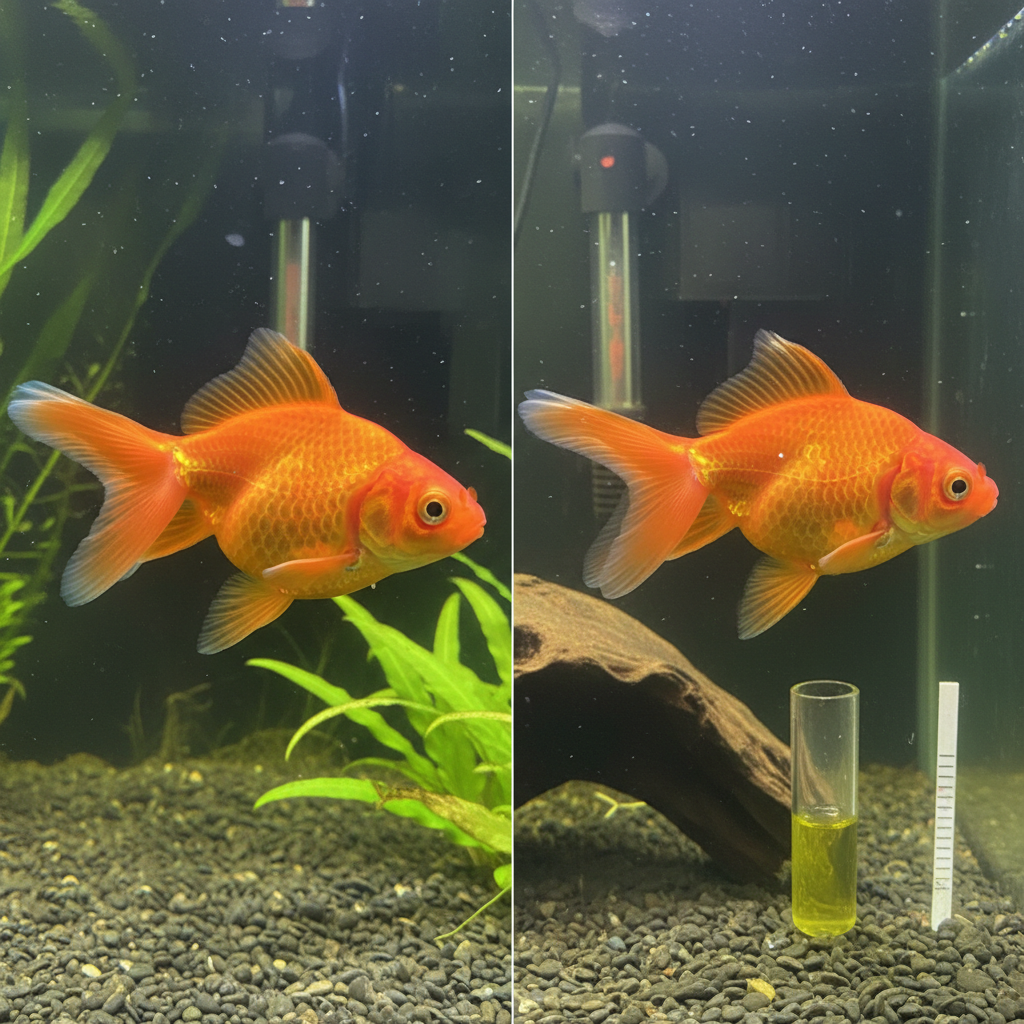
Understanding Goldfish Health and Why Pictures Matter
When your goldfish isn't acting right, visual cues are often the first sign of trouble. Changes in appearance, behavior, or swimming patterns can all point to an underlying health issue. This guide uses clear images to help you match what you see in your tank to common goldfish diseases. Knowing what to look for helps you act quickly. AquaShelter's tools can then help you take the next steps for diagnosis and treatment. For the related symptom path, use stressed betta fish symptoms alongside the checks above.
The Foundation of Goldfish Health: Water Quality First
Most goldfish diseases start with poor water quality. Your aquarium is a closed system, and waste products can quickly build up. Ammonia, nitrite, and nitrate are key water parameters to monitor. Ammonia and nitrite are toxic to fish, while high nitrates can cause chronic stress. Before you consider any treatment, always test your water. This helps you understand the root cause of the problem.
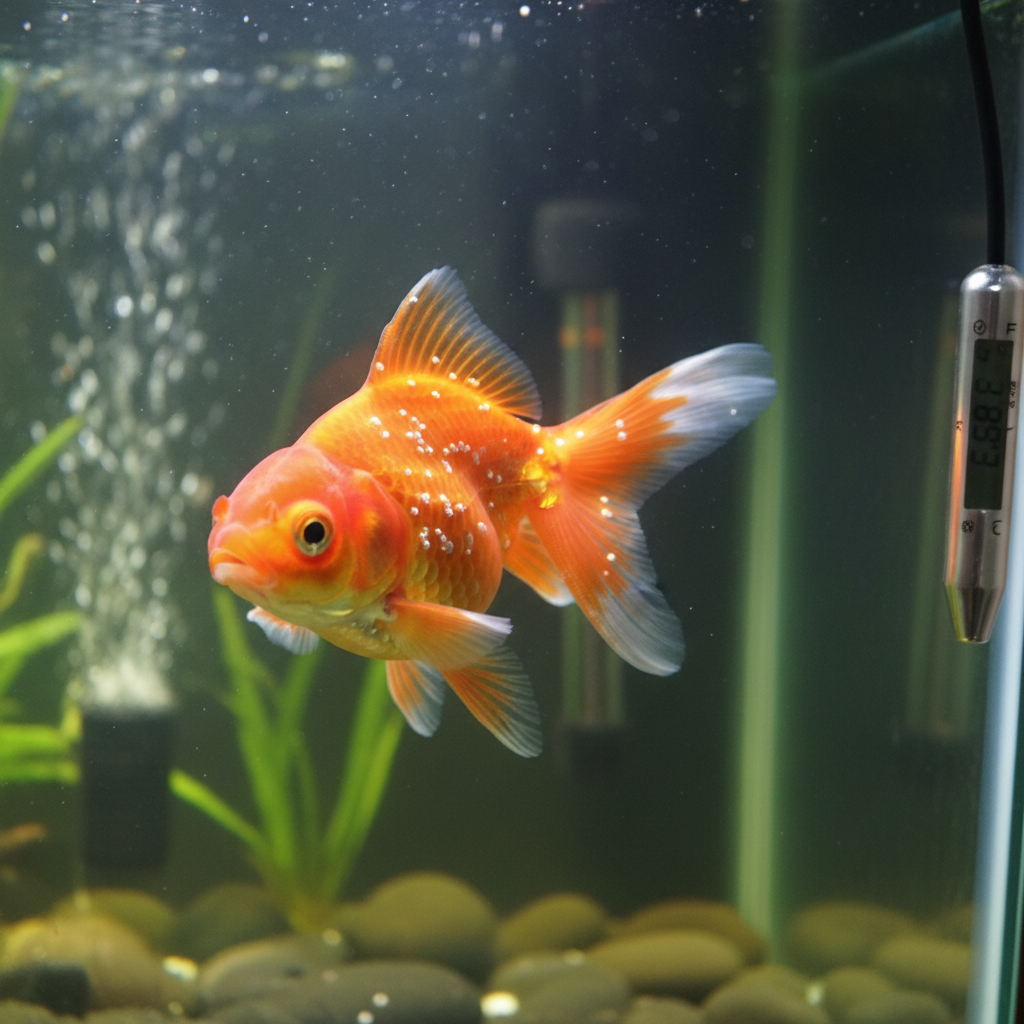
A healthy nitrogen cycle breaks down fish waste. Beneficial bacteria convert toxic ammonia into nitrite, then into less harmful nitrate. If this cycle is disrupted, your fish will suffer. Regular water testing with a reliable kit is essential. You can learn more about interpreting your results with our Aquarium Water Test Strip Guide. AquaShelter's tank history feature can help you track these readings over time, making it easier to spot trends and prevent issues.
Common Goldfish Diseases: Symptoms, Causes, and Pictures
Here are some of the most common health problems seen in goldfish, along with their visual symptoms and initial steps you can take.
Ich (White Spot Disease)
Ich is a common parasitic infection. It appears as tiny white spots, like grains of salt, on your goldfish's body and fins. Fish may also flash or rub against tank decorations. Ich is often triggered by stress, such as sudden temperature changes or poor water quality. Immediate steps include raising the water temperature slowly (if suitable for your fish) and performing partial water changes. Specific medications are available, but always follow product instructions carefully. For more detailed treatment, see our guide on Fish White Spots Treatment.
Swim Bladder Disorder
Goldfish with swim bladder disorder struggle to maintain buoyancy. They might float upside down, sink to the bottom, or swim with an unusual tilt. This condition is often linked to diet (overfeeding, low-fiber foods, or gulping air) or internal infections. Try feeding blanched peas (without the skin) and reducing food portions. Ensure your fish isn't gulping air at the surface. If symptoms persist, water quality issues or internal bacterial infections could be a factor.
Dropsy
Dropsy is not a disease itself, but a symptom of internal organ failure, often due to bacterial infection or poor water quality. The most recognizable sign is severe bloating, with scales protruding outwards like a pinecone. This indicates fluid buildup in the body cavity. Dropsy is often advanced by the time it's visible and can be difficult to treat. Isolate the fish and maintain pristine water conditions. Consult an aquatic veterinarian for advice. You can find more information in our article on Fish Bloating and Dropsy.
Goldfish Fin Rot: Signs, Causes, and Safer Next Steps
Fin rot is a bacterial infection that causes the fins to appear frayed, ragged, or torn. The edges might look white, red, or inflamed. It often starts at the edges of the fins and can progress to the body if left untreated. Poor water quality, especially high ammonia or nitrite, is the primary cause. Stress, overcrowding, and injury can also contribute. The first step is always to improve water quality through daily partial water changes. If the condition is severe, specific antibacterial treatments may be needed. Our Fin Rot Treatment guide offers comprehensive advice.
Ammonia Burn in Goldfish: Signs and Immediate Action
Ammonia burn occurs when goldfish are exposed to high levels of ammonia in the water. Symptoms include red streaks on the fins or body, inflamed gills (which may appear red or dark), and gasping at the surface. Fish may also become lethargic or hide. This is an emergency. Immediately perform a large water change (50% or more) using dechlorinated water. Test your water parameters to confirm ammonia levels. Continue daily water changes until ammonia and nitrite are zero. Our article on Aquarium Ammonia Poisoning provides urgent steps.
Beyond the Visual: When to Use AquaShelter's Diagnosis Tools
While pictures help with initial identification, sometimes symptoms can be vague or overlap. This is where AquaShelter's tools can provide more precise guidance. Our fish symptom checker allows you to input specific observations about your goldfish's behavior and appearance. It helps narrow down potential issues. Once you have a possible diagnosis, our aquarium treatment safety checker can help you evaluate treatment options, considering your tank's specific conditions and other fish. Tracking your tank's history within AquaShelter also provides valuable context for any health issues.
Prevention is Key: Keeping Your Goldfish Healthy
Preventing disease is always easier than treating it. Good husbandry practices are your best defense:
- Proper Tank Size: Goldfish need ample space. Overcrowding leads to poor water quality and stress.
- Filtration: Use an adequate filter for your tank size and perform regular maintenance.
- Feeding: Feed a high-quality diet, avoid overfeeding, and offer varied foods.
- Water Changes: Perform regular partial water changes (e.g., 25% weekly) to keep nitrates low and replenish essential minerals.
- Quarantine: Always quarantine new fish for several weeks before adding them to your main tank.
- Regular Testing: Monitor ammonia, nitrite, and nitrate levels consistently.
When to Seek Professional Help
Despite your best efforts, some situations require expert advice. If your goldfish's symptoms are severe, rapidly worsening, or you're unsure about a diagnosis or treatment, consider consulting an aquatic veterinarian. They can provide specialized care and guidance for complex cases. For welfare-sensitive topics like severe illness or euthanasia decisions, always consult an aquatic veterinarian.
Use AquaShelter before you guess
If you are not sure whether the symptoms are coming from disease or water quality, try the AquaShelter diagnosis check before choosing a treatment.
Open the diagnosis checkDisclaimer: AquaShelter helps with triage and safer decisions, but it does not replace a qualified aquatic veterinarian.
FAQ
What are the most common goldfish diseases with pictures?
Common goldfish diseases include Ich (white spots), Fin Rot (frayed fins), Swim Bladder Disorder (buoyancy issues), Dropsy (pinecone scales), and Ammonia Burn (red streaks or inflamed gills). This guide provides pictures to help you identify these conditions.
What causes most goldfish diseases?
The vast majority of goldfish diseases are caused by poor water quality, including high levels of ammonia, nitrite, or nitrate. Other factors like stress, improper diet, overcrowding, and sudden temperature changes can also contribute.
How can AquaShelter help me diagnose and treat my sick goldfish?
AquaShelter offers a fish symptom checker to help narrow down potential issues based on your observations. Our aquarium treatment safety checker then helps you evaluate treatment options, considering your tank's specific conditions for safer care.