
Editorial process: The AquaShelter editorial team prepares this guide with AI-assisted drafting and automated checks for sources, safety, structure, images, and duplication. It is educational content, not a veterinary diagnosis.
Why Cleaning Your Aquarium Filter is Crucial for Fish Health
Your aquarium filter does more than just remove visible debris; it's the heart of your tank's ecosystem. It houses beneficial bacteria that convert toxic ammonia and nitrite into less harmful nitrate, a process known as the nitrogen cycle. When your filter becomes clogged with fish waste, uneaten food, and other organic matter, its efficiency drops. This can lead to a buildup of ammonia and nitrite, which are highly toxic to fish and can cause severe health issues like gill damage, stress, and even death. Regular, proper cleaning prevents these dangerous spikes, ensuring stable water parameters and a healthy home for your fish. When the signs overlap, fish mouth rot gives a more focused next step. A useful follow-up guide is how to acclimate new fish if the tank history points that way.
How Often Should You Clean Your Aquarium Filter?
The frequency of filter cleaning depends on several factors: your filter type, tank size, the number of fish (bioload), and how much you feed them. Generally, mechanical filter media, which traps physical debris, needs more frequent attention than biological media. You'll notice signs like reduced water flow from the filter, cloudy water, or rising ammonia/nitrite levels in your water tests. As a general guide:
- Hang-on-Back (HOB) Filters: Clean mechanical media every 2-4 weeks.
- Canister Filters: Clean mechanical media every 1-3 months.
- Sponge Filters: Squeeze out every 1-2 weeks during a water change.
- Internal Filters: Clean mechanical media every 2-4 weeks.
Always observe your tank and fish. If water flow is noticeably weaker or water quality declines, it's time for a cleaning.
Essential Supplies for Filter Cleaning
Before you start, gather your tools. Having everything ready makes the process smooth and quick, minimizing stress for your fish. You will need:
- A dedicated clean bucket (never used for household chemicals).
- Siphon or small container to collect old tank water.
- Soft brushes (like a toothbrush or pipe cleaner) for cleaning impellers and housings.
- Clean towels or paper towels.
- Dechlorinator (if you accidentally use tap water, though it's best to avoid).
Important Safety Note: Never use soap, detergents, or any household cleaning products on your filter or filter media. These chemicals are highly toxic to fish and will destroy beneficial bacteria.
The Golden Rule: Always Use Tank Water for Rinsing Filter Media
This is the most critical step in safe filter cleaning. Your filter media, especially sponges and bio-rings, are home to colonies of beneficial bacteria. These bacteria are sensitive to chlorine and chloramines found in tap water. Rinsing filter media with tap water will kill these vital microorganisms, crashing your tank's nitrogen cycle and leading to dangerous ammonia and nitrite spikes. Instead, always use water siphoned directly from your aquarium during a water change. This preserves the bacterial colonies, keeping your tank stable.
Step-by-Step Guide: How to Clean Your Aquarium Filter (General
While specific steps vary by filter type, the core principles remain the same:
- Prepare Your Water: During a routine water change, siphon some old tank water into your dedicated cleaning bucket.
- Turn Off Power: Unplug your filter from the power outlet. This prevents damage to the impeller and ensures your safety.
- Remove Filter: Carefully remove the filter or open its housing. Be mindful of any water that might spill.
- Disassemble: Take out the filter media. Separate mechanical media (sponges, filter floss) from biological media (bio-rings, ceramic media) and chemical media (carbon, resins).
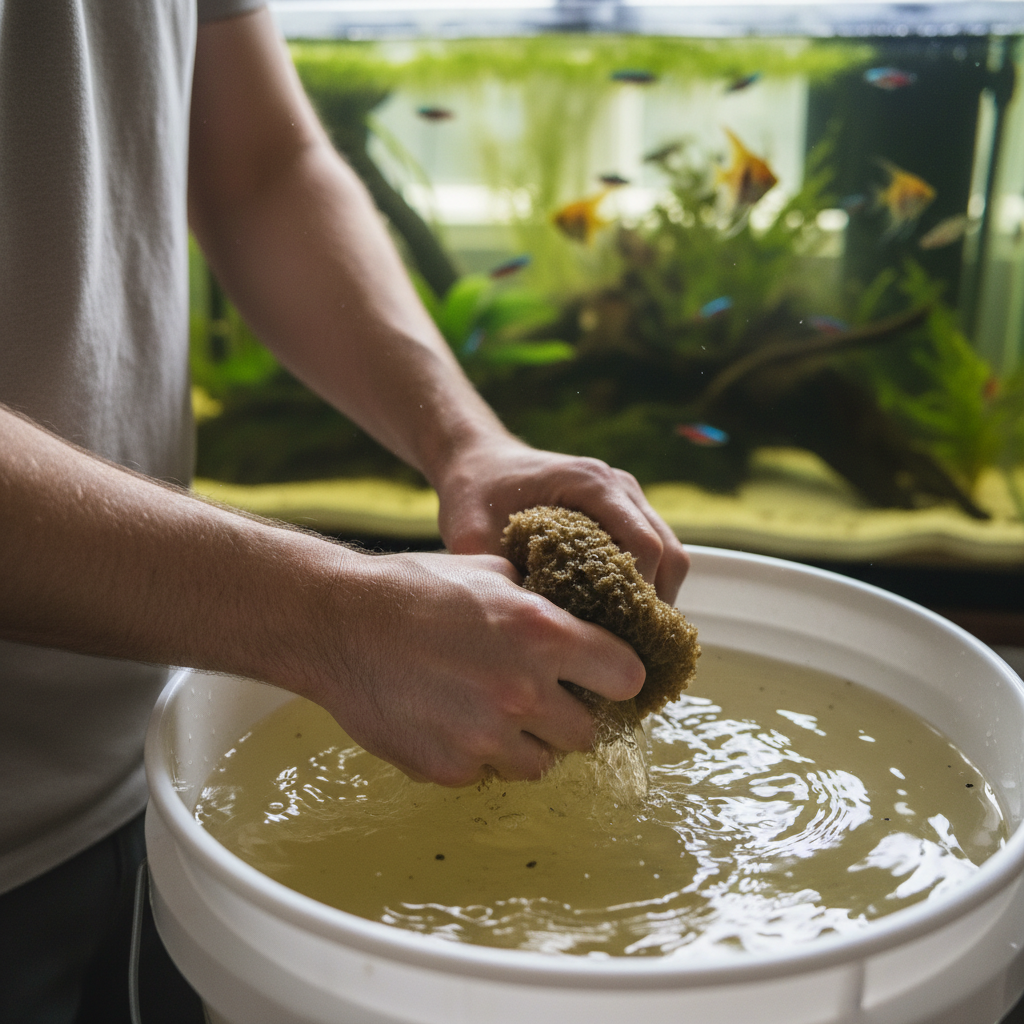
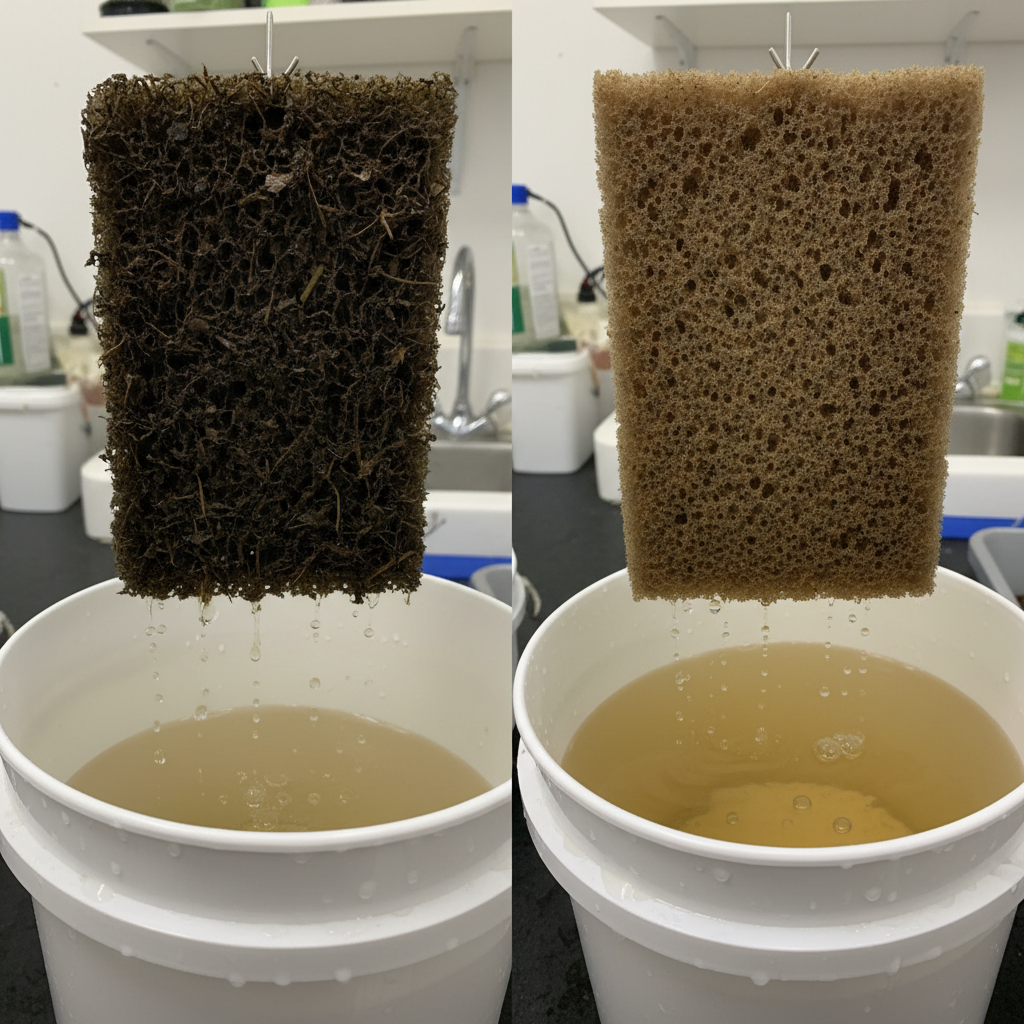
- Rinse Mechanical Media: Gently rinse sponges and filter floss in the bucket of old tank water. Squeeze them repeatedly until most of the trapped debris is gone. They don't need to be spotless; some discoloration is normal and indicates healthy bacterial growth.
- Clean Housing and Impeller: Use a soft brush to clean the inside of the filter housing and the impeller assembly. Remove any algae, slime, or debris that could impede water flow.
- Rinse Biological Media (if needed): Biological media rarely needs cleaning. If it's visibly clogged, a very gentle swish in tank water is sufficient. Avoid scrubbing.
- Reassemble: Put the filter media back into the filter in the correct order (usually mechanical, then biological, then chemical).
- Reinstall and Restart: Place the filter back in the tank or reattach it. Ensure all connections are secure. Plug the filter back in. You may need to prime some filters (e.g., canister filters) to get them started.
If you notice your fish showing signs of stress or illness after cleaning, AquaShelter's Fish Symptoms Checker can help you quickly identify potential issues related to water quality or other factors.
Cleaning Specific Aquarium Filter Types
Hang-on-Back (HOB) Filters
HOB filters are common and relatively easy to clean. Unplug the filter, remove the intake tube and media basket. Rinse sponges and floss in tank water. Use a small brush to clean the impeller and its housing, as these can get clogged with debris and algae, reducing flow. Replace chemical media like activated carbon as directed by the manufacturer, usually every 2-4 weeks.
Canister Filters
Canister filters offer multi-stage filtration but require a bit more effort to clean. Unplug the filter and disconnect the hoses. Carry the canister to your cleaning area. Open the canister and remove the media trays. Rinse mechanical media thoroughly in tank water. Gently swish biological media if needed. Clean the impeller and motor head. Reassemble carefully, ensuring all seals are properly seated to prevent leaks, then prime and restart.
Sponge Filters
Sponge filters are simple and effective. During a water change, remove the sponge from the tank. Gently squeeze and rinse the sponge in the bucket of old tank water until most of the gunk is gone. Reattach to the air stone or powerhead. This method preserves the beneficial bacteria within the sponge.
Internal Filters
Internal filters are submerged in the tank. Unplug the filter and remove it. Disassemble the filter housing and remove the sponges or cartridges. Rinse these in tank water. Clean the impeller and motor housing with a brush. Reassemble and place back in the tank.
When to Replace Filter Media vs. Cleaning
Not all filter media is meant to last forever. Mechanical media like filter floss or sponges can be rinsed many times, but eventually, they break down or become too clogged to clean effectively. Replace them when they start to disintegrate or if rinsing no longer restores adequate flow. Chemical media, such as activated carbon, has a limited lifespan and absorbs pollutants until it's saturated. It should be replaced regularly, typically every 2-4 weeks, as per manufacturer instructions. Biological media, like ceramic rings or bio-balls, should almost never be replaced unless completely deteriorated, as they are the primary home for beneficial bacteria. If you must replace biological media, do it in stages over several weeks to avoid crashing your nitrogen cycle.
Troubleshooting Common Filter Cleaning Issues
Sometimes, issues arise after cleaning. If your filter isn't restarting, check that it's properly plugged in and that the impeller is correctly seated and free of debris. If water flow is still weak, the impeller might be damaged, or there could be an airlock (especially with canister filters). Cloudy water after cleaning can indicate a bacterial bloom due to too much beneficial bacteria being removed. Monitor your water parameters closely using a water test kit and perform small, frequent water changes if ammonia or nitrite levels rise. If you suspect ammonia poisoning, act quickly.
Integrating Filter Cleaning with Your Aquarium Maintenance Routine
Filter cleaning is one piece of the larger aquarium maintenance puzzle. It's generally best to clean your filter on a different day than a major water change or gravel vacuuming. This prevents too much disruption to your tank's beneficial bacteria at once. For example, if you do a 25% water change and gravel vacuum on Saturday, clean your filter on Wednesday. This staggered approach helps maintain a stable environment. Regular maintenance, including filter cleaning, water changes, and monitoring water parameters, is the best way to prevent most fish health problems and ensure a thriving aquarium.
Why Your Filter Needs Regular Care for Fish Health
Think of your aquarium filter as the lungs and kidneys of your fish's home. It's not just about clear water; it's about a stable, healthy environment. When the filter gets clogged with waste, uneaten food, and other organic material, it can't do its job effectively. This means harmful substances like ammonia and nitrite can build up, stressing your fish and making them sick. Regular, gentle cleaning of your filter helps prevent these dangerous spikes, keeping the water parameters stable and your fish thriving. For example, if you notice your fish are lethargic or have clamped fins, poor water quality from a neglected filter could be a contributing factor.
Recognizing When to Clean Your Aquarium Filter
Your fish will often show you when their environment isn't quite right. Beyond visible debris or reduced water flow from the filter, pay attention to changes in their behavior or appearance. Are they gasping at the surface, or do their gills look irritated? These can be signs of ammonia or nitrite poisoning, often linked to an inefficient filter. Testing your water regularly is the best way to catch these issues before they become severe. If your test kit shows elevated ammonia or nitrite, a filter cleaning is likely overdue, alongside a partial water change.
When cleaning, remember to use old tank water to rinse filter media. This preserves the beneficial bacteria essential for the nitrogen cycle. Never use tap water directly on filter media, as chlorine can kill these vital microorganisms. If you're unsure about specific fish symptoms, a tool like the fish symptom checker can help you narrow down potential causes and next steps. For more general information on fish health, the Merck Veterinary Manual offers valuable insights into fish disorders and diseases.
Use AquaShelter before you guess
If you are not sure whether the symptoms are coming from disease or water quality, try the AquaShelter diagnosis check before choosing a treatment.
Open the diagnosis checkDisclaimer: AquaShelter helps with triage and safer decisions, but it does not replace a qualified aquatic veterinarian.
FAQ
How often should I clean my aquarium filter?
The frequency depends on your filter type, tank size, and fish bioload. Mechanical media typically needs rinsing every 2-4 weeks for HOB filters, or 1-3 months for canister filters. Observe reduced flow or cloudy water as signs it's time to clean.
Can I clean my aquarium filter with tap water?
No, never clean your aquarium filter with tap water. Tap water contains chlorine and chloramines that will kill the beneficial bacteria essential for your tank's nitrogen cycle. Always use old tank water siphoned from your aquarium during a water change.
Should I replace all filter media at once?
No, you should rarely replace biological filter media. Mechanical media can be replaced when it starts to disintegrate or can no longer be cleaned effectively. Chemical media has a limited lifespan and should be replaced as directed by the manufacturer, typically every 2-4 weeks. Replacing all media at once can crash your tank's nitrogen cycle.