
Editorial process: The AquaShelter editorial team prepares this guide with AI-assisted drafting and automated checks for sources, safety, structure, images, and duplication. It is educational content, not a veterinary diagnosis.
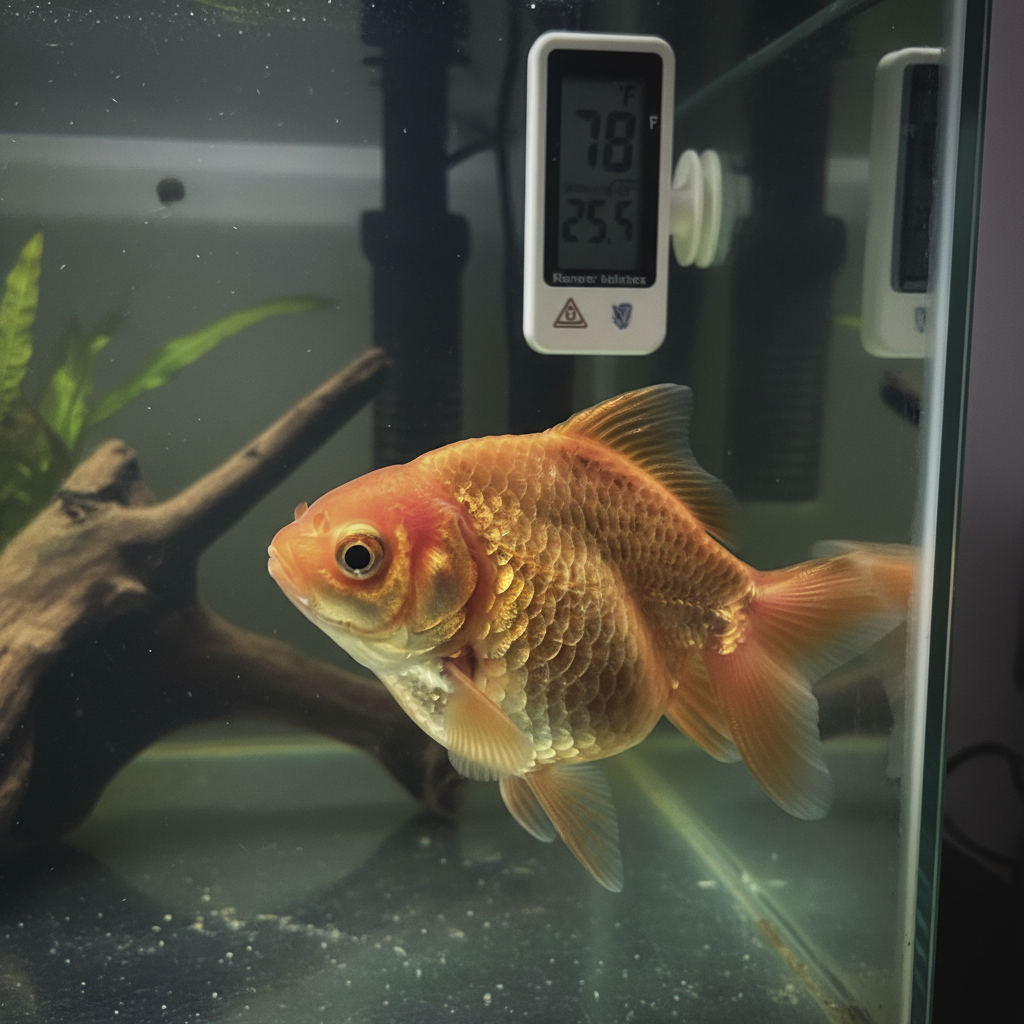
What is Dropsy in Fish? Understanding the 'Pinecone Effect'
Dropsy is not a disease on its own. Instead, it's a clear sign that your fish's body is struggling. It means there's too much fluid building up inside. This fluid accumulation is often called edema or ascites. It happens when your fish's internal organs, like kidneys or liver, aren't working right. These organs help control the balance of water and salts in your fish's body, a process called osmoregulation. For the related symptom path, use goldfish diseases with pictures alongside the checks above. If this pattern matches your tank, compare it with fish is dying before choosing the next step.
When this system fails, fluid collects. This pressure pushes the scales outwards. This creates the distinctive 'pinecone' appearance. This look is a strong indicator of advanced dropsy. It's a visual cue that something is seriously wrong internally.
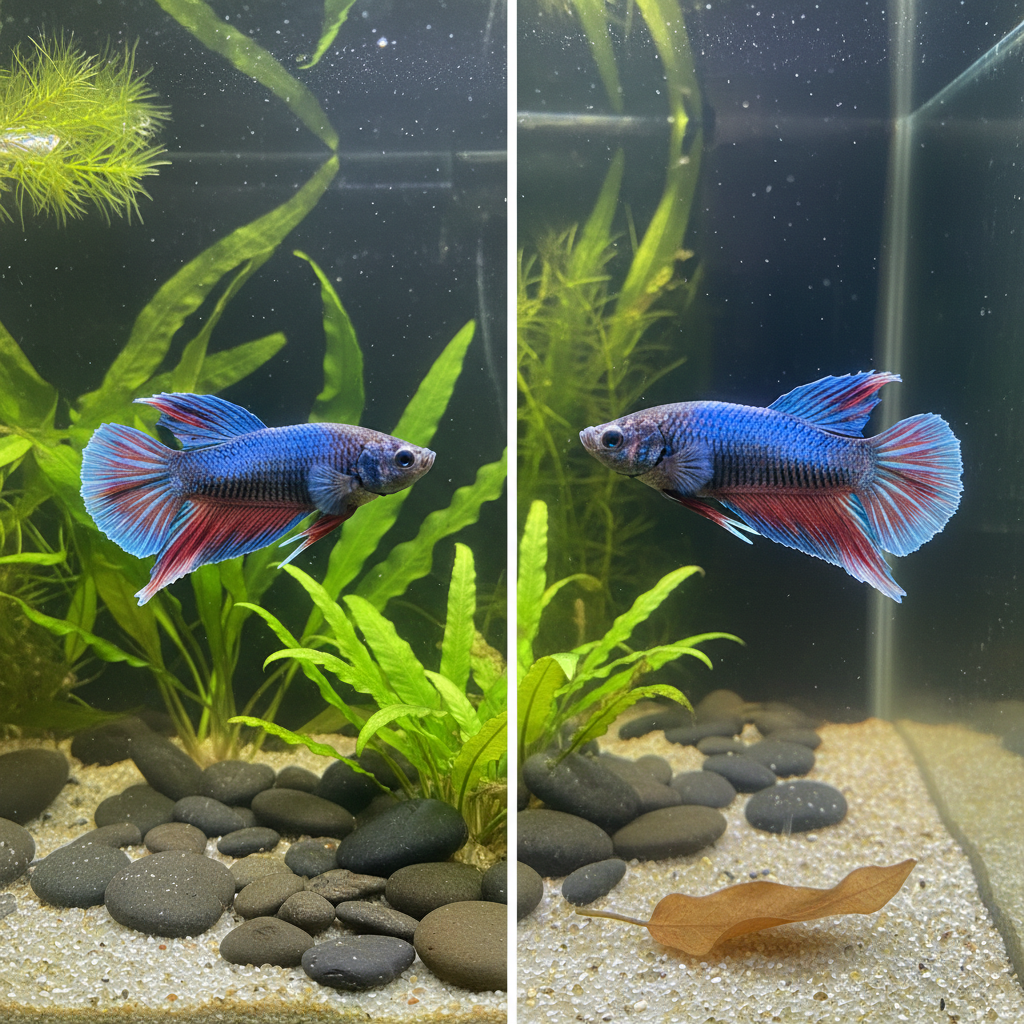
Key Symptoms: How to Spot Dropsy Early
Catching dropsy early can make a big difference. Look for these signs:
- Swollen Belly: Your fish's abdomen might look bloated. This is often the first sign.
- Pinecone Scales: Scales will stand out from the body. This is the most famous symptom.
- Bulging Eyes (Pop-Eye): One or both eyes might stick out. This is another sign of fluid pressure.
- Lethargy: Your fish might be less active. It may hide more or swim slowly.
- Loss of Appetite: Refusing food is a common symptom of illness.
- Clamped Fins: Fins held close to the body suggest discomfort. You can learn more about fish clamped fins here.
- Pale Gills: Gills might look lighter than usual.
- Curved Spine: In severe cases, the spine might bend.
Early detection is crucial. The sooner you notice these changes, the better the chance for intervention.
What Causes Dropsy? Uncovering the Root Problems
Dropsy doesn't just appear. It's a symptom of underlying issues that weaken your fish's immune system. Many factors can contribute to this:
Poor Water Quality
This is a very common culprit. High levels of ammonia, nitrite, or nitrate stress fish. These toxins damage gills and internal organs. Regular water testing is vital. Learn more about aquarium ammonia poisoning. An aquarium water test strip guide can help you monitor your tank.
Chronic Stress
Constant stress weakens a fish's defenses. Overcrowding, aggressive tank mates, or improper water temperatures cause stress. Sudden changes in the environment also contribute. Read about fish stress symptoms.
Bacterial Infections
Bacteria like Aeromonas are often involved. These bacteria are usually present in tanks. They become a problem when a fish's immune system is weak. They can cause internal damage leading to fluid retention. Dropsy itself is not contagious, but the underlying bacterial infection can spread in poor tank conditions.
Organ Damage
Kidney or liver failure directly impacts osmoregulation. This leads to fluid buildup. Poor diet or old age can contribute to organ damage.
Other Factors
Viral infections, parasitic infestations, and even tumors can also lead to dropsy. Sometimes, a combination of these factors is at play. The Merck Veterinary Manual notes that dropsy is a sign of underlying disease, emphasizing the need for careful diagnosis. Merck Veterinary Manual fish disease overview.
Immediate Steps: AquaShelter's Triage for Dropsy
When you suspect dropsy, quick action is important. Here's a triage plan:
- Isolate the Fish: Move the affected fish to a separate hospital tank. This prevents potential spread of underlying issues. It also allows for focused treatment.
- Test Water Parameters: Immediately test your main tank's water. Check ammonia, nitrite, and nitrate levels. Also check pH and temperature. Poor water quality is a major stressor.
- Perform a Partial Water Change: In both the main tank and the hospital tank, if parameters are off. Use dechlorinated water.
- Consider Aquarium Salt: Adding aquarium salt to the hospital tank can help. It aids in osmoregulation. This can reduce fluid retention. Follow product label instructions carefully.
- Observe for Other Symptoms: Look for other signs of illness. This helps narrow down the cause.
For a more detailed assessment, use the AquaShelter fish diagnosis checker. It can help you understand potential causes based on your observations.
Dropsy Treatment Options: What Works and What to Consider
Treating dropsy focuses on addressing the underlying cause and supporting the fish. Success depends heavily on early detection.
Broad-Spectrum Antibiotics
If a bacterial infection is suspected, antibiotics may be needed. These are often added to the water or food. Always follow the product label instructions. Consult an aquatic veterinarian for guidance on specific medications. Never use human medications on fish without expert advice.
Epsom Salt Baths
Epsom salt (magnesium sulfate) can help reduce swelling. It draws out excess fluid from the fish's body. Use it in the hospital tank. Follow specific instructions for dosage and duration. Do not confuse Epsom salt with aquarium salt.
Improving Diet
Feed high-quality, easily digestible food. Avoid overfeeding. A healthy diet supports the immune system. Sometimes, medicated food is available.
Pristine Hospital Tank Conditions
Maintain excellent water quality in the hospital tank. Keep it clean and stable. Use a gentle filter and an air stone for oxygenation. Monitor water parameters daily.
Prognosis and When to Consider Euthanasia
The prognosis for a fish with dropsy is often poor. This is especially true if the 'pinecone effect' is advanced. Once scales are protruding, internal organ damage is usually severe. It's important to set realistic expectations.
Signs of a low chance of recovery include:
- Severe pineconing across the entire body.
- Complete loss of appetite for several days.
- Extreme lethargy or inability to swim upright.
- Rapid worsening of symptoms despite treatment.
Deciding on euthanasia is a difficult but sometimes necessary choice. It prevents prolonged suffering. Discuss this decision with an aquatic veterinarian. They can provide compassionate guidance.
Preventing Dropsy: A Healthy Tank is Your Best Defense
Prevention is always better than cure. A healthy environment is key to avoiding dropsy.
- Consistent Water Quality: Perform regular water changes. Test your water parameters weekly. Keep ammonia, nitrite, and nitrate levels in check.
- Proper Nutrition: Feed a varied, high-quality diet. Avoid overfeeding.
- Avoid Overcrowding: Give your fish enough space. Overcrowding leads to stress and poor water quality.
- Quarantine New Fish: Always quarantine new fish for several weeks. This prevents introducing diseases to your main tank.
- Minimize Stress: Maintain stable water temperatures. Provide hiding spots. Ensure compatible tank mates.
AquaShelter's tools can help you track your tank's history and water quality. This proactive approach can prevent many common fish ailments. Before starting any treatment, use the aquarium treatment safety checker to ensure it's safe for your specific tank setup.
What to Do When You See Dropsy Symptoms
Discovering your fish has dropsy can be alarming, but understanding the next steps is key. Dropsy isn't a disease itself, but a symptom of an underlying health issue, often related to organ failure or infection. The 'pinecone effect' – where scales protrude from the body – is a clear indicator that your fish is struggling with fluid retention. This means its internal systems, like kidneys or liver, aren't managing water balance effectively. Your immediate goal is to identify and address the root cause, as early intervention can sometimes make a difference.
First Steps: Isolate and Observe
When you first notice signs like a swollen belly, protruding scales, or lethargy, the first crucial step is to isolate the affected fish. Move it to a separate quarantine tank if possible. This prevents potential spread of any infectious agents to other tank inhabitants and allows you to observe the fish more closely without competition for food or stress from tank mates. While in isolation, pay close attention to its behavior, appetite, and any changes in its physical appearance. This detailed observation will be vital for determining the next course of action. For a comprehensive guide on identifying various fish ailments, you can use our fish symptoms checker.
Next, perform a thorough check of your main tank's water parameters. Poor water quality is a frequent trigger for stress and illness in fish. Test for ammonia, nitrites, and nitrates, and ensure pH and temperature are within the ideal range for your specific fish species. Even if the water appears clear, hidden imbalances can severely impact your fish's immune system. Addressing any water quality issues in the main tank is essential to prevent further stress or illness in your other fish. Remember, dropsy is a sign of internal distress, and a clean, stable environment is the first line of defense. For more detailed information on the underlying causes and diagnosis of dropsy, the Merck Veterinary Manual provides a comprehensive overview.
Use AquaShelter before you guess
If you are not sure whether the symptoms are coming from disease or water quality, try the AquaShelter diagnosis check before choosing a treatment.
Open the diagnosis checkDisclaimer: AquaShelter helps with triage and safer decisions, but it does not replace a qualified aquatic veterinarian.
FAQ
Is dropsy in fish contagious?
Dropsy itself is a symptom, not a contagious disease. However, the underlying causes, like bacterial infections, can spread in poor tank conditions. It's best to isolate a fish with dropsy to prevent potential spread of the root cause.
Can a fish recover from dropsy?
Recovery from dropsy is possible, especially if caught early. The prognosis is often poor once the 'pinecone effect' is severe. Early intervention and addressing the underlying cause are key to any chance of recovery.
What kind of salt is used for dropsy treatment?
Epsom salt (magnesium sulfate) is often used to help reduce swelling in fish with dropsy. It helps draw out excess fluid. Aquarium salt (sodium chloride) can also aid in osmoregulation. Always follow product instructions carefully and do not confuse the two.