
Editorial process: The AquaShelter editorial team prepares this guide with AI-assisted drafting and automated checks for sources, safety, structure, images, and duplication. It is educational content, not a veterinary diagnosis.
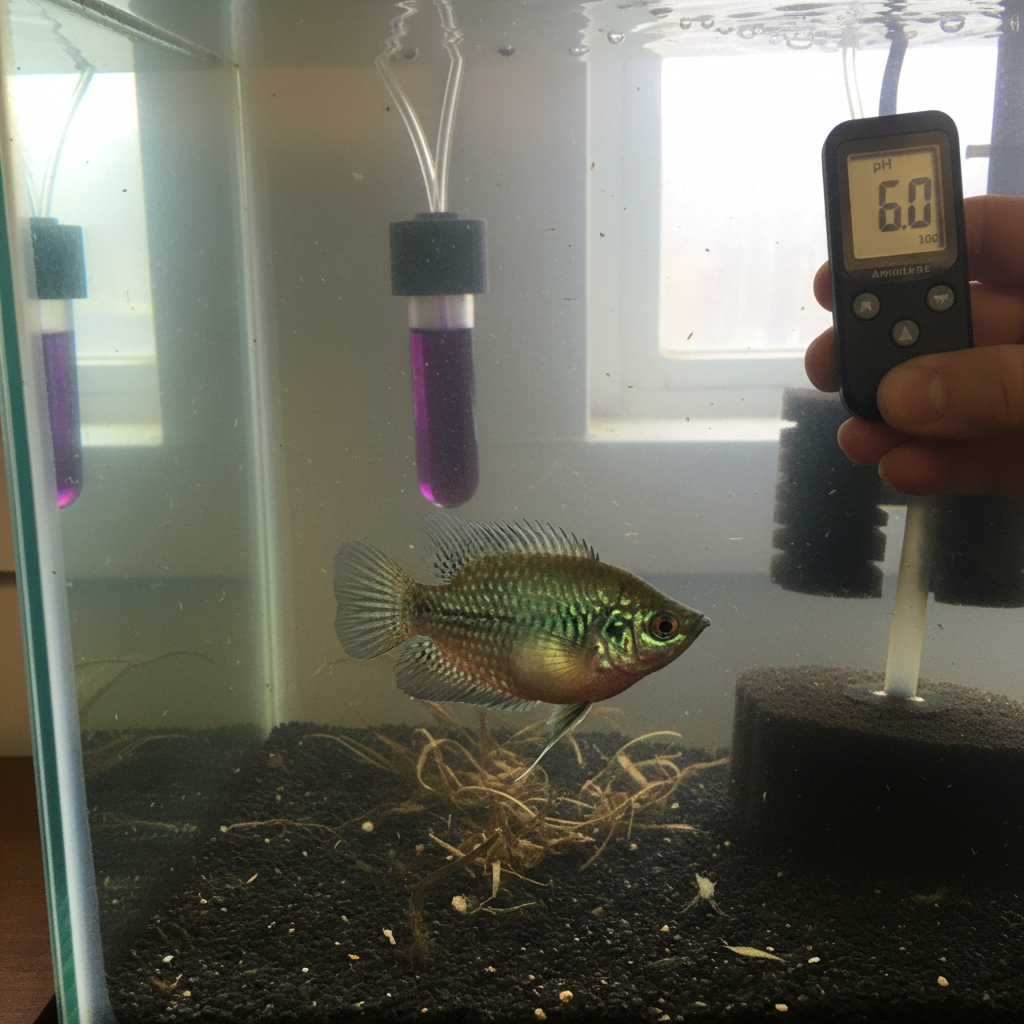
What Does Fish Bloating Look Like?
Bloating in fish can appear as a general swelling of the abdomen, making the fish look unusually round. In more severe cases, the scales may begin to protrude from the body, creating a 'pinecone' appearance. This 'pinecone' effect is the classic sign of dropsy, indicating significant internal fluid buildup, often due to kidney failure or severe infection. Beyond physical swelling, you might notice your fish becoming lethargic, losing appetite, or struggling to swim. Observing these accompanying symptoms can help you understand what's happening. If this pattern matches your tank, compare it with fish losing scales before choosing the next step. A useful follow-up guide is high nitrate in aquarium if the tank history points that way.
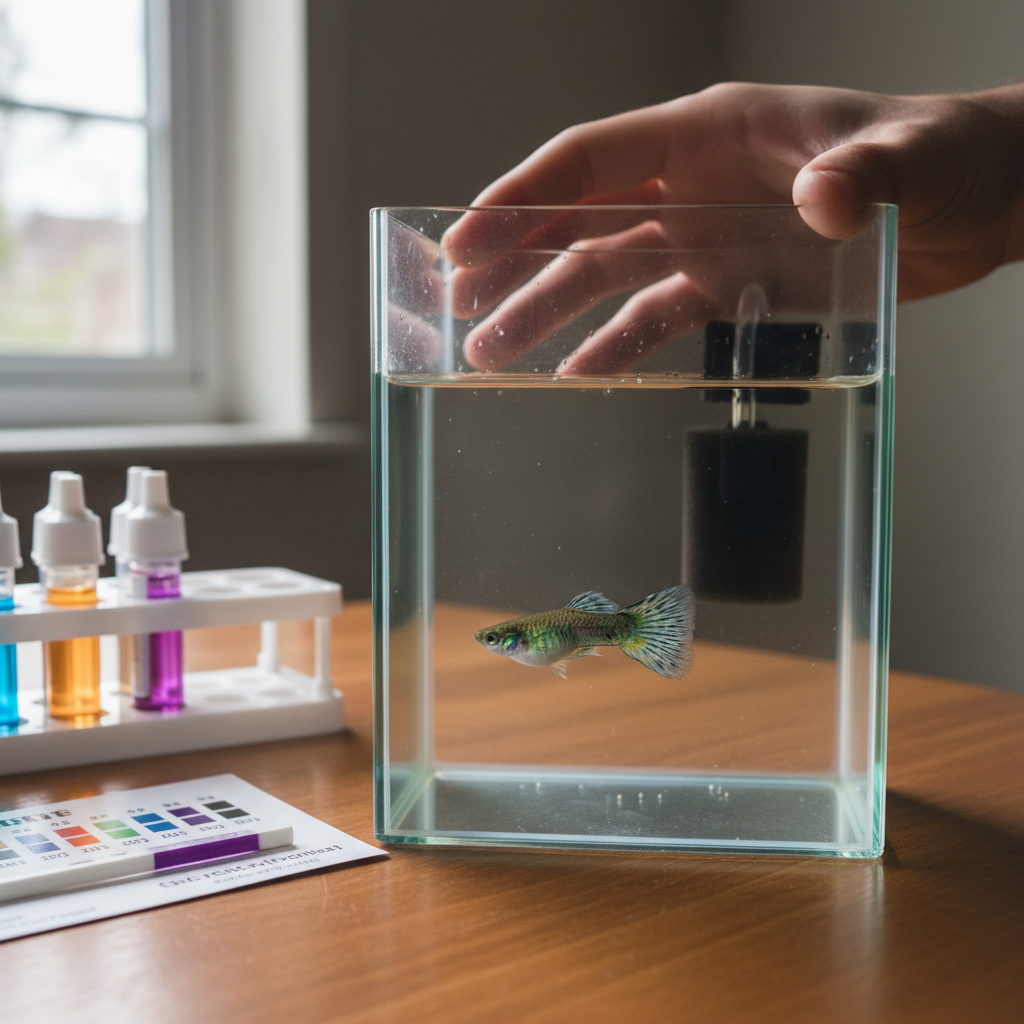
Common Causes of Fish Bloating
Bloating isn't always dropsy, and understanding the potential causes is the first step in addressing the problem. Here are some common reasons:
- Overfeeding or Poor Diet: Eating too much or the wrong type of food can lead to constipation or digestive issues. Dry foods that expand significantly can also cause temporary bloating.
- Internal Bacterial Infections: These are often the underlying cause of dropsy. Bacteria can attack internal organs, leading to fluid retention and organ failure.
- Parasites: Some internal parasites can cause swelling or blockages in the digestive tract.
- Organ Failure: Kidney or liver issues can lead to fluid buildup, especially in older fish or those stressed by poor water conditions.
- Tumors or Cysts: Less common, but growths can sometimes cause localized swelling.
Consider your tank's history and recent changes when trying to pinpoint the cause. Have you introduced new fish? Changed their diet? Neglected water changes? For a more guided approach, you can use our Fish Symptoms Checker to help identify potential issues based on all observed signs.
When Bloating Becomes Dropsy: The Pinecone Effect
Dropsy is not a disease itself, but a symptom of a severe underlying condition, usually an internal bacterial infection or organ failure. The 'pinecone' appearance, where scales stand out from the body, is due to fluid accumulating under the scales, pushing them outwards. This indicates that the fish's osmoregulation (its ability to balance internal fluids) has failed. By the time dropsy is evident, the condition is often advanced and difficult to treat. If you see your fish with scales protruding, it's a critical situation. While treatment can be attempted, the prognosis is often poor. The focus should shift to identifying and addressing the root cause to protect other tank inhabitants. For more information on dropsy, you can refer to the MSD Veterinary Manual on Dropsy in Finfish.
Immediate Actions for a Bloated Fish
If you suspect more than just a full stomach, don't wait. Start by isolating the affected fish in a hospital tank if possible. This prevents potential spread to other tank mates and allows for closer observation and targeted treatment. Next, perform a significant water change in the main tank – at least 50% – and test your water parameters thoroughly. Poor water quality is a common stressor that can weaken a fish's immune system, making them susceptible to internal issues. Look for elevated ammonia, nitrite, or nitrate levels, and correct them immediately. You can use our Aquarium Water Test Strip Guide for help with this.
Observe your fish closely for other symptoms: lethargy, clamped fins, labored breathing, or a loss of appetite. These accompanying signs can help you narrow down the potential causes. If you're seeing the 'pinecone' effect, it's often a sign of advanced internal infection or organ failure. Consider starting a broad-spectrum antibiotic treatment in the hospital tank, especially if you suspect a bacterial infection. Always follow product label instructions carefully. For example, if you notice your usually active guppy is now lethargic, has a swollen belly, and is struggling to swim, immediately test your water. If ammonia is high, perform a water change. Then, move the guppy to a small quarantine tank with clean, conditioned water and add a broad-spectrum antibiotic like Furan-2, following the package instructions. This proactive approach can make a significant difference in recovery. For more specific guidance on treatments, you can use our Aquarium Treatment Safety Checker.
Preventing Bloating and Dropsy
Prevention is always better than cure in the aquarium hobby. Maintaining excellent water quality is paramount. Regular water changes, proper filtration, and avoiding overfeeding are your best defenses. A varied, high-quality diet also plays a significant role in keeping your fish healthy and their digestive systems functioning well. Quarantining new fish before introducing them to your main tank can also prevent the spread of diseases that might lead to internal infections. Keep an eye on your fish's behavior daily; early detection of subtle changes can make a big difference in outcome. For more on general fish health, consult the MSD Veterinary Manual on Diseases of Aquarium Fish.
Understanding What's Happening When Your Fish is Bloated
When you notice your fish looking bloated, it's natural to feel concerned. This change in appearance, where your fish's body seems unusually swollen, is a clear signal that something isn't right. It's your fish's way of telling you it needs attention. The key is to observe closely and act thoughtfully, focusing on what your fish is experiencing.
Immediate Actions for a Bloated Fish
The first step is to isolate the affected fish if possible. Moving it to a quarantine tank allows for closer observation without stressing other tank inhabitants. During this time, carefully check your water parameters. Poor water quality, especially high nitrates, can be a significant stressor and contribute to health issues. Consider if there have been any recent changes to their diet or tank environment. For instance, if you've recently switched foods or overfed, digestive upset could be the cause. If you're unsure about the specific cause, our Fish Symptoms Checker can help you narrow down possibilities based on all observed signs.
While observing, avoid immediate medication unless you have a clear diagnosis. Many issues that cause a fish to be bloated can resolve with improved water quality and a temporary fast. If the bloating persists or worsens, especially if scales begin to protrude like a pinecone, it indicates a more severe internal problem. For a broader understanding of fish health issues, the Merck Veterinary Manual offers insights into general fish disease signs and diagnostic limitations.
Use AquaShelter before you guess
If you are not sure whether the symptoms are coming from disease or water quality, try the AquaShelter diagnosis check before choosing a treatment.
Open the diagnosis checkDisclaimer: AquaShelter helps with triage and safer decisions, but it does not replace a qualified aquatic veterinarian.
FAQ
What is the difference between bloating and dropsy?
Bloating is a general term for swelling in a fish's abdomen, which can have various causes. Dropsy is a specific, severe form of bloating where the fish's scales protrude like a pinecone, indicating advanced internal fluid retention and often organ failure.
Can overfeeding cause fish to bloat?
Yes, overfeeding can definitely cause fish to bloat, especially if they are fed dry foods that expand in their stomach or if their diet lacks sufficient fiber. This type of bloating is usually temporary and resolves with a fasting period.
Is dropsy contagious to other fish?
Dropsy itself is not contagious, as it's a symptom, not a disease. However, the underlying bacterial infection or poor water conditions that led to dropsy can certainly affect other fish in the tank. It's important to address the root cause to protect your other tank inhabitants.
Can a fish recover from dropsy, or is it always a death sentence?
While dropsy is a severe symptom, recovery is possible, especially if caught very early and the underlying cause can be identified and treated. It's not always a death sentence, but it does indicate a significant health crisis. Success often depends on the fish's overall health, the specific cause, and how quickly you intervene with appropriate treatment, which might include antibiotics for bacterial infections or addressing organ failure supportively.