
Editorial process: The AquaShelter editorial team prepares this guide with AI-assisted drafting and automated checks for sources, safety, structure, images, and duplication. It is educational content, not a veterinary diagnosis.
What is Fish Pop-Eye?
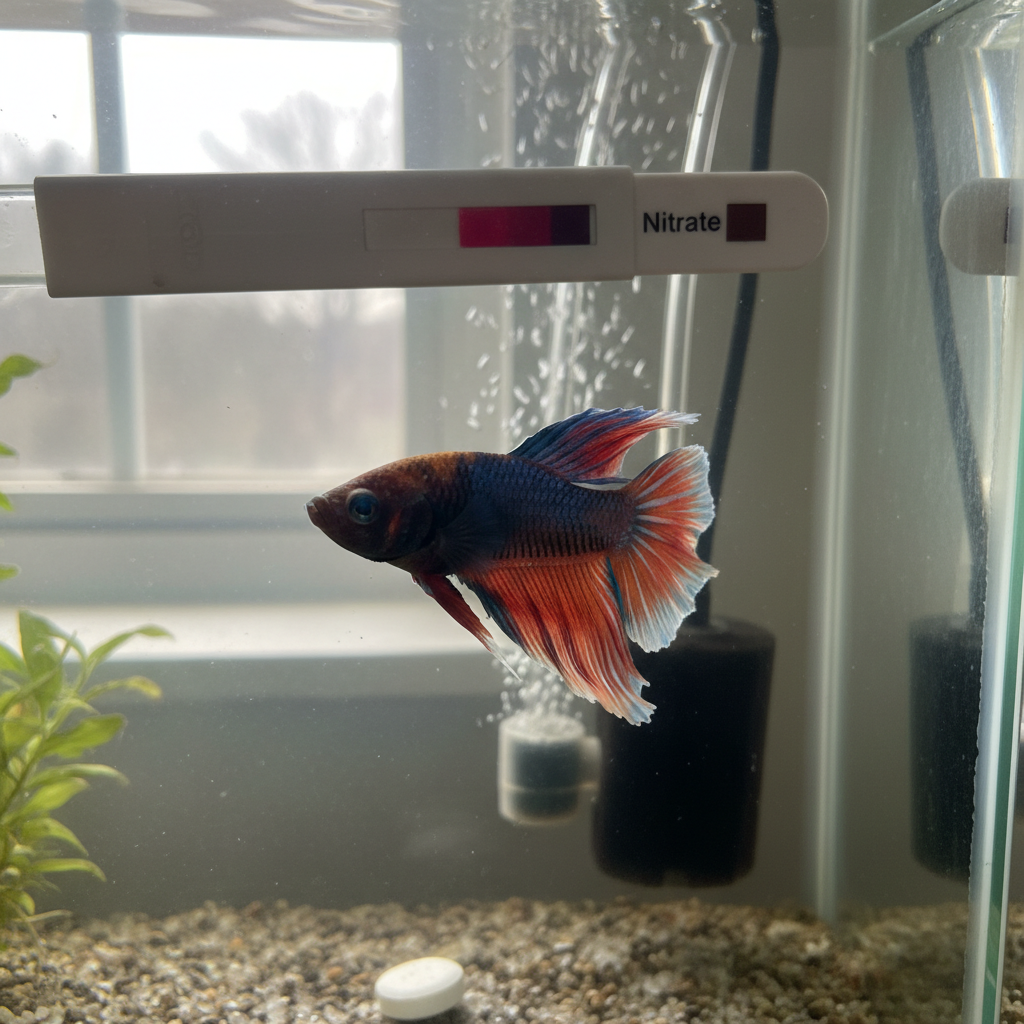
When you see your fish with a bulging eye, it's natural to worry. This condition, commonly called pop-eye (or exophthalmia), means one or both of your fish's eyes are swollen and pushing out from their head. This isn't a disease itself, but a symptom, usually caused by fluid buildup behind the eye. It can range from a slight bulge to a very pronounced protrusion. While it looks dramatic, the key is to remember it's a sign of an underlying problem, not the problem itself. Ignoring it can lead to permanent eye damage, blindness, or worse if the root cause isn't addressed. A useful follow-up guide is fish stress if the tank history points that way. When the signs overlap, high nitrate in aquarium gives a more focused next step.
Why Do Fish Get Pop-Eye?
There are several reasons why a fish might develop pop-eye. Knowing these can help you narrow down what's going on in your tank:
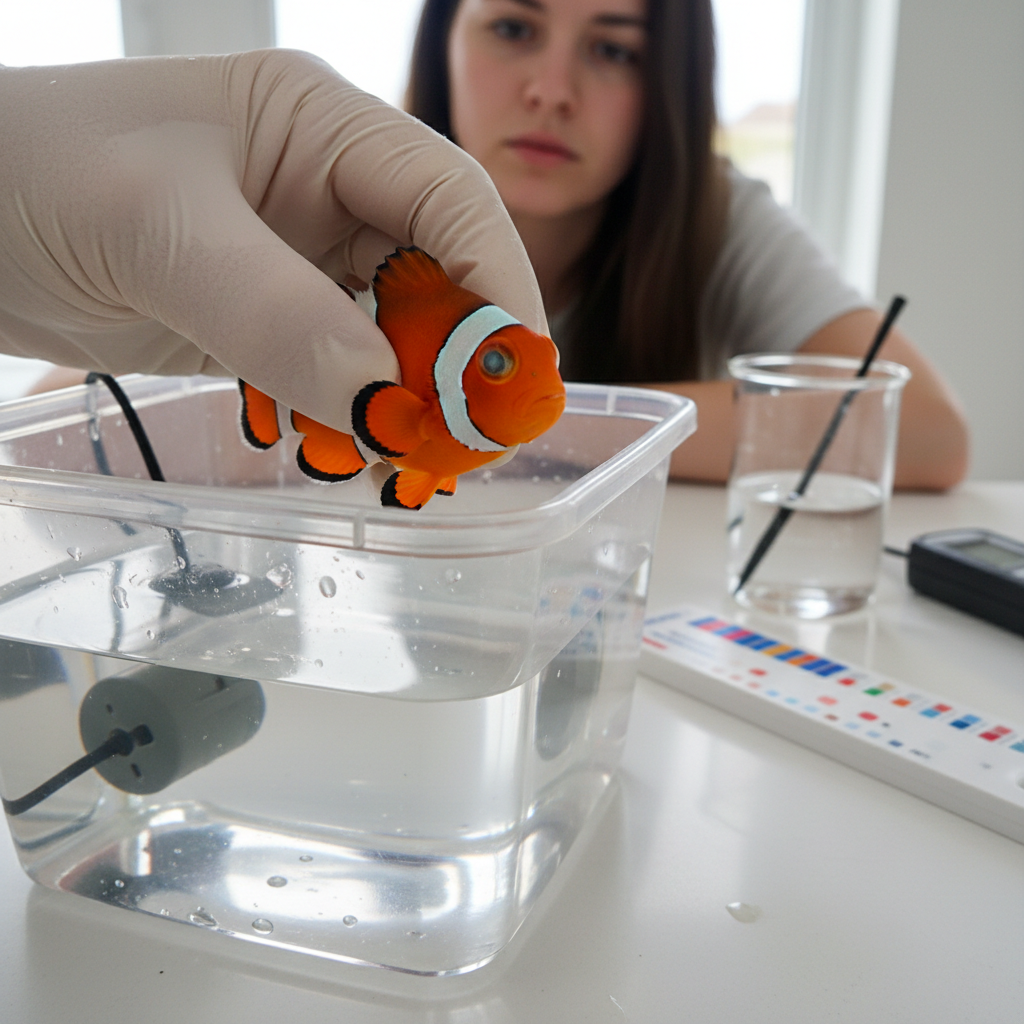
- Poor Water Quality: This is often the first thing to check. High levels of ammonia, nitrites, or nitrates, or consistently low pH, can stress a fish's immune system. This stress can then lead to bacterial infections, including those that cause pop-eye. Always test your water parameters first. Our Aquarium Water Test Strip Guide can help you understand what your readings mean.
- Bacterial Infections: Sometimes, a fish gets a full-body bacterial infection, often because of bad water conditions or stress. These infections can cause fluid to build up behind the eyes. This is a serious problem and usually needs antibiotic treatment.
- Physical Injury: A fish pop-eye case with one affected eye often starts with a bump, fight, or netting injury. Your fish might have bumped into a decoration, gotten into a fight with a tank mate, or even hurt its eye during netting. If only one eye is affected, an injury is a very strong possibility.
- Internal Parasites: This is less common, but some internal parasites can cause swelling behind the eye.
- Tuberculosis (Mycobacterium): This is a more serious and often long-term bacterial infection that can show up as pop-eye, among other symptoms. It's usually hard to treat and can spread to other fish.
- Gas Bubble Disease: If there's too much dissolved gas in the water, gas bubbles can form behind the eye, making it protrude. This is pretty rare in tanks that are well-maintained.
Paying attention to whether one or both eyes are affected, and if your fish has other symptoms like acting sluggish or refusing food, can give you important clues. For more detailed information on the causes and treatments of exophthalmia, you can consult resources like the MSD Veterinary Manual on Exophthalmia in Finfish.
What to Do When You See Pop-Eye
When you notice pop-eye, it's important to act quickly. Here’s a step-by-step plan:
- Test Your Water: This is always the first and most important step. Do a full test for ammonia, nitrite, nitrate, and pH. If any of these readings are off, do a partial water change right away. For example, if your ammonia is above 0 ppm, a 25-50% water change is an immediate priority.
- Isolate the Fish: If you can, move the affected fish to a separate quarantine tank. This helps prevent any potential spread of infection and lets you treat the fish without affecting your main tank's inhabitants or beneficial bacteria.
- Keep Conditions Pristine: In the quarantine tank, make sure to do small daily water changes and keep the temperature consistent. Remember, if the pop-eye is from an injury, clean stable water and low stress may be enough for improvement.
- Consider Medication Carefully: If water quality is stable and the swelling worsens, or if you suspect a bacterial infection, consider medication only according to the current product label or guidance from a qualified aquatic veterinarian. Match the treatment to the species and tank inhabitants. Always use our Aquarium Treatment Safety Checker before adding any medication to your tank.
Preventing Pop-Eye
How well a fish recovers from pop-eye really depends on what caused it and how quickly you address the problem. Pop-eye from an injury or minor water quality issues often clears up with good care. However, if it's from a serious internal bacterial infection, the outcome might not be as good.
Preventing pop-eye is always the best approach. Keep your water quality excellent with regular water changes and good filtration. Don't overcrowd your tank and make sure your fish get a balanced, nutritious diet. Always quarantine new fish to avoid bringing diseases into your main tank. If you're still unsure about the cause or treatment, our Fish Symptoms Checker can offer further guidance based on your fish's specific symptoms.
Betta Fish Pop-Eye: What to Look For
When you notice a betta fish with a bulging eye, it's a clear signal that something is amiss. While the underlying causes of pop-eye (exophthalmia) are similar across many fish species, bettas, with their often solitary nature and specific tank requirements, can present unique challenges. A single bulging eye in a betta might point to a physical injury, perhaps from bumping into tank decor or a sharp plant. If both eyes are affected, it's more likely an internal issue, often related to water quality or a systemic infection. Observing your betta's behavior—is it lethargic, refusing food, or hiding more than usual?—can provide additional clues. Early detection is key to a successful outcome, so regular, gentle checks of your betta are important.
Common Causes and First Steps for Betta Pop-Eye
The most frequent culprit behind betta fish pop-eye is poor water quality. Bettas thrive in clean, stable water, and even slight fluctuations in ammonia, nitrite, or nitrate levels can stress their immune system, making them susceptible to bacterial infections that cause eye swelling. Always start by testing your tank water parameters. If levels are off, a partial water change is the immediate first step. Another common cause is injury; bettas can be clumsy or aggressive, leading to eye trauma. If you suspect an injury, ensure there are no sharp objects in the tank and consider adding Indian almond leaves, which release tannins that can aid healing. Less commonly, internal parasites or more serious bacterial infections can be at play. For a broader understanding of fish health issues, the Merck Veterinary Manual offers insights into general fish disorders.
If water quality is good and no obvious injury is present, or if the condition worsens, it's time to consider other possibilities. Sometimes, a bacterial infection can take hold, especially if the fish is already stressed. In these cases, a vet might prescribe antibiotics. However, before resorting to medication, ensure all environmental factors are optimized. Remember, pop-eye is a symptom, not a disease itself, so finding and addressing the root cause is crucial for your betta's recovery. For a more guided approach to identifying potential issues, consider using our Fish Symptoms Checker.
Use AquaShelter before you guess
If you are not sure whether the symptoms are coming from disease or water quality, try the AquaShelter diagnosis check before choosing a treatment.
Open the diagnosis checkDisclaimer: AquaShelter helps with triage and safer decisions, but it does not replace a qualified aquatic veterinarian.
FAQ
Can fish pop-eye spread to my other fish?
Pop-eye itself isn't contagious, as it's a symptom. However, if the underlying cause is a bacterial infection or poor water quality, those conditions can definitely affect other fish in the tank. It's a good idea to isolate the affected fish and fix any issues with your tank's conditions.
Can pop-eye be cured?
Yes, pop-eye can often be cured, especially if you catch it early and address the root cause (like bad water quality or a minor injury) quickly. Treatment for bacterial infections can also be successful, though severe cases might lead to permanent eye damage or blindness.
What's the first thing I should do if my fish has pop-eye?
The very first step is to test your aquarium water parameters (ammonia, nitrite, nitrate, pH). Poor water quality is a very common reason for pop-eye, and fixing it with a water change can often be the most effective initial treatment.
Can fish pop-eye heal on its own without treatment?
While mild cases of pop-eye caused by minor stress or temporary water issues might resolve with improved tank conditions, it's rare for a significant bulge to disappear without addressing the root cause. Often, it indicates a more serious underlying problem that requires intervention, whether it's a water change, specific medication, or even isolating the fish to prevent further injury.