
Editorial process: The AquaShelter editorial team prepares this guide with AI-assisted drafting and automated checks for sources, safety, structure, images, and duplication. It is educational content, not a veterinary diagnosis.
What is a Fungal Infection in Betta Fish?
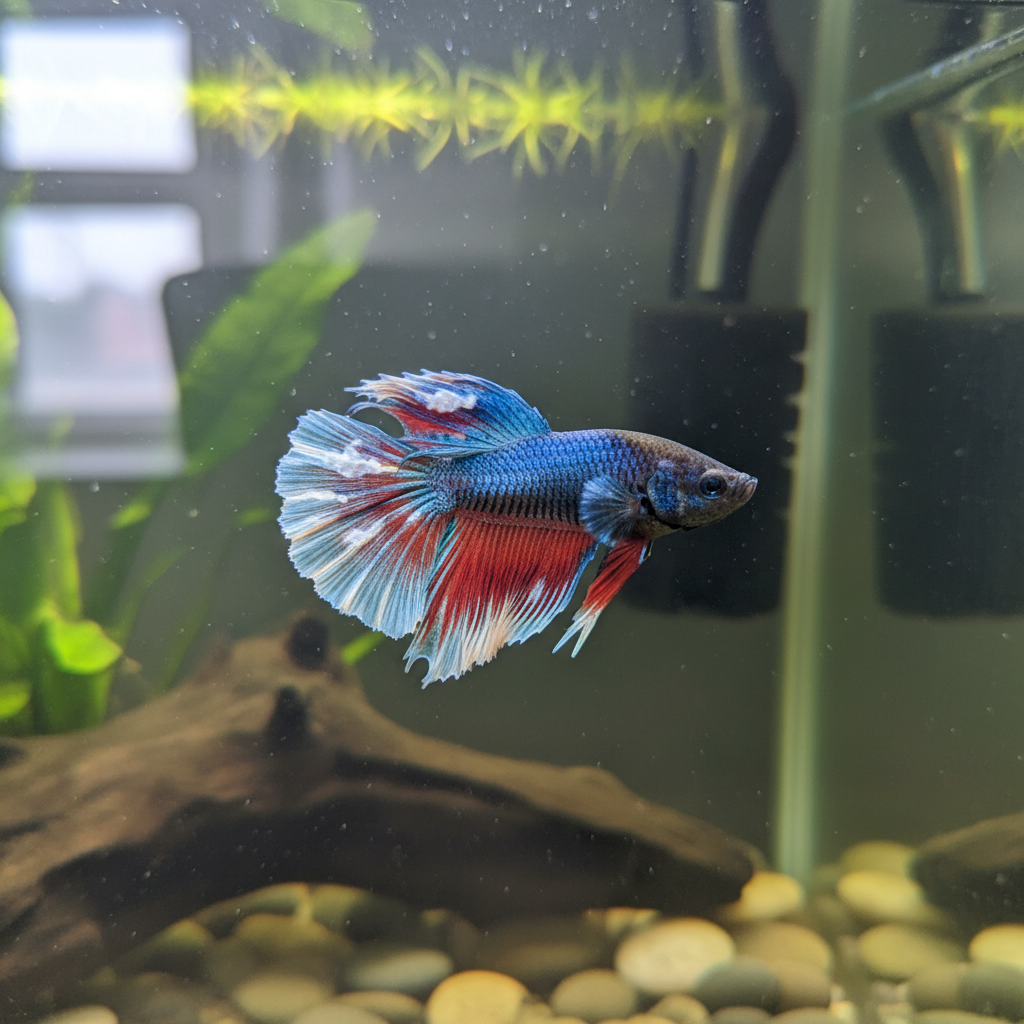
A fungal infection in betta fish is typically caused by water molds, which are naturally present in most aquariums. These organisms, such as Saprolegnia and Achlya, usually don't harm healthy fish. However, if your betta is stressed, injured, or living in poor water conditions, these molds can take hold. Think of it as an opportunistic infection: it strikes when your fish's defenses are down. Fungal infections are often secondary, meaning another problem, like a bacterial infection or a physical wound, created an entry point for the fungus. A useful follow-up guide is fish bacterial infection if the tank history points that way. For the related symptom path, use betta fish bacterial infection alongside the checks above.
Identifying Fungal Infection: Symptoms to Look For
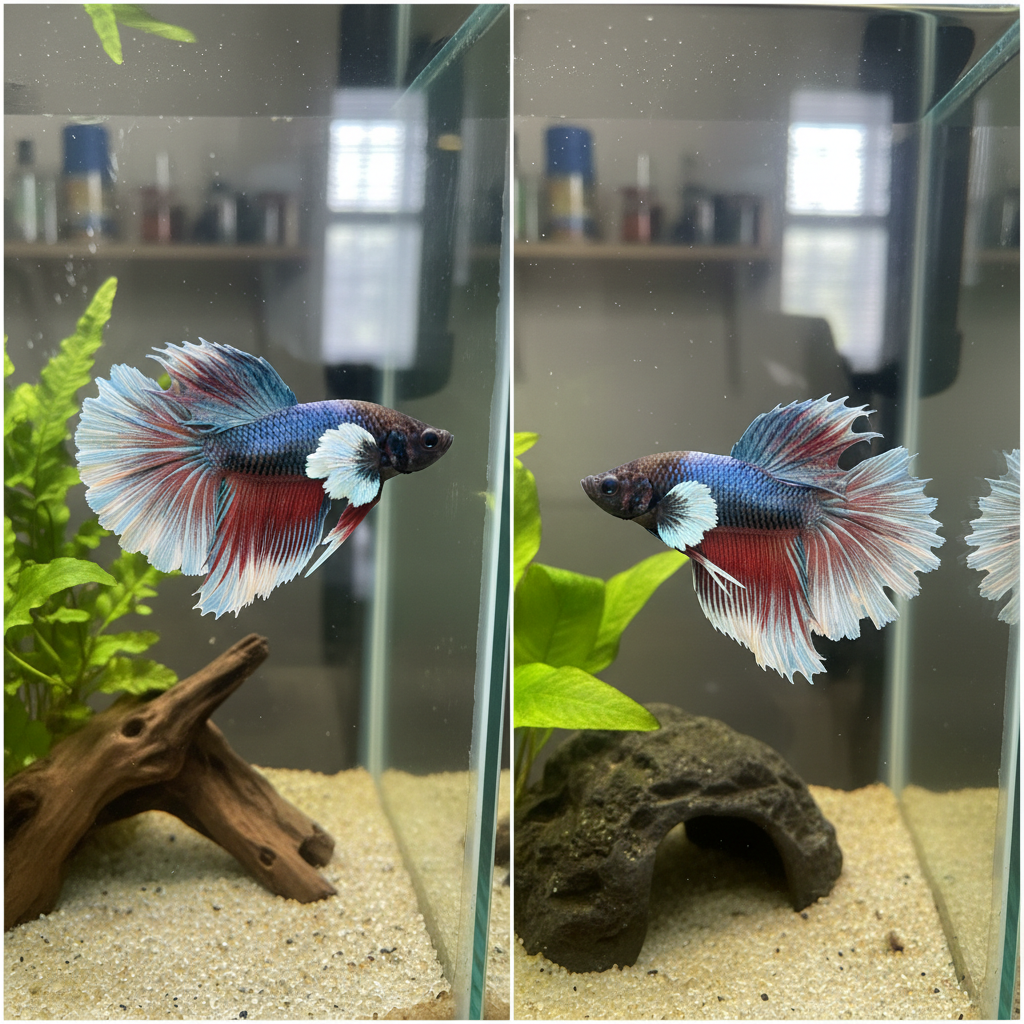
The most recognizable sign of a fungal infection in betta fish is the appearance of white, cotton-like growths. These fuzzy patches can appear on your fish's body, fins, eyes, or gills. Unlike some bacterial issues, these growths often look like tufts of cotton with distinct, straight ends. Beyond these visual cues, your betta might show general signs of illness, including:
- Lethargy or reduced activity
- Clamped fins, held close to the body
- Decreased appetite or refusal to eat
- Rubbing or 'flashing' against tank decorations
- Rapid breathing or gasping at the surface
These general signs of a sick betta fish often accompany the more specific fungal growths.
Fungal vs. Bacterial Infections: How to Tell the Difference
Distinguishing between a fungal infection and a bacterial infection, especially Columnaris (often called 'mouth rot' or 'cottonmouth'), is critical because treatments differ. Misdiagnosis can lead to ineffective or even harmful interventions. Here's how to tell them apart:
- Fungal Infections: Appear as distinct, fluffy, white, or grayish cotton-like growths. The fuzz often looks like individual strands. They tend to grow on damaged tissue or open wounds.
- Bacterial Infections (e.g., Columnaris): Can also look fuzzy, but the growth is often more matted, slimy, or yellowish-white. It might resemble a saddle patch on the back or appear around the mouth, giving it a 'cottonmouth' appearance. Bacterial infections can also cause fin rot, where fins appear frayed or melted, sometimes with red streaks.
If you're unsure, observing the texture and location of the growth carefully can help. For a more precise diagnosis, AquaShelter's fish diagnosis checker can help you compare symptoms and narrow down possibilities, guiding you toward the right treatment path.
Common Causes of Fungal Infections in Betta Fish
Fungal infections rarely occur in a perfectly healthy betta in a pristine environment. They are almost always a symptom of an underlying problem. Common causes include:
- Poor Water Quality: High levels of ammonia, nitrite, or nitrate, or unstable pH, weaken a fish's immune system. Regular water changes and testing are essential.
- Stress: Stressed betta fish symptoms include hiding, loss of color, clamped fins, and reduced activity. Stress can be caused by overcrowding, aggressive tank mates, sudden temperature changes, or improper tank setup.
- Injury: Scrapes, fin tears, or wounds from fighting or rough decor provide an open door for fungal spores to attach and grow.
- Existing Bacterial Infections: A primary bacterial infection can weaken the fish, making it susceptible to a secondary fungal infection.
Maintaining stable and clean water parameters is your first line of defense against these opportunistic infections. You can learn more about maintaining water quality in our guide on Aquarium Water Test Strip Guide.
Treating Fungal Infections in Betta Fish
Once you've identified a fungal infection, prompt action is important. Here's a general approach:
- Quarantine: Move the infected betta to a separate hospital tank. This prevents the spread of infection and allows for targeted treatment without affecting other tank inhabitants or beneficial bacteria in your main filter.
- Water Changes: Perform a significant water change (50-75%) in both the main tank and the hospital tank. Ensure the water parameters are optimal.
- Aquarium Salt: Non-iodized aquarium salt can be effective for mild fungal infections. It helps reduce stress and can inhibit fungal growth. Follow product instructions carefully for dosage, as too much salt can be harmful.
- Antifungal Medications: For more severe cases, over-the-counter antifungal medications are available. Common active ingredients include malachite green, methylene blue, or phenoxyethanol. Always read and follow the product label instructions precisely. Different medications have different concentrations and treatment durations.
When considering any medication, use AquaShelter's aquarium treatment safety checker to ensure compatibility with your tank setup and other fish.
Preventing Fungal Infections: Best Practices for Betta Care
Prevention is always easier than treatment. By providing optimal conditions, you significantly reduce the risk of fungal infections:
- Maintain Excellent Water Quality: Regularly test your water for ammonia, nitrite, and nitrate. Perform routine water changes to keep parameters stable. A healthy nitrogen cycle is crucial; read our guide on How to Cycle a Fish Tank for more information.
- Minimize Stress: Ensure your betta has a properly sized tank (at least 5 gallons), appropriate temperature (76-82°F or 24-28°C), and plenty of hiding spots. Avoid overcrowding and aggressive tank mates. Learn more about Fish Stress: Symptoms, Causes, and How to Calm Your Tank.
- Proper Nutrition: Feed a high-quality diet specifically formulated for bettas.
- Quarantine New Fish: Always quarantine new fish for several weeks before introducing them to your main tank. This prevents the introduction of diseases.
- Avoid Injury: Choose smooth decorations and plants to prevent scrapes and tears to your betta's delicate fins.
When to Seek Further Help (and How AquaShelter Can Assist)
If your betta's condition doesn't improve after initial treatment, or if symptoms worsen, it's time to re-evaluate. Sometimes, what appears to be a fungal infection might be a severe bacterial issue, or a combination of both. An aquatic veterinarian can provide a definitive diagnosis and prescribe stronger medications if needed. For immediate guidance, AquaShelter's tools can help. Our fish diagnosis checker allows you to input symptoms and receive potential diagnoses, while the treatment safety checker helps you understand the implications of various medications. These tools empower you to make informed decisions for your betta's health.
Safety Note: Always follow product label instructions for any medication. Never guess dosages. If you are unsure, consult an aquatic veterinarian. Some treatments can be harmful if used incorrectly or in combination with other medications.
Source note: For veterinary context on Recognized fish disease signs, diagnostic limitations, and veterinary care context., see Merck Veterinary Manual fish disease overview. Compare that guidance with current water tests. Follow the product label and ask an aquatic veterinarian when treatment risk is involved.
When to Seek Veterinary Help for Your Betta
While many fungal infections in betta fish can be treated at home with over-the-counter medications and improved water quality, there are situations where professional veterinary intervention is essential. If your betta's condition is rapidly worsening, if home treatments aren't showing improvement after a few days, or if you're unsure about the diagnosis, it's always best to consult an aquatic veterinarian. They can provide a definitive diagnosis, prescribe stronger medications, or suggest advanced treatments that are not available to the average hobbyist. Early veterinary consultation can significantly improve your betta's chances of recovery, especially if the infection is severe or if other underlying health issues are suspected. For example, if your betta is not eating at all, or if the cotton-like growths are spreading quickly, these are clear signs that professional help is needed.
Understanding the Limits of Home Treatment
Home treatments for fungal infections typically involve antifungal medications like methylene blue or malachite green, often combined with aquarium salt. These are effective for mild to moderate cases, especially when caught early. However, if the infection has progressed to affect internal organs, or if it's a secondary infection stemming from a more serious bacterial or parasitic issue, these general treatments may not be sufficient. A veterinarian can perform diagnostic tests, such as skin scrapes or biopsies, to identify the exact pathogen and recommend targeted therapy. They can also assess your tank's overall health and provide guidance on preventing future outbreaks. Remember, a veterinarian's expertise extends beyond just treating the symptoms; they can help you understand the root cause of the problem.
Consider the scenario where you've tried a common antifungal treatment for three days, but your betta is still lethargic and the fuzzy patches are growing. At this point, continuing with the same home treatment might delay effective care. Instead, reaching out to a vet can provide a fresh perspective and potentially a different course of action. They might suggest a different medication, or even identify that the issue isn't fungal at all, but bacterial, requiring a completely different approach. For a comprehensive overview of fish diseases and when to seek professional help, the Merck Veterinary Manual fish disease overview is a valuable resource.
Use AquaShelter before you guess
If you are not sure whether the symptoms are coming from disease or water quality, try the AquaShelter diagnosis check before choosing a treatment.
Open the diagnosis checkDisclaimer: AquaShelter helps with triage and safer decisions, but it does not replace a qualified aquatic veterinarian.
FAQ
What does a fungal infection look like on a betta fish?
A fungal infection typically appears as white, fuzzy, cotton-like growths on your betta's body, fins, or eyes. These growths often have distinct, individual strands.
What causes fungal infections in betta fish?
Fungal infections are usually secondary, caused by underlying issues like poor water quality, stress, physical injury, or existing bacterial infections that weaken your betta's immune system.
How do I treat a fungal infection in my betta fish?
Treatment involves isolating the fish in a hospital tank, performing large water changes, and using aquarium salt or specific antifungal medications. Always follow product instructions carefully.