
Editorial process: The AquaShelter editorial team prepares this guide with AI-assisted drafting and automated checks for sources, safety, structure, images, and duplication. It is educational content, not a veterinary diagnosis.
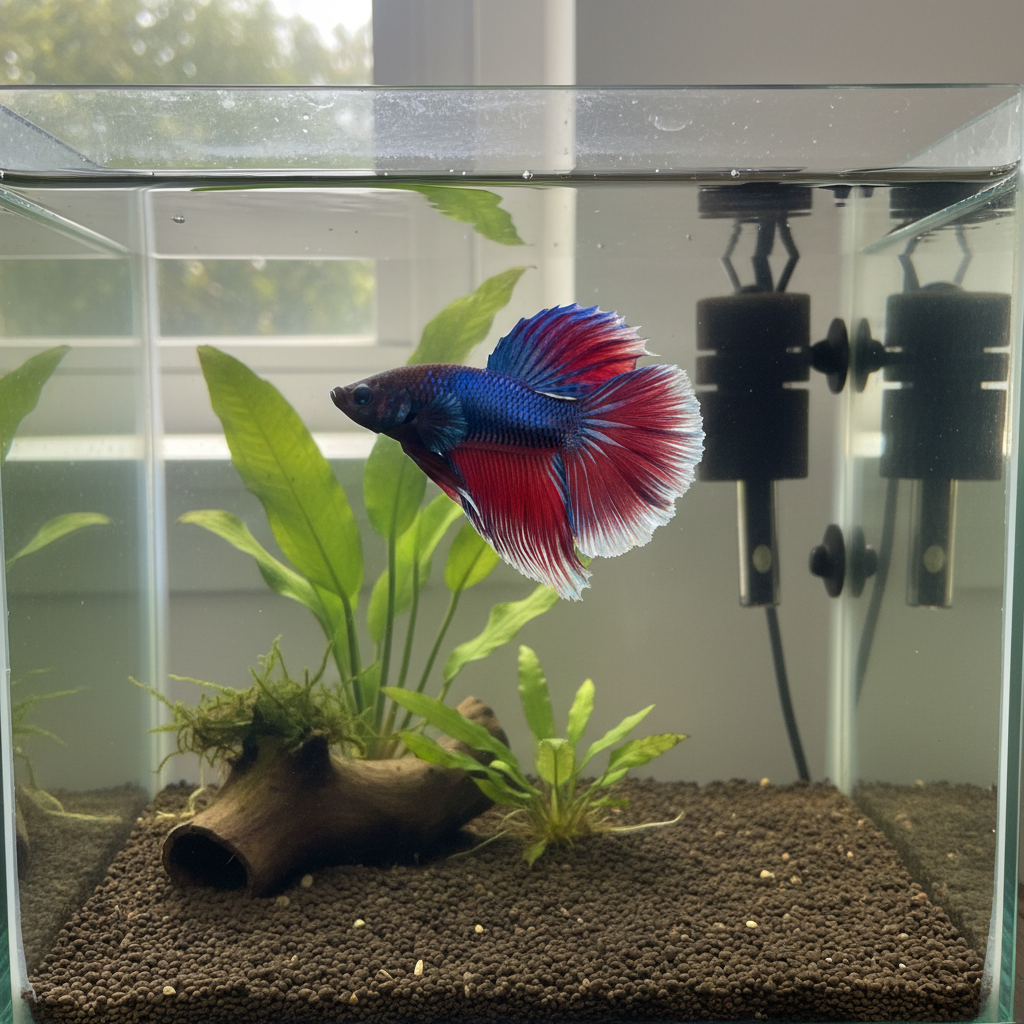
Introduction: Understanding Betta Fish Diseases
Betta fish are captivating pets, but their health can be delicate. While they are known for their beauty, they are also prone to various ailments, often triggered by suboptimal tank conditions. Early detection of symptoms and understanding the root causes are your best tools for keeping your betta healthy. This guide focuses on helping you diagnose, treat, and prevent common betta fish diseases, emphasizing practical steps and the critical role of water quality.
General Signs Your Betta Fish Might Be Sick
Before diving into specific diseases, it's helpful to recognize general indicators that your betta might be unwell. Observing your fish daily can help you catch problems early. Look for changes in:
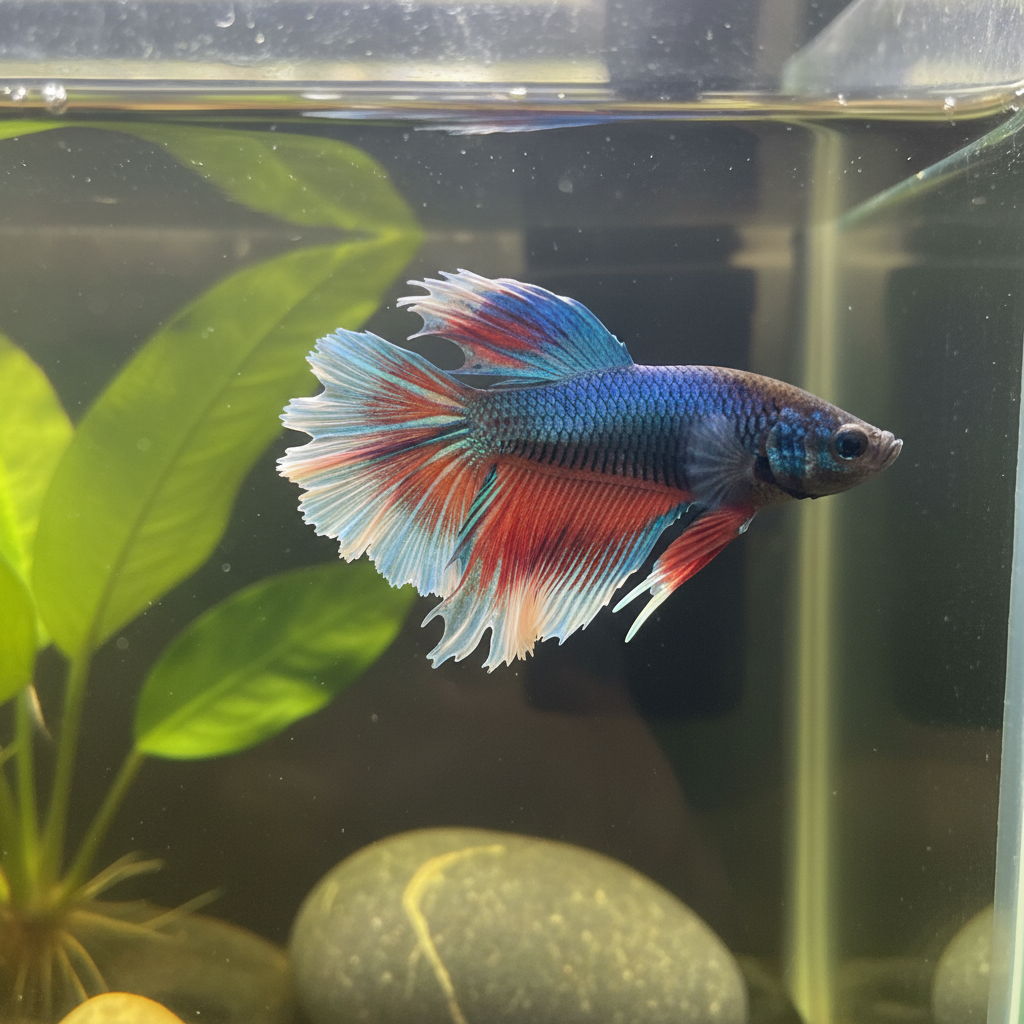
- Appetite: Refusing food or spitting it out.
- Activity Level: Lethargy, hiding more than usual, or unusual hyperactivity.
- Swimming Patterns: Difficulty swimming, swimming erratically, listing to one side, or staying at the surface or bottom.
- Fin Appearance: Clamped fins, frayed edges, tears, or discoloration.
- Color Changes: Fading colors, dullness, or unusual spots.
- Body Condition: Bloating, sunken belly, visible growths, or raised scales.
- Behavior: Rubbing against decor or substrate (known as 'flashing'), rapid gill movement, or gasping at the surface.
If you notice any of these signs, it's time to investigate further. AquaShelter's fish symptom checker can help you narrow down potential issues based on your observations.
The Critical Role of Water Quality in Betta Health
Poor water quality is the single biggest contributor to betta fish stress and disease. Betta fish are often sold in small cups, leading to a misconception that they thrive in tiny, unfiltered environments. This is far from the truth. Maintaining stable, clean water parameters is paramount for their immune system and overall well-being.
Key water parameters to monitor include:
- Ammonia: Should always be 0 ppm. Toxic to fish.
- Nitrite: Should always be 0 ppm. Also highly toxic.
- Nitrate: Should be kept below 20 ppm, ideally lower. High levels indicate a need for water changes.
- pH: Betta fish generally prefer a pH between 6.5 and 7.5.
- Temperature: Betta fish are tropical and require stable water temperatures between 76-82°F (24-28°C).
Imbalances in these parameters cause stress, weaken the fish's immune system, and make them highly susceptible to infections. Regular water testing and consistent water changes are non-negotiable. Our Aquarium Water Test Strip Guide can help you understand your readings. For a healthy tank, ensure your tank is properly cycled; learn more in our guide on How to Cycle a Fish Tank.
Common Betta Fish Diseases: Symptoms, Causes, and Safer Next Steps
Here's a breakdown of common betta fish diseases, their identifying features, and initial actions to take.
Fin Rot: Recognizing and Treating Frayed Fins
Symptoms: The edges of your betta's fins appear ragged, frayed, or torn. They might also look discolored, often turning black or red at the edges. In severe cases, fins can completely rot away. Causes: Primarily caused by poor water quality, especially high ammonia or nitrite, and stress. Bacterial infections take advantage of weakened fish. It can also be exacerbated by fin nipping from tank mates or injuries. Safer Next Steps: The first and most important step is to perform a significant water change (25-50%) and test your water parameters. Ensure ammonia and nitrite are at 0 ppm and nitrates are low. Maintain consistent water changes. In mild cases, improved water quality alone can lead to recovery. For more severe cases, broad-spectrum antibacterial medications may be necessary. Always follow product instructions carefully. For a deeper dive, see our Fin Rot Treatment guide.
Ich (White Spot Disease): Identifying and Eradicating the Parasite
Symptoms: Small, white spots resembling grains of salt appear on the body and fins of your betta. The fish may also 'flash' (rub against tank decor) due to irritation, and show clamped fins or lethargy. Causes: Caused by the parasitic protozoan Ichthyophthirius multifiliis. It's highly contagious and often introduced by new fish or plants. Stress and fluctuating temperatures can trigger outbreaks. Safer Next Steps: Ich has a complex life cycle. Treatment often involves slowly raising the tank temperature to 82-84°F (28-29°C) over 24 hours (if your betta can tolerate it, and ensure good aeration) and using an anti-parasitic medication. Continue treatment for the recommended duration, even if spots disappear, to break the parasite's life cycle. Our Fish White Spots Treatment article provides more detail.
Swim Bladder Disease: Addressing Buoyancy Issues
Symptoms: Your betta struggles to swim normally. It might float uncontrollably to the surface, sink to the bottom, or swim sideways or upside down. Its belly may appear bloated. Causes: Often related to digestive issues like overfeeding, constipation, or a diet of low-quality food. It can also be caused by bacterial infections, internal parasites, or physical injury. Safer Next Steps: If you suspect constipation, fast your betta for 2-3 days. Then, offer a small amount of blanched, deshelled pea or daphnia. Ensure water quality is excellent. If symptoms persist or worsen, it might indicate a bacterial infection, which may require medication. Avoid overfeeding and feed high-quality, varied foods.
Dropsy: Understanding the 'Pinecone' Appearance
Symptoms: Severe bloating of the body, accompanied by scales that stick out, giving the fish a 'pinecone' appearance. Other symptoms can include lethargy, loss of appetite, and pale gills. Causes: Dropsy is not a disease itself but a symptom of severe internal organ failure, often due to a bacterial infection, kidney failure, or internal parasites. It's usually a sign that the fish's body can no longer regulate fluid balance. Safer Next Steps: Dropsy often has a poor prognosis because it indicates advanced internal issues. Isolate the fish in a hospital tank. Maintain pristine water quality and offer supportive care. Broad-spectrum antibiotics may be attempted, but success is limited. Consult an aquatic veterinarian for guidance on humane euthanasia if the fish is suffering greatly.
Popeye (Exophthalmia): When Eyes Bulge
Symptoms: One or both of your betta's eyes bulge noticeably from its head. The eye may also appear cloudy or discolored. Causes: Can be caused by physical injury, poor water quality leading to bacterial infection, or internal parasites. In some cases, it can be a symptom of a more systemic internal issue. Safer Next Steps: First, check for any sharp decor in the tank that could have caused injury. Perform a water change and test parameters to rule out water quality issues. If it's a bacterial infection, broad-spectrum antibiotics may be needed. Isolate the fish if possible. Our article on Fish Pop-Eye: What to Do When Eyes Bulge offers more detailed advice.
Velvet Disease: The Golden Dust Parasite
Symptoms: A fine, yellowish or brownish 'dust' appears on the fish's body and fins, often difficult to see without a flashlight. The fish may flash, have clamped fins, rapid breathing, and lethargy. Causes: Caused by the parasitic dinoflagellate Oodinium. It's highly contagious and can spread quickly. Safer Next Steps: Velvet is serious and requires prompt treatment. Turn off tank lights or dim them significantly, as the parasite is photosynthetic. Use a copper-based medication or other anti-parasitic treatments specifically for velvet. Increase aeration and maintain excellent water quality.
Columnaris (Mouth Fungus): A Bacterial Imposter
Symptoms: White or grayish patches that look like cotton or fungus, often appearing around the mouth, on the fins, or body. Fins may also appear frayed. It can progress rapidly. Causes: Caused by the bacterium Flavobacterium columnare. It's often triggered by poor water quality, stress, or injury. Despite its common name, it is not a fungus. Safer Next Steps: Columnaris is aggressive. Isolate the fish and treat with broad-spectrum antibacterial medications. Maintain excellent water quality and consider lowering the water temperature slightly (if safe for your betta) as the bacteria thrive in warmer water. Early intervention is key.
Why is My Betta Fish Not Eating?
Symptoms: Your betta refuses food, spits it out, or shows no interest in feeding time. Causes: This is a general symptom that can indicate many underlying issues, including stress, poor water quality, incorrect diet, internal parasites, or the early stages of any of the diseases listed above. It can also be a sign of protozoan parasites like Spironucleus, which can be triggered by stress. Safer Next Steps: First, check water parameters immediately. Ensure the water temperature is stable and within the correct range. Offer a variety of high-quality foods. Observe for other symptoms. If no other symptoms are present and water quality is good, try fasting for a day or two, then offer a small, easily digestible food. If appetite loss persists, consider it a serious sign and investigate further. Our Fish Not Eating? A Step-by-Step Aquarium Triage Guide can help.
Prevention is Key: Maintaining a Healthy Betta Environment
Proactive care is always better than reactive treatment. Here's how to prevent most betta fish diseases:
- Proper Tank Setup: Provide a tank of at least 5 gallons (ideally 10+ gallons for stability) with a heater and a gentle filter.
- Regular Water Changes: Perform weekly 25% water changes, or more frequently if needed, to keep nitrates low and replenish essential minerals.
- Appropriate Diet: Feed high-quality betta pellets or flakes, supplemented with frozen or live foods like bloodworms, brine shrimp, or daphnia. Avoid overfeeding.
- Stress Reduction: Provide hiding spots, avoid sudden changes in tank conditions, and ensure compatible tank mates (if any). Learn more about Fish Stress: Symptoms, Causes, and How to Calm Your Tank.
- Quarantine New Fish/Plants: Always quarantine new additions for 2-4 weeks to prevent introducing diseases to your main tank.
- Observe Daily: Spend a few minutes each day watching your betta for any changes in behavior or appearance.
When to Use AquaShelter Tools for Diagnosis and Treatment
AquaShelter offers tools designed to help you navigate fish health challenges. Our AquaShelter fish diagnosis checker can help you input symptoms and receive potential diagnoses, guiding you toward the most likely issues. Once you have a potential diagnosis, our aquarium treatment safety checker can help you understand medication options and ensure safe and appropriate use, considering your tank's specific conditions and inhabitants. These tools are designed to provide 'safer next steps' and empower you with information for your betta's well-being.
Conclusion: Empowering Betta Keepers for Long-Term Health
Keeping a betta fish healthy requires attention to detail, especially regarding water quality and diet. By understanding the common diseases, recognizing early symptoms, and taking prompt, informed action, you can significantly improve your betta's chances of recovery and enjoy a long, healthy life together. Remember, observation, quick action, and leveraging reliable resources like AquaShelter are your best allies in responsible fishkeeping.
Safety Note: For severe illness, medication, or if you are unsure about a diagnosis, always consult with an aquatic veterinarian. Never provide an exact dose or treatment duration without following current product labels and professional advice, as species, water chemistry, and formulations can change safety.
Your Betta's Health: A Daily Commitment
When it comes to your betta fish, consistent observation is your most powerful tool. Think of yourself as their primary caregiver, responsible for noticing subtle changes that could signal a problem. This isn't about being an expert diagnostician, but rather about being attuned to their normal behavior and appearance. For instance, if your betta, usually an active swimmer, starts spending more time listlessly at the bottom, that's a cue to investigate further. Early detection of betta fish diseases often means simpler, more effective treatment and a quicker return to health for your finned friend.
Proactive Care: Beyond Just Feeding
Maintaining a healthy environment for your betta goes far beyond just feeding them. It involves understanding and consistently managing their water parameters, providing appropriate tank enrichment, and minimizing stressors. A common mistake is assuming bettas thrive in small, unfiltered bowls; this is a myth that often leads to preventable illnesses. Instead, focus on a properly sized, filtered, and heated tank with regular water changes. This proactive approach significantly boosts their immune system, making them more resilient to potential health challenges. Remember, a clean, stable environment is the foundation of a happy, healthy betta.
If you're ever unsure about a symptom or need to confirm your observations, resources like the Merck Veterinary Manual can offer general insights into fish health, helping you understand the broader context of aquatic animal care.
Use AquaShelter before you guess
If you are not sure whether the symptoms are coming from disease or water quality, try the AquaShelter diagnosis check before choosing a treatment.
Open the diagnosis checkDisclaimer: AquaShelter helps with triage and safer decisions, but it does not replace a qualified aquatic veterinarian.
FAQ
What are the most common diseases in betta fish?
Common betta fish diseases include Fin Rot, Ich (White Spot Disease), Swim Bladder Disease, Dropsy, Popeye, Velvet Disease, and Columnaris (Mouth Fungus). Many are linked to poor water quality and stress.
How do I know if my betta fish is sick?
Look for changes in appetite, activity level, swimming patterns, fin appearance (frayed, clamped), color changes, bloating, or rubbing against tank decor. Any unusual behavior or physical changes can indicate illness.
How can I prevent my betta fish from getting sick?
Prevention is key. Maintain excellent water quality through regular water changes and testing, provide a proper tank size with heating and filtration, feed a high-quality varied diet, and reduce stress by offering hiding spots and compatible tank mates.