
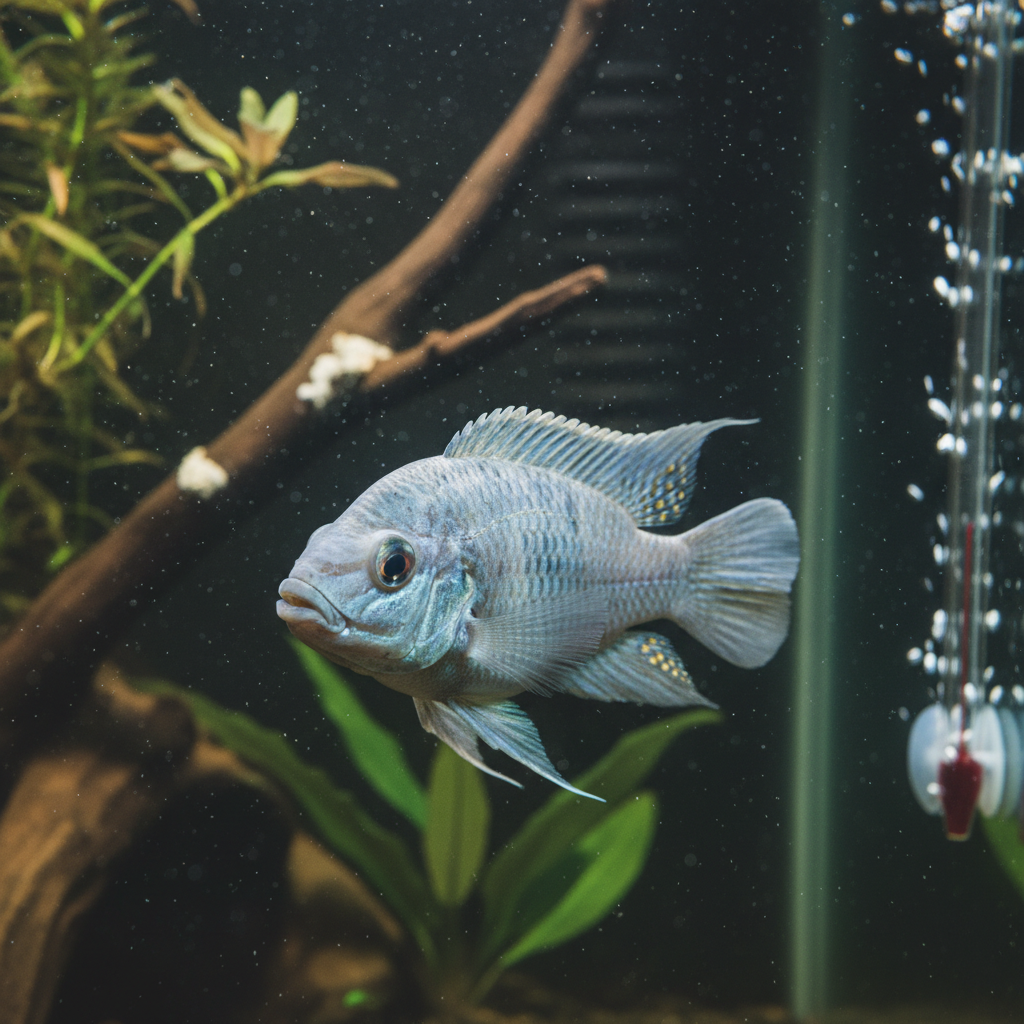
Why Your Fish Might Be Losing Color
Fish coloration is a good indicator of their overall health and well-being. When they lose their vibrant colors, it's usually a signal that they're under stress or experiencing a problem. Think of it like a canary in a coal mine – a visual cue that demands your attention.
Stress: The Most Common Culprit
Stress is a major reason fish lose color. Just like people, fish can get stressed, and it impacts their physical appearance. Common stressors include:
- New environment: Moving to a new tank or even just rearranging decor can be stressful.
- Bullying: Aggressive tank mates can cause chronic stress.
- Overcrowding: Too many fish in too small a space leads to competition and stress.
- Sudden changes: Rapid shifts in temperature, pH, or lighting can be unsettling.
When fish are stressed, their bodies divert energy from non-essential functions, like maintaining vibrant coloration, to coping mechanisms. You might also notice other stress signs like clamped fins or hiding more than usual.
Poor Water Quality: A Silent Threat
Unstable or unhealthy water parameters are a frequent cause of fish losing color. Fish live in their water, so if the water is bad, they're going to feel it. Key water quality issues include:
- Ammonia, Nitrite, and Nitrate spikes: These toxic compounds build up from fish waste and uneaten food. Even low levels can cause chronic stress and health problems.
- Incorrect pH: Fish have specific pH requirements. If the pH is too high or too low for their species, it can cause stress.
- Temperature fluctuations: Stable temperatures are crucial. Wild swings can weaken a fish's immune system.
- Lack of regular water changes: Over time, beneficial minerals deplete, and pollutants accumulate, even if ammonia/nitrite are zero.
Regular water testing is essential. If you're using test strips, make sure you understand what the numbers really mean.
Dietary Deficiencies: What Goes In Matters
A poor or unbalanced diet can directly impact a fish's coloration. Many fish foods contain color-enhancing ingredients, but if the food is old, low quality, or not appropriate for your fish's species, they might not be getting the nutrients they need. For example, some fish need specific carotenoids in their diet to maintain red and orange pigments.
Illness or Parasites: A Deeper Problem
While stress and water quality are often the first things to check, a loss of color can also be a symptom of an underlying illness or parasitic infection. A fish that is fighting off disease will often appear pale or dull as their body focuses energy on healing. Look for other symptoms like loss of appetite, flashing, or visible spots or growths.
Age and Genetics: Natural Fading
Sometimes, a fish's color can naturally fade with age, especially in older specimens. Also, some fish are simply genetically predisposed to have less vibrant colors than others, even within the same species. If all other factors are perfect and only one older fish is losing color, this might be the case.
What to Do When Your Fish Loses Color
When you notice your fish losing color, don't panic, but do act quickly. Here's a practical step-by-step approach:
1. Check Water Parameters Immediately
This is always the first step. Use a reliable liquid test kit to check ammonia, nitrite, nitrate, and pH. If any parameters are off, perform a partial water change (25-50%) using dechlorinated water that matches the tank's temperature. Continue daily water changes as needed until parameters stabilize. AquaShelter's tank history feature can help you track these readings over time, making it easier to spot trends and prevent future issues.
2. Observe for Other Symptoms
Watch your fish closely for any other signs of distress or illness. Are they eating? Are their fins clamped? Are they breathing heavily? Are there any spots or growths? The more information you gather, the better you can pinpoint the problem. If you see white spots, it could be Ich.
3. Evaluate Tank Environment and Tank Mates
Consider if anything has changed recently in the tank. Did you add new fish? Rearrange decor? Is there a particularly aggressive fish bothering the pale one? Ensure there are enough hiding spots for all fish. If bullying is severe, you might need to separate the aggressive fish or rehome it.
4. Review Diet
Are you feeding a high-quality, varied diet appropriate for your fish species? Check the expiration date on your fish food. Consider supplementing with color-enhancing foods or live/frozen foods if appropriate for your fish.
5. Reduce Stress
Ensure the tank has a consistent light cycle (not 24/7 light). Avoid sudden movements around the tank. Keep the tank in a quiet area away from loud noises or vibrations. A stable environment is a calm environment for fish.
6. Consider a Quarantine Tank
If you suspect illness and the fish is losing color along with other symptoms, moving the affected fish to a separate quarantine tank can prevent the spread of disease and allow for focused treatment without impacting the main display tank.
Remember, consistency and observation are key. Most cases of fish losing color can be resolved by addressing water quality and environmental stressors. If symptoms persist or worsen, consult with a local fish store expert or an aquatic veterinarian.
Use AquaShelter before you guess
If you are not sure whether the symptoms are coming from disease or water quality, try the AquaShelter diagnosis check before choosing a treatment.
Open the diagnosis checkDisclaimer: AquaShelter helps with triage and safer decisions, but it does not replace a qualified aquatic veterinarian.
FAQ
Can fish regain their color after fading?
Yes, in most cases, if the underlying cause of color loss (like stress or poor water quality) is identified and corrected promptly, fish can regain their vibrant coloration. It might take a few days to a couple of weeks, depending on the severity and duration of the issue.
Is it normal for fish to lose color at night?
Some fish species do exhibit a temporary, slight fading of color at night or when they are sleeping. This is a natural protective mechanism or a response to low light. If their color returns to normal during the day, it's usually not a cause for concern.
What specific nutrients help fish maintain color?
Many fish, especially those with red, orange, or yellow pigments, benefit from carotenoids in their diet. Look for fish foods that list ingredients like spirulina, astaxanthin, or other natural color enhancers. A varied diet including high-quality flakes, pellets, and occasional live or frozen foods is best.