Clear, aquarium-first guides for the moments when a fish looks sick, the water looks wrong, or you need to decide what to check next.
AquaShelter articles focus on triage, not guesswork. Start with the tank, recent changes, and visible symptoms, then use a safer decision path before adding treatments.
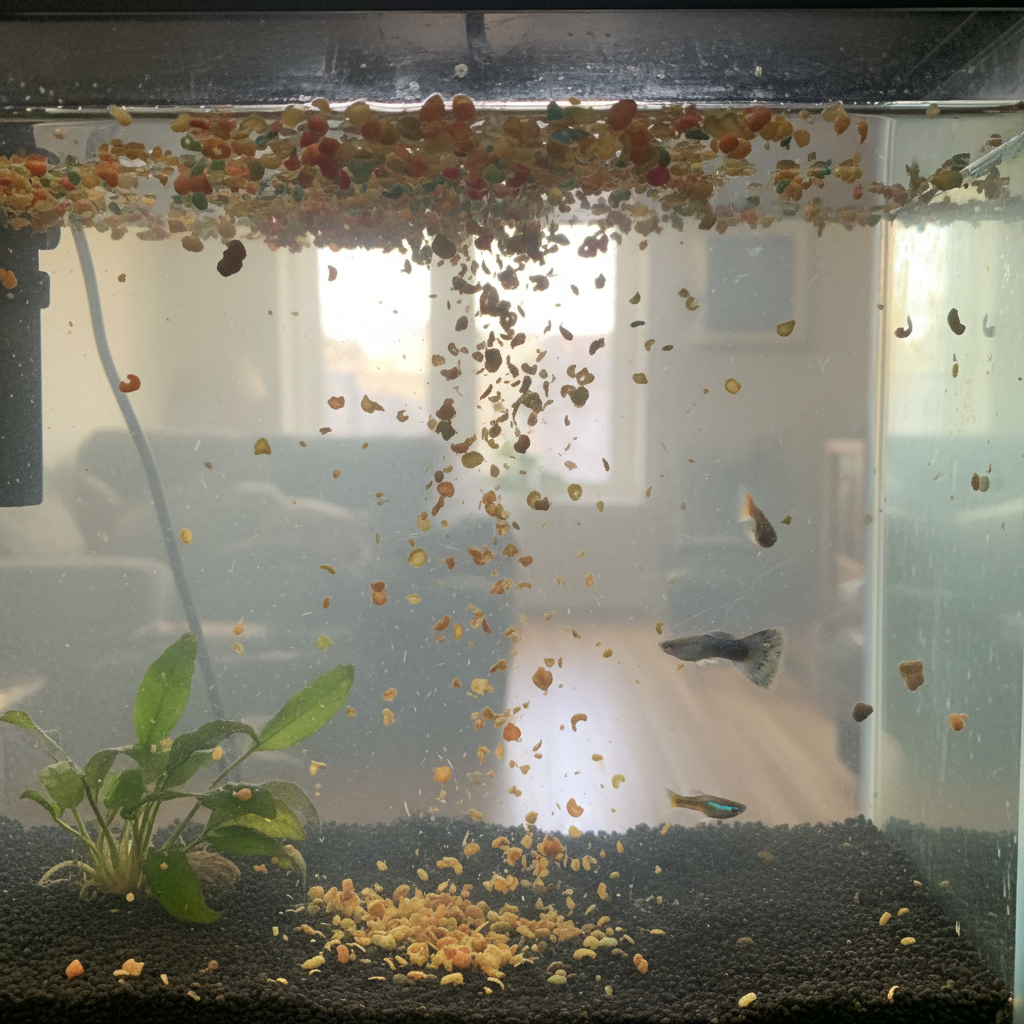
Overfeeding is a common mistake in fishkeeping that can lead to serious health issues for your fish and poor water quality in your aquarium. Understanding the dangers, recognizing the signs, and implementing proper feeding practices are key to a thriving tank.
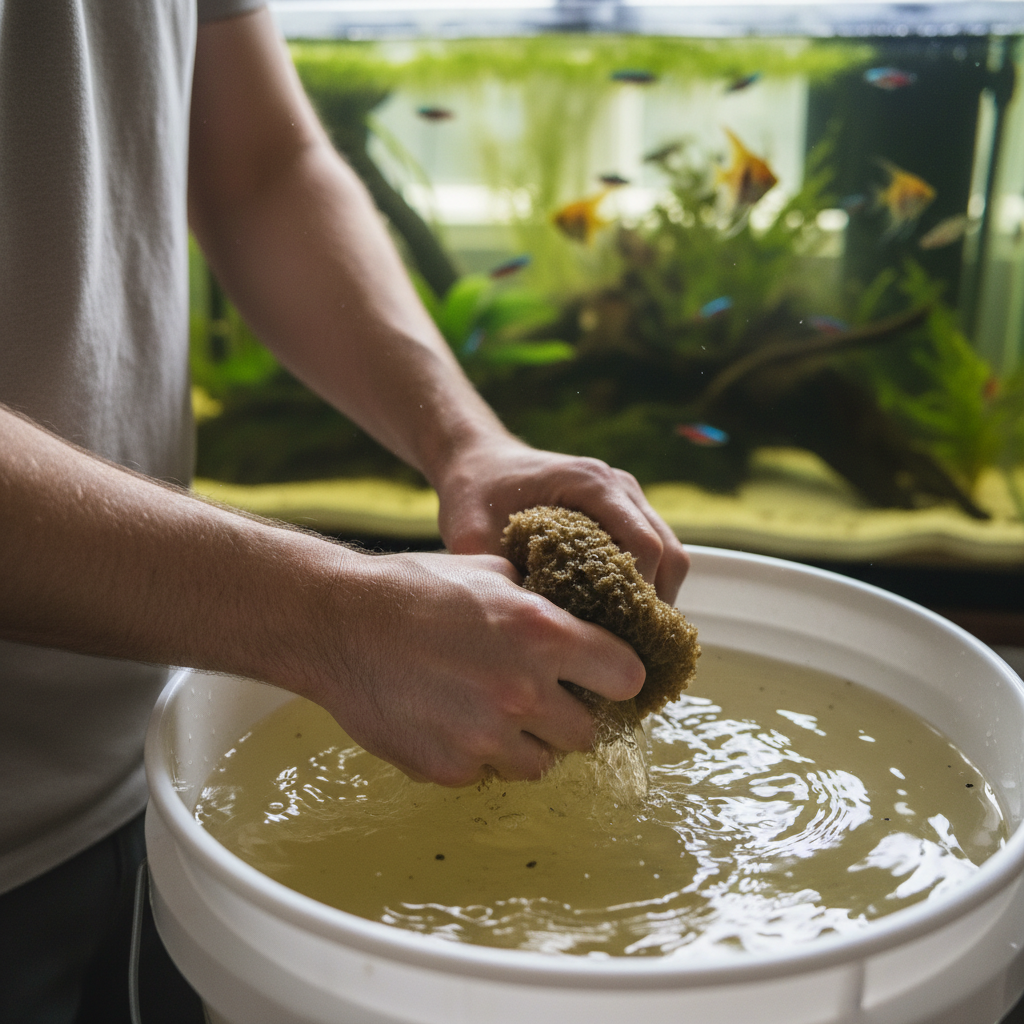
Cleaning your aquarium filter is essential for maintaining healthy water and preventing fish diseases. Learn the safe way to clean your filter, preserving beneficial bacteria and ensuring a thriving tank environment.
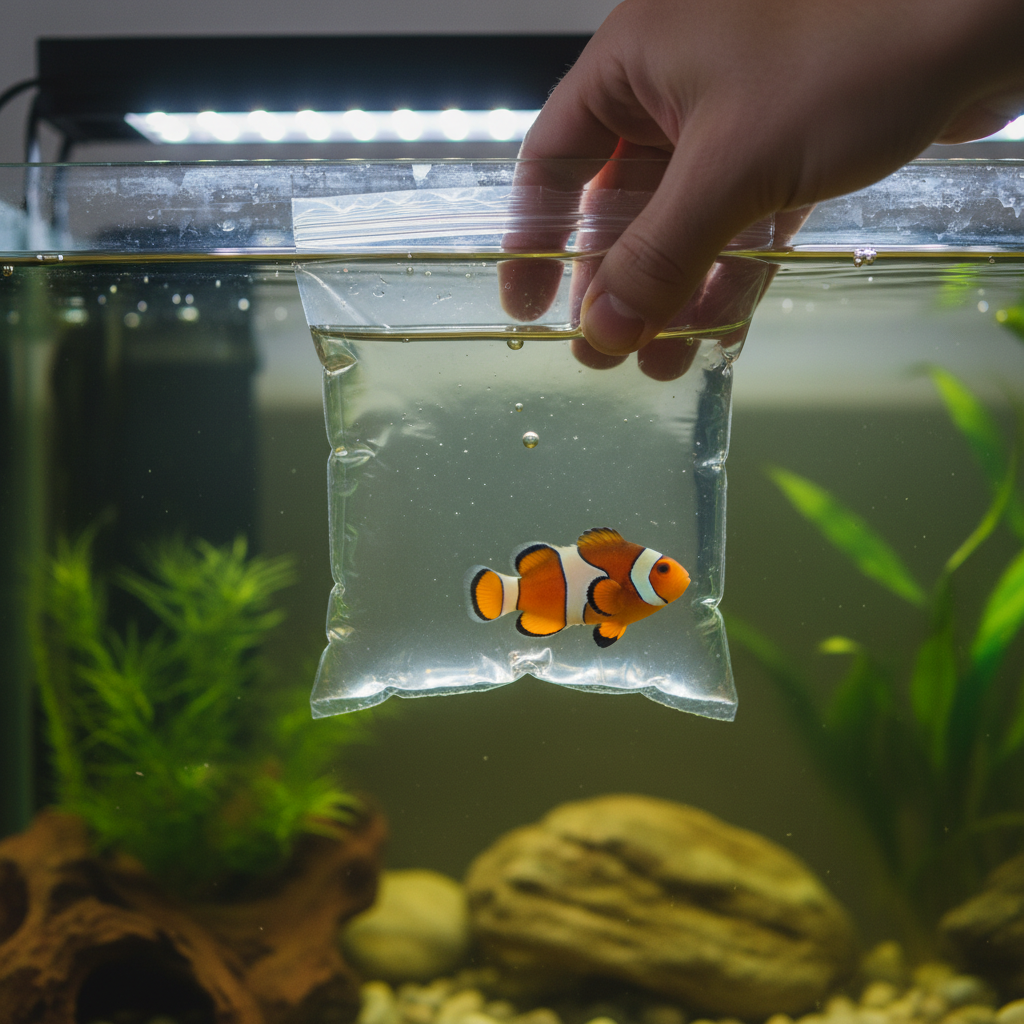
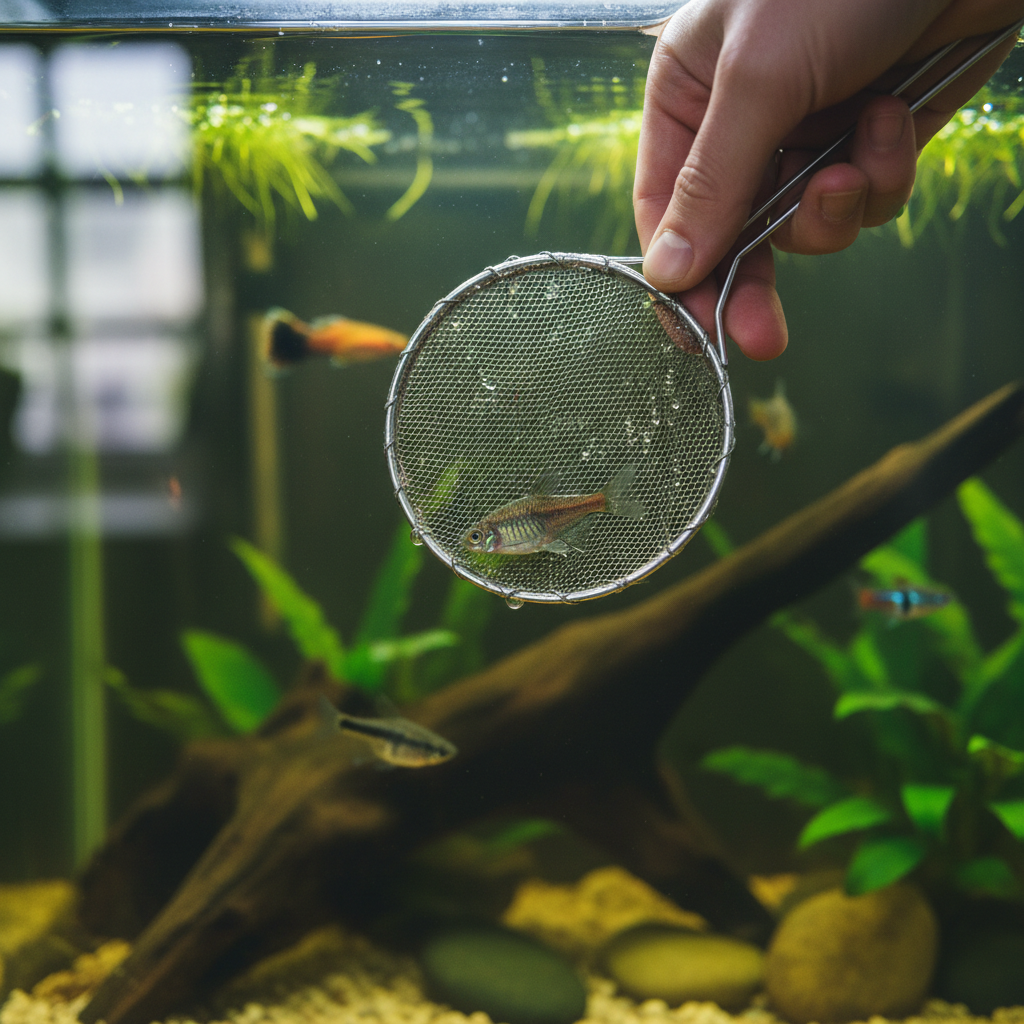
Safely introducing new fish to your aquarium is crucial for their health. Learn the best methods to acclimate them, reduce stress, and prevent disease.
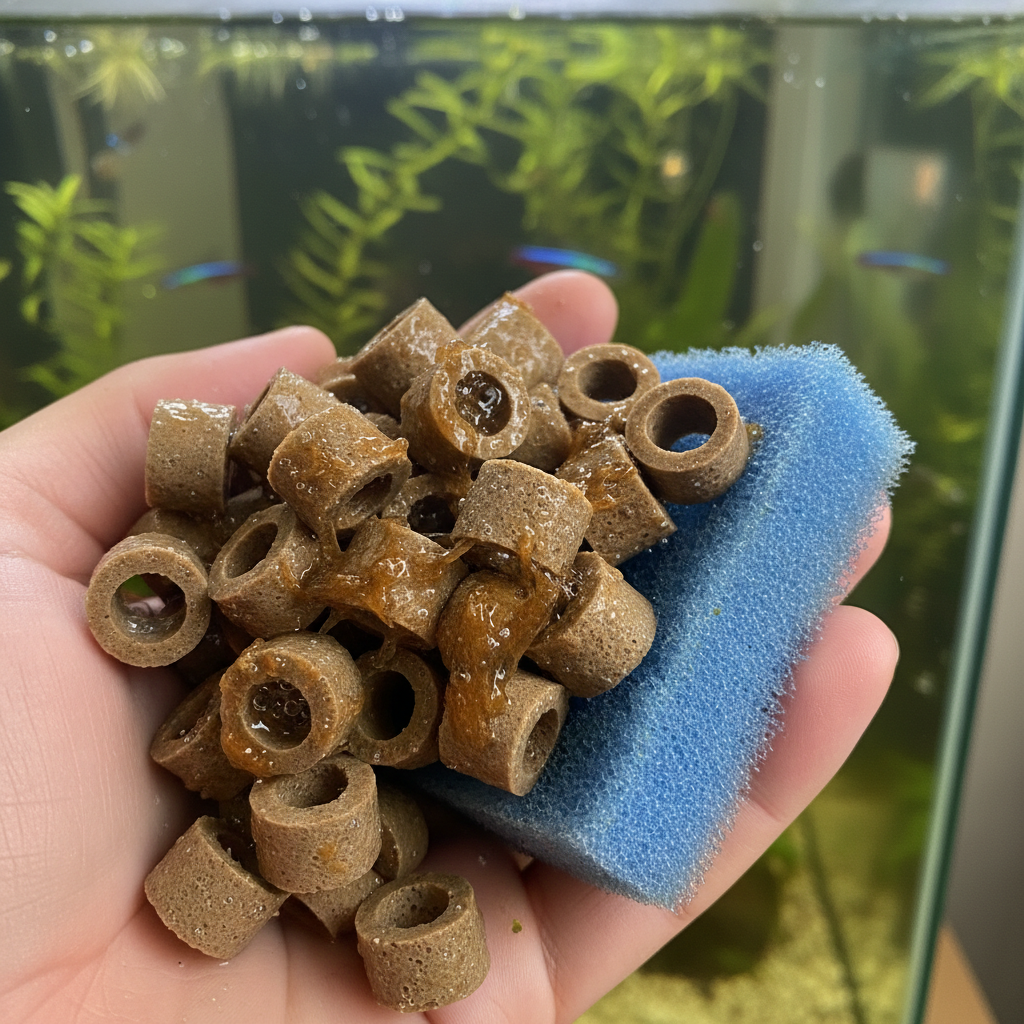
Beneficial bacteria are essential for a healthy aquarium, converting toxic fish waste into safer compounds. Understanding their role helps prevent common fish health issues.
Finding a deceased fish can be upsetting, but knowing the right steps to take immediately can protect your other tank inhabitants and help you understand what went wrong.
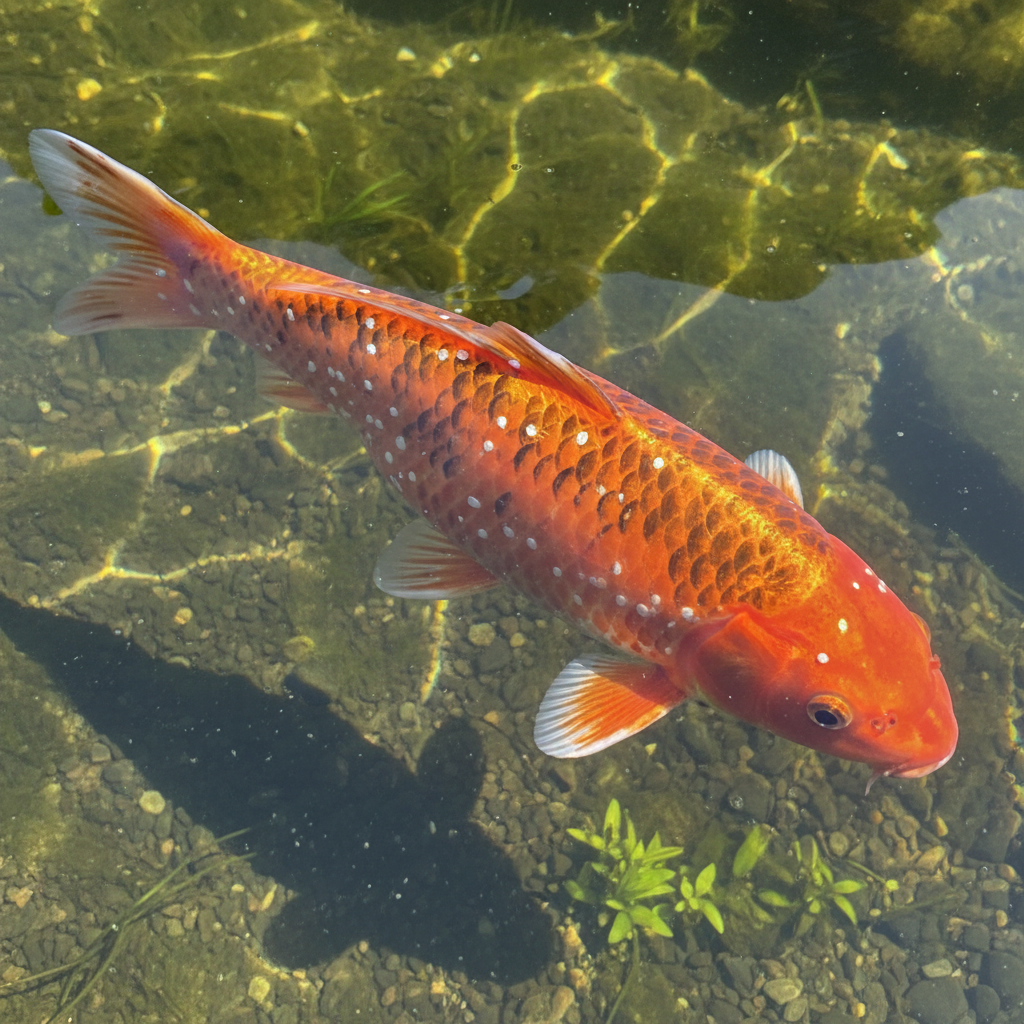
Understanding koi fish diseases is key to maintaining a healthy pond. This guide covers common symptoms, causes, and initial treatment steps to help your koi thrive.
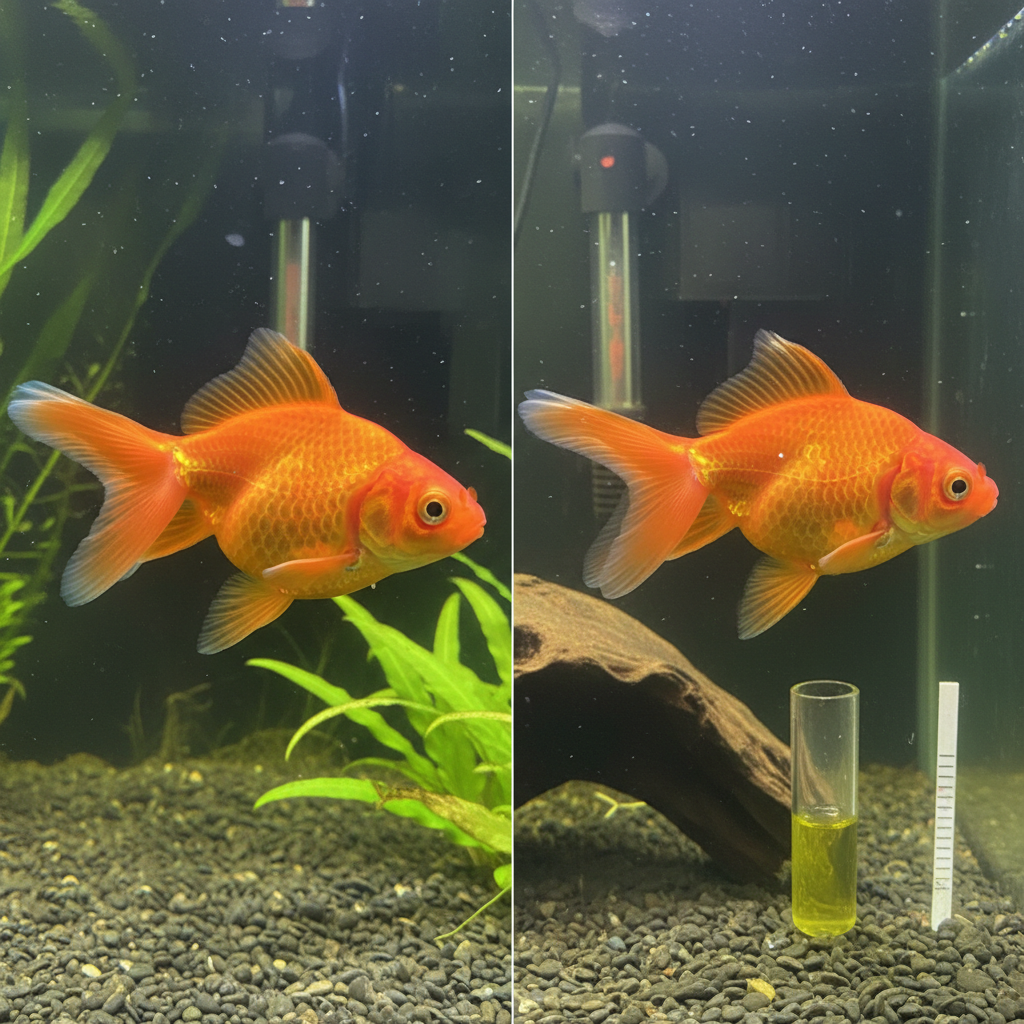
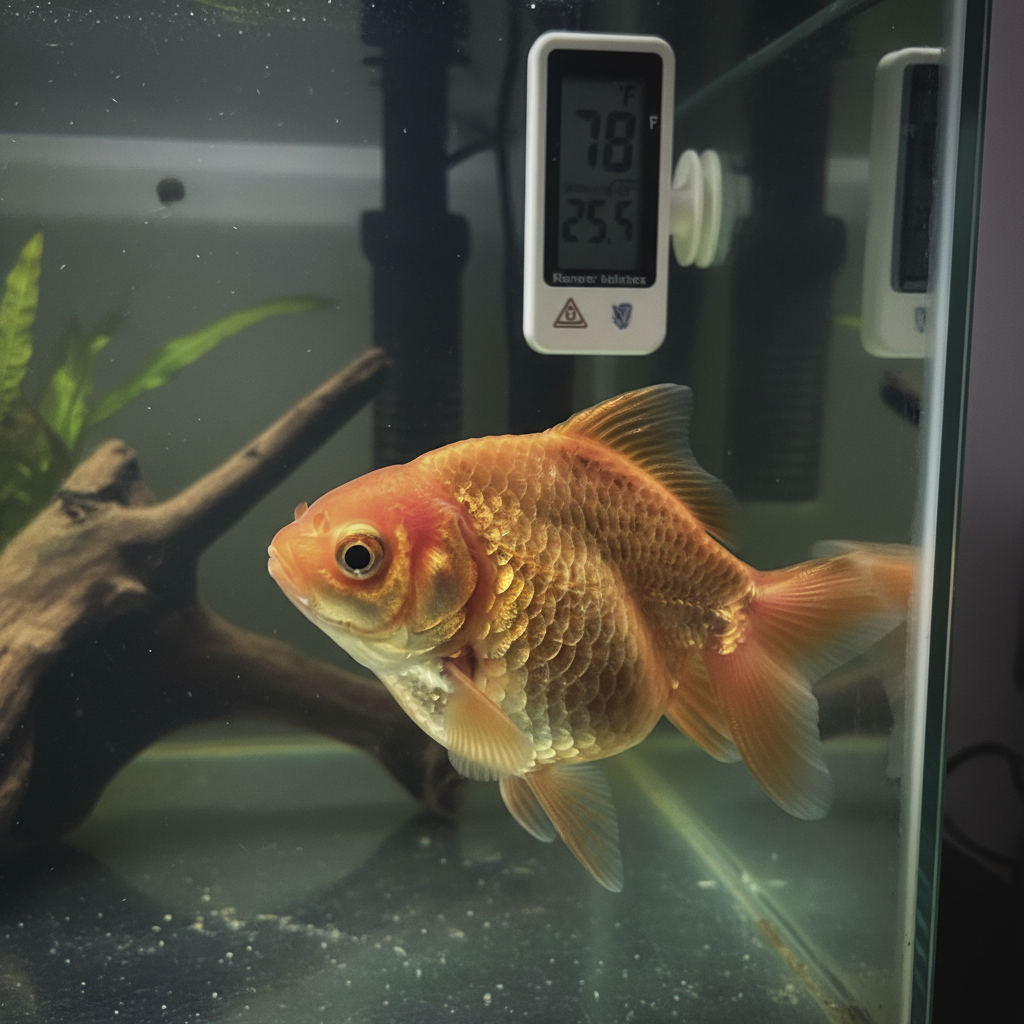
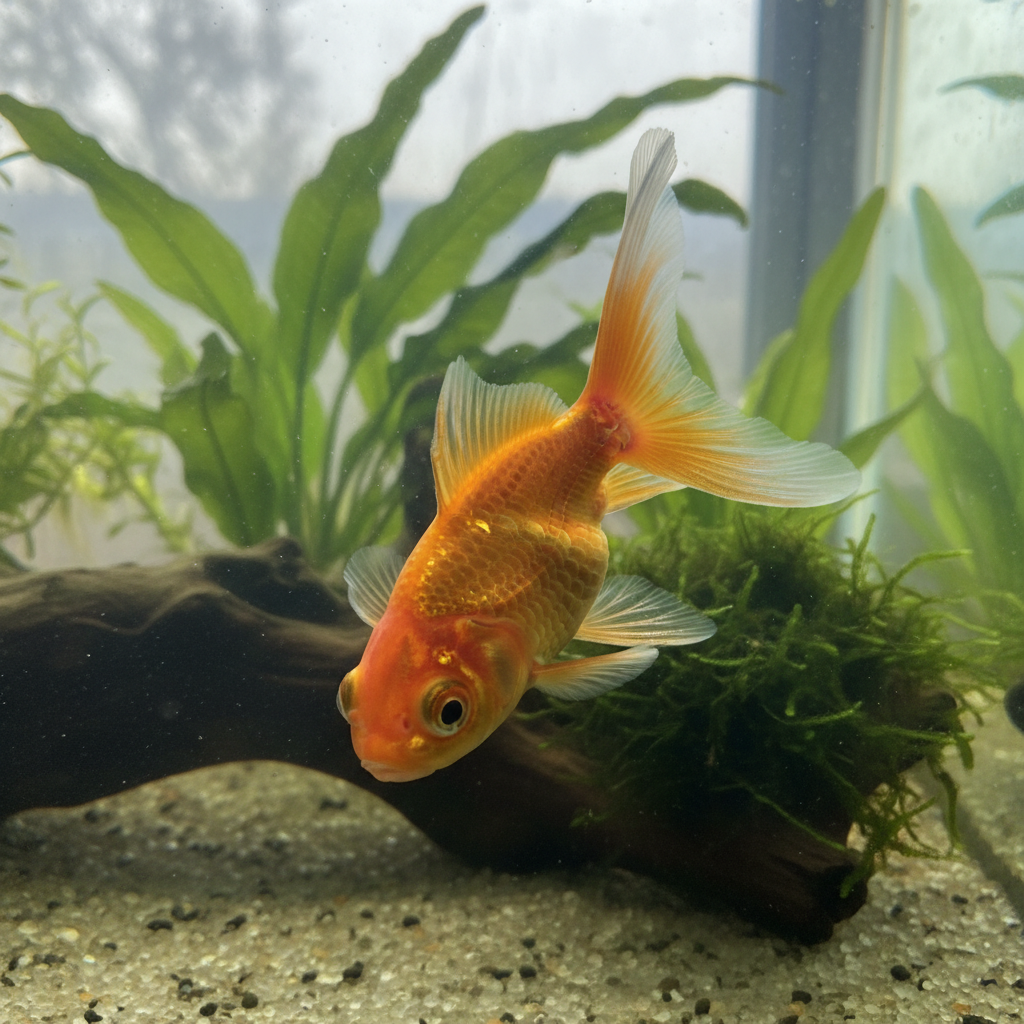
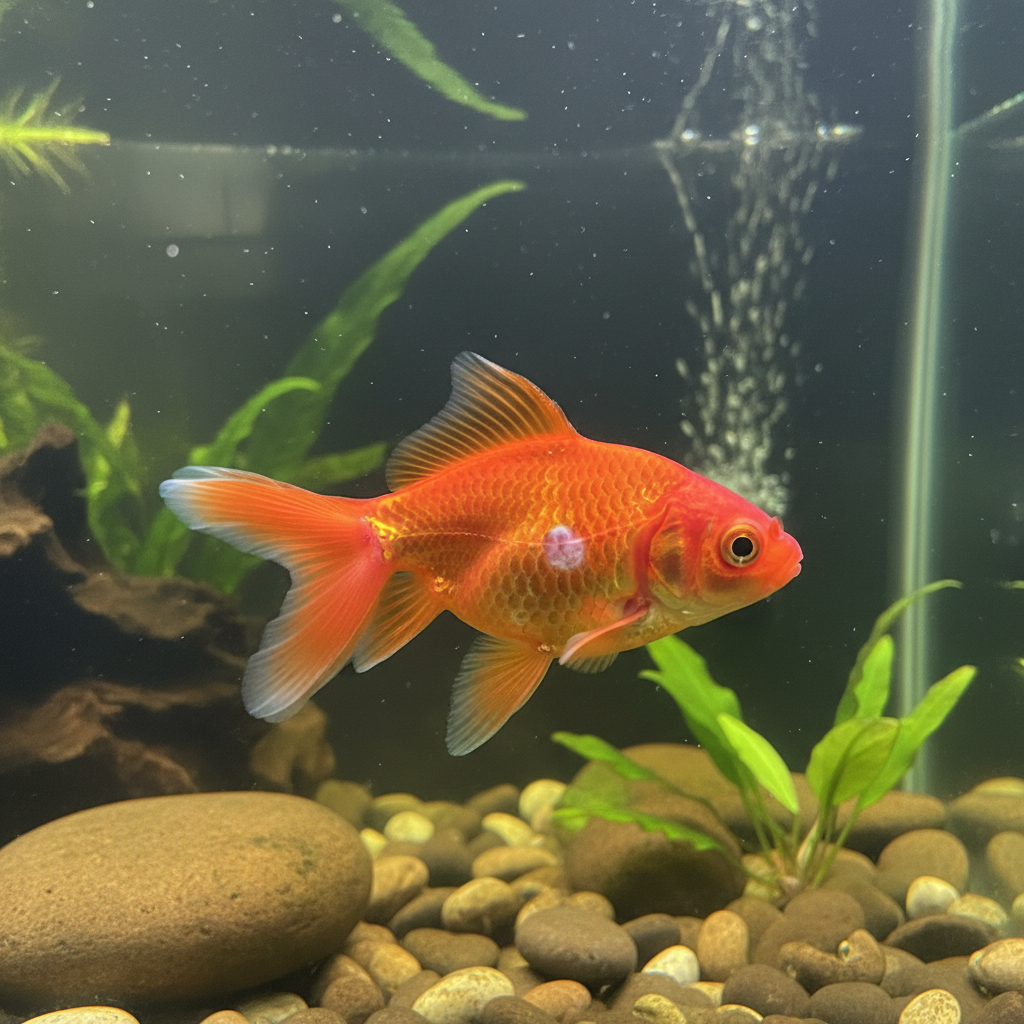
Spotting goldfish diseases early can save your fish. This guide uses clear pictures to help you identify common ailments, understand their causes, and take the right steps for treatment and prevention.
Dropsy in fish is a serious symptom, not a disease itself. It signals underlying health issues, often recognized by the 'pinecone effect' of scales. Learn to identify, treat, and prevent this condition.
Bacterial infections in betta fish can be serious, but early detection and proper action can improve outcomes. Learn to recognize the signs and what steps to take.
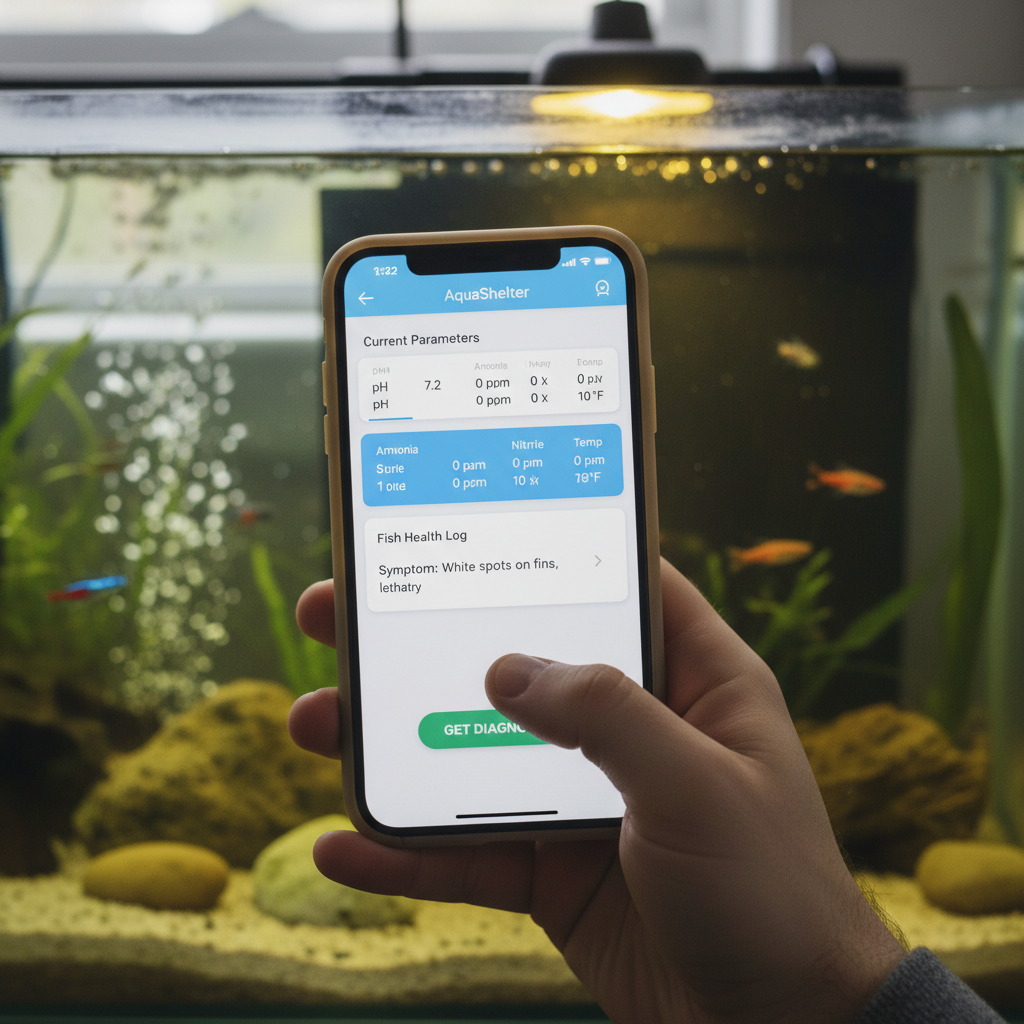
Aquarium software helps hobbyists manage their tanks, track water parameters, and monitor fish health. Learn how these digital tools can make fishkeeping easier and more effective.
Bacterial infections are a common and serious problem for aquarium fish. Recognizing the signs early and acting quickly can improve your fish's chances of recovery.
Fungal infections in betta fish often appear as white, cotton-like growths. They are usually secondary infections, meaning an underlying issue like poor water quality or injury made your fish vulnerable. Learning to spot the signs and differentiate them from bacterial problems is key to effective treatment.
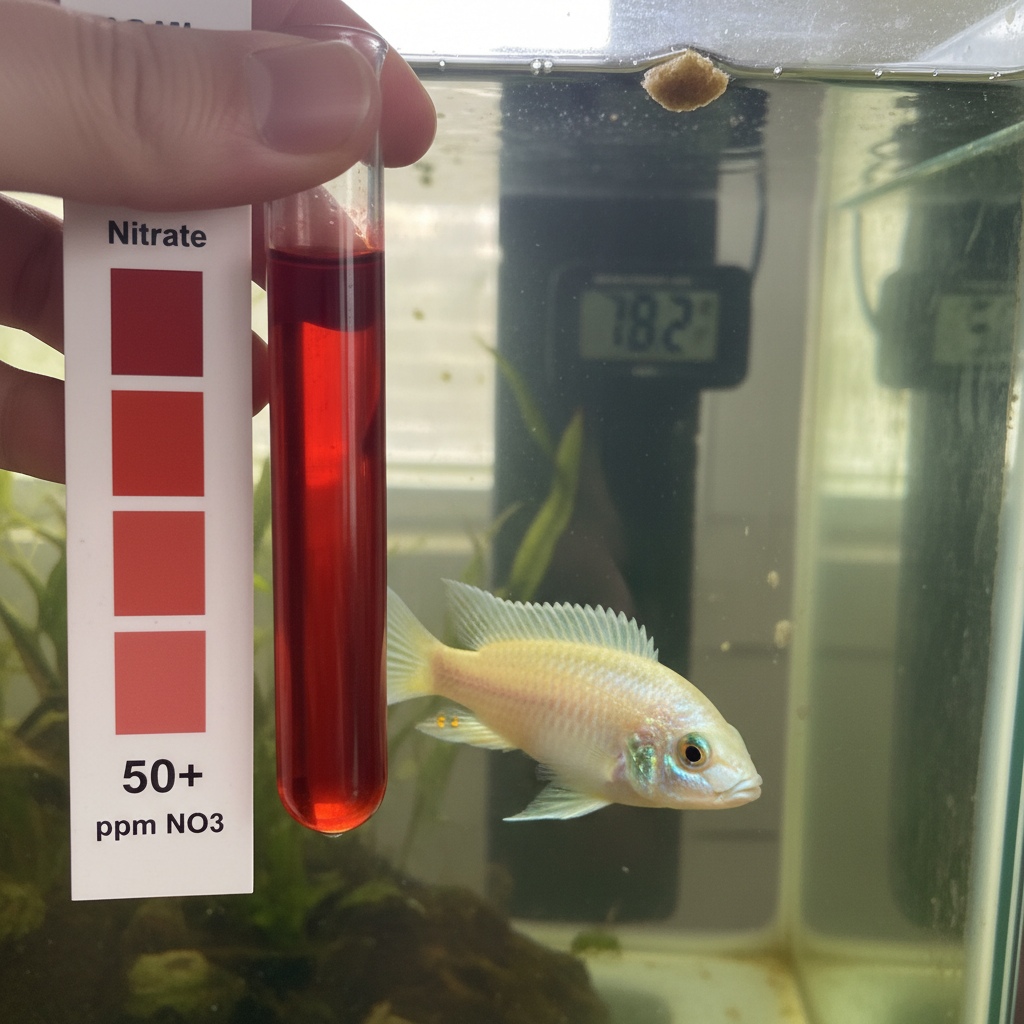
High nitrate levels can stress your fish and harm your aquarium. This guide explains what nitrate is, how to identify its effects, and practical steps to reduce and prevent it.
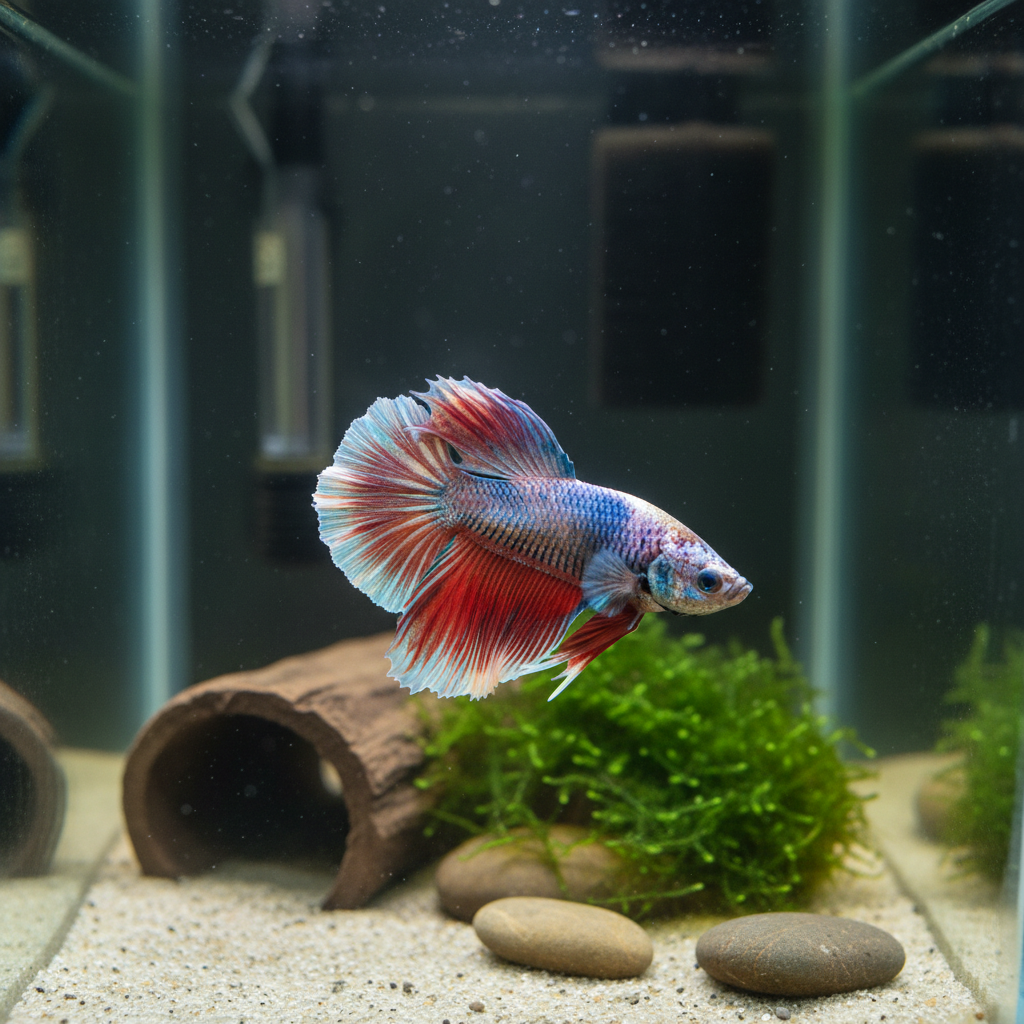
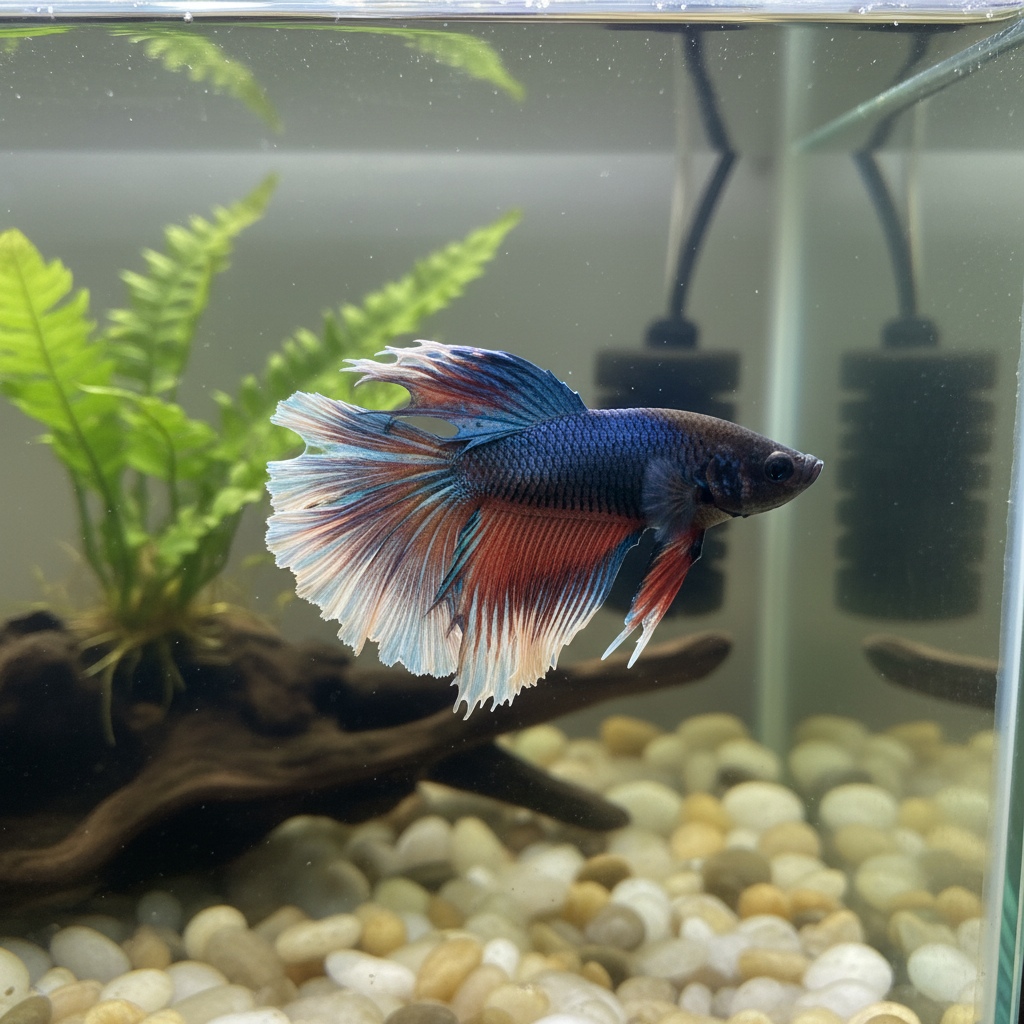
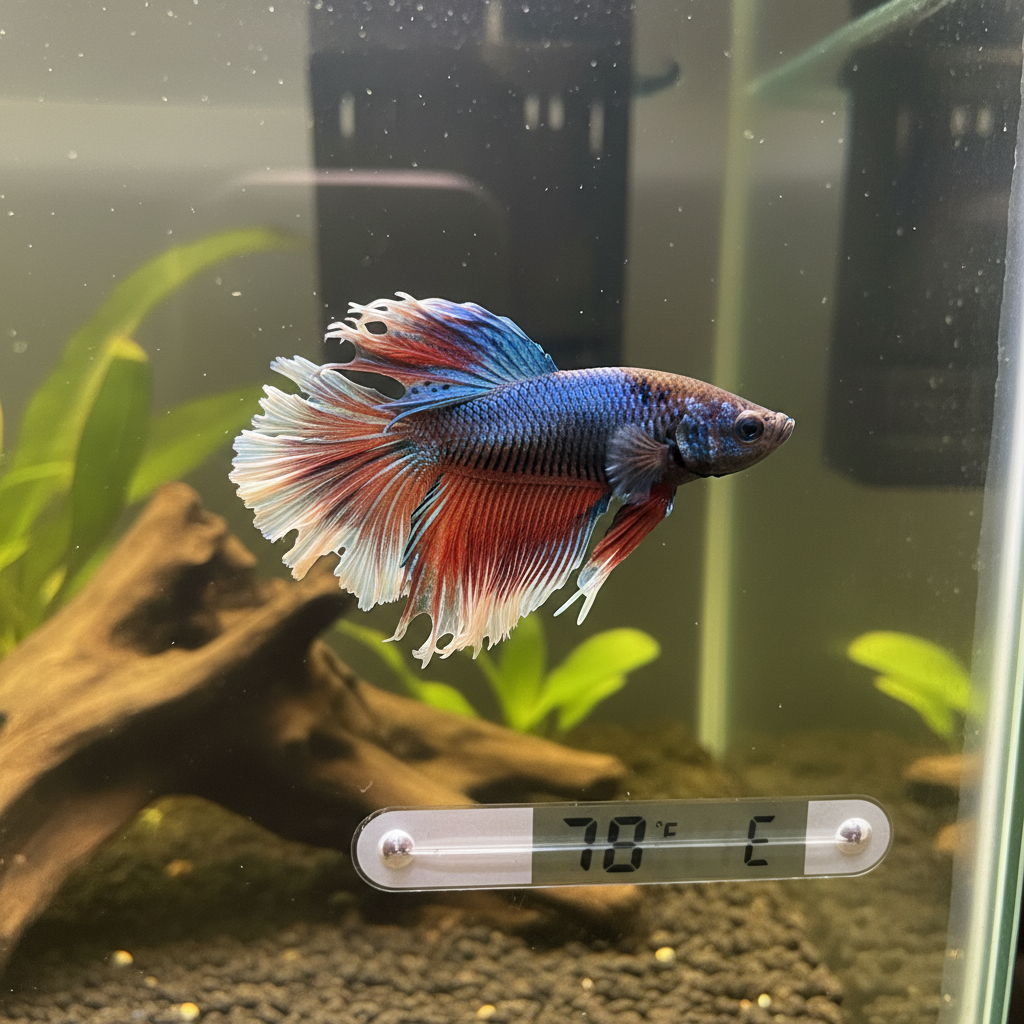
Betta fish are popular for their vibrant colors and flowing fins, but they are also susceptible to various diseases. This guide helps you identify common betta fish diseases, understand their causes, and take practical steps for treatment and prevention.
Cycling your fish tank is the most important step before adding fish. This guide explains the nitrogen cycle, how to perform a safe fishless cycle, and what to do if you're forced to do a fish-in cycle.
If you notice your fish's fins are ragged, torn, or shrinking, it's a clear sign something is wrong in your aquarium. This guide will help you identify the cause, whether it's disease, aggression, or poor water quality, and provide actionable steps to help your fish recover.
When your fish starts swimming sideways, upside down, or struggling to stay upright, it's a clear sign something is wrong. This guide helps you understand the common reasons behind fish losing balance and what you can do to help.
If you notice your fish losing scales, it's a clear sign something is wrong. This guide covers common causes like injury, poor water quality, and disease, offering practical advice for treatment and prevention.
When your fish starts to look dull or pale, it's a clear sign something isn't right in their world. This guide helps you pinpoint why your fish is losing color and what steps you can take to bring back their vibrant hues.
Fish mouth rot, often called columnaris or cotton mouth, is a bacterial infection that can quickly become serious. Learn to spot the signs and take action.
If your fish looks bloated, isn't pooping, or is struggling to swim, it might be constipated. This guide helps you identify the signs and offers gentle solutions.
When your fish starts swimming erratically, darting around the tank, or twitching, it's a clear sign something is wrong. This behavior can point to various issues, from water quality problems to stress or even parasites.
Is your fish acting strangely? Stress is a common culprit. Learn to spot the signs and take action to create a calmer environment for your aquatic friends.
Red streaks on your fish's fins often signal a bacterial infection, usually brought on by poor water quality or stress. This guide helps you identify the cause and take immediate action.
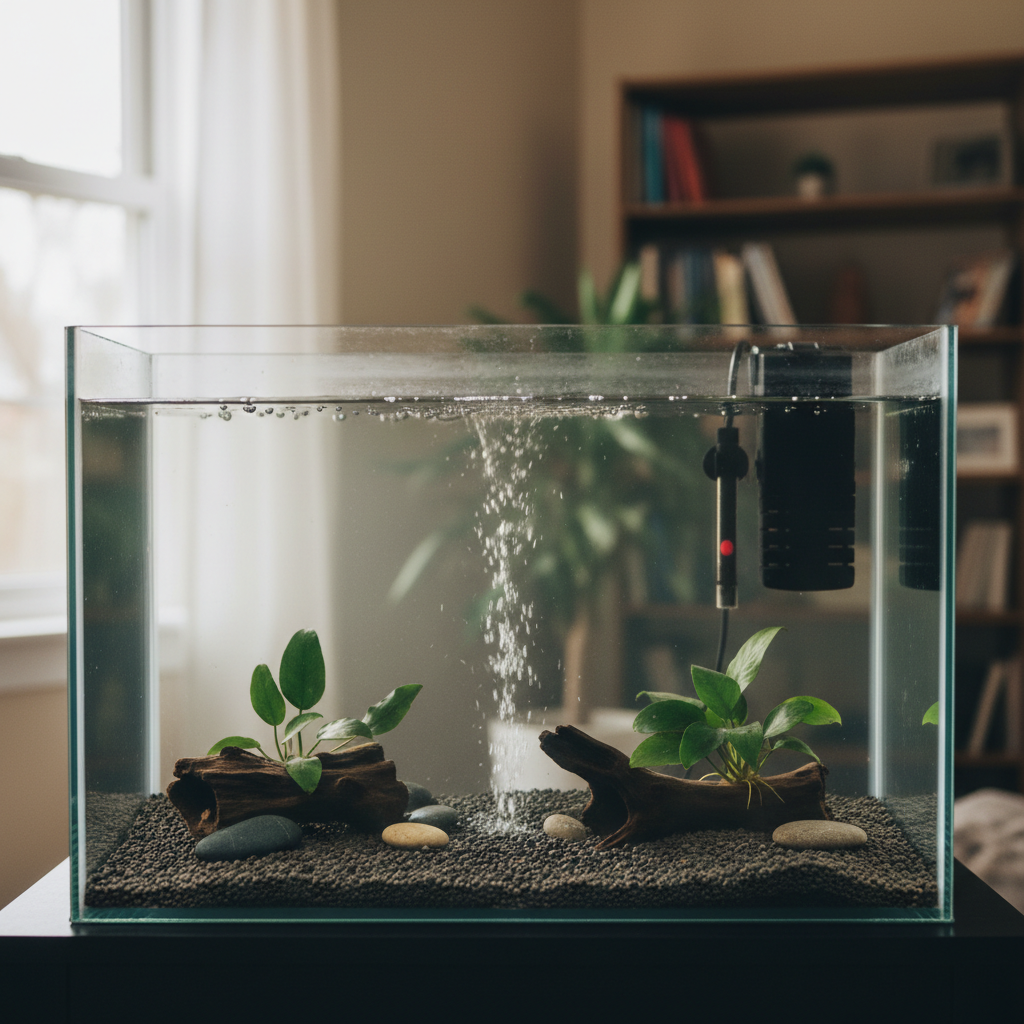
A 20-gallon fish tank is a fantastic starting point for many aquarists, offering more stability than smaller tanks while remaining manageable. This guide covers everything from choosing the right tank shape to stocking it responsibly and maintaining a healthy environment for your fish.
When one or both of your fish's eyes start to bulge outwards, it's a clear sign of distress known as pop-eye. This article explains why it happens and what you can do to help.
Gill flukes are tiny, often invisible, parasites that can severely impact your fish's breathing. This guide helps you spot the signs and understand how to treat them.
When your fish looks like it's swallowed a marble or its scales are sticking out, it's a serious sign. This article explores the common causes of fish bloating and the alarming 'pinecone' appearance of dropsy.
If your fish is suddenly sluggish, hiding more, or just not acting like themselves, it's a sign something might be wrong. This guide helps you figure out why and what to do.
When your fish rub their bodies against tank surfaces, it's called flashing. This behavior can signal irritation or a more serious problem. Knowing why it happens is the first step to helping your fish.